



YTGATE Reveals the State of Payment Approval Rates in E-Commerce Environment
YTGATE's Insight into E-Commerce Payment Approval Rates
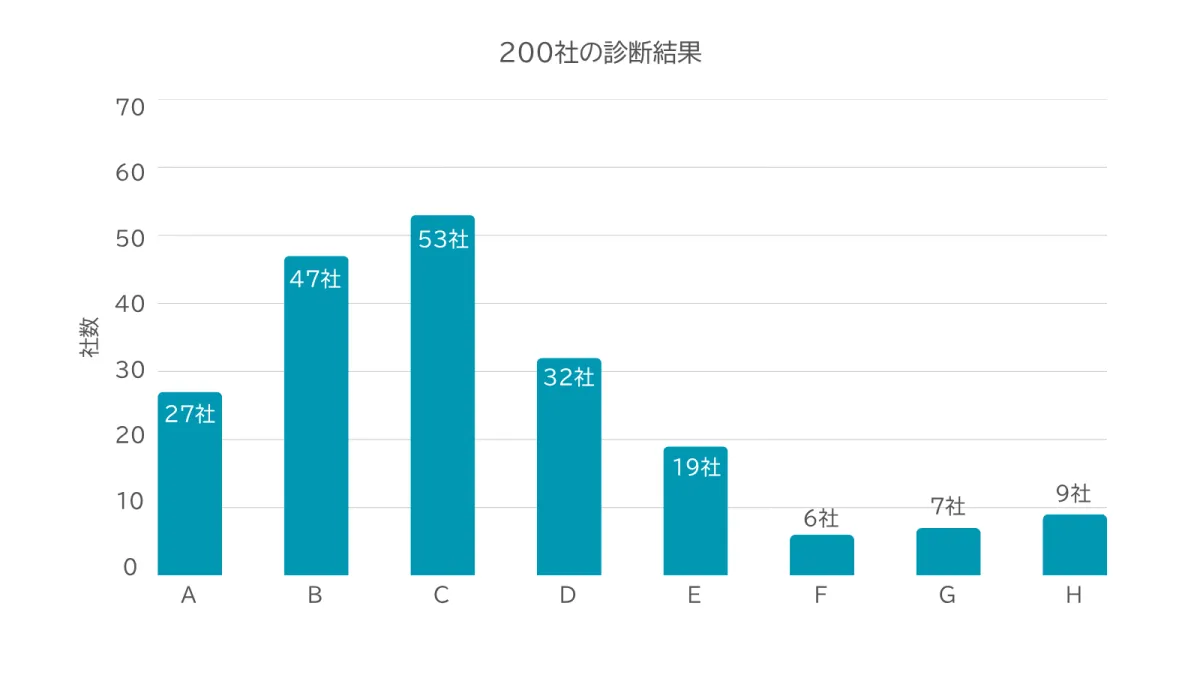
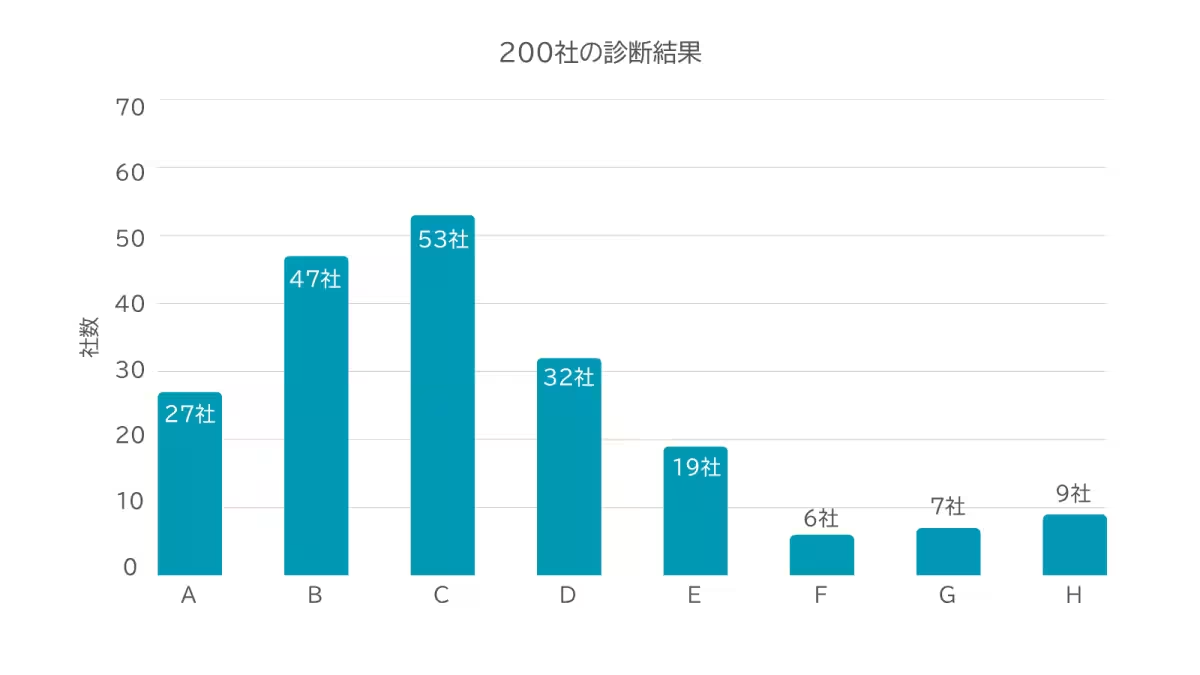
YTGATE, a Tokyo-based company specializing in payment optimization, conducted a comprehensive analysis of the payment environments of 200 e-commerce firms operating throughout Japan. The findings were enlightening—showing that the average payment approval rate across the industry sits at 85.4%, with a median of 88.0%. What's compelling is the assessment breakdown, where the companies were graded from A to H. The assessment revealed that 73 companies (36.5%) fall below the D rank, reflecting an approval rate of less than 85%.
Understanding Payment Approval Rates
Payment approval rates refer to the percentage of successful credit card transactions completed out of the total transaction requests. For example, if 95 out of 100 transaction attempts are successful, the approval rate stands at 95%. The remaining 5% fall through due to various reasons such as exceeding credit limits, expired cards, or automatic rejections for suspected fraudulent activity. A lower payment approval rate could lead to a significant loss of potential sales, especially as valid customers might abandon their purchases due to failed transactions.
In e-commerce, these rates can fluctuate greatly depending on factors such as the type of industry, customer spending power, and the composition of payment methods used. Yet, surprisingly few businesses regularly monitor this critical metric, leading to potentially unseen losses.
Diagnostic Overview
Survey Scope
- - Target Businesses: 200 e-commerce entities with in-house online stores across Japan.
- - Assessment Method: YTGATE analyzed and compiled payment data to categorize approval ratings into various ranks:
- B: 95–90%
- C: 90–85%
- D: 85–80%
- E: 80–75%
- F: 75–70%
- G: 70–65%
- H: Less than 65%
Results on Payment Approval Rates Distribution
The report outlined the following key statistics:
- - Average Approval Rate: 85.4%
- - Median Approval Rate: 88.0%
Interestingly, there is a 2.6 point difference between the average and median figures, indicative of a group of lower-performing businesses that pull down the overall average. Notably, the nine companies classified in rank H (those with 65% and below) hold an alarming average approval rate of 42.3%, falling over 40 points short of the overall average.
Scope for difference exists even among businesses with comparable annual revenue, ranging up to a staggering 62.7 points. The disparity in payment design and operations significantly impacts these rates, underscoring varying efficiency within the e-commerce sector.
Payment Approval Rate Disparities by Industry
The analysis also delved into sector-specific approval rates, highlighted below:
1. Apparel and Fashion Accessories
- - Approval Rate: 85.3%
- - Insights: High-ticket brands are more affected by credit assessments and authentication processes.
2. Furniture and Interior
- - Approval Rate: 87.5%
- - Insights: Initial low rates during 3D Secure implementations can be improved with effective operational designs.
3. Gifts and Tokens
- - Approval Rate: 86.9%
- - Insights: Orders where the purchaser and recipient differ often face higher scrutiny for fraud checks.
4. Sports and Outdoor Goods
- - Approval Rate: 80.7%
- - Insights: The risk of fraud for higher-priced or limited items results in lower approval rates.
5. Digital Content and Services
- - Approval Rate: 83.7%
- - Insights: Subscription models experience direct impact from initial transaction errors affecting customer lifetime value.
6. Household Appliances
- - Approval Rate: 76.1%
- - Insights: The category suffers the lowest approval rates, needing urgent review of fraud detection measures.
7. Food and Beverages
- - Approval Rate: 89.9%
- - Insights: Staples enjoy consistently high approval rates due to clear purchase intent.
8. Health and Beauty
- - Approval Rate: 88.2%
- - Insights: High product pricing coupled with initial discounts leads to risks in transaction failures.
9. Travel and Transportation
- - Approval Rate: 82.5%
- - Insights: Concerns about chargebacks and seasonality in booking periods mark significant challenges.
10. Department Stores
- - Approval Rate: 84.1%
- - Insights: Needs strategic management against potential security missteps from older customer demographics.
Conclusion
Through this diagnostic of 200 e-commerce businesses, we learned that the industry average stands at 85.4%. The stark contrast between high-performing sectors, such as Food and Beverage (at 89.9%), and laggards like Household Appliances (at 76.1%) reflects variability across different industries and business models.
Several underlying factors, including product price points, fraud risks, 3D Secure operations, and varying issuing bank review standards, are intricately tied to these numbers. Even within the same sector, operational discrepancies can lead to approval rate variations that demand attention.
YTGATE encourages businesses to target an approval rate of over 95%, emphasizing that minor improvements can lead to millions of dollars in additional revenue. Particularly for companies dealing with high-value items or subscription models, understanding their own payment approval status is pivotal in addressing and enhancing their performance.
For a free diagnostic of your payment approval rate and to assess your payment environment, YTGATE offers resources and analysis services tailored to help e-commerce evolution.
Furthermore, YTGATE sets a goal to enhance the awareness of their performance in relation to payment approval rates.
This commitment to supporting overall growth in the e-commerce domain relies on insights gained from this analysis and their own expertise in payment systems. Their mission emphasizes optimizing payments to create a seamless transactional landscape at home and abroad.

Topics Consumer Products & Retail)









【About Using Articles】
You can freely use the title and article content by linking to the page where the article is posted.
※ Images cannot be used.
【About Links】
Links are free to use.