



Seed Company's Training for Safe Walking Home After a Disaster
Seed Company's Walking Home Training
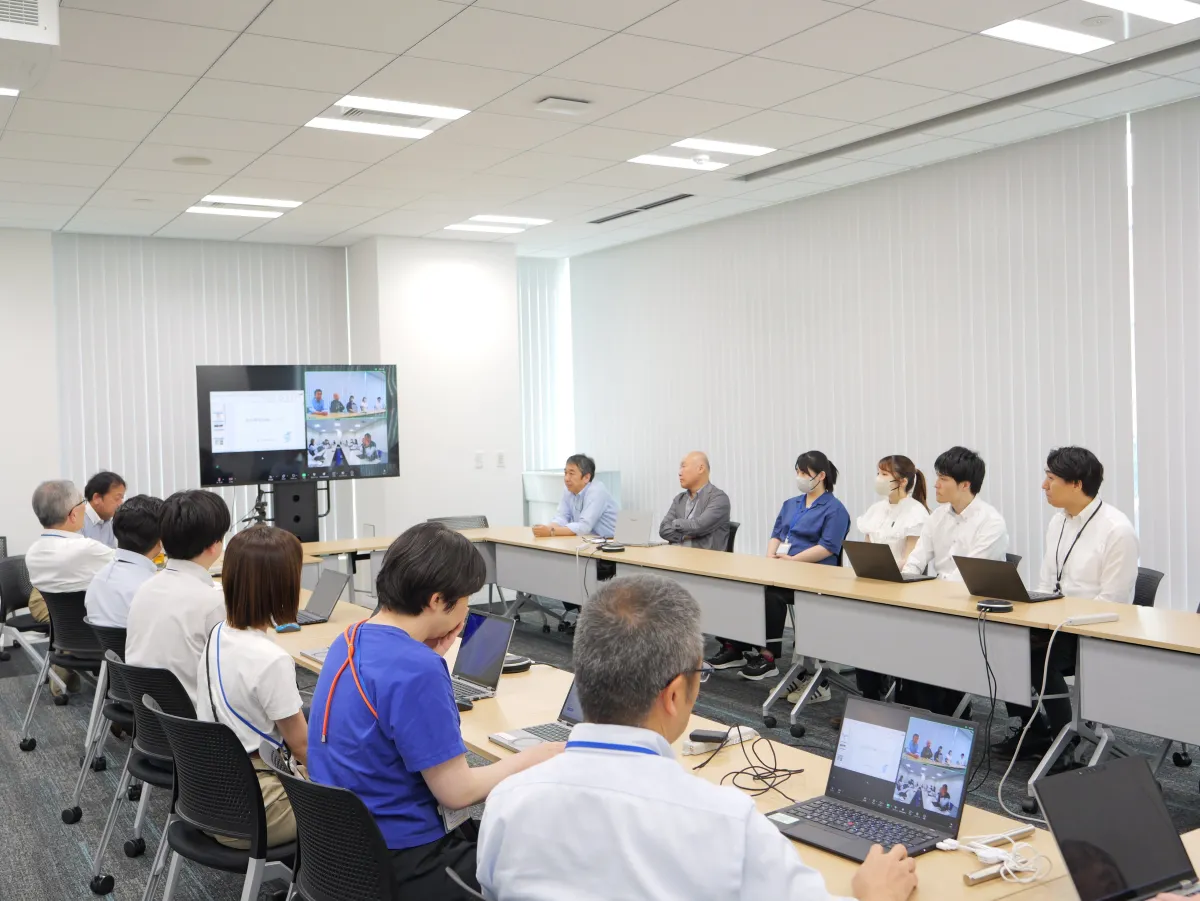
In a proactive response to the increasing awareness surrounding disaster readiness, Seed Company, a prominent contact lens manufacturer headquartered in Bunkyo, Tokyo, organized a comprehensive walking home training event on June 19, 2026. This initiative was structured to educate employees on safe return home procedures in scenarios where large-scale disasters render public transportation inoperable.
The Importance of Preparedness
Seed Company is committed to enhancing disaster preparedness through its Business Continuity Plan (BCP) project. This project includes regular evacuation drills, safety confirmation exercises for all employees, and the dissemination of vital disaster management information. Given the recent series of substantial earthquakes, employee awareness and preparedness have never been more crucial. The walking home training aimed at equipping employees with strategies to navigate potential hazards in the aftermath of a disaster while also alleviating overcrowding and ensuring that emergency services can operate unhindered.
Understanding Walking Home After a Disaster
During a disaster, the simultaneous movement of many individuals opting to return home can lead to secondary disasters, such as injuries from aftershocks and crowd-related incidents. To mitigate these risks, Seed advocates for a policy of “Delayed Return Home,” where employees are advised to remain at the company site for up to 72 hours. This approach prioritizes emergency vehicle movement and rescue operations. Additionally, the company has entered into an agreement with Bunkyo City to offer part of its facilities for temporary accommodation for those unable to return home. This initiative reinforces the company’s commitment to mutual assistance in times of crisis.
Training Details and Objectives
Participants in this training included representatives from different departments. Employees who lived nearby walked straight home, while those located farther away aimed to reach stations along their commuting routes within a two-hour timeframe. Before embarking on their journey, participants confirmed the following three critical points:
1. Verification of Designated Return Routes: The training was based on routes designated by the Tokyo government to assist evacuees returning on foot.
2. Knowledge of Temporary Accommodation: Participants were briefed on facilities where stranded commuters can seek refuge, including partnerships with local schools and government establishments.
3. Awareness of Support Stations: Participants learned of stores like convenience stores and restaurants that would provide essential services, such as restrooms and drinking water, during a disaster.
Day of the Training
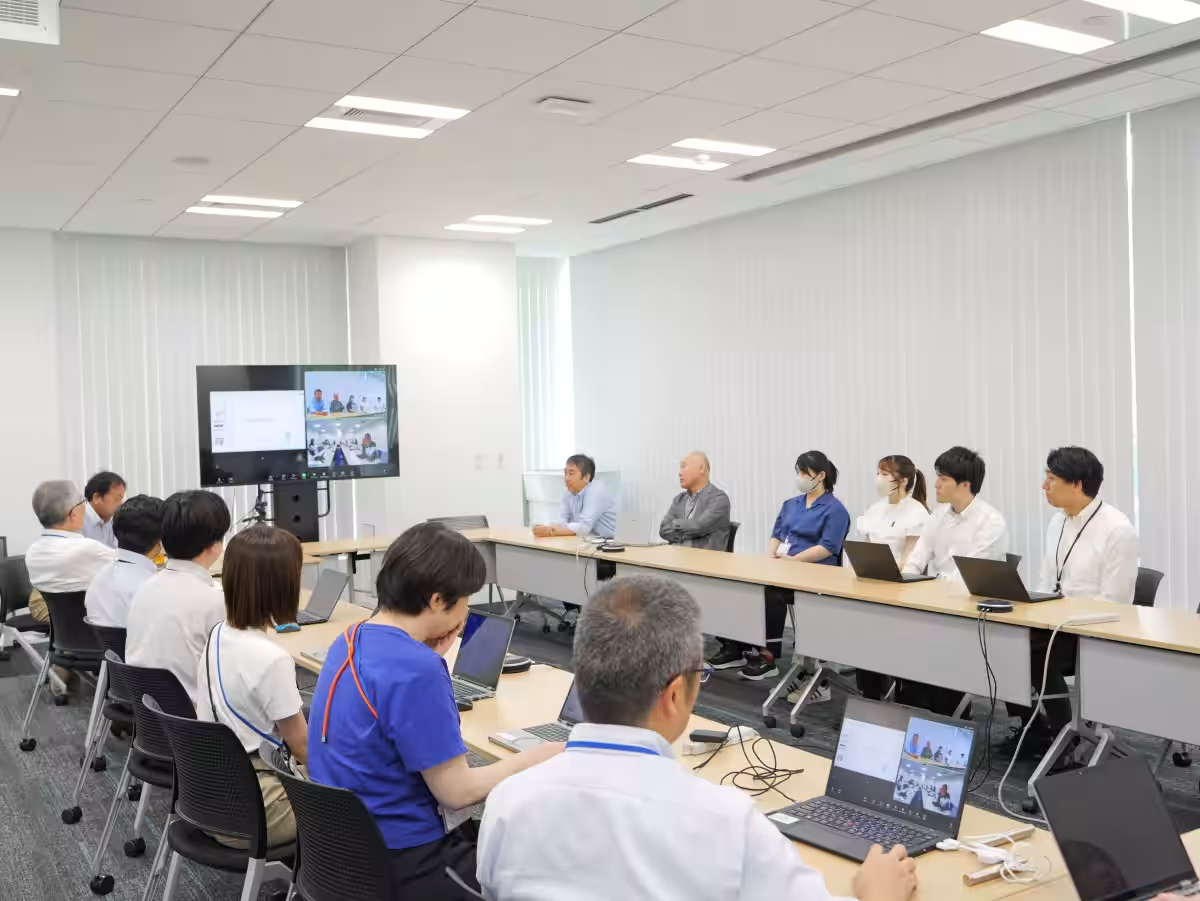
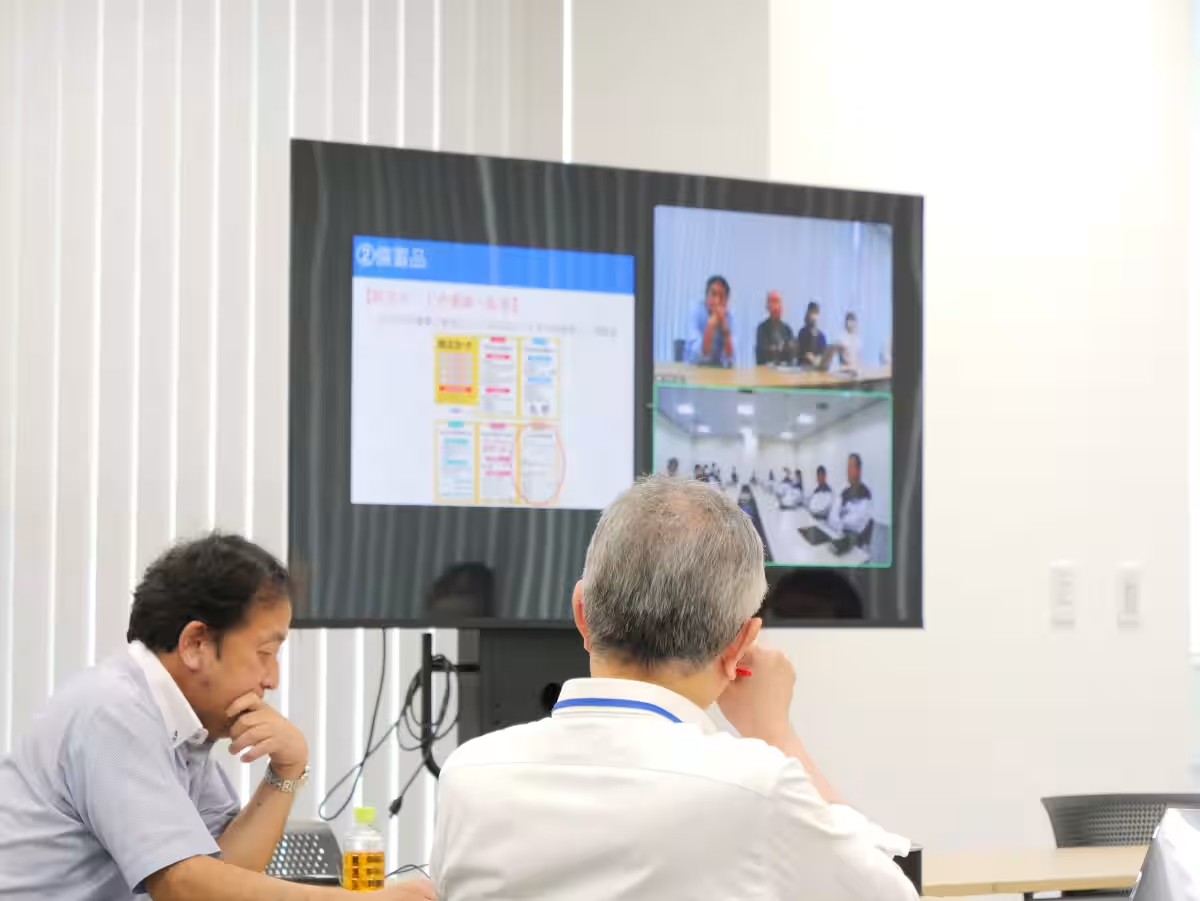
The day began with a gathering of BCP project members and participants, where a disaster management committee meeting was held. This meeting focused on sharing real disaster case studies, reporting on the company's disaster preparedness efforts, and confirming future action items. After reviewing the walking home training overview and routes, participants took to the streets to experience their return journey firsthand.
Furthermore, designated BCP personnel monitored online conditions at facilities beyond the main headquarters, ensuring comprehensive support was available.
Feedback from Participants
Employees who participated for the first time noted the training's significance. Comments reflected a newfound awareness of the road conditions and distances they typically overlooked. Many expressed the importance of planning their routes ahead of time, emphasizing that hands-on experience helped them better appreciate the challenges posed in a disaster scenario.
Comments from BCP Representatives
“It is vital to foster a mindset of preparedness and to visualize actions to take during a disaster. By walking their routes, employees identified hazardous areas and the locations of essential support facilities, which can significantly alter their level of comfort and security in an emergency,” said a BCP project representative. Seed Company pledges to continue practical training and provide necessary information, ensuring that every staff member is equipped to make informed decisions in times of crisis.
Promoting Awareness through 'Eye x Disaster Prevention'
As part of their ongoing education initiatives, Seed has launched the 'Eye x Disaster Prevention' campaign, highlighting the importance of disaster preparedness on their website. This program includes:
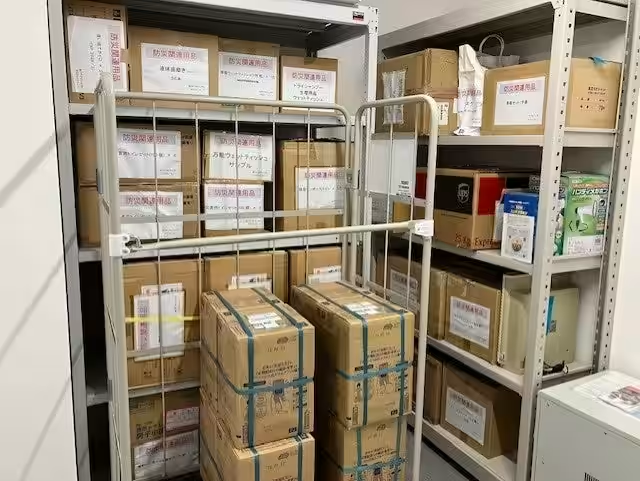
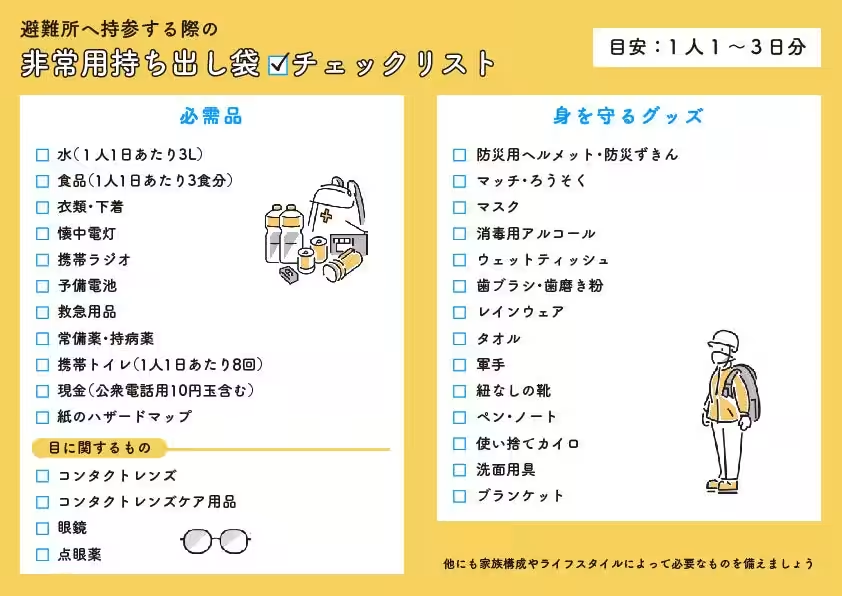
- - Preparing Emergency Go-Bags: Seed encourages employees to prepare go-bags for evacuation, emphasizing the importance of including items that would cater to specific needs, such as vision care.
- - Contact Lens Supplies: It is advisable to carry a one-to-two-week supply of contact lenses and related care products in evacuation bags to ensure hygiene and safety during prolonged crises.
About Seed Company
Founded in 1957, Seed Company has grown to be a leading contact lens manufacturer dedicated to providing a variety of lens solutions that cater to the diverse needs of consumers globally. Celebrating its 70th anniversary next year, Seed continues to innovate and expand its reach, servicing over 50 countries. For more information, visit Seed's official website or follow them on social media.


Topics Consumer Products & Retail)
【About Using Articles】
You can freely use the title and article content by linking to the page where the article is posted.
※ Images cannot be used.
【About Links】
Links are free to use.