



Exploring the Impact of AI on Recruitment Strategies in Modern Companies
The Evolution of Recruitment Strategies in the Age of AI
Introduction
In recent years, artificial intelligence (AI) has significantly transformed various industries, reshaping how businesses operate and interact with employees. Doda, a service operated by Persol Career, recently released a survey titled "Trends in AI Utilization and Human Resource Strategies", targeting HR personnel from larger companies employing over 500 individuals. This first part of their report sheds light on how AI technology impacts recruitment, desired skill sets, and the evolving expectations from young employees.
Key Findings of the Survey
Changes in Desired Candidate Profiles
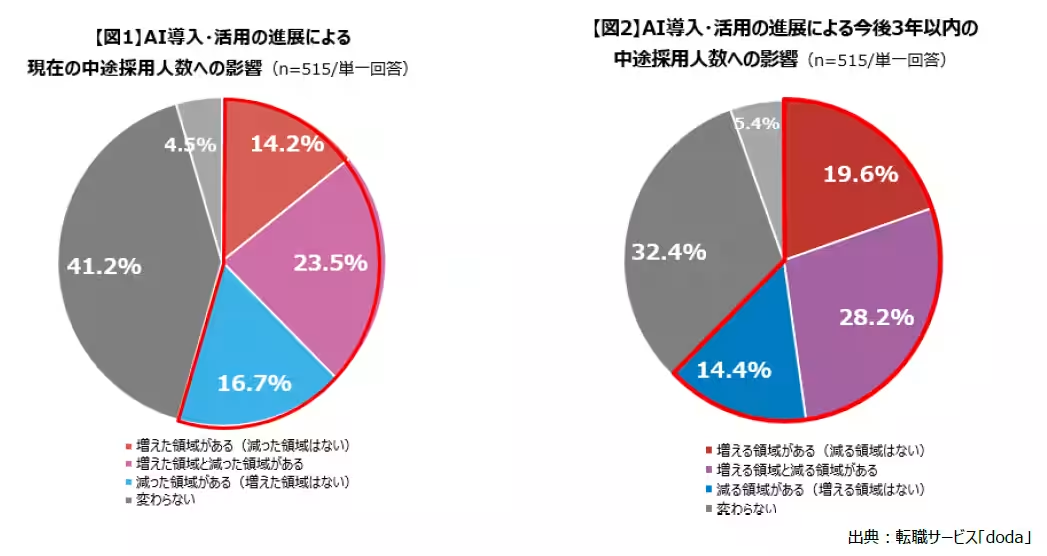
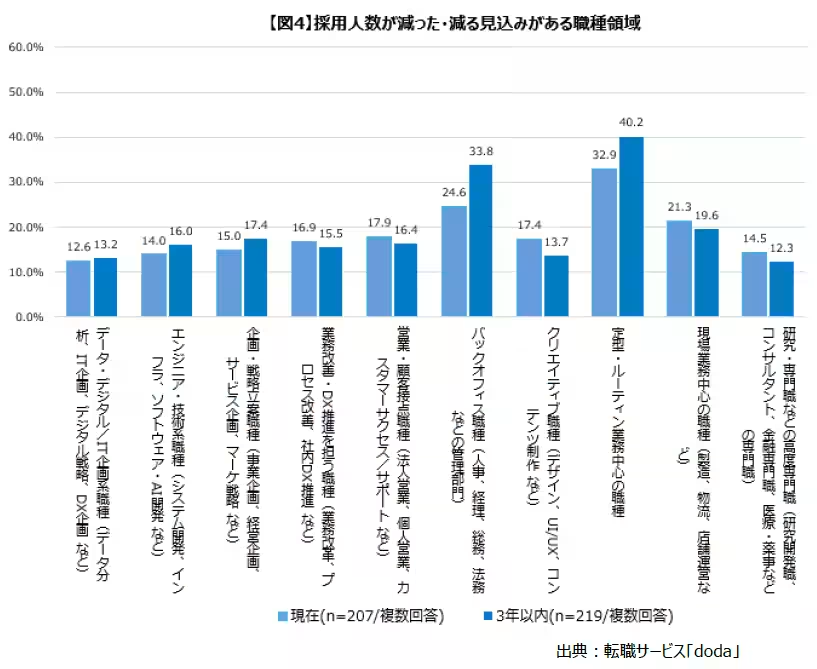
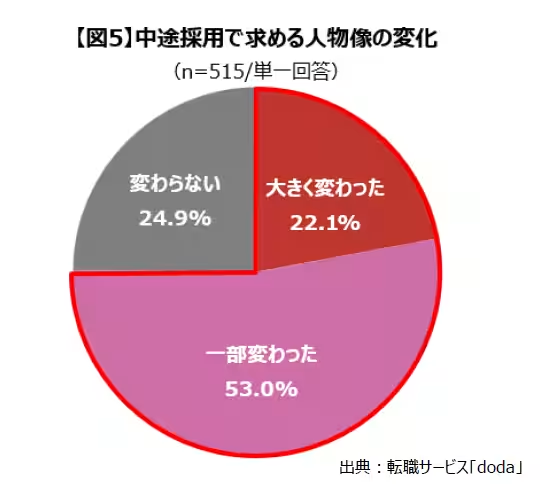
The survey results indicate marked changes in recruitment trends due to the integration of AI tools. More than half of the surveyed companies acknowledged changes in their mid-career recruitment numbers, and about 60% anticipate shifts in the next three years.
Increasing Demand for Technical Roles
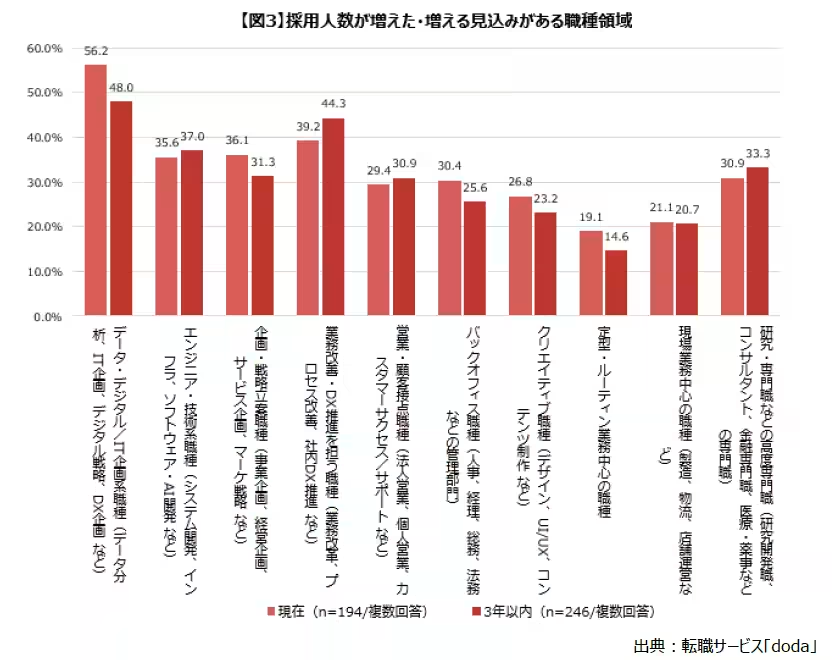
The most pronounced growth has been in the areas of data, digital, and IT planning roles. Companies are increasingly looking for candidates who are not only adept at using AI tools but who can also navigate the evolving technological landscape. Conversely, roles characterized by routine tasks are facing a decline as companies raise concerns regarding the use of AI in these positions.
Evolution of Job Expectations for Young Employees
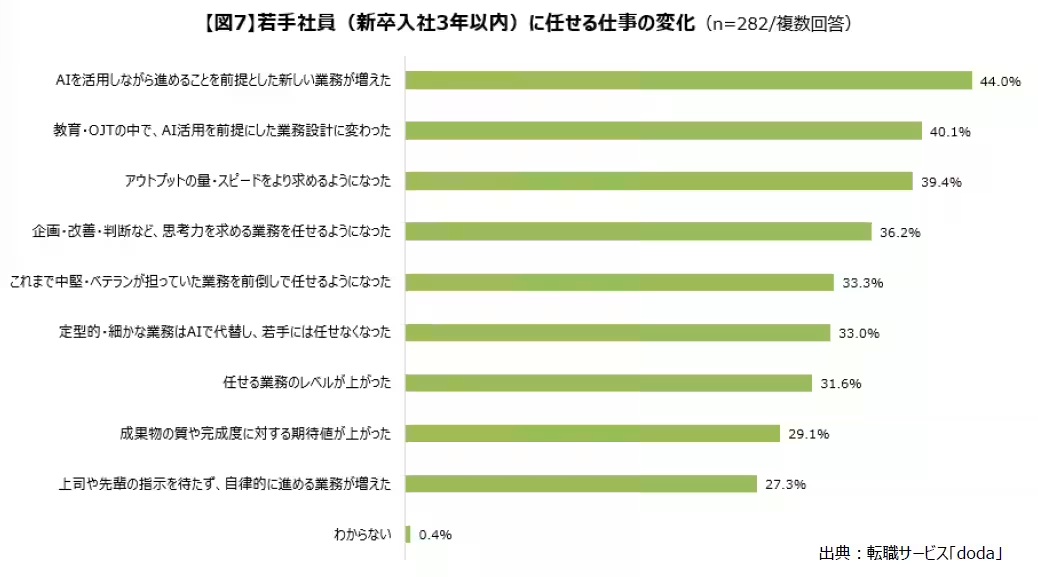
The survey highlights that nearly half of the responding companies (54.8%) have seen a change in the tasks assigned to young employees—those within three years of graduation. Many reported an increase in responsibilities that are heavily reliant on AI and demanded greater output in terms of speed and quality.
Concerns Surrounding AI Integration
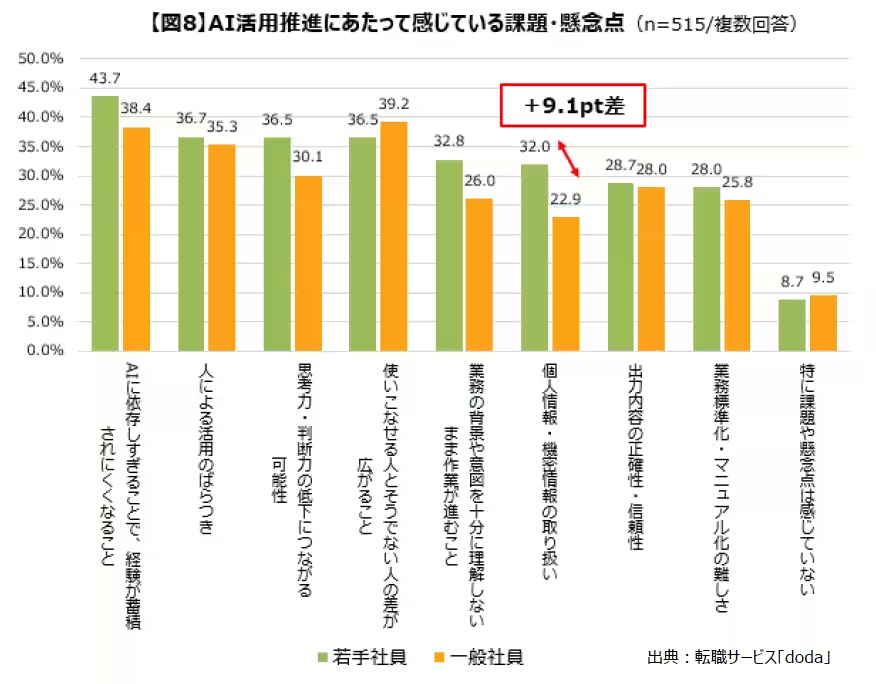
While AI enhances productivity, the survey also brought to light significant concerns among employers. Many are wary of over-reliance on AI leading to a deterioration in accumulated experience among staff, particularly younger employees. Specific fears include inadequate handling of sensitive information and possible reductions in analytical thinking skills.
Analysis by Doda's Editor
Doda's Editor-in-Chief, Takafumi Sakurai, elaborated on the results, noting two major trends: the evolving nature of roles sought after in recruitment processes and shifting expectations from young professionals. With AI becoming a core component of many job functions, companies are updating their ideal candidate profiles to prioritize those who can efficiently utilize AI for technological and operational advancements
Skills of the Future
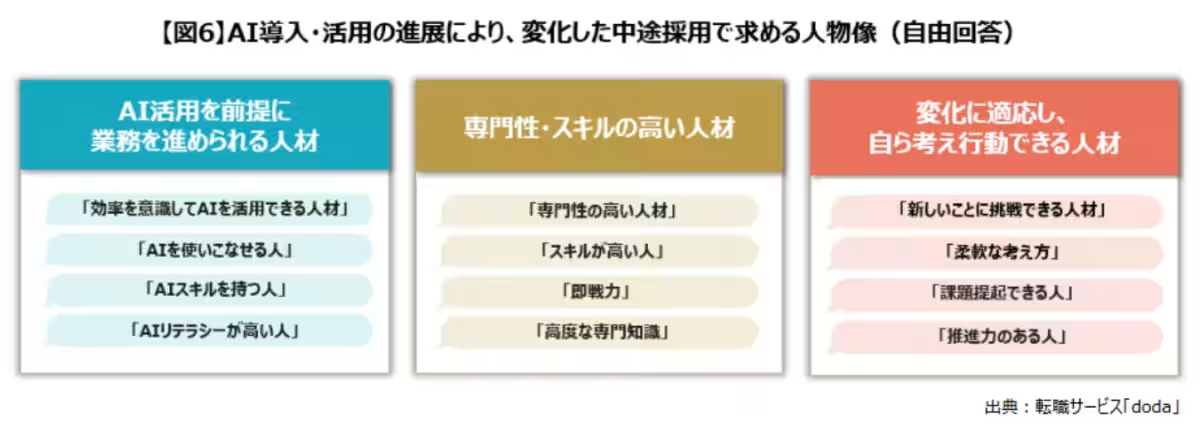
The companies surveyed reported an increasing urgency for candidates proficient in AI, emphasizing the need for adaptive thinking and problem-solving skills. The push is particularly strong for employees who can thrive in fast-paced environments where technology is seamlessly integrated into daily operations.
Moreover, there is a calls for professionals who possess unique skill sets that are less likely to be usurped by automated systems. Clearly, employers are on the lookout for innovative thinkers who can embrace change rather than default to traditional methods.
Preparing for the Future of Work
As we navigate through these changes, it is evident that job seekers must not only demonstrate knowledge of AI tools but must also be prepared to showcase their accomplishments and the value they can bring to potential employers. The ability to adapt and learn continuously will be pivotal.
Employers and job seekers alike should start fostering a mindset that embraces AI as an augmentation to human capability rather than a replacement. The future will demand collaborative effort between human creativity and AI efficiency—creating a new paradigm of working that champions innovation and flexibility.
Looking Ahead
Doda's report is just the beginning of a deeper exploration into how AI shapes recruitment strategies and employee expectations in a rapidly evolving job landscape. With an upcoming second report titled “AI Implementation and Workforce Development” set to release in April, the conversation around AI and its implications for recruiting will only grow, underscoring its essential role in modern employment practices.
Conclusion
It’s clear that the integration of AI into recruitment processes creates both opportunities and challenges. As the landscape of work transforms, organizations that adapt quickly to these changes—by redefining expectations and supporting their employees through this transition—will likely be the ones to succeed in the new AI-dominant work environment. The call for flexibility, innovation, and adaptability in the workforce has never been greater, highlighting the critical need for continuous learning and growth.

Topics Business Technology)

【About Using Articles】
You can freely use the title and article content by linking to the page where the article is posted.
※ Images cannot be used.
【About Links】
Links are free to use.