



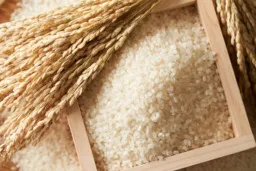
Relaxation of Quarantine Conditions for Japanese Rice Export to Brazil
Quarantine Condition Changes for Japanese Rice Export to Brazil
In a significant development for the agricultural sector, the Japanese Ministry of Agriculture, Forestry and Fisheries has successfully negotiated with Brazilian plant quarantine authorities to relax the phytosanitary conditions for exporting Japanese rice to Brazil. Previously, exporters were required to perform pre-shipment fumigation using aluminum phosphide to prevent pest infiltration. However, the newly established agreement states that this fumigation process is no longer necessary.
Background
Japan has long been exporting rice to Brazil, but maintaining pest-free status has been a challenge, requiring stringent measures such as fumigation before shipment. The Ministry of Agriculture asserted that through technical discussions with Brazilian authorities, it was established that rice processed in Japanese mills poses a minimal risk for pest entry. Consequently, the Ministry sought to eliminate unnecessary barriers for exporters, especially small and medium-sized enterprises involved in this trade.
Key Quarantine Conditions
Under the new guidelines, there are a few essential phytosanitary conditions that must be met for the export of Japanese rice:
- - Pre-export Inspection: All rice destined for Brazil must pass an inspection in Japan, confirming the absence of specific quarantine pests and diseases that Brazil designates.
- - Compliance with Brazilian Standards: Exporters must comply with Brazilian regulations to ensure quality and safety. This includes maintaining proper documentation and quality assurance practices throughout the transport process.
This change not only lowers the burden on exporters but also enhances the competitiveness of Japanese rice in the Brazilian market, where demand for high-quality agricultural products is rising.
Benefits of the New Regulations
1. Cost Reduction: Exporters can save on fumigation costs, streamlining operations and making Japanese rice more appealing to Brazilian importers.
2. Simplified Processes: With fewer steps to navigate, exporters can respond more agilely to market demands, potentially leading to increased trade volumes.
3. Greater Market Access: By easing restrictions, Japan strengthens its agricultural presence in Brazil, which is a rapidly growing market for imported food products.
Call for Interest
For those considering exporting Japanese rice to Brazil, it’s essential to engage with local plant protection offices to ensure full compliance with the updated regulations. The Ministry has made resources available for exporters, including contact information and guidance on inspection procedures.
You can find more details on the plant protection office’s website: Plant Protection Office.
This development marks a positive step forward in international agricultural trade, illustrating the potential of bilateral cooperation in allowing for smoother and more efficient exchange of products across borders. Moving ahead, it remains crucial for stakeholders in both Japan and Brazil to maintain communication and uphold standards that ensure the safety and quality of agricultural exports.
In conclusion, the removal of pre-export fumigation requirements represents a milestone for Japanese rice exporters, fostering international trade and cooperation between Japan and Brazil. As we look forward to seeing increased shipments, exporters are encouraged to conduct thorough research and remain informed about any further regulatory changes.
Topics Consumer Products & Retail)
【About Using Articles】
You can freely use the title and article content by linking to the page where the article is posted.
※ Images cannot be used.
【About Links】
Links are free to use.