


Resort Work Population Report: Insights into Non-Local Employment Trends for 2026 Summer
Overview of Non-Local Employment Trends
In the recently published "Relationship Population Station Report for Summer 2026" by Dive Group, a notable trend has emerged regarding resort workers. A staggering 87.2% of those employed in resorts are working in areas outside of their registered prefectures. This report consolidates employment data from July to September 2026 and indicates a growing engagement of workers with regions different from their place of residence.
Background of the Study
The impetus for this research stems from a broader initiative to visualize the "relationship population," individuals continuously engaging with regions outside their residence. Notably, the Ministry of Internal Affairs and Communications announced guidelines for the "Hometown Resident Registration System" in March 2026, paving the way for its implementation within the fiscal year. Resort work, characterized by temporary employment in hotels and tourist facilities, allows individuals to immerse themselves in different locales while building relationships through contract extensions or repeat employment.
Key Findings from the Report
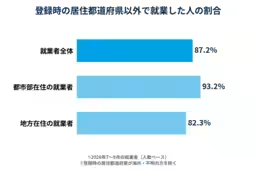
1. High Percentage of Non-Local Employment: Among domestic workers, 87.2% are employed outside their registered prefectures. In urban areas, this percentage escalates to 93.2%, while rural dwellers also show significant engagement at 82.3%. This suggests that the model of resort work serves as a gateway for continued involvement in unfamiliar regions.
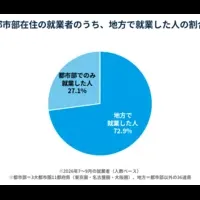
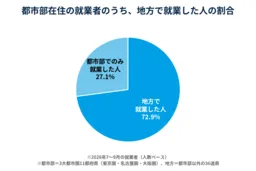
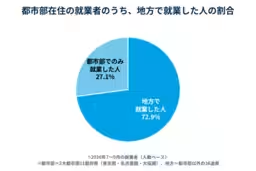
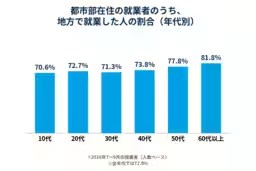
2. Urban Residents' Engagement in Rural Jobs: A detailed analysis reveals that 72.9% of urban residents engaged in employment opportunities are working in rural settings. Age-wise, this trend remains consistent, with over 70% participation from the teenage to the elderly demographic.
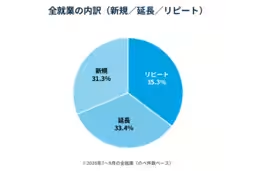
3. Repeat and Extended Employment Opportunities: Surprisingly, 68.7% of the total employment consists of extensions or repeat contracts. Specifically, repeat employment accounts for 35.3% while extensions constitute 33.4%, indicating a preference for ongoing work in familiar environments.
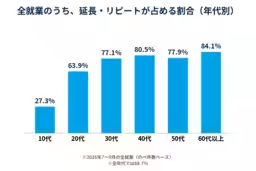
4. Age-Dependent Employment Patterns: Those in their 30s and older exhibit a strong trend towards extending or re-signing contracts, with percentages reaching as high as 84.1% for those over 60. Comparatively, younger workers show lower rates of repeat engagement, indicating a potential generational gap in job stability.
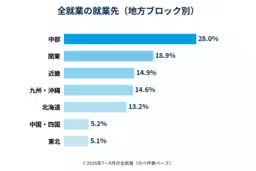
5. Regional Employment Distribution: The report notes that the Chubu region is the most popular choice for employment, drawing 28% of the workforce, followed by Kanto at 18.9%, and Kinki at 14.9%. This reflects a diverse range of job opportunities across Japan.
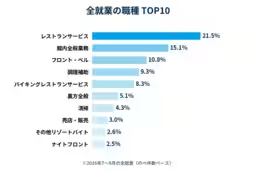
6. Popular Roles in Resort Employment: The most common job type in the resort industry is restaurant service, accounting for 21.5% of roles available, followed by general facility operations and front desk services.
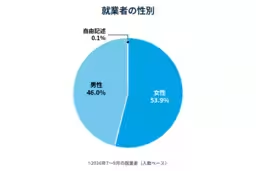
7. Gender Demographics of Resort Workers: Employment within the resort sector also highlights a gender distribution, with 53.9% female and 46.0% male employees.
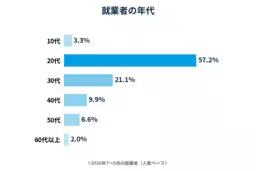
8. Age Distribution: The youth dominate the workforce, with individuals in their 20s representing 57.2%, while the rest of the age groups remain significantly lower.
Conclusion and Future Reports
This comprehensive report will serve as a biannual assessment, collecting data not only during the summer but also during winter, allowing for continuous monitoring of employment trends and regional engagement. The 2026 Summer Report from Dive Group establishes a clear understanding of how resort work contributes significantly to the relationship population concept, providing unique insights into employment practices and engagement across regions.
Note: For references or quotations, please credit Dive Group.
Topics Consumer Products & Retail)


【About Using Articles】
You can freely use the title and article content by linking to the page where the article is posted.
※ Images cannot be used.
【About Links】
Links are free to use.