



New Support Program to Enhance Women's Health Initiatives in Companies
Tackling Women's Health Challenges in the Workplace
Fractal Workout, located in the vibrant area of Shibuya, Tokyo, has launched a groundbreaking program called "Company Awareness and Penetration Support". This initiative is focused on addressing women's health challenges in corporate environments by streamlining the approach and ensuring that health policies resonate with employees. In this article, we discuss essential strategies for promoting health initiatives effectively in workplaces where awareness does not necessarily translate to usage, with insights from health management advisors and public health nurses.
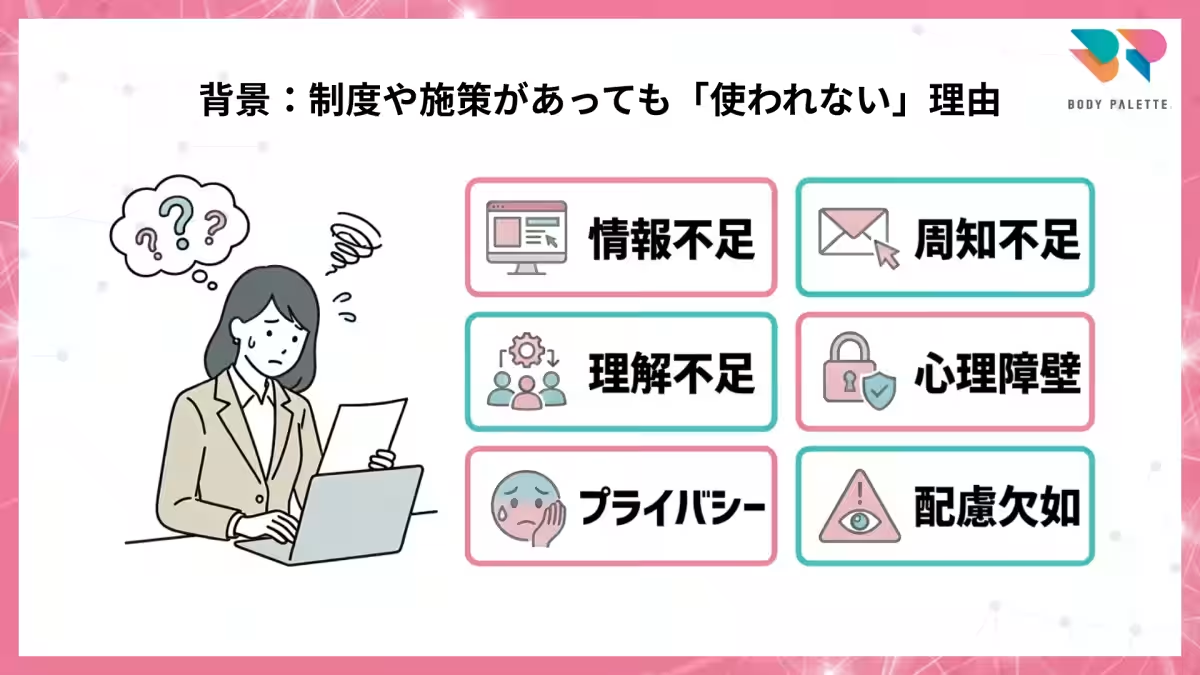
The Problem of Underutilization
Although health measures may be well-documented and available, simply having them in place does not guarantee their adoption. It's not uncommon for companies to promote wellness programs through internal portals, emails, and training sessions without seeing a corresponding increase in utilization. Women’s health issues, often sensitive in nature, can present unique barriers. If communication isn’t handled sensitively, potential participants may hold back due to fears of judgment or privacy infringement, hindering their willingness to engage with these programs.
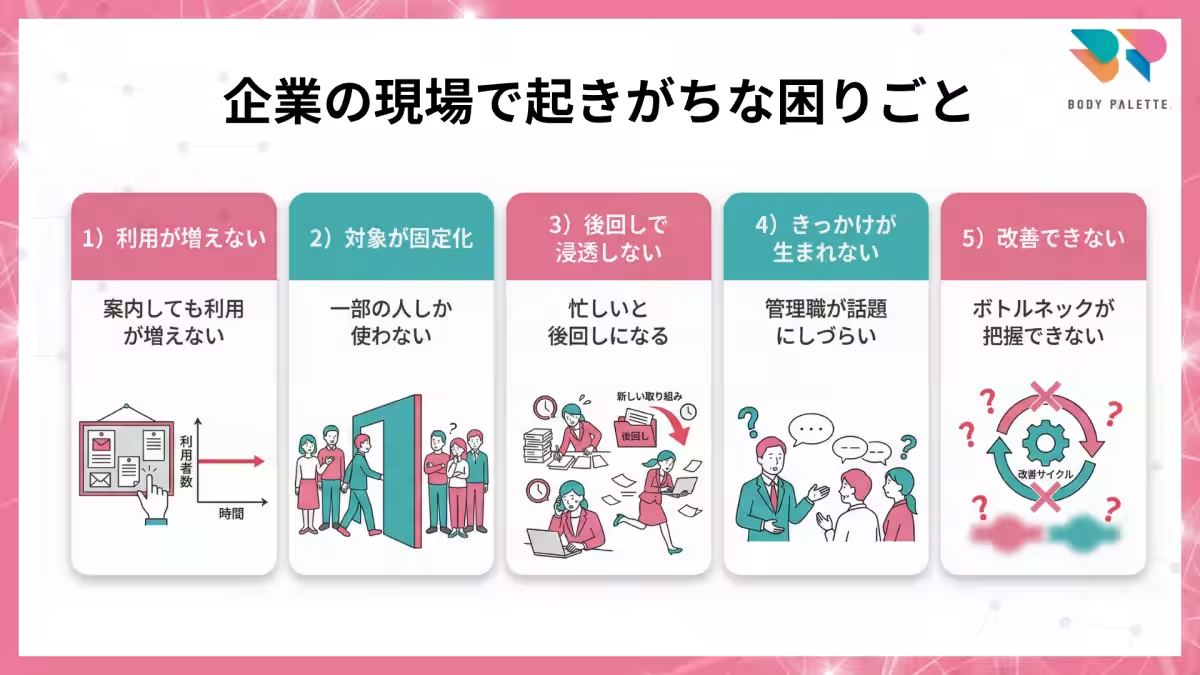
Common Workplace Challenges
In workplaces where awareness does not lead to increased usage, several issues tend to arise:
- - Lack of Engagement: Even if programs are promoted, few employees choose to utilize them.
- - Limited Participation: Often, only a small, fixed group of individuals will take advantage of the available health services.
- - Delayed Adoption: As workloads increase, health initiatives become less prioritized, leading to poor implementation.
- - Inhibited Discussions: Management may find it uncomfortable to address employee health topics, stifling engagement.
- - Data Gaps: HR and administrative teams may struggle to identify bottlenecks, which prevents necessary improvements from being made.
Key Areas for HR and Administration to Address
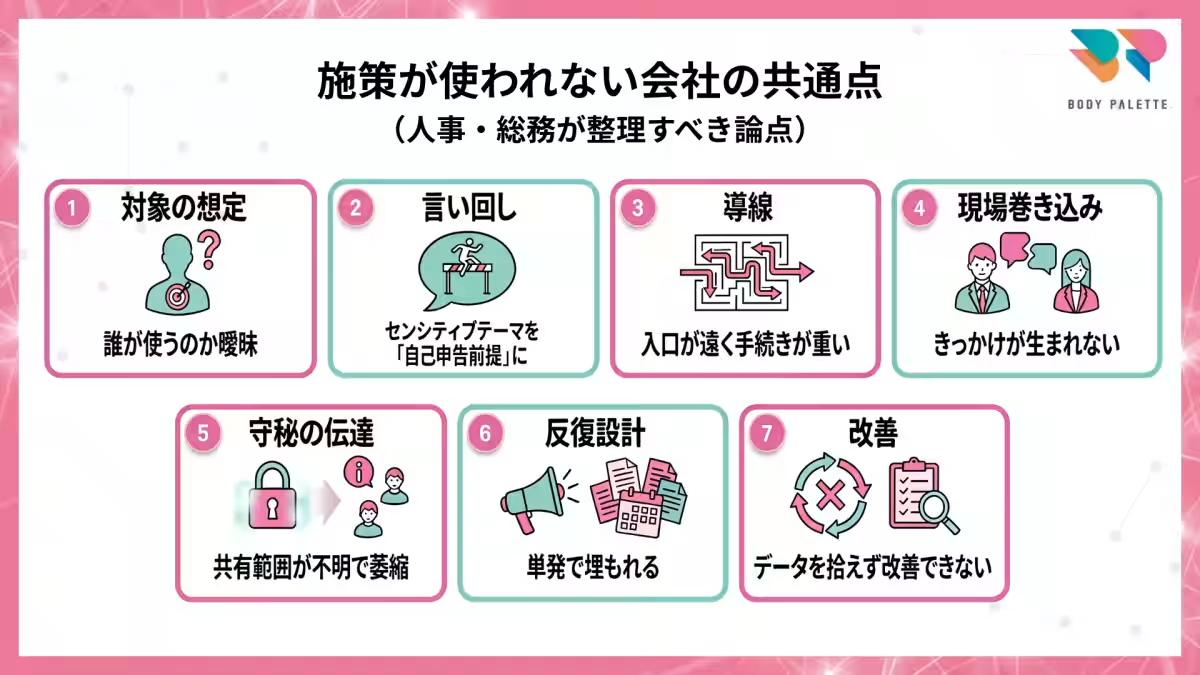
The underlying reasons for the low usage of health programs often stem from poorly organized approaches rather than the programs themselves. To ensure effectiveness, HR and administrative leaders must focus on the following points:
- - Target Audience Consideration: Understanding who needs the services, in what scenarios, and what challenges they face is critical for effective deployment.
- - Communication Style: When addressing sensitive topics, relying heavily on self-reporting can elevate psychological barriers.
- - Accessibility: Services should be easy to find, with straightforward procedures and a manageable number of options.
- - Employee Engagement: When management does not address these topics, it becomes difficult for employees to initiate discussions.
- - Privacy Assurance: Employees must feel confident about who will have access to their data to encourage use.
- - Sustained Awareness: Health programs should not just end after initial communication; they need ongoing promotion to avoid being overlooked during busy periods.
- - Continuous Improvement: Collecting user feedback and data is essential for refining health initiatives.
What This Article Will Cover
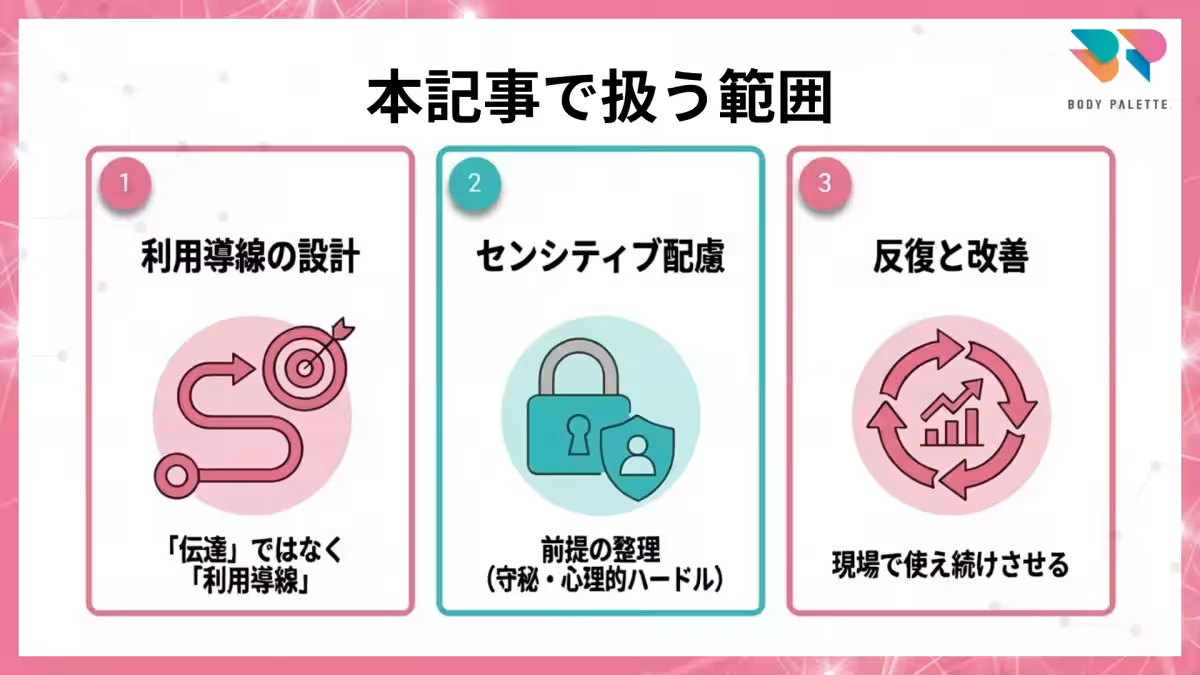
This article does not present templates for communication materials or checklists, but instead offers a framework for companies to enhance awareness and utilization of health initiatives. We will explore:
- - Designing communication to create effective pathways to usage rather than merely delivering information.
- - Addressing sensitive topics with a focus on confidentiality and overcoming psychological barriers.
- - Ensuring ongoing engagement and refinement to create lasting value within the organization.
The Role of the Support Program
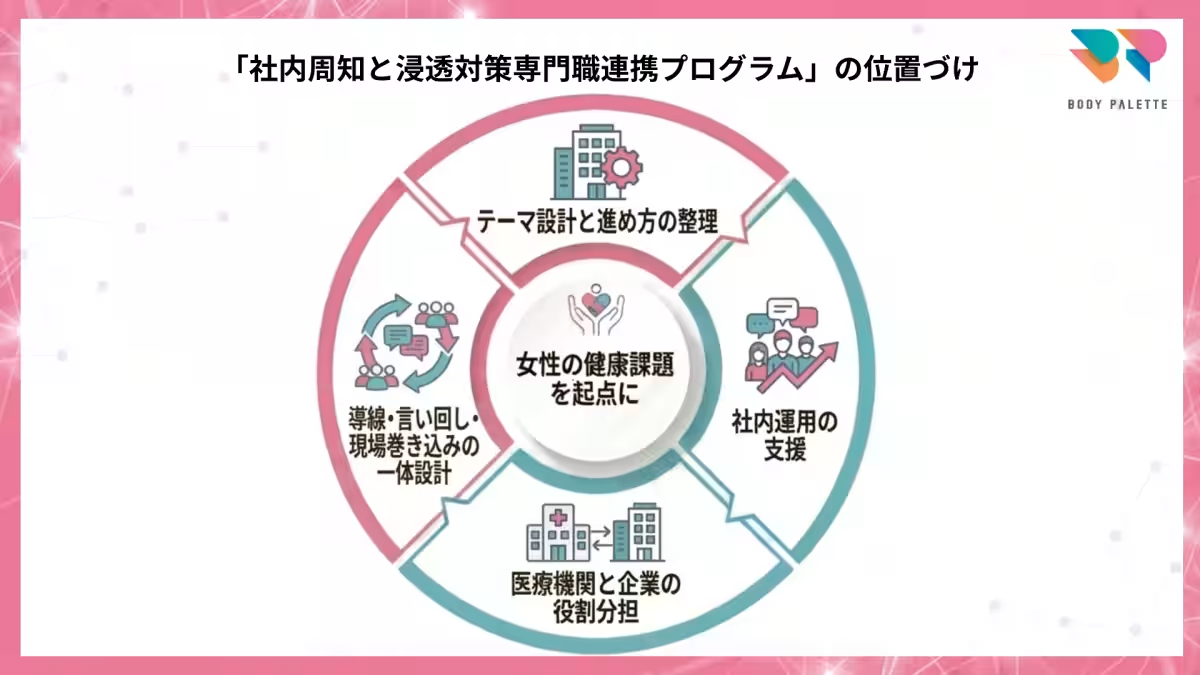
The newly launched program aims to ensure that women's health initiatives match the unique needs of each organization by assisting in effective communication and implementation. The goal is to create an environment where health promotion goes beyond mere messaging, incorporating comprehensive pathways, inclusive language, and constructive employee involvement. Importantly, our role does not extend to medical diagnosis or treatment; that lies within healthcare institutions, while we focus on operational design and application.
Collaboration Between Health Advisors and Nurses
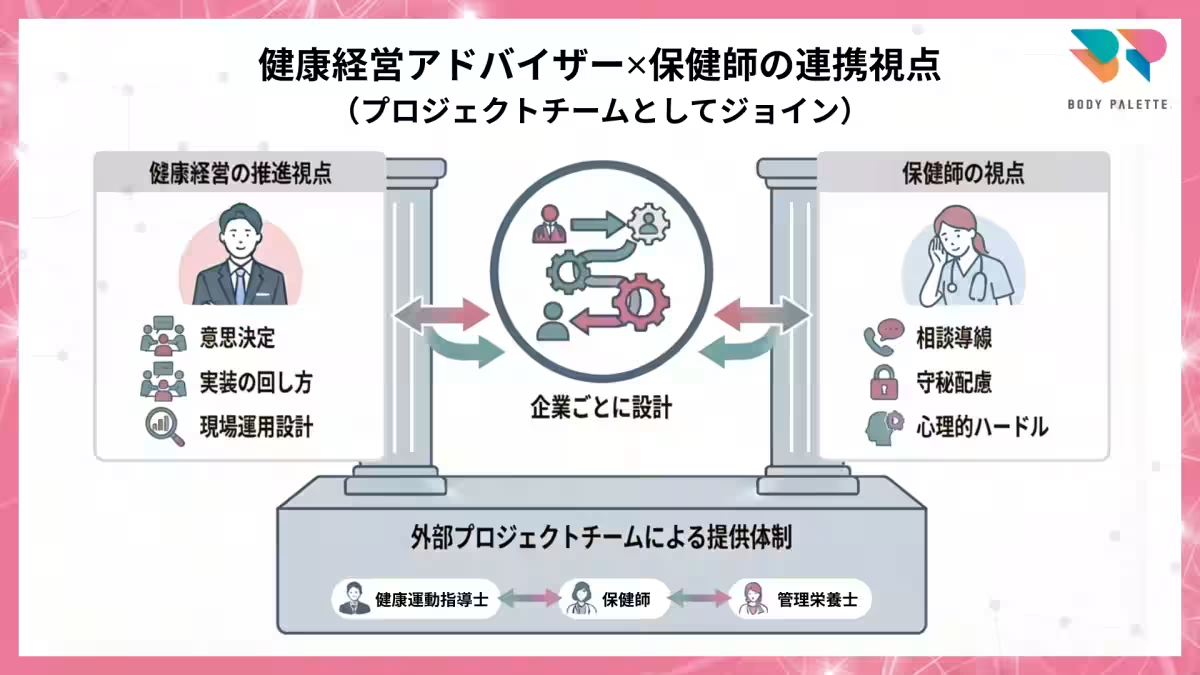
Effective communication about health initiatives should not be limited to mere public relations work; it requires thoughtful planning to foster long-term cultivation of these programs. By combining perspectives from health management advisors and public health professionals, it is crucial to design the initiatives suited to every individual company. Our team, composed of health instructors, nutritionists, and public health nurses, is prepared to step in as an external project team, even in companies without dedicated internal teams.
Ideal Candidates for This Program
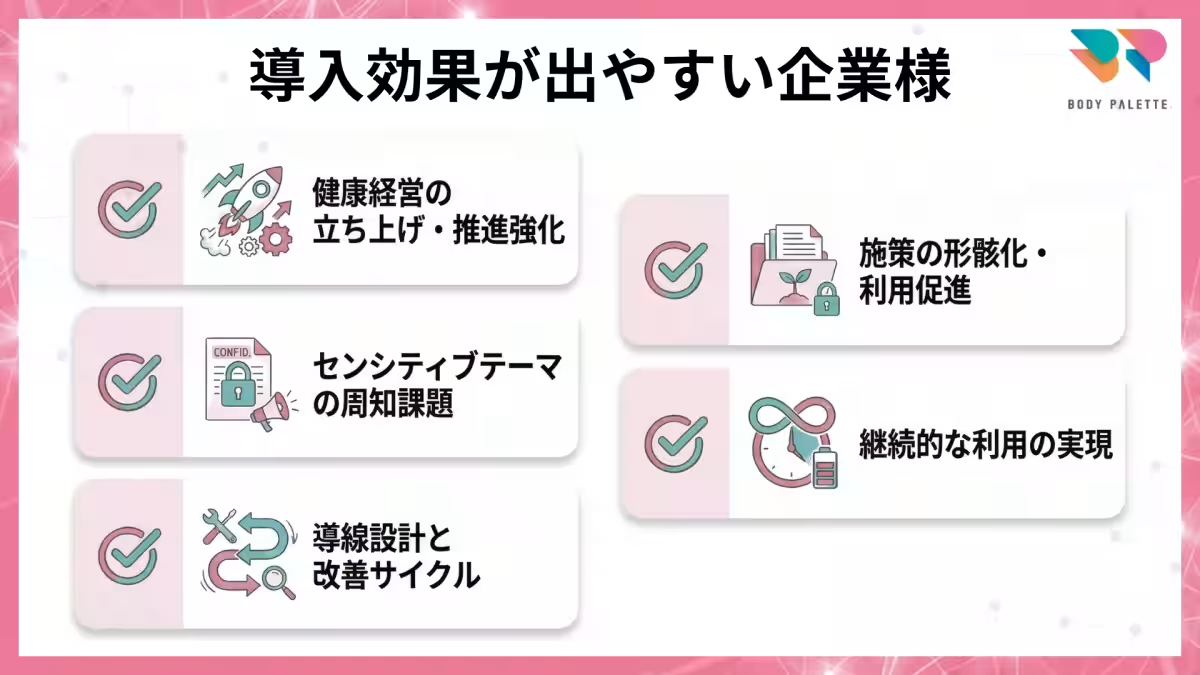
This program is well-suited for organizations that aim to:
- - Launch or enhance their health initiatives.
- - Address existing programs that are underutilized and stagnating.
- - Navigate the complexities of communicating about sensitive health themes.
- - Ensure their messaging does not get lost during busy periods, promoting continued engagement.
- - Establish effective pathways and feedback loops for continuous improvement.
Contact Information
To improve your company’s health initiative communication and implementation, connect with us for a tailored assessment of your current situation and support in designing next steps. For more information, please reach out via:
- - Phone: 0120-107-125
- - Email: [email protected]
Company Overview
- - Company Name: Fractal Workout Inc.
- - Location: 1-14-34 Jingumae, Shibuya, Tokyo, 4F, Harajuku Jingu no Mori
- - CEO: Masahiro Takase
- - Founded: April 1, 2020
- - Capital: ¥50 million
- - Business: Fitness Services
- - Website: Fractal Workout
We are looking to partner with businesses interested in health management and human capital. Get in touch if you would like to join us in promoting workplace wellness!
Topics Health)
【About Using Articles】
You can freely use the title and article content by linking to the page where the article is posted.
※ Images cannot be used.
【About Links】
Links are free to use.