



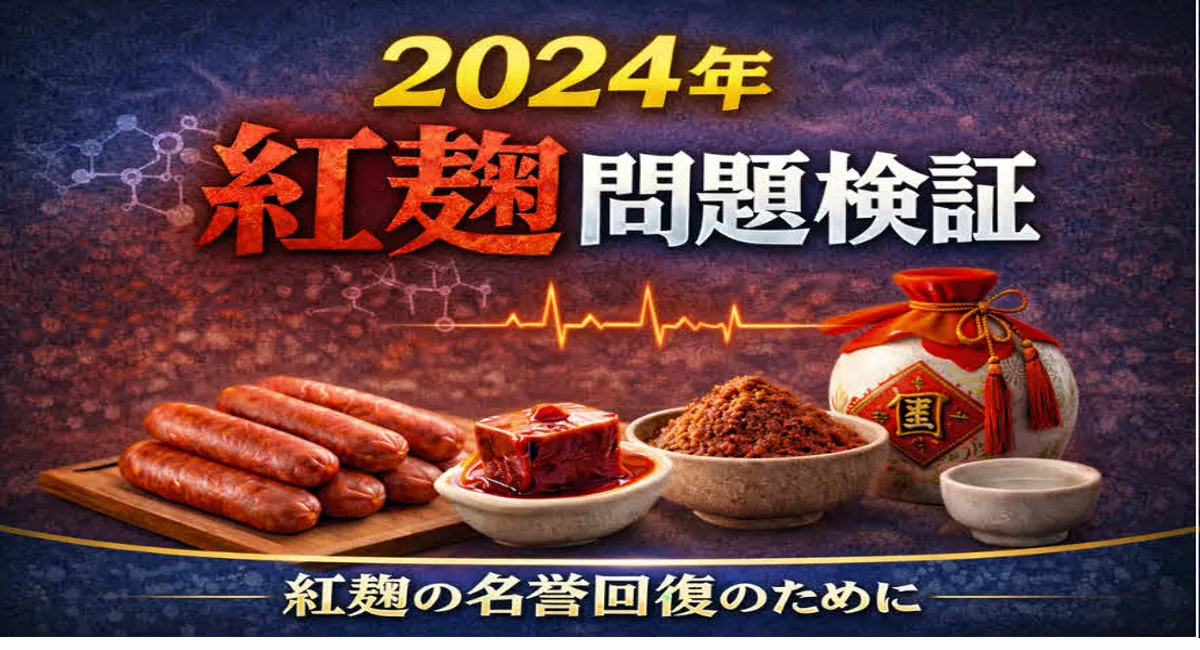
Kobayashi Pharmaceutical Red Yeast Incident: A Closer Look at OSAKA's Unique Responses
Overview of the Kobayashi Pharmaceutical Incident
The Kobayashi Pharmaceutical red yeast case has taken a new turn following the submission of a "confirmation letter" to the Osaka City Health Bureau on August 16, 2023, by the Kounsei Club Co., Ltd., based in Okayama. This letter seeks to clarify several points regarding earlier statements made by the health bureau after the red yeast incident became public.
Background of the Incident
In previous reports, particularly one that highlighted five peculiar responses from the Osaka City Health Bureau, there have been growing concerns about the transparency and accuracy of the findings related to the blue mold (Penicillium adametzioides) that was identified at the former Osaka factory. The confirmation letter includes three major queries directed at the Health Bureau to validate the interpretation of their statements and documents concerning the detected blue mold and the source of the contamination.
Key Aspects of the Confirmation Letter
The confirmation letter outlines several crucial points:
1. Official Inspection Results: It asks whether the official report confirming the inspection results, dated six months after the initial announcement on December 4, 2023, is accurate.
2. Undocumented Communication: There was a statement indicating that communication supporting the findings was conducted via phone, yet there are no records of this call.
3. Source of the Mold: The blue mold samples were provided by Kobayashi Pharmaceutical rather than being collected by the authorities themselves. The date of this transfer occurred after the initial public announcement.
Reports and Progress Updates
The document titled "Progress on Identifying Causes" reveals that the Osaka Health and Safety Foundation had identified the blue mold through genetic testing. It emphasizes that the correspondence implies a relationship between the blue mold and the production of a substance known as puberulinic acid. However, the maturity of this research hinges significantly on the proper identification of the specific strain that produces this compound.
The Gap between Announcement and Testing
There exists a curious gap of approximately six months between the public announcement made on May 29, 2023, and the formal testing report released on December 4, 2023. During this lull, the Osaka Health Bureau indicated they had received prior notification from the Osaka Health Foundation, yet they admitted there were no records of the date, content, or the parties involved in the communication.
The Nature of the Mold Samples
One major point of contention is the procurement method for the blue mold samples. Generally, governmental inspections involve specimens collected by health authorities, ensuring a standard protocol is followed. However, in this case, the samples were voluntarily provided by Kobayashi Pharmaceutical after the relevant public announcement was made, raising questions about the credibility of the initial claims.
The Question of Identification and Production
Perhaps the most critical aspect is the inquiry into the reliability of linking a given strain to the production of specific substances. The Osaka Health Bureau has confirmed the identification of the mold as derived from a genetic test; however, these identifications are often provisional and contingent on strict scientific methodologies. The production of substances by any given strain cannot be assumed merely based on genus and requires confirmation at the strain level.
Conclusion and Next Steps
As the Kounsei Club awaits a response from the Osaka City Health Bureau regarding the queries outlined in their confirmation letter, the inconsistencies and gaps in the initial findings of the Kobayashi Pharmaceutical incident continue to provoke significant scrutiny. The case emphasizes the need for clarity and precision in health-related disclosures, especially when public health is at stake. The ramifications of these findings will likely shape the approach to food safety and regulatory transparency in Japan going forward.
Topics Consumer Products & Retail)
【About Using Articles】
You can freely use the title and article content by linking to the page where the article is posted.
※ Images cannot be used.
【About Links】
Links are free to use.