




Engagement Report: Young Employees' Pride and Its Decline Over Tenure
Overview of the Research
In a recent survey conducted by ALL DIFFERENT Corporation and the Learning Innovation Research Institute, findings reveal intriguing insights into young employees' engagement with their workplaces. Surveying 1,793 employees within their first four years of professional experience, the research aimed to understand their feelings of pride, attachment, and contribution to their organizations. This exploration of employee engagement is particularly vital as businesses increasingly emphasize talent development and engagement for sustainable growth.
Background of the Study
As companies navigate changing work conditions and business landscapes, a key focus has emerged on cultivating employee engagement. The commitment and passion that new employees demonstrate toward their organizations can significantly influence the overall vitality and productivity of a business. However, young professionals often face various challenges as they integrate into the workplace, leading to diminished motivation to contribute and an increase in turnover intentions.
Survey Results: Pride in the Workplace
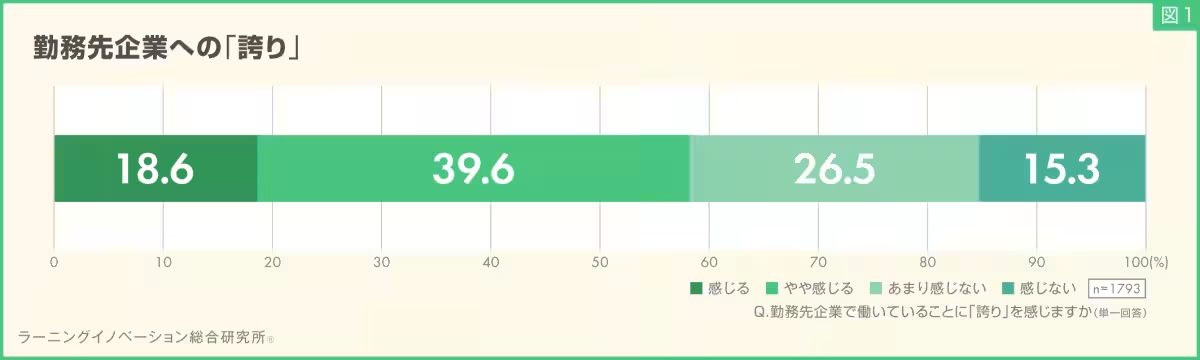
Key statistics from the survey indicate that a substantial 58.2% of young employees feel a sense of pride in their workplace. Specifically, 18.6% reported feeling very proud, while 39.6% felt somewhat proud. Although the initial figures are promising, a concerning trend emerged: the sense of pride decreases with tenure.
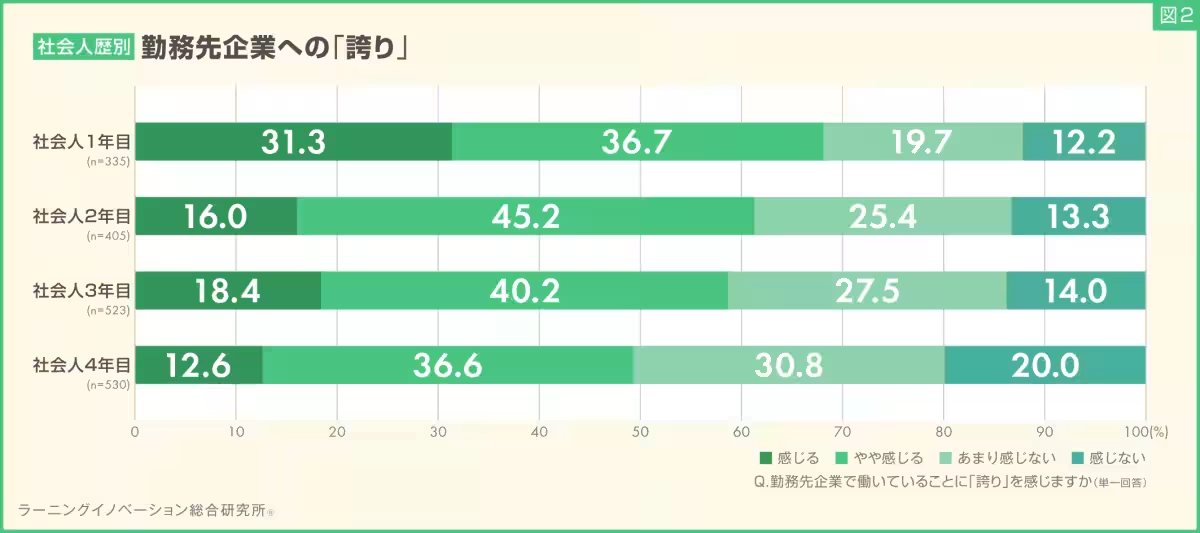
- - In the first year, 68% expressed pride in their company; this drops to 61.2% in year two, 58.6% in year three, and plummets to 49.2% by year four.
This decline suggests that as employees become more acquainted with company operations, culture, and leadership, their perception of pride wanes, raising important questions about employee engagement strategies.
Correlation between Pride and Intent to Stay
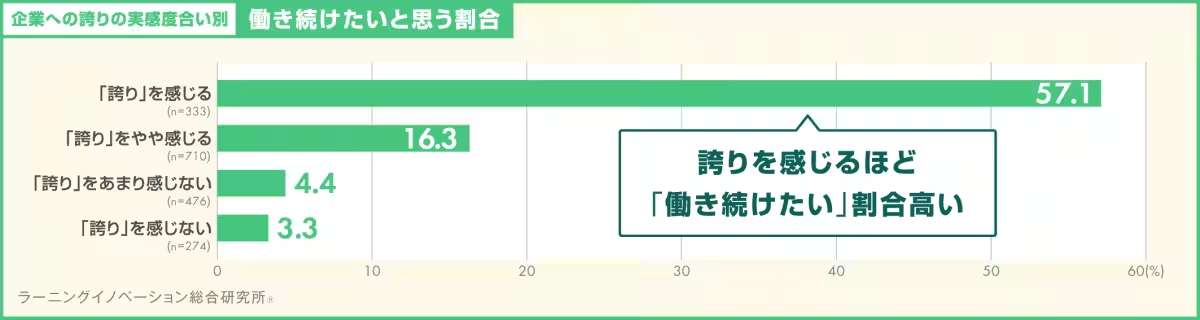
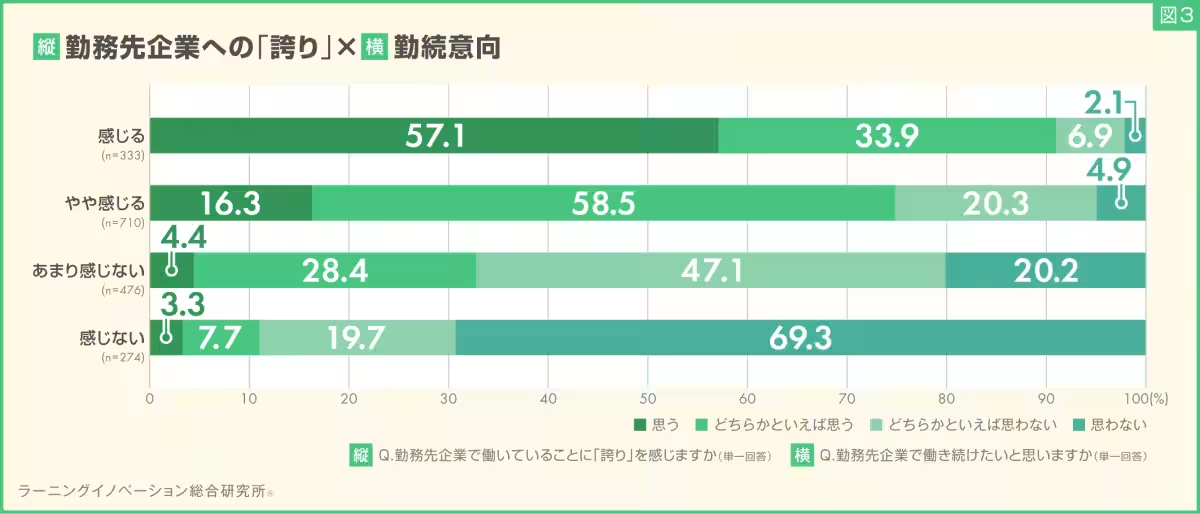
Another notable finding highlights the relationship between pride and the desire to remain with the company. Among those who felt proud of their workplace, 57.1% expressed wanting to continue their careers there, and more than 90% of those feeling any level of pride indicated a preference to stay. Conversely, merely 3.3% of those lacking a sense of pride expressed a desire to continue working there. This signals a strong correlation between pride and an intention to remain within an organization.
Contribution to Organizational Goals
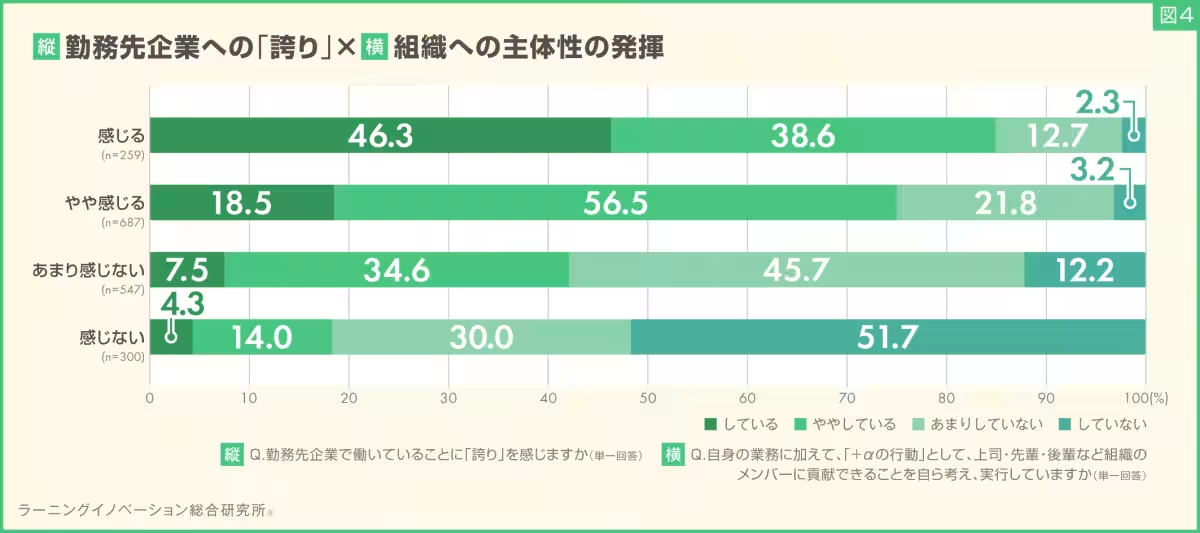
The survey also explored how the feeling of pride relates to proactive contributions to the organization. Approximately 46.3% of employees who felt proud of their workplace stated they actively contribute to organizational goals. This figure reveals a direct connection between feeling valued and participating in initiatives that drive the company forward. Notably, among those lacking pride, only 4.3% reported similar proactive engagement.
Commitment to Skill Development
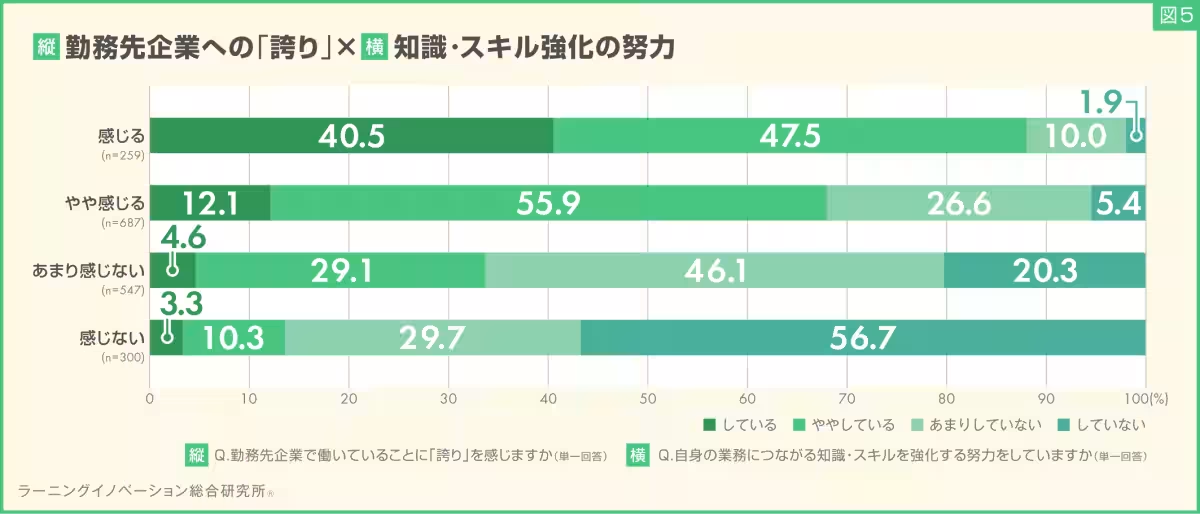
Equally important is the finding regarding pride and efforts to enhance skills. About 88% of those feeling pride in their workplace were engaged in efforts to improve their knowledge and skills. In contrast, less than 10% of those without pride reported such efforts, further exemplifying the intertwined nature of pride and professional development.
The Role of Workplace Environment
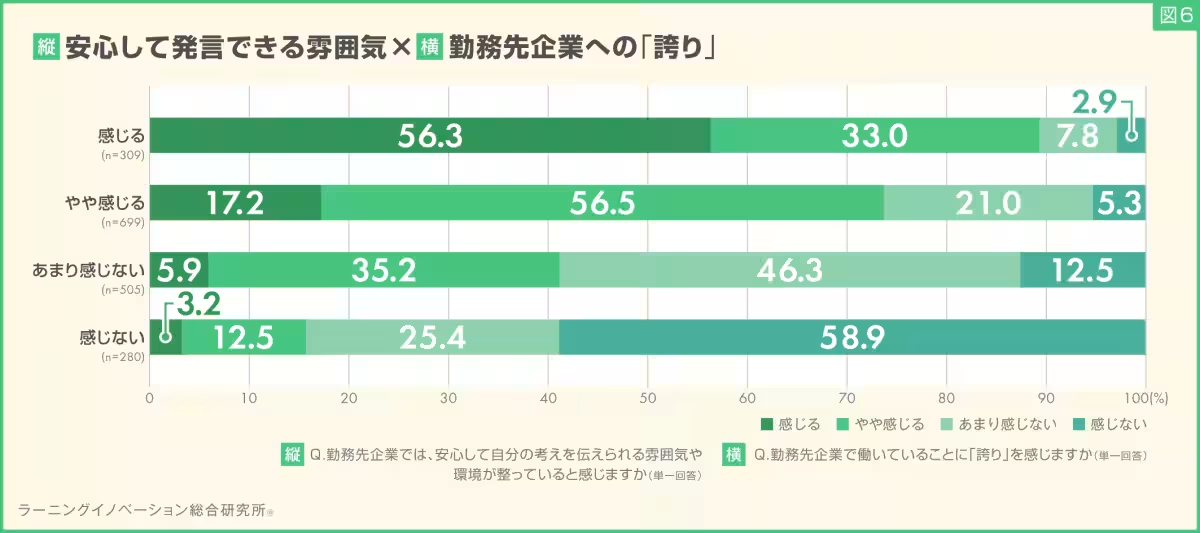
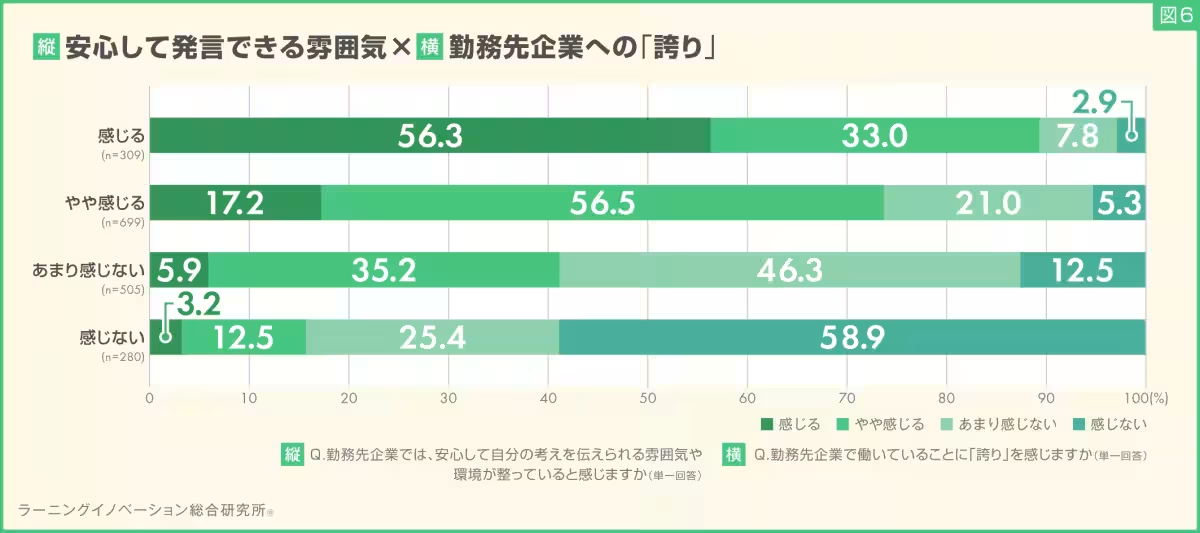
The survey also examined how the workplace environment influenced feelings of pride. When employees felt safe to express their views, 89.3% reported feeling pride in their company. This suggests that fostering a supportive environment can significantly enhance employee engagement.
Conclusion and Recommendations
In summary, the survey sheds light on the crucial relationship between young employees’ pride in their workplace and their overall engagement. While current levels of workplace pride stand at 58.2%, there remains a notable decline with increased tenure, posing a challenge for employers.
To bolster employee pride and foster engagement, organizations are urged to:
1. Cultivate a culture where employees feel comfortable voicing ideas, supported by both policies and management interactions.
2. Clarify organizational expectations to help employees understand their contributions to broader goals, utilizing feedback sessions and recognition programs.
3. Provide consistent learning opportunities that resonate with employees’ career aspirations, driving both personal and organizational growth.
Addressing these areas can significantly enhance employees' pride in their employer, catalyzing a cycle of increased motivation, sustained engagement, and overall organizational success.



Topics People & Culture)


【About Using Articles】
You can freely use the title and article content by linking to the page where the article is posted.
※ Images cannot be used.
【About Links】
Links are free to use.