



The Rise of Ocean Scattering as a Burial Option for Seniors in Japan
The Rising Popularity of Ocean Scattering Among Seniors in Japan
In recent years, the options available for commemorating and dealing with the deceased have diversified significantly. Among these options, ocean scattering—a form of natural burial—has seen a marked increase in interest, particularly among elderly individuals. According to data from the Japan Ocean Scattering Association, the number of scattering events continues to rise annually.
Investigating Senior Attitudes Towards End-of-Life Options
To gain insights into the attitudes of the elderly with respect to end-of-life planning and the emerging trend of ocean scattering, A-Cruise Co., the operator of the website "Minna no Umi Sankotsu" (https://sankotsu-umi.com/), conducted a survey targeting individuals in their 60s and 70s across Japan. The survey aimed to assess their awareness, perceptions, and potential preferences regarding ocean scattering.
Survey Overview
- - Survey Period: December 22-23, 2025
- - Participants: A total of 1,014 respondents aged 60-79 (507 from each age group)
- - Location: Nationwide
- - Method: Online survey using a panel from PRIZMA
Key Findings
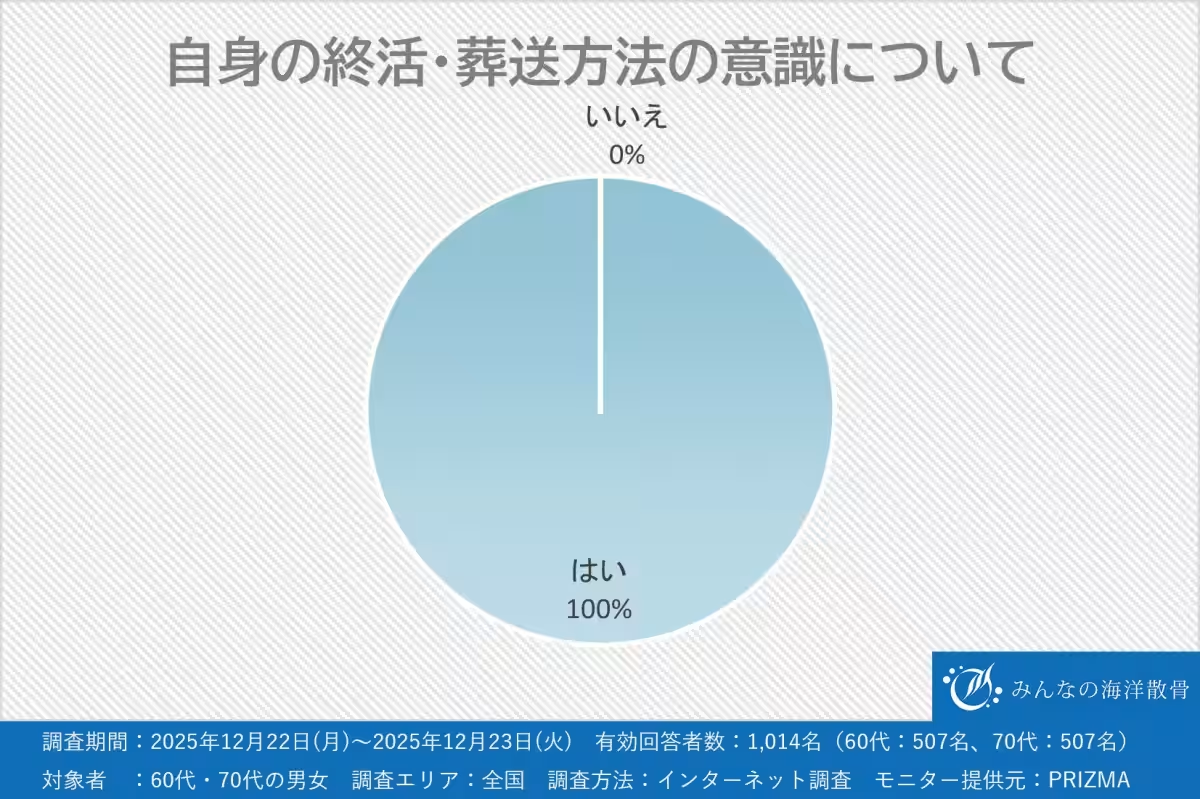
- - All respondents in their 60s and 70s indicated an awareness of end-of-life planning.
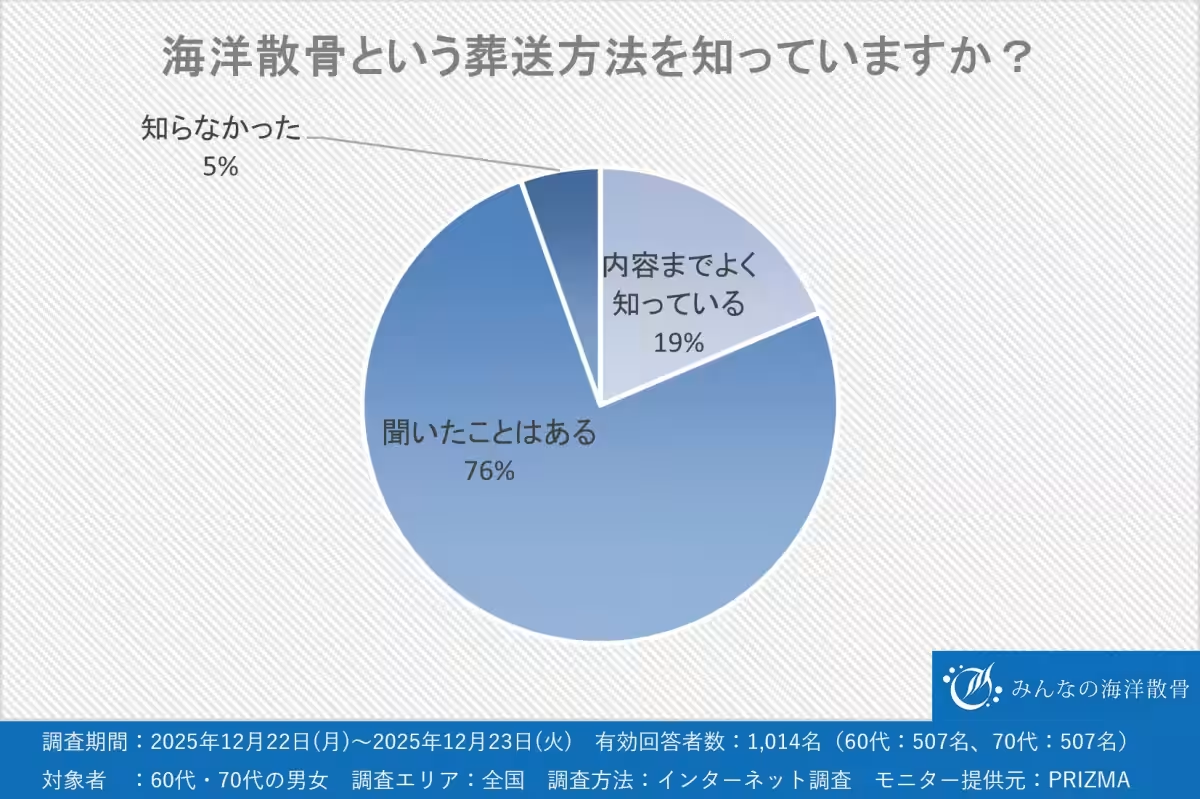
- - Approximately 95% of seniors have heard of ocean scattering.
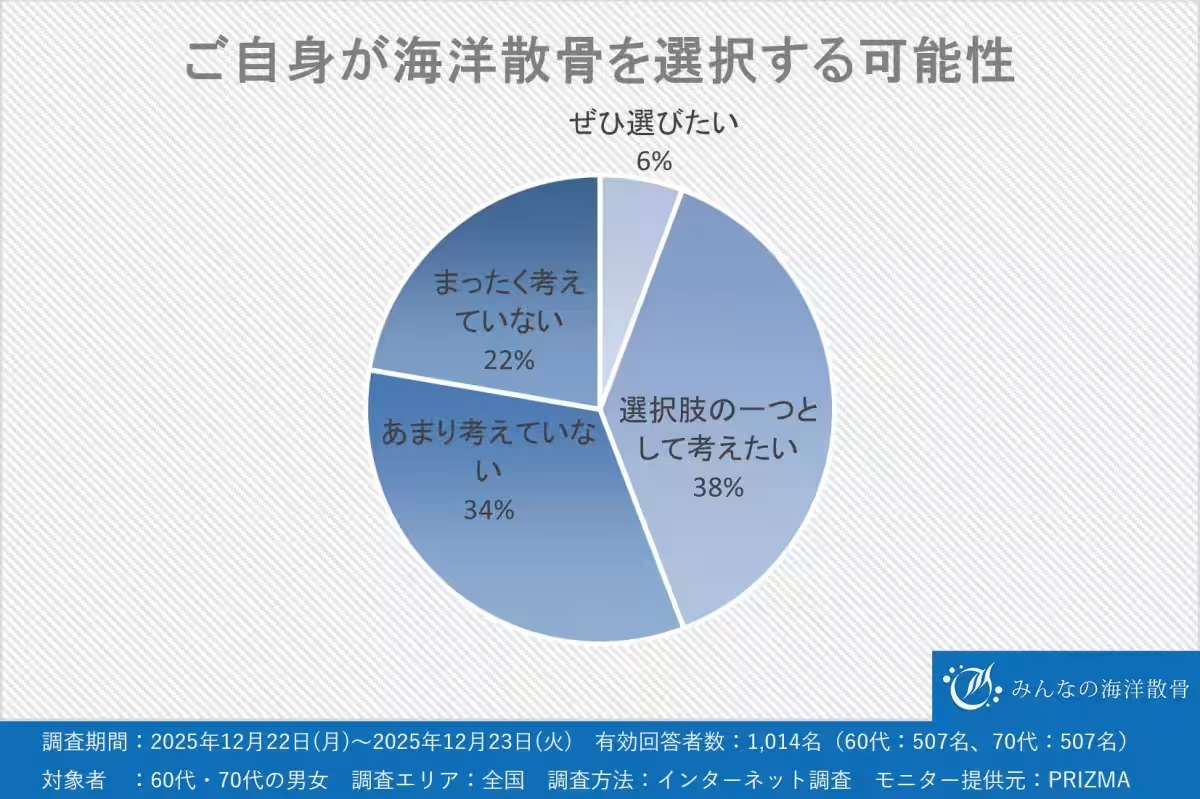
- - About 40% view ocean scattering as a possible option for themselves.
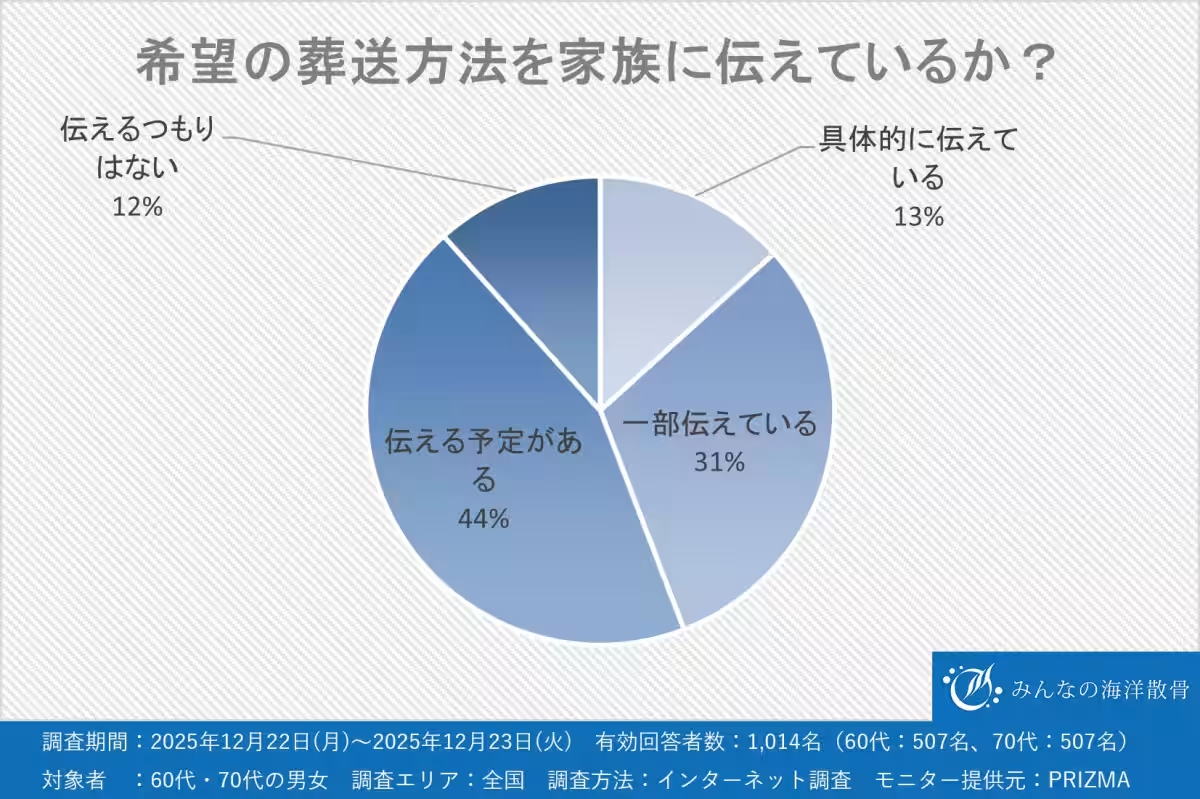
- - Half of the elderly population has not communicated their burial wishes to their families.
An Awakening to End-of-Life Planning
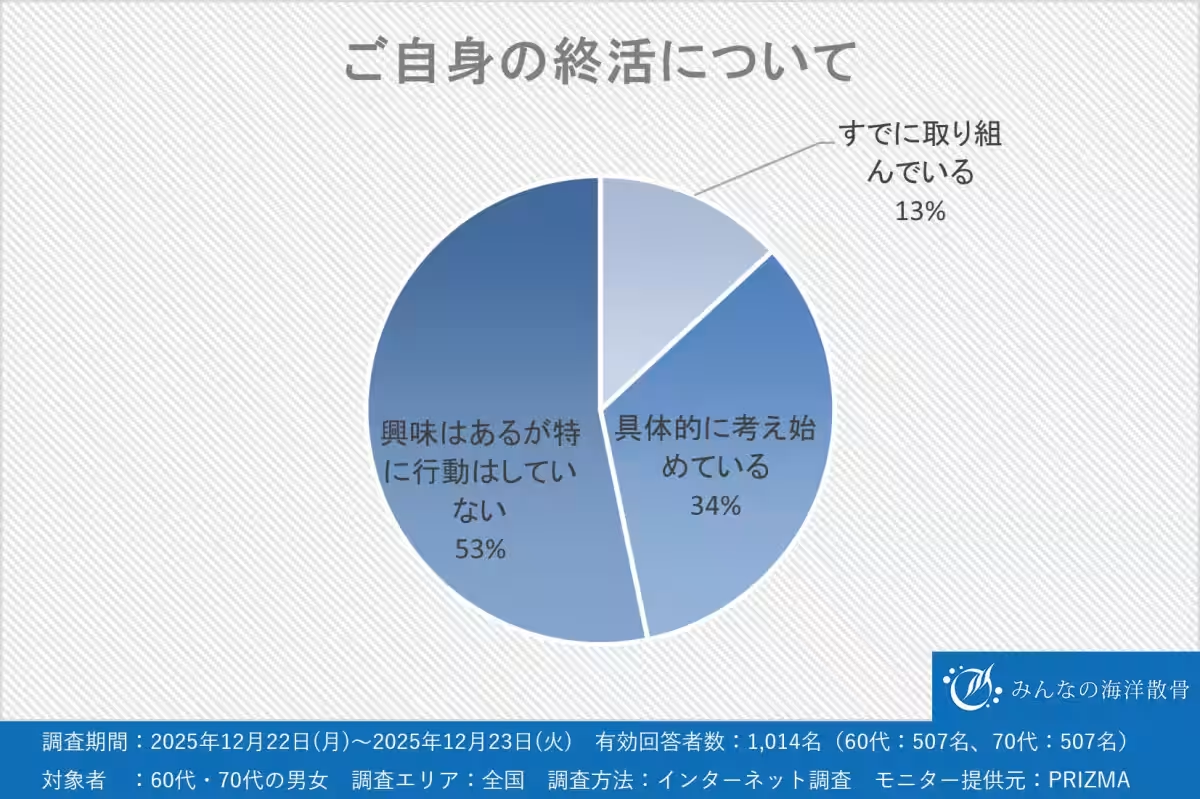
When asked if they have started to consider their end-of-life plans, every participant replied affirmatively. The concept of "end-of-life planning" has gained traction since it was introduced in 2009, leading to widespread acknowledgment among the elderly. However, while many are aware of the need to plan, about half have yet to take actionable steps towards fulfilling this plan. Interestingly, around 50% of respondents in their 60s indicated they are beginning to explore specific end-of-life arrangements.
Familiarity with Ocean Scattering
The majority of seniors are familiar with ocean scattering as a burial method. This trend has gained media attention, especially following events like the ocean scattering of former Tokyo Governor Shintaro Ishihara in 2022, which increased public awareness.
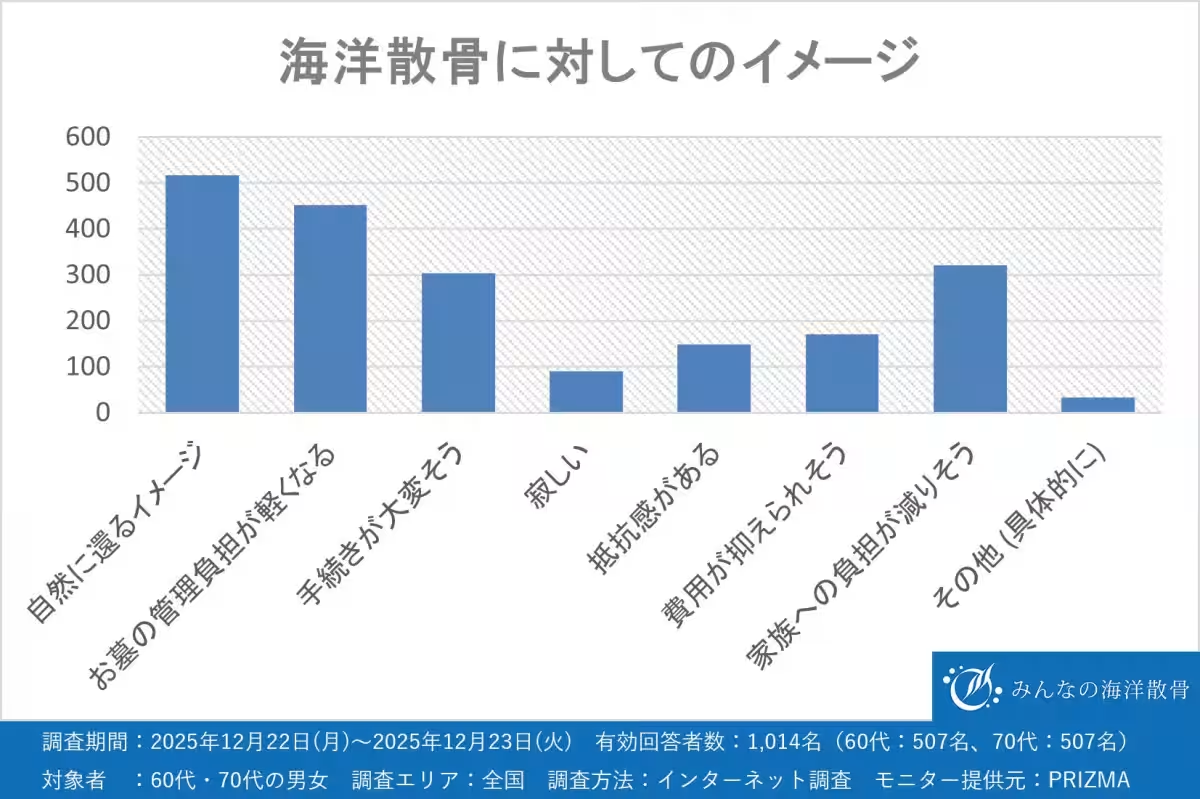
When asked about their perceptions of ocean scattering, responses revealed a mix of positive and negative sentiments, though overall, the majority held a favorable view. Positive associations included:
- - 50.89% felt it is a way to return to nature.
- - 44.58% appreciated the reduced management burden of a traditional grave.
- - 31.56% perceived it as a way to alleviate the future burden on their families.
On the other hand, some expressed concerns about the potential complexities involved in the process or whether it might be a more costly alternative. However, the consensus highlights a significant focus on alleviating the burdens on their families in terms of post-death responsibilities.
Ocean Scattering as a Viable Option for Seniors
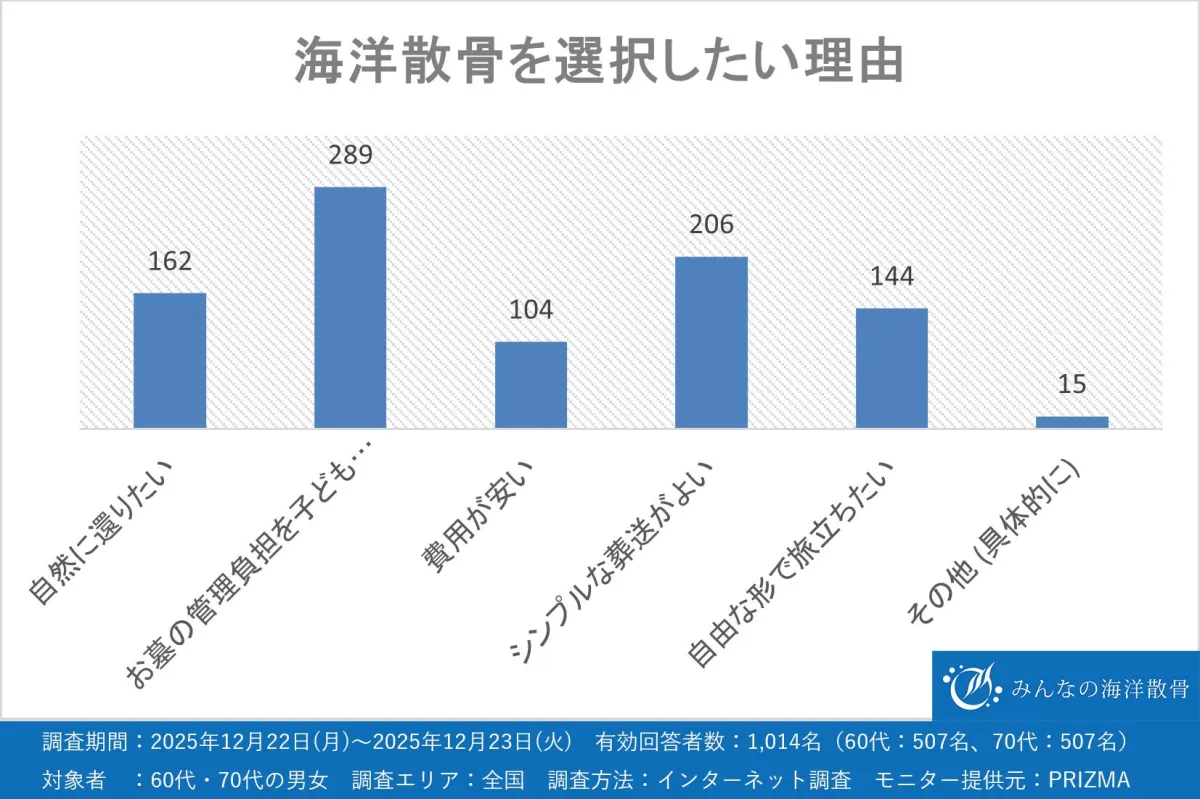
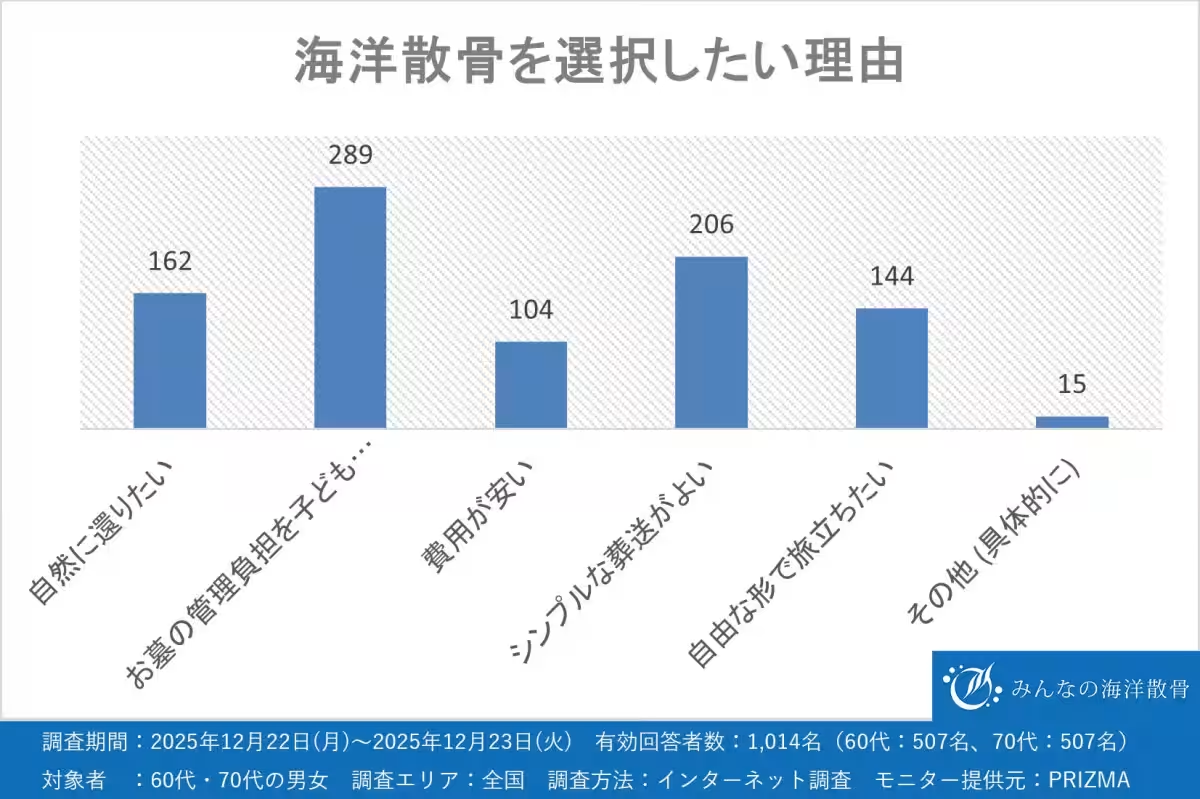
Regarding their own preferences, 44% of seniors indicated that they see ocean scattering as a consideration. This reveals a growing willingness to explore alternatives to traditional burial methods that do not involve the ongoing upkeep of gravesites. The primary motivation for considering ocean scattering appears to center on the desire not to leave the burden of grave maintenance to their children, with 64.51% citing this factor as important.
Other complete responses emphasized a preference for simpler burial solutions and a yearning to return to nature, resonating with 36.16% of the respondents.
Communication Gaps About Burial Preferences
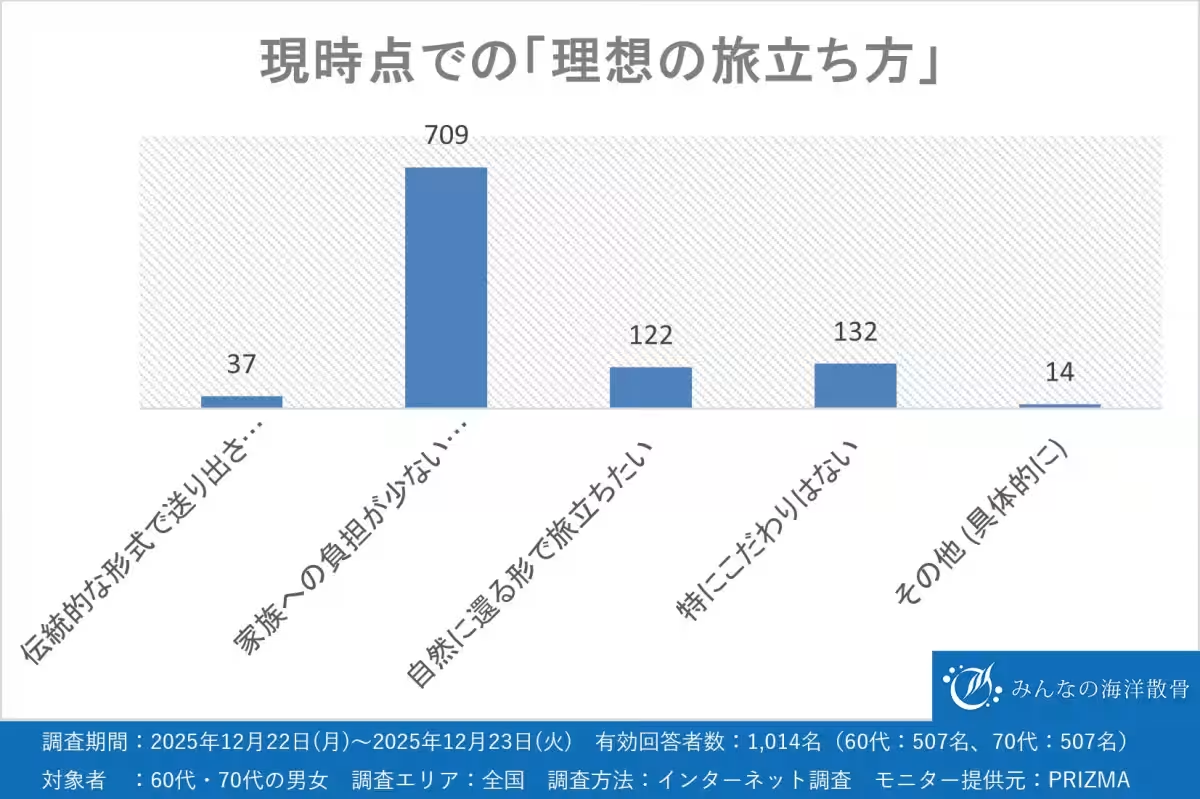
Despite their insights and reflections on end-of-life planning, only 13% of seniors have communicated their burial preferences to family members. This statistic may reflect larger societal trends of nuclear families and the difficulty in discussing life-and-death issues within contemporary contexts. For many seniors, the ideal farewell method is one that minimally impacts their loved ones, demonstrating a common concern for familial burdens that transcends the specifics of the actual options available.
Conclusion
The survey reveals a notable trend among the elderly population who are contemplating their end-of-life plans, focusing significantly on minimizing burdens for their families. It's no surprise that ocean scattering is emerging as an appealing option for those considering alternatives to conventional methods. As discussions around end-of-life planning evolve, it becomes evident that societal shifts are influencing the choices that seniors make regarding their final journeys. Moving forward, further investigation into the perspectives of children with elderly parents regarding end-of-life planning may yield valuable insights.
About Minna no Umi Sankotsu
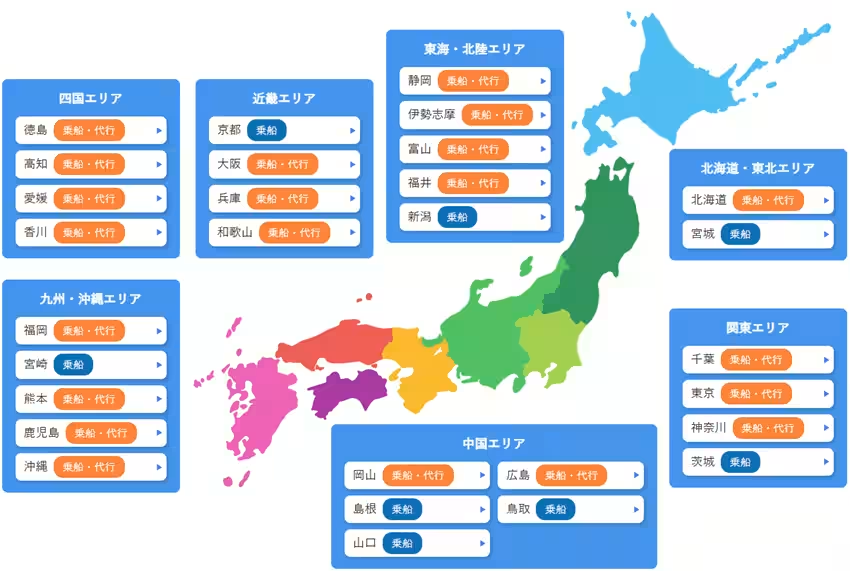
The organization conducting this survey, A-Cruise Co., operates "Minna no Umi Sankotsu," offering specialized services for ocean scattering across Japan. Their offerings include various plans for celebratory memorials, including powdering remains, memorial flower offerings, and providing certificates of scattering, ensuring that families can choose options that fit their needs and budgets. Their extensive experience and commitment to compassionate care positions them as leaders in this emerging field of end-of-life services.
Topics Other)
【About Using Articles】
You can freely use the title and article content by linking to the page where the article is posted.
※ Images cannot be used.
【About Links】
Links are free to use.