



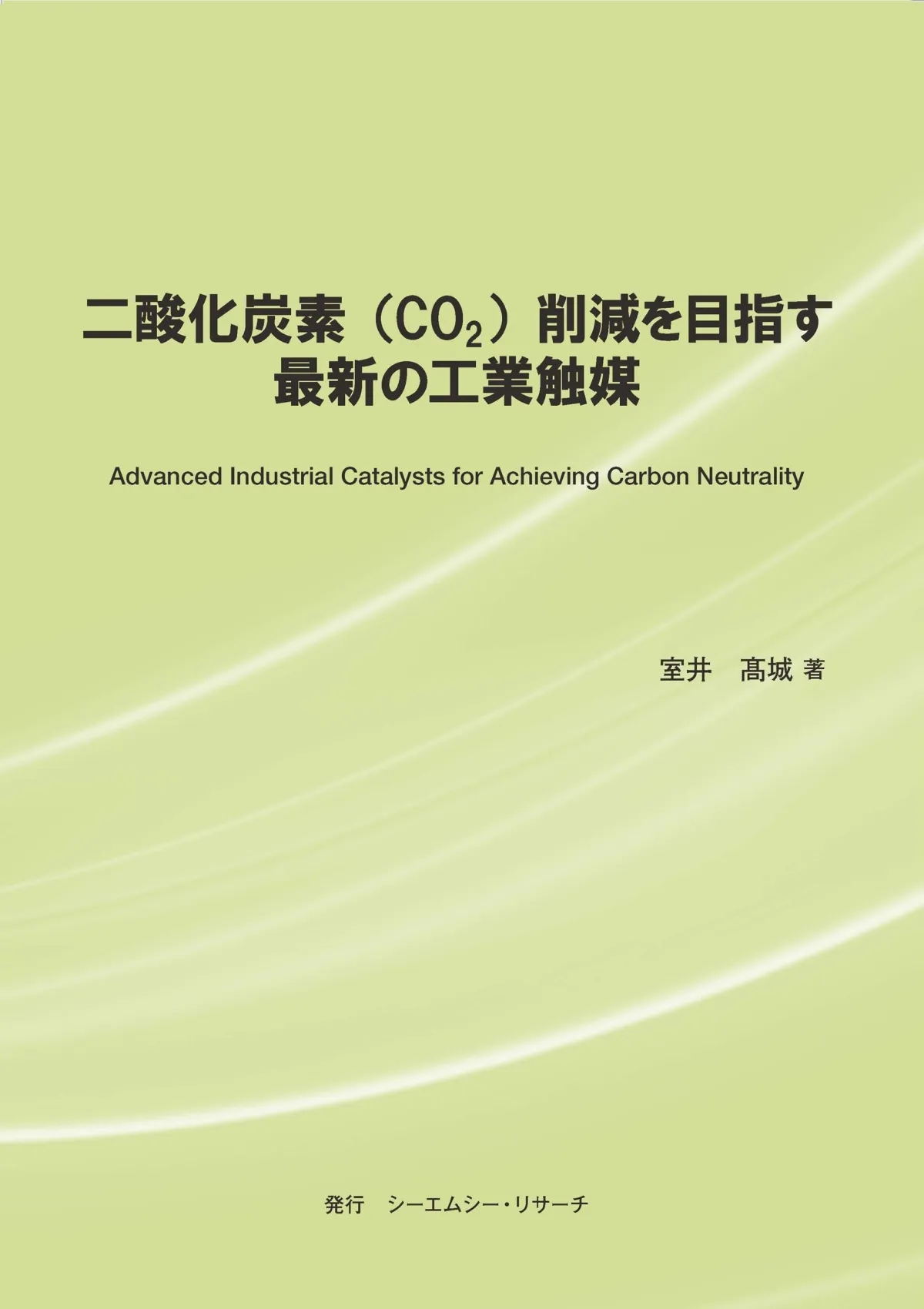
Advanced Industrial Catalysts: Paving the Way for Carbon Neutrality Through CO2 Reduction
Introduction
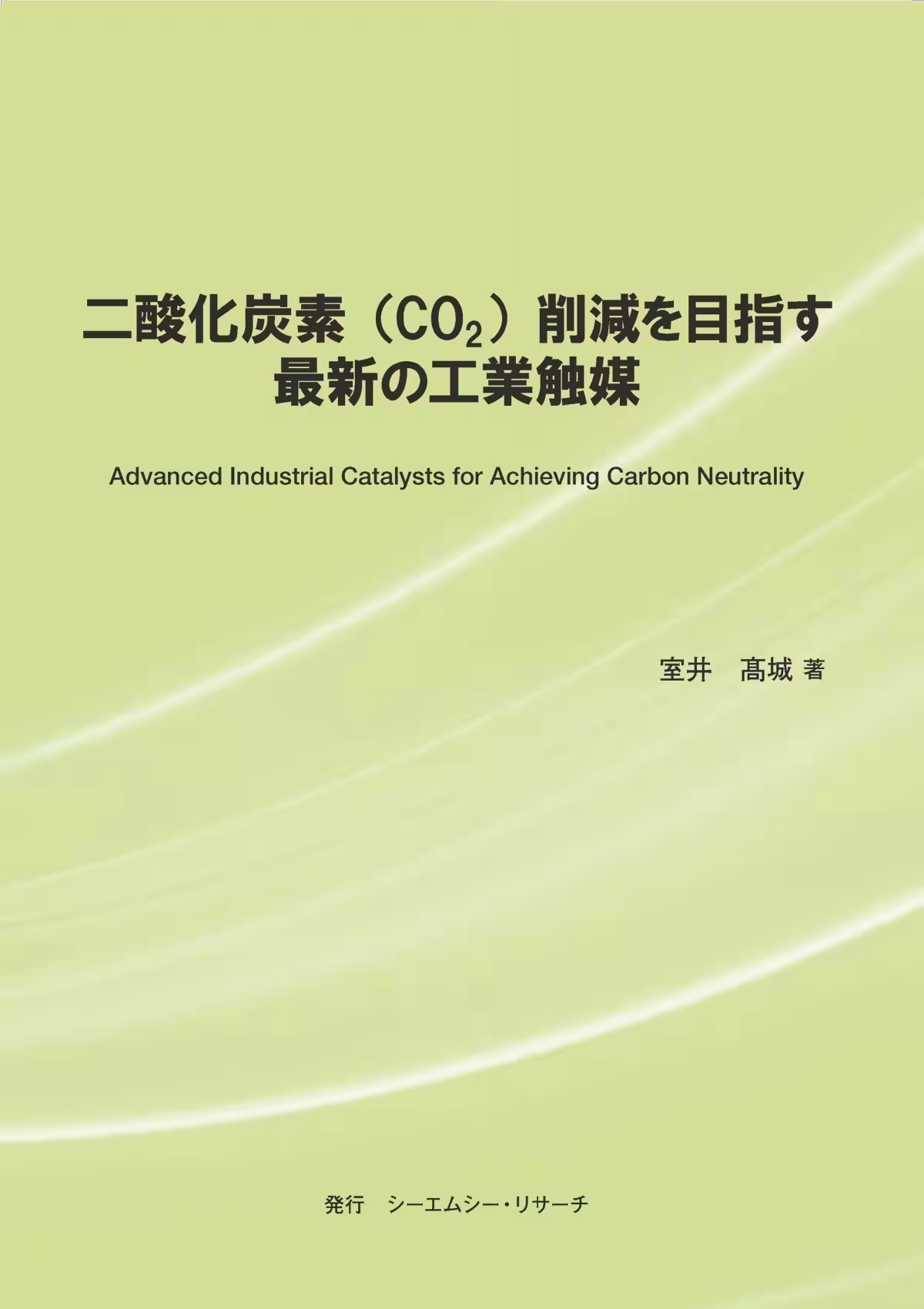
As we confront the accelerating effects of global warming, the urgency for innovative solutions becomes more apparent. Advanced Industrial Catalysts for Achieving Carbon Neutrality is an essential resource for understanding how we can mitigate CO2 emissions using cutting-edge catalytic technologies. Authored by Takaki Murai, a distinguished fellow at the NEDO Innovation Strategy Office, this book details the transformational potential of catalysts in our battle against climate change.
The alarming speed at which climate change is progressing begs for immediate action. Increasingly frequent extreme weather events, which once occurred only once every few decades, are now seen yearly across the globe, underscoring the vulnerability of our ecosystems. Human activities, primarily the rise in CO2 emissions, stand as a significant contributor to this threat, necessitating urgent strategies for reduction.
Understanding Carbon Capture and Utilization (CCU)
Carbon Capture and Storage (CCS) has been proposed as a solution; however, it only provides temporary relief by sequestering CO2 underground or underwater. This approach raises concerns such as leakage during geological changes and potential burdens on future generations or developing nations. Furthermore, even by recycling emissions from fossil resources into fuels and chemicals, the end result is merely a return of fossil-derived CO2 back to the atmosphere upon combustion.
To truly reduce CO2 levels, the focus must shift towards utilizing CO2 sourced from biomass or the excess CO2 present in the atmosphere. Advancements in renewable energy must also trend towards employing this energy directly, for instance, as electricity or synthesizing chemicals from non-fossil CO2 and renewable hydrogen. Ultimately, a comprehensive reduction strategy must encompass Scope 3 emissions, necessitating the securement of renewable carbon, particularly through the expansion of Carbon Capture and Utilization (CCU) initiatives.
The Role of Catalysts
At the heart of CO2 reduction lies the catalyst; this book explores various catalytic reactions that utilize CO2 as a raw material, shedding light on the latest findings and developments in this vital field. Each chapter delves into different processes and technologies, ensuring that researchers and practitioners dedicated to combating climate change are well-equipped with the knowledge necessary to implement effective solutions.
Key Features of the Book:
- - Insightful discussions on the latest catalytic technologies aimed at CO2 reduction.
- - Comprehensive coverage of production processes for syngas, hydrogen, fuels like SAF (Sustainable Aviation Fuel), and valuable chemicals and polymers.
- - A systematic overview of industrial trends in catalyst design and practical process implementation gathered from years of industry experience.
Overview of the Book’s Structure
The book is divided into multiple sections:
1. Catalysts for Syngas Production - This section discusses various catalysts used in dry reforming reactions, including their mechanisms and applications in industrial settings.
2. Fuel Synthesis Catalysts - Here, the focus shifts to catalysts that convert CO2 and hydrogen into methane, LPG, gasoline, and SAF, detailing their operational frameworks.
3. Chemical Manufacturing Catalysts - This part highlights catalysts used for synthesizing chemicals, emphasizing sustainable methodologies.
4. Polymer Synthesis Catalysts - It outlines the catalysts applied in producing innovative polymers.
Each section is rich in content, presenting sophisticated concepts in a digestible format suitable for both seasoned professionals and newcomers to the field. By navigating through these sections, readers will gain insights into the multifaceted roles that catalytic technology can play in creating a more sustainable future.
Conclusion
As we stand at a critical junction in our environmental journey, the importance of effective CO2 reduction strategies cannot be overstated. The insights presented in Advanced Industrial Catalysts for Achieving Carbon Neutrality serves as an invaluable guide for those dedicated to making a difference. By leveraging the full potential of catalytic technologies, we can take significant strides towards achieving carbon neutrality and safeguarding our planet for future generations. Authored in February 2026, this book is essential for anyone aiming to contribute meaningfully to those efforts.
For more information, purchase options, and additional resources, visit CMCRE’s website.

Topics Other)
【About Using Articles】
You can freely use the title and article content by linking to the page where the article is posted.
※ Images cannot be used.
【About Links】
Links are free to use.