



Exploring Future Physical Education: Insights from the Next-Generation Symposium in Osaka
Future of Physical Education: Insights from a Visionary Symposium
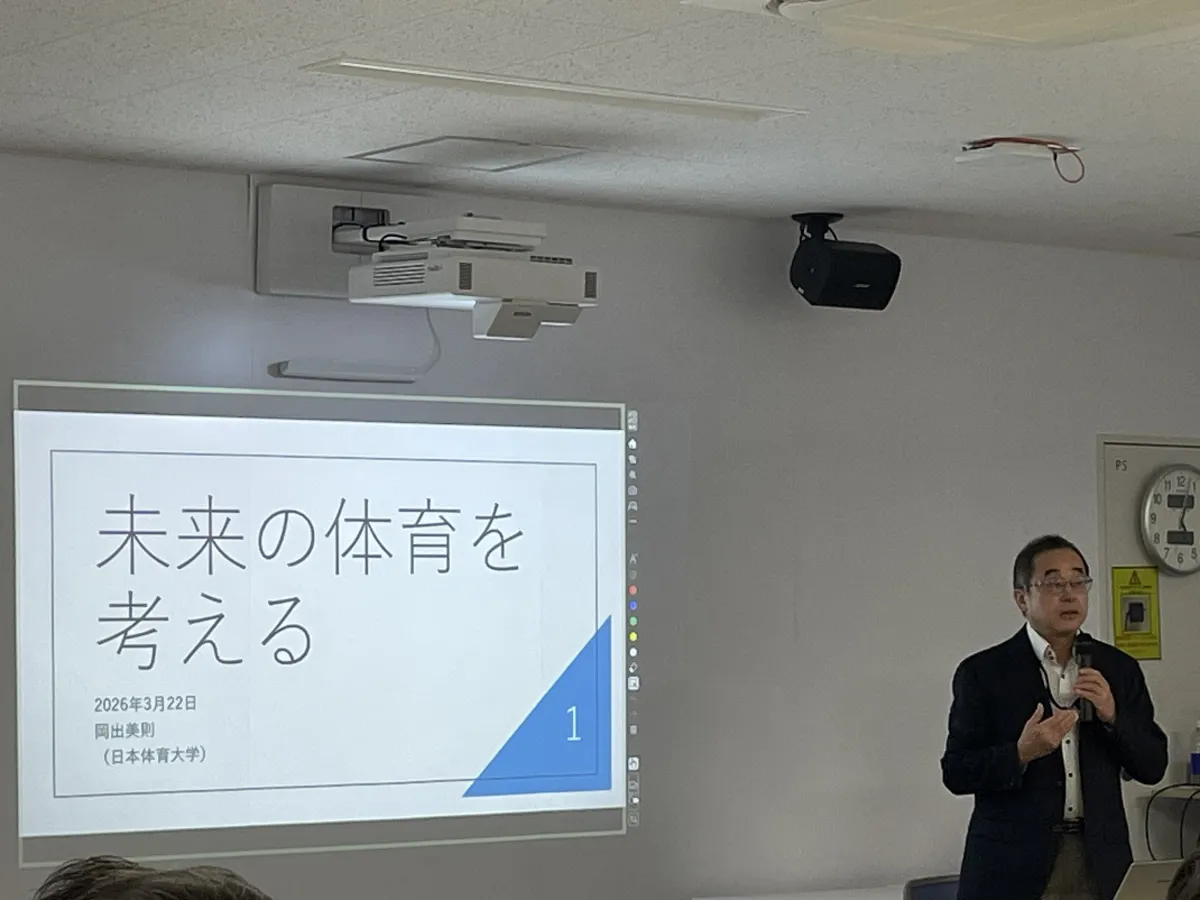
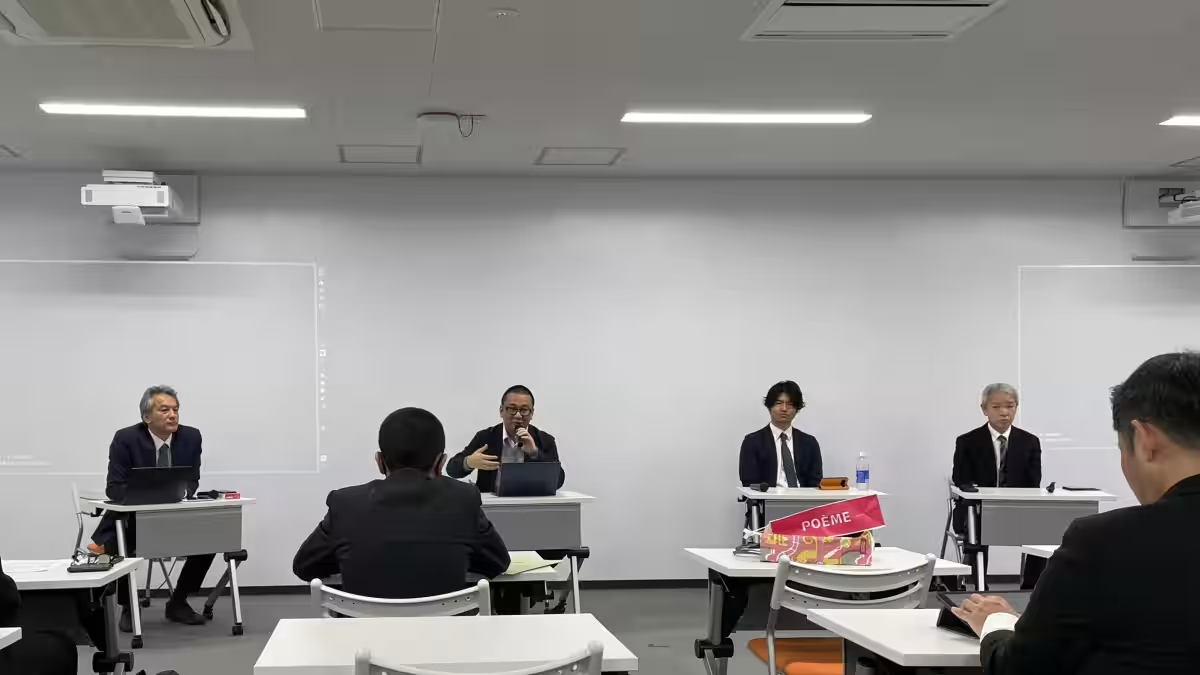
On March 22, 2026, Osaka University of Education's Tennoji Campus served as the venue for a groundbreaking symposium titled "Thinking About Future Physical Education." Organized by Naoki Suzuki's research team at Tokyo Gakugei University, the event welcomed about 100 participants, including teachers from elementary to high school, university educators, researchers, board of education representatives, and industry professionals.
This symposium aimed to share the latest advancements in physical education utilizing ICT, XR, and educational data, while reflecting on the outcomes of the Japan Sports Agency's initiative to develop a contemporary model for school sports. Through keynotes, parallel sessions, and overall evaluations, diverse discussions emerged about re-designing physical education lessons and creating an inclusive environment where no student is left behind.
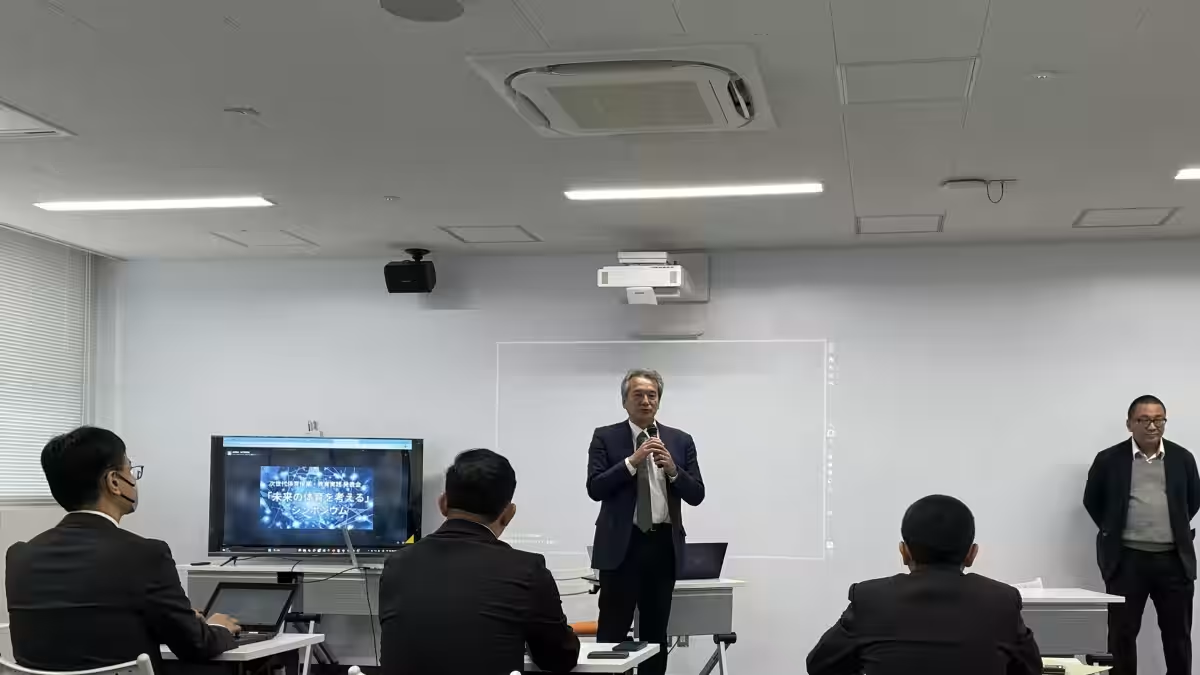
Opening Remarks by Dr. Suzuki
Dr. Naoki Suzuki opened the symposium by highlighting ongoing ICT-driven physical education research gaining international attention. He brought to light that even educators from New York have visited to observe these innovative practices, signifying the potential of Japanese physical education as a reference point for global educational programs.
Moreover, Dr. Suzuki posed the critical question, "What is physical education?" He emphasized the need to view physical education not merely as skill acquisition in sports, but as an avenue for learning through physical activity and the joy of movement. He argued for the enduring essence of physical education, which requires face-to-face interactions, collaborative engagements beyond verbal communication, and learning through physical activities. Dr. Suzuki underlined the necessity of questioning conventional teaching methods and frameworks to align with the future of physical education.
Keynote Sessions: Emphasizing Teacher-Designed Learning
During the keynote session, the discussions centered around the importance of not merely integrating technology but designing learning experiences that prioritize student engagement. Dr. Suzuki concluded that the pivotal consideration moving forward must centre on how educators discern and apply technology in their teaching practice.
Featured speakers shared insights that challenged existing norms. Ms. Sato spoke about the potential of AI in education, while Mr. Fukushima highlighted that technology should support learning rather than be an end in itself. A call to action was made for teachers to remain flexible, responsive to children's learning needs, and proactive in lesson design.
Parallel Sessions: Real-World Applications of HADO
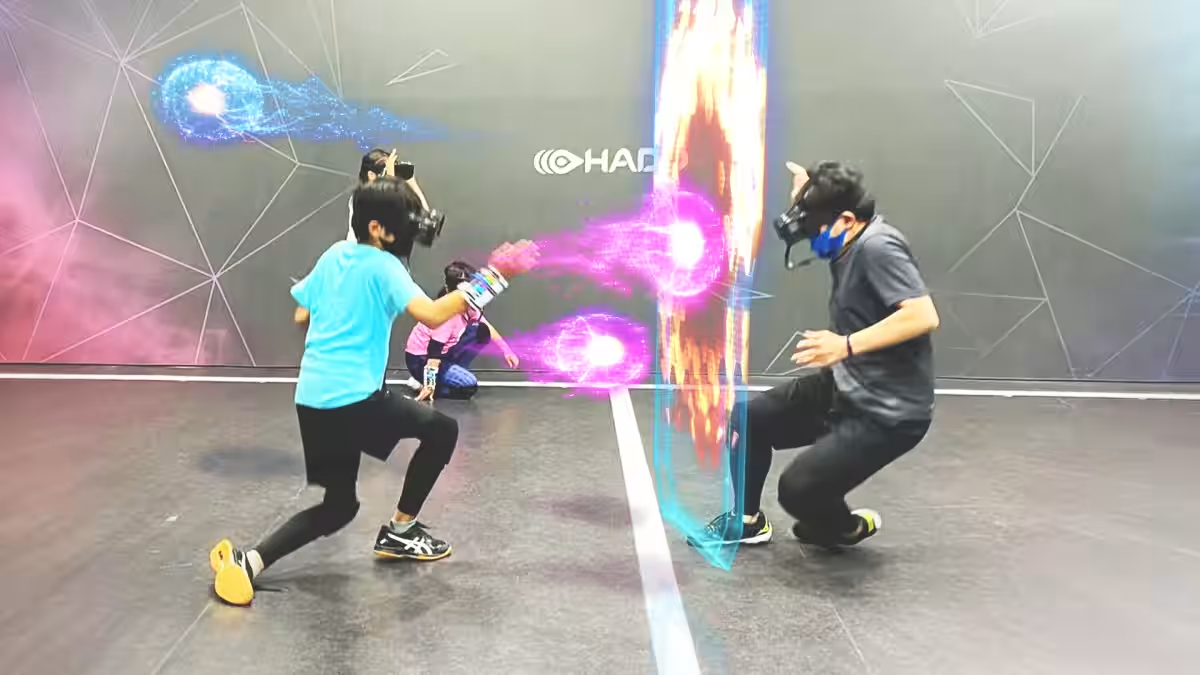
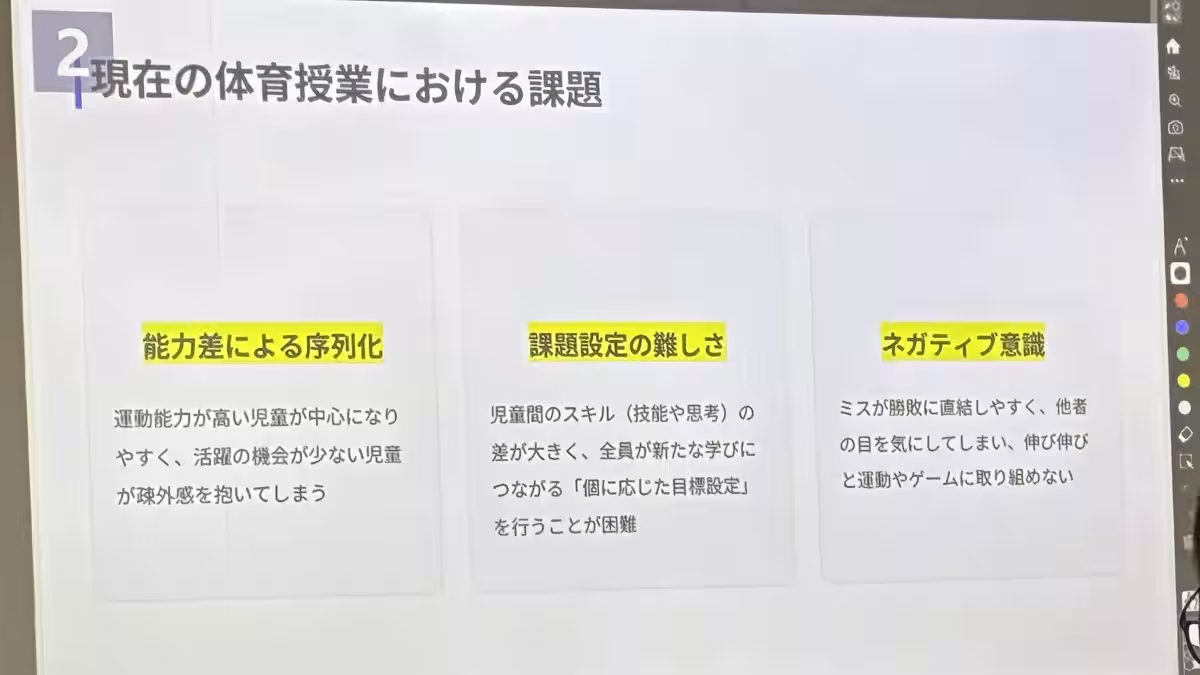
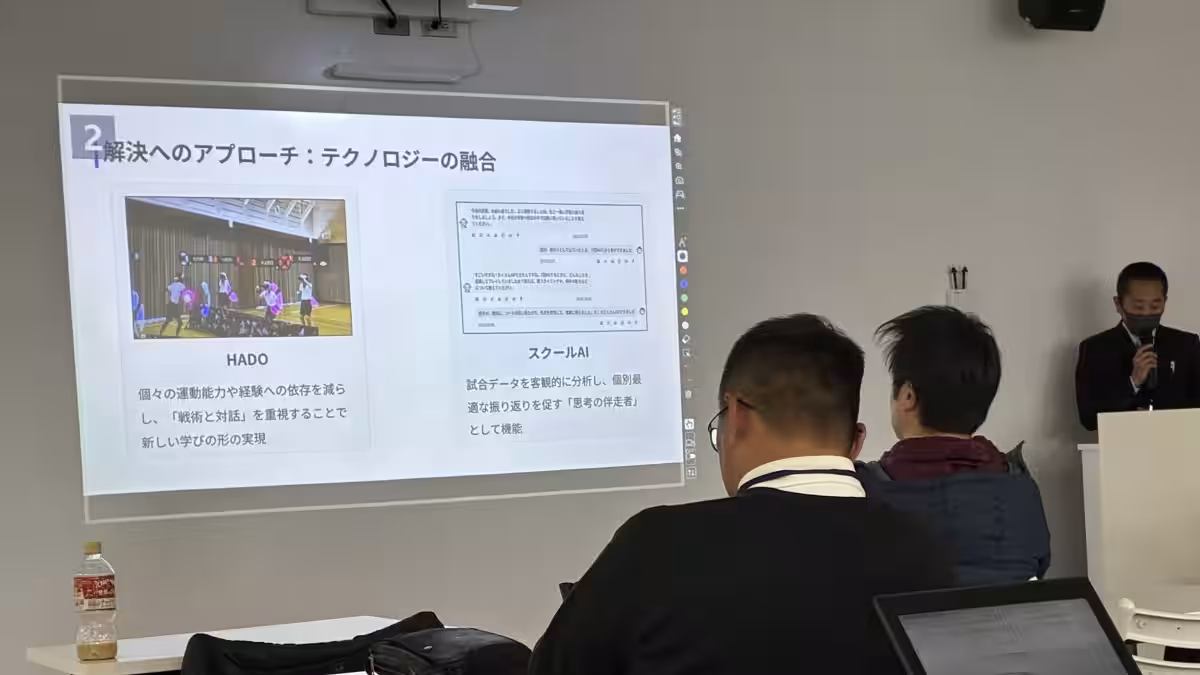
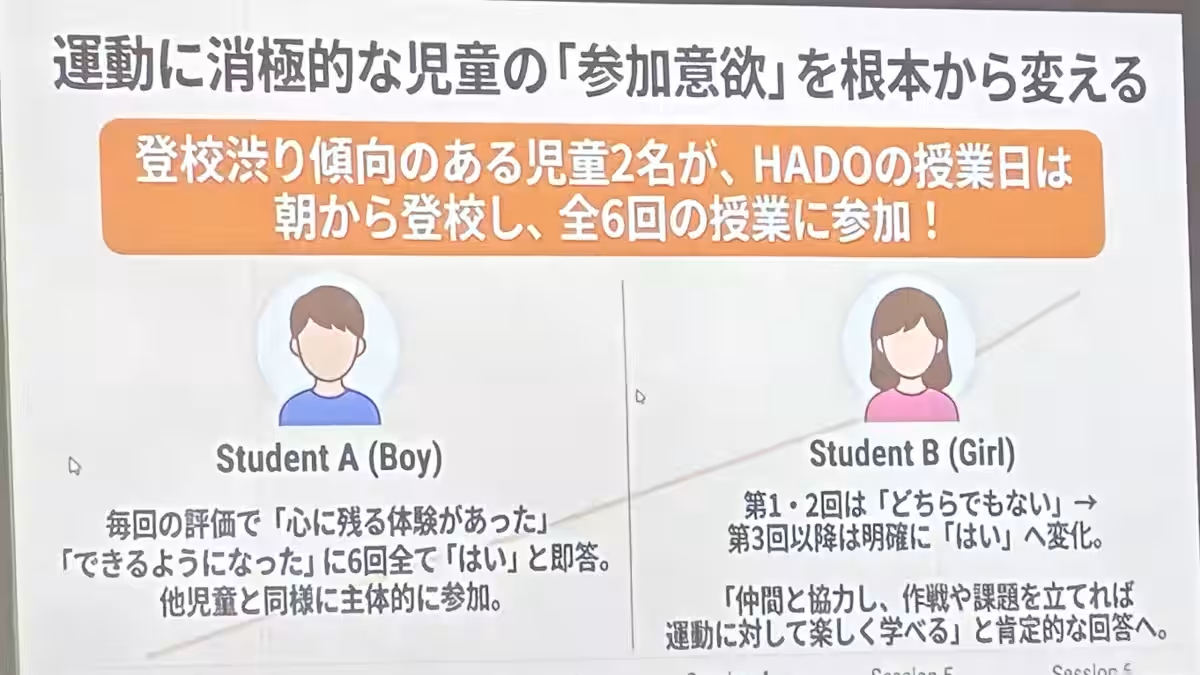
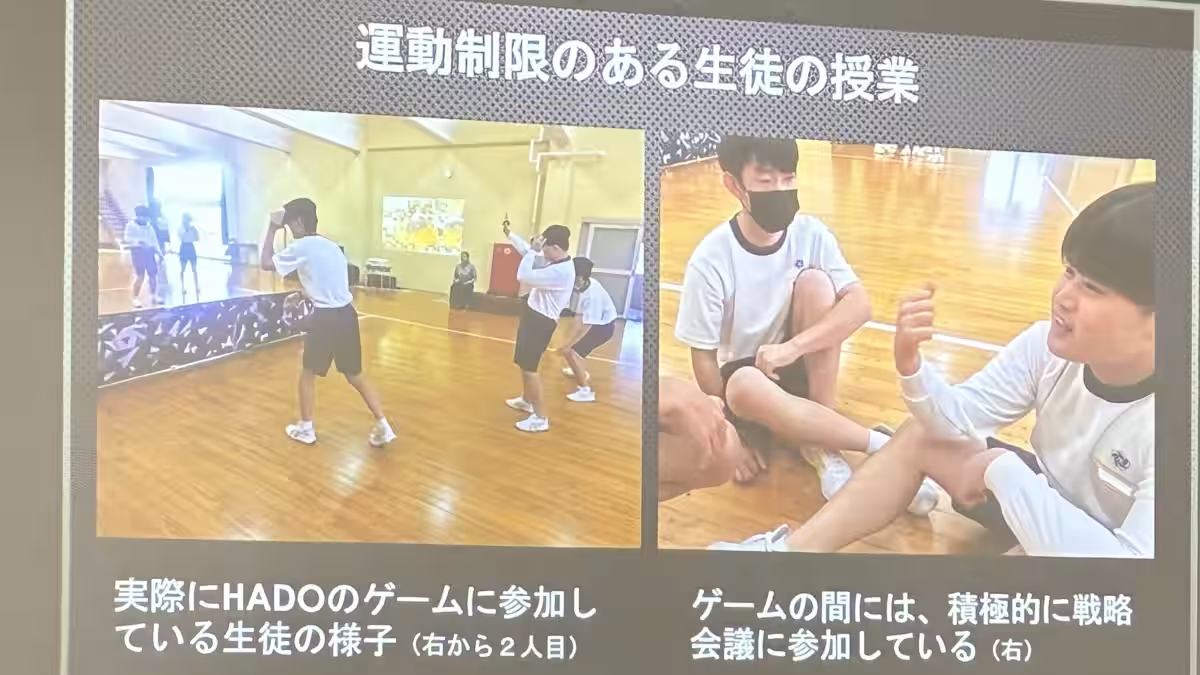
The parallel sessions showcased four schools utilizing the AR sport, HADO, to redefine physical education. A common theme among the presentations was viewing HADO not just as a new sports resource, but as a tool that encourages participation regardless of skill level, creates entry points for everyone, and fosters deeper learning through strategy and reflection.
Example Practices at Schools
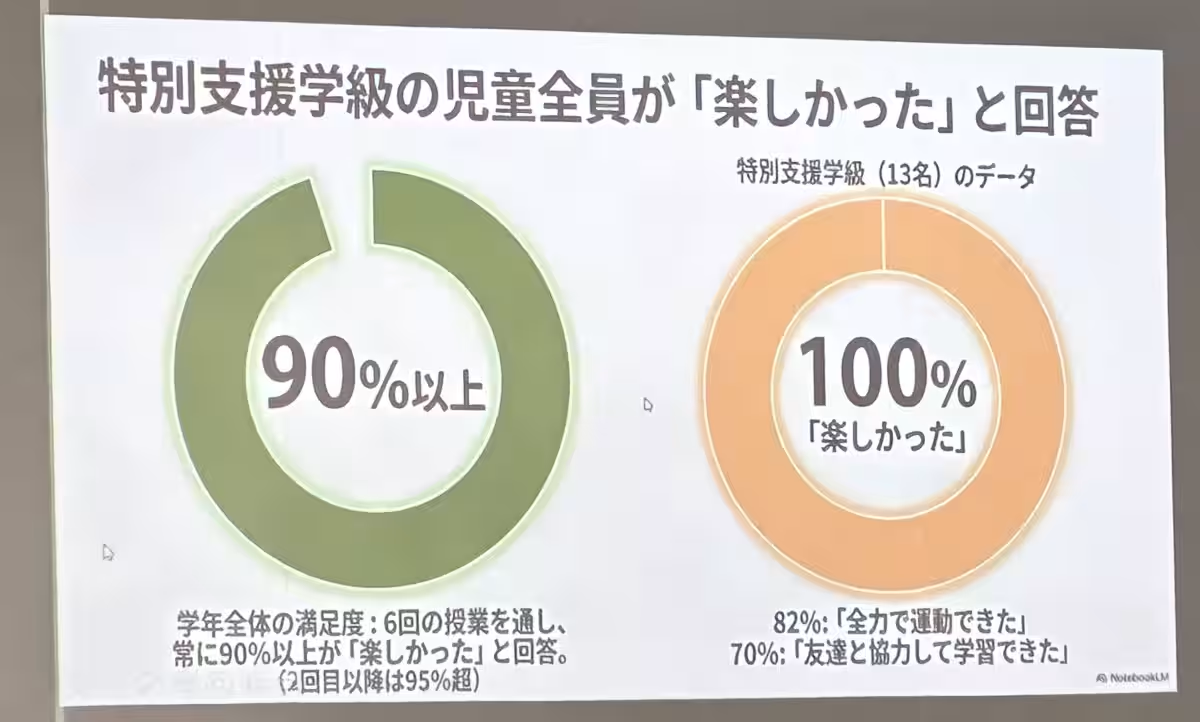
1. Kawanoe Elementary in Shikokuchuo City: They integrated HADO's digital features with AI for lessons aimed at empowering each student to engage actively in their learning journey.
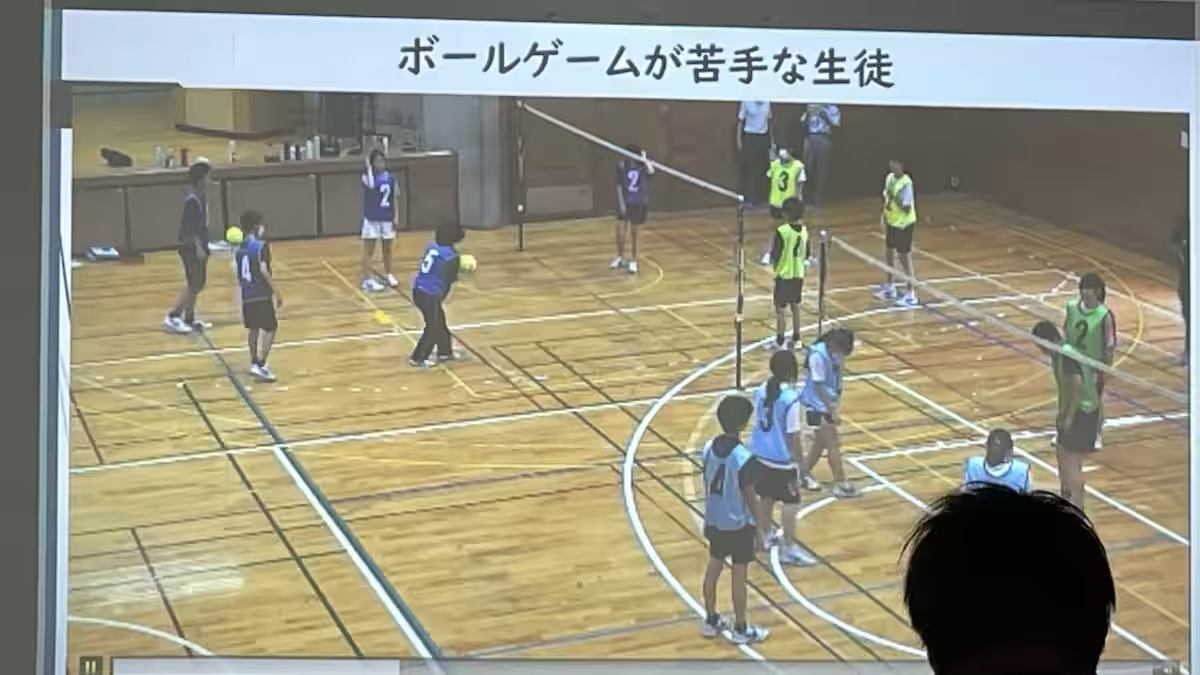
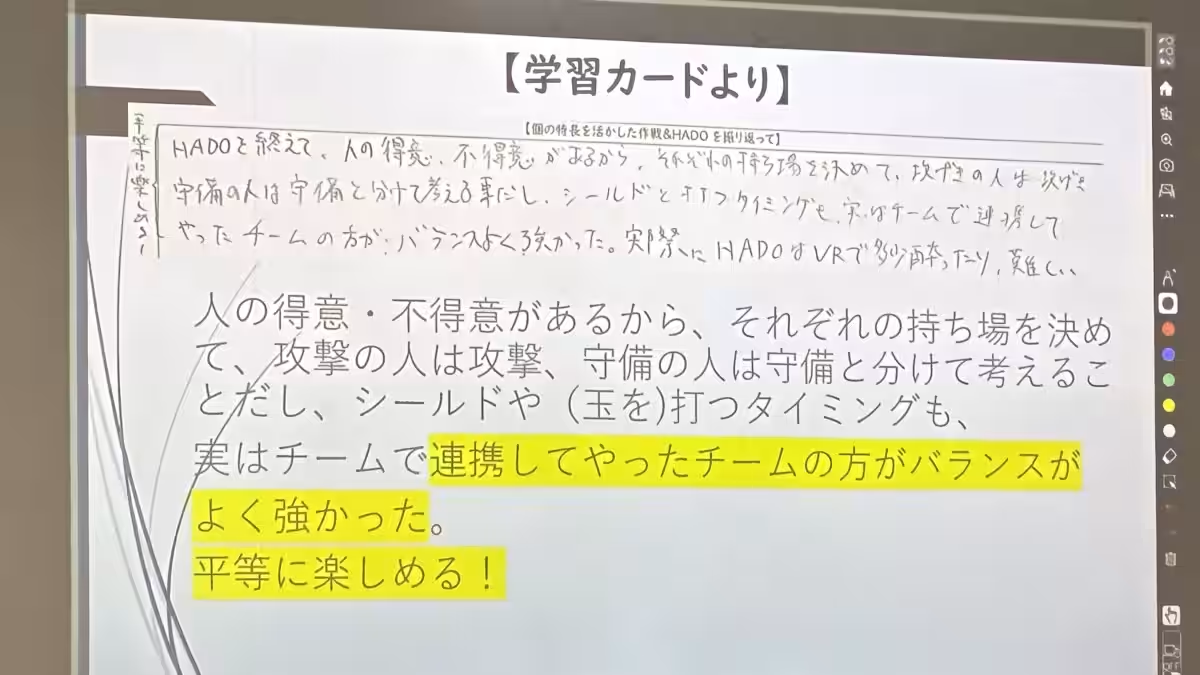
- Positive student feedback indicated that even those who typically struggle with sports found enjoyment and could contribute to their team.
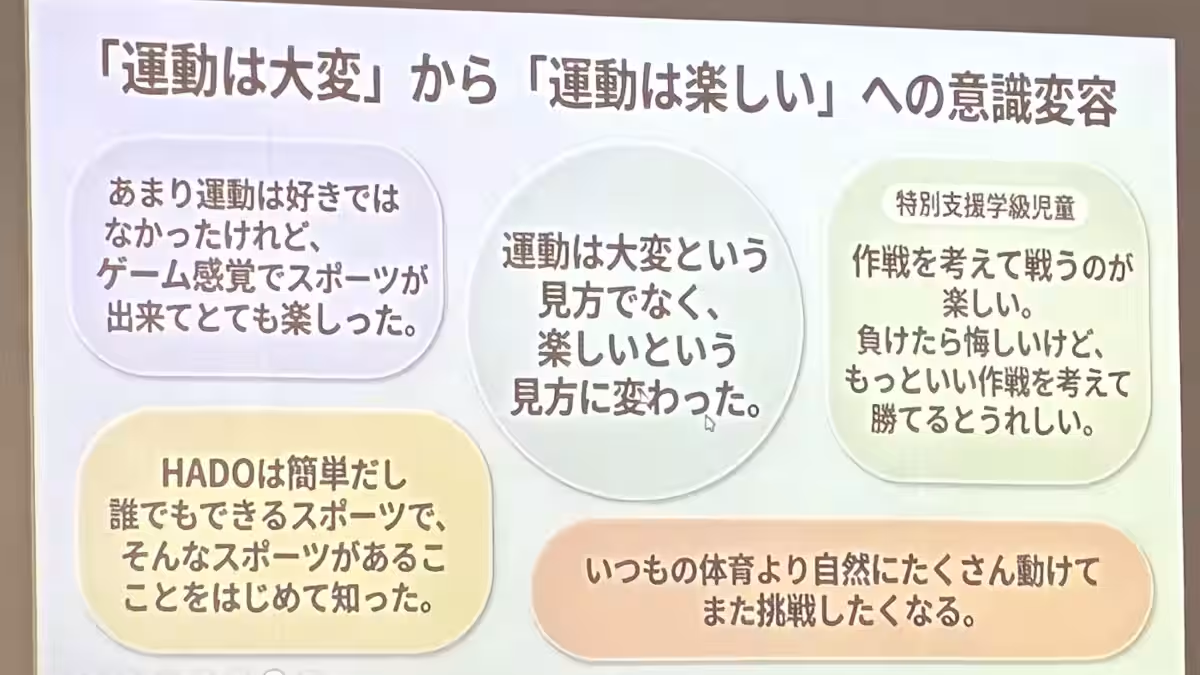
2. Midori No Gakuen in Tsukuba City: Their implementation of HADO and AI focused on inclusive physical education, catering to diverse needs within a large school setting.
- Feedback highlighted a shift in students’ perceptions of physical activity from being a challenge to a joy.
3. Setagaya Junior High School: This school focused on how HADO nurtures individual learning while promoting teamwork, allowing students to teach and learn from each other, constructing a supportive team dynamic.
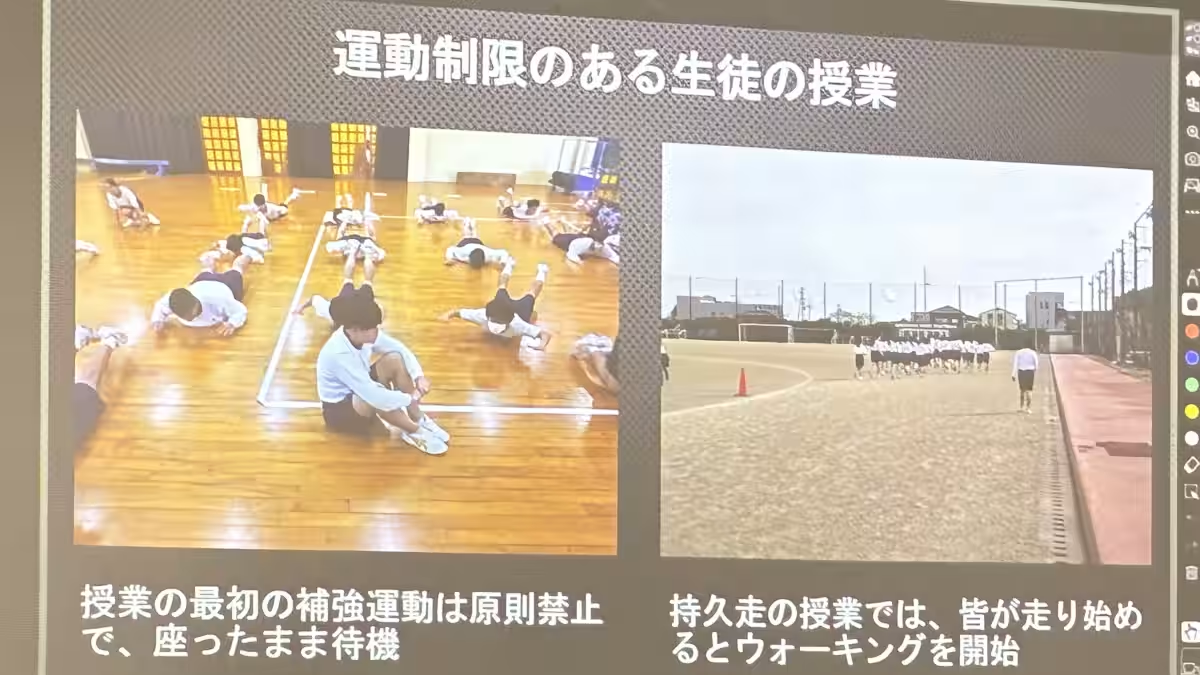
4. Shizuoka West High School: They showcased a comprehensive classroom approach combining HADO with AI and heart rate monitors, empowering students to reflect on their gameplay while fostering participation from those typically sidelined.
Overall Summary: Teacher Communities and Innovative Teaching Design
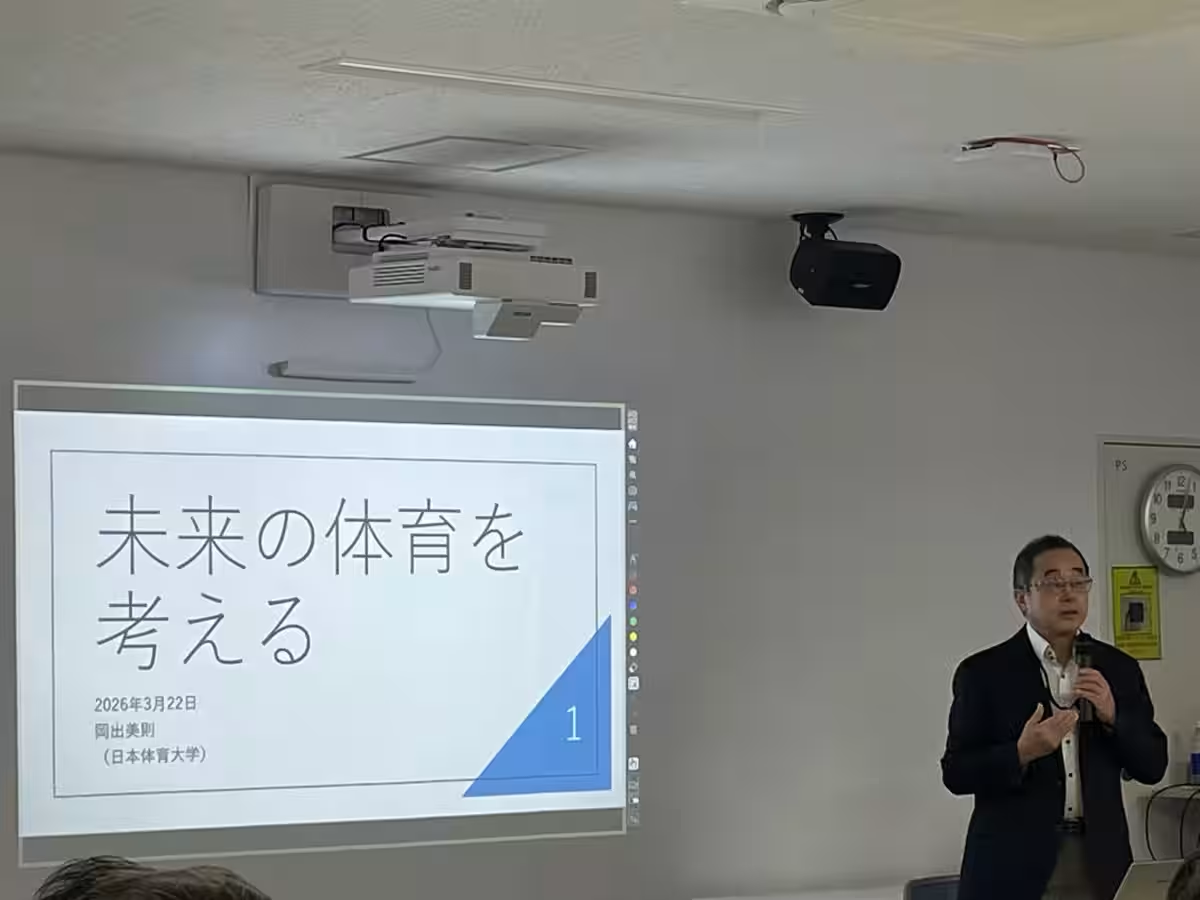
In his summation, Dr. Okade emphasized the need to focus on what students should learn and how lessons should be designed around those goals. He pointed out that future physical education must visualize and evaluate the learning processes of students and not solely focus on knowledge and skills. Moreover, he stressed that ICT is not a barrier but a facilitator for learning and relationship-building.
The symposium underlined that the future of physical education is not about the novelty of tools but about redesigning learning experiences. The practical examples from schools utilizing HADO illustrated how to ensure participation, promote strategic thinking, encourage collaboration, and evaluate learning inclusively. The drive towards a future where physical education encompasses everyone’s needs brings optimism and innovation to the field.
About HADO and Meleap
HADO, a blend of physical sports and digital technology, exemplifies a new form of sports termed 'Techno Sports.' Participants wear headsets and sensors to engage in strategic play, promoting cognitive and cooperative skills. It is witnessing global expansion across 39 countries, enabling all participants to face challenges together, regardless of their skill levels.
Meleap Inc., the company behind HADO, strives for a world where everyone can enjoy movement and enhance their overall well-being. They utilize AR technology to create engaging activities and are committed to making sports and entertainment accessible for everyone. Their vision encompasses not only the joy of physical activity but also the excitement of connecting with others, truly enriching the human experience.


Topics Health)


【About Using Articles】
You can freely use the title and article content by linking to the page where the article is posted.
※ Images cannot be used.
【About Links】
Links are free to use.