



Understanding the Hidden Efforts Behind Weight Management of Aquarium Animals
Exploring Weight Management at Sunshine Aquarium
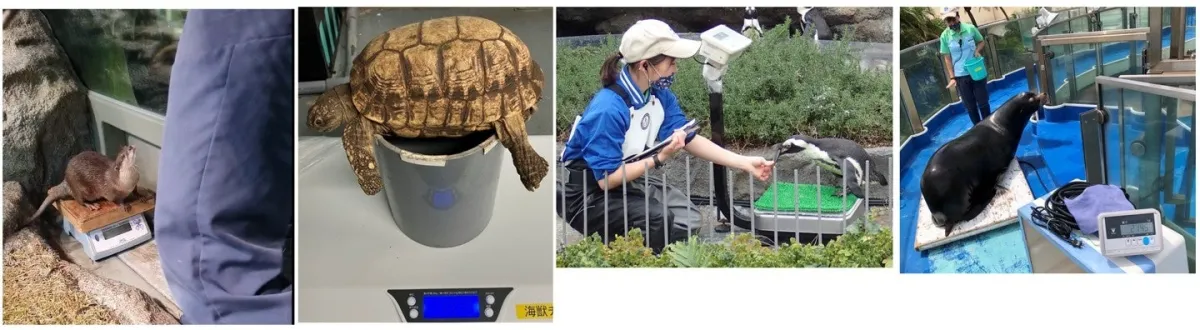
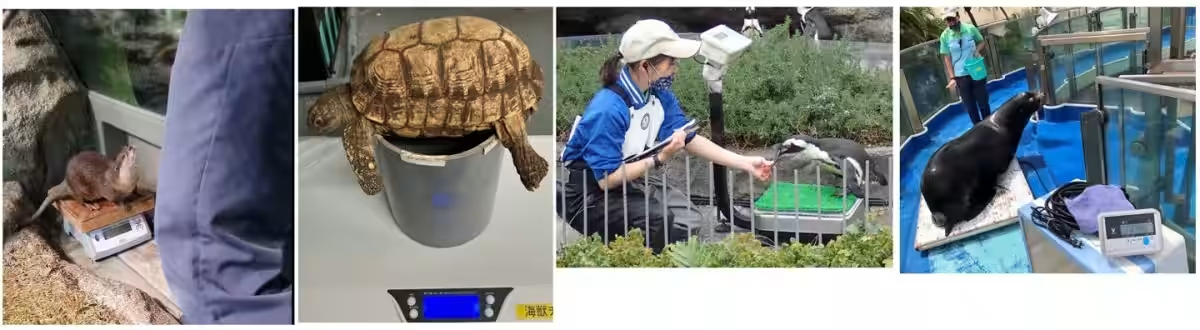
On May 20, 2023, Sunshine Aquarium in Ikebukuro, Tokyo, celebrated World Measurement Day by conducting weight measurements for various inhabitants, including otters, seals, and penguins. This event not only emphasizes the significance of weight monitoring for animal health but also showcases the diligent efforts of the aquarium staff.
Since its full renovation in 2011, Sunshine Aquarium has become home to around 550 species and 23,000 creatures. Maintaining the health of these diverse animals is a daily priority, requiring a variety of health management techniques. This article delves into how the aquarium prepares for World Measurement Day by illustrating their animal health initiatives through systematic weight measurements.
The Importance of Weight Measurement
Weight measurement is an essential aspect of early illness detection and treatment in animals. By monitoring daily weight changes, staff can identify signs of obesity or diseases, optimize nutritional intake, and adjust medication dosages. Furthermore, regular weight checks help track the growth and breeding data of individual animals, making this practice crucial for veterinary care.
However, weighing animals isn’t as straightforward as it might seem. Many creatures are wary of unfamiliar objects like scales, which can lead to erratic movements that disrupt accurate readings. For this reason, specialized equipment and techniques, such as a method known as “husbandry training,” are utilized to facilitate a calm and controlled weighing process.
Understanding Husbandry Training
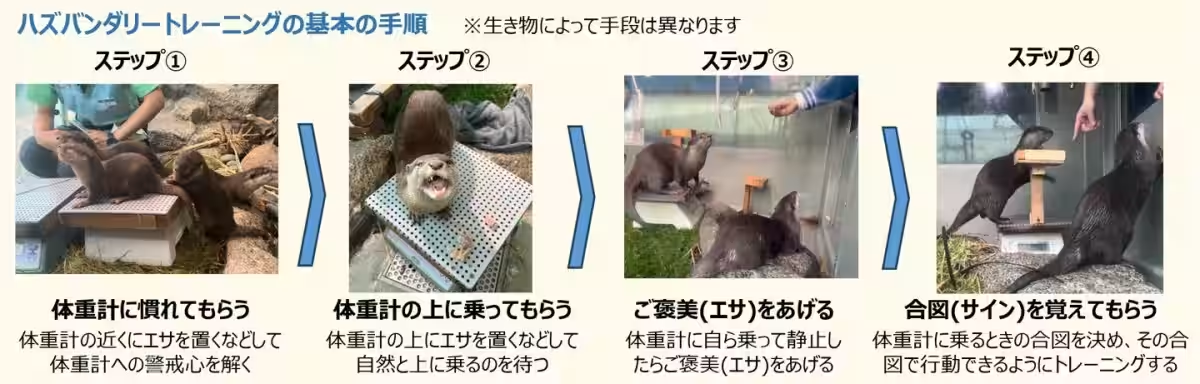
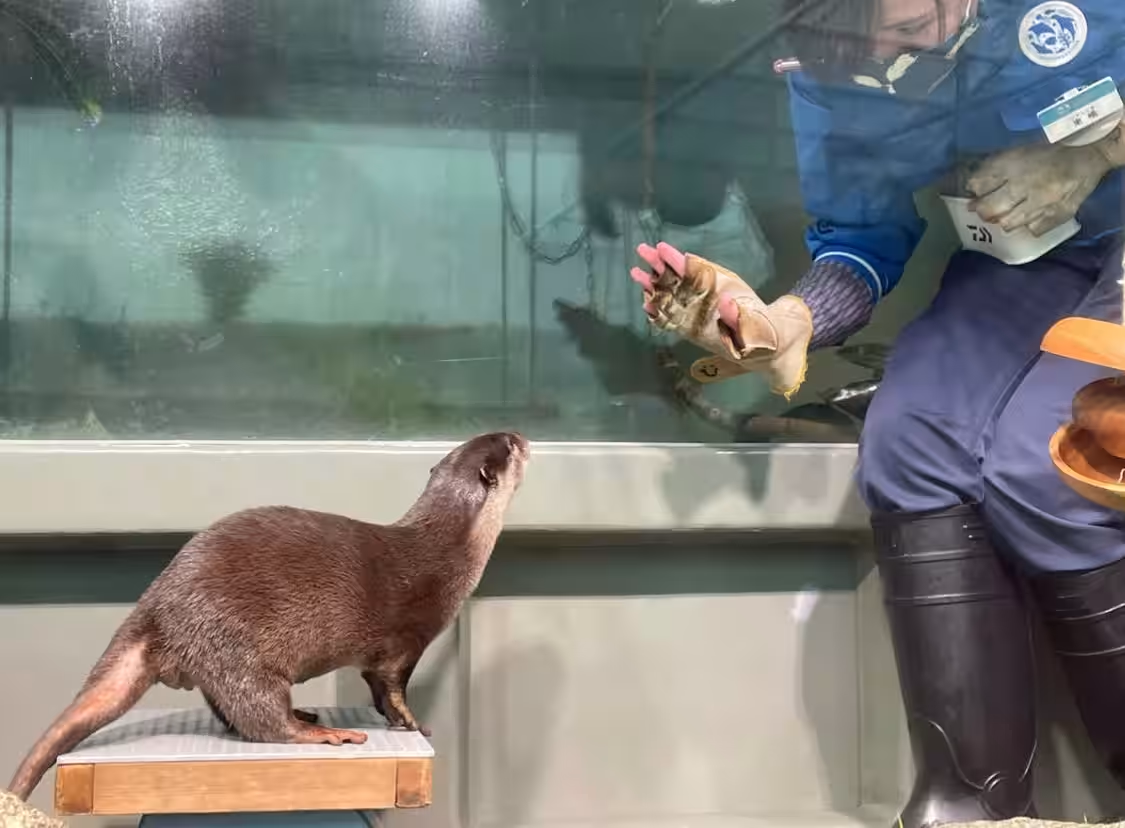
Weight measurement techniques differ based on the species and size of the animals involved. Typically, animals do not intuitively understand how to interact with a scale. Therefore, staff need to acclimatize them gradually. Husbandry training seeks to minimize stress while encouraging voluntary behaviors like stepping onto a scale. Staff create a supportive environment where desired behaviors are reinforced with positive feedback.
A successful training regimen can last from one month to several months, depending on the species. The goal is for animals to willingly approach the scale without needing to be physically restrained, allowing staff to take accurate readings stress-free.
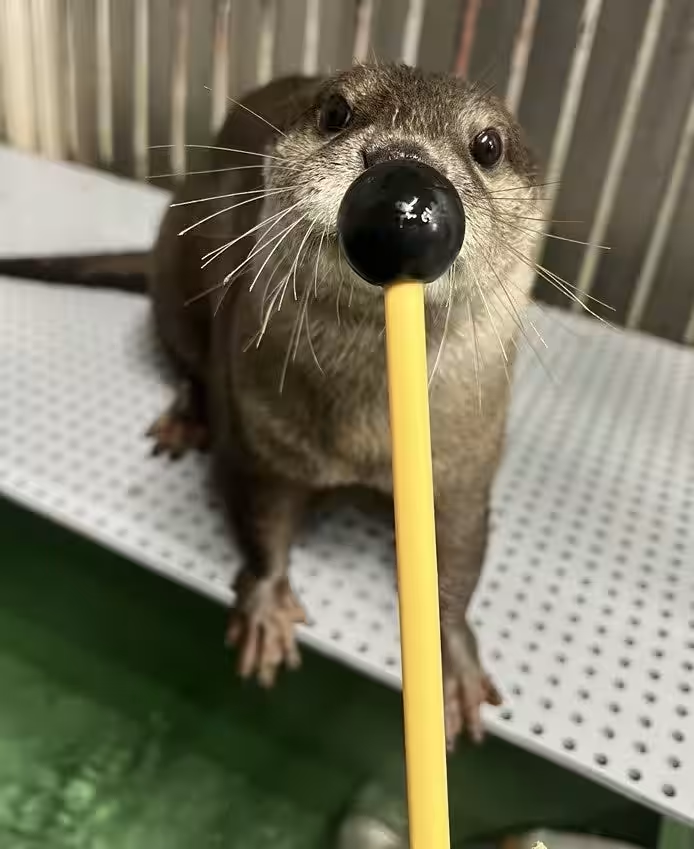
For example, in weighing the Japanese river otters (a small species weighing about 3 to 4 kg), staff must train them to overcome their fear of the scale, remain still during measurement, and ensure no body parts extend beyond the platform, which could skew results. This process involves patience and skill to encourage desirable actions at their own pace.
Weighing Other Species
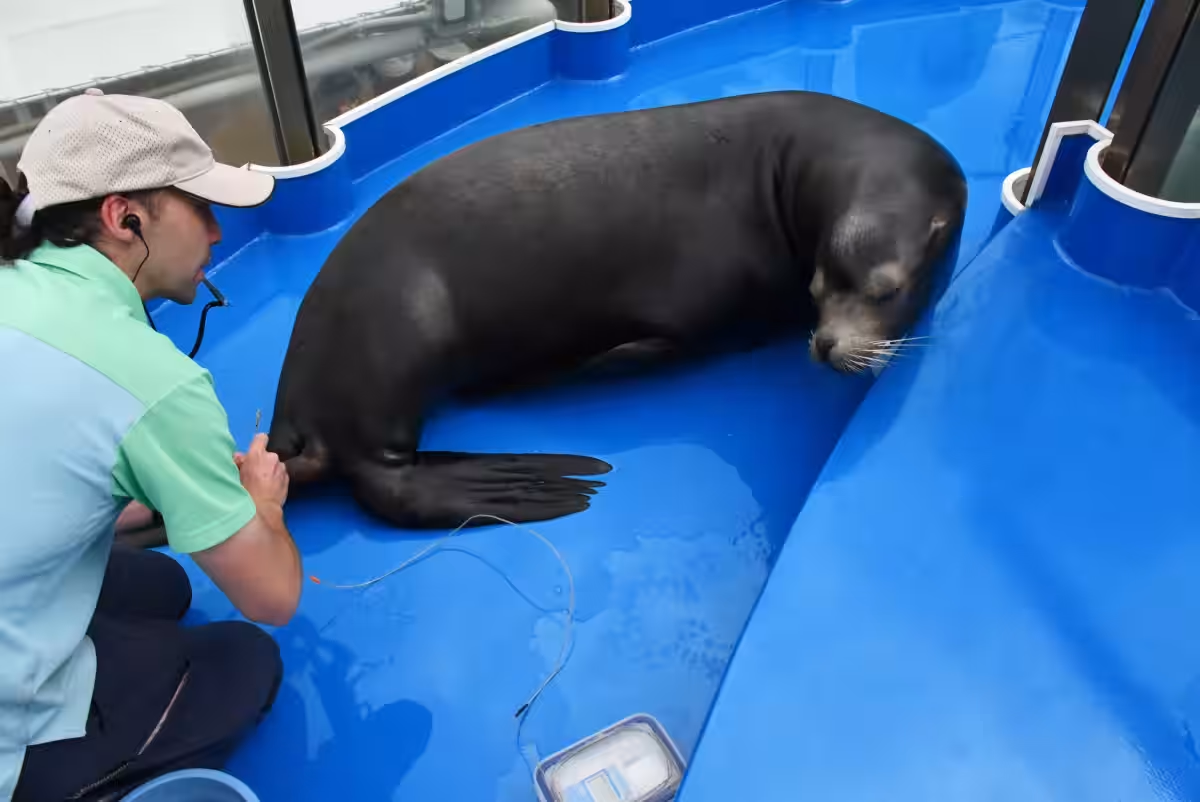
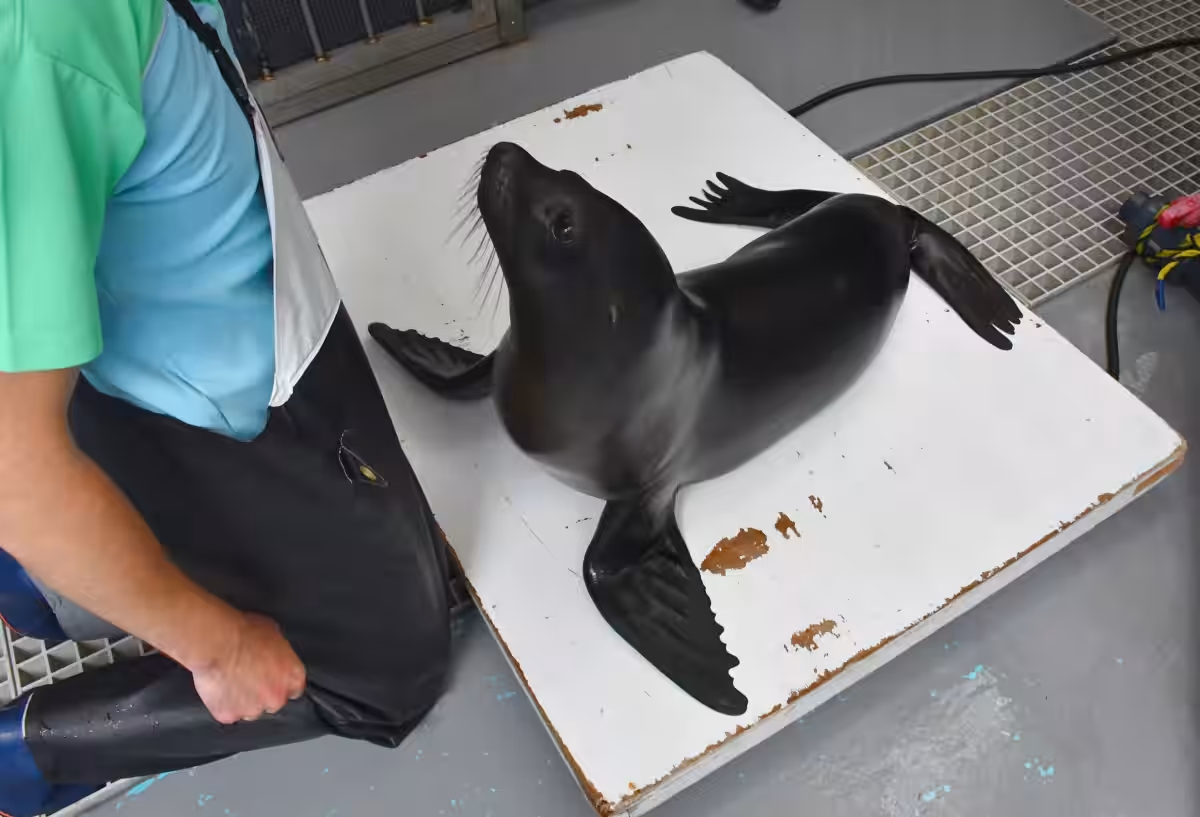
The weight management strategy varies significantly among species. For instance, California sea lions, who can weigh up to 300 kg for males, require consistent monitoring throughout the year due to fluctuations in weight that occur with seasonal changes. They are fed a generally consistent diet, but their weight is evaluated weekly or bi-weekly to ensure their dietary needs align with their weight status.
The youngest sea lion, a pup named Joy, born in June last year, faced challenges as training commenced, often remaining close to her mother, Paco. This necessitates careful planning to ensure accurate measurements without the interference of maternal instincts.
On the other hand, iguanas exhibit different behaviors altogether. Known for their wariness, interactions during weight checks depend largely on timing and manipulation of feeding patterns. Staff use feeding times to facilitate health checks, ensuring the lizard is calm enough to be weighed without additional stress.
The Critical Role of Observation
Maintaining and managing the weight of these animals is one of the most critical tasks undertaken by the aquarium staff, demanding advanced observational skills and a deep understanding of each animal's needs. Daily monitoring of eating habits, waste, physical appearance, and behavior forms the cornerstone of early detection for any potential health issues. Environmental factors such as water temperature and quality must also be regularly assessed to maintain optimal living conditions.
Staff fine-tunes dietary options on a meal-by-meal basis to align with individual preferences and health statuses, implementing various strategies to encourage proper consumption. Environmental enrichment, which promotes natural foraging behaviors and improves overall quality of life, is also integral to their care approach.
For aquatic life, management involves a different set of challenges. Since fish cannot be weighed easily a regular system of visual checks conducted by staff helps in assessing their health. Monitoring for any signs of distress or abnormal behavior, such as changes in swimming patterns or feeding habits, is critical to their wellbeing.
Conclusion
All efforts aim to ensure the animals at Sunshine Aquarium remain healthy and thriving. The meticulous dedication of the staff to uphold precise weight management reflects the environment and caring relationships developed with the creatures in their care. This often unnoticed but vital work illustrates both the science and art behind animal husbandry, proving crucial to the continued health of the aquarium’s diverse population.
For those curious to witness these fascinating processes firsthand, Sunshine Aquarium encourages visits, especially around significant days like World Measurement Day, to highlight the importance of animal welfare and care.
For further information about visiting the aquarium, please check their website or contact them directly for information on ticketing and events.




Topics Entertainment & Media)
【About Using Articles】
You can freely use the title and article content by linking to the page where the article is posted.
※ Images cannot be used.
【About Links】
Links are free to use.