




The Launch of a New Program Aiming to Reduce Re-examination Rates through Food Behavior Visualization
Introduction
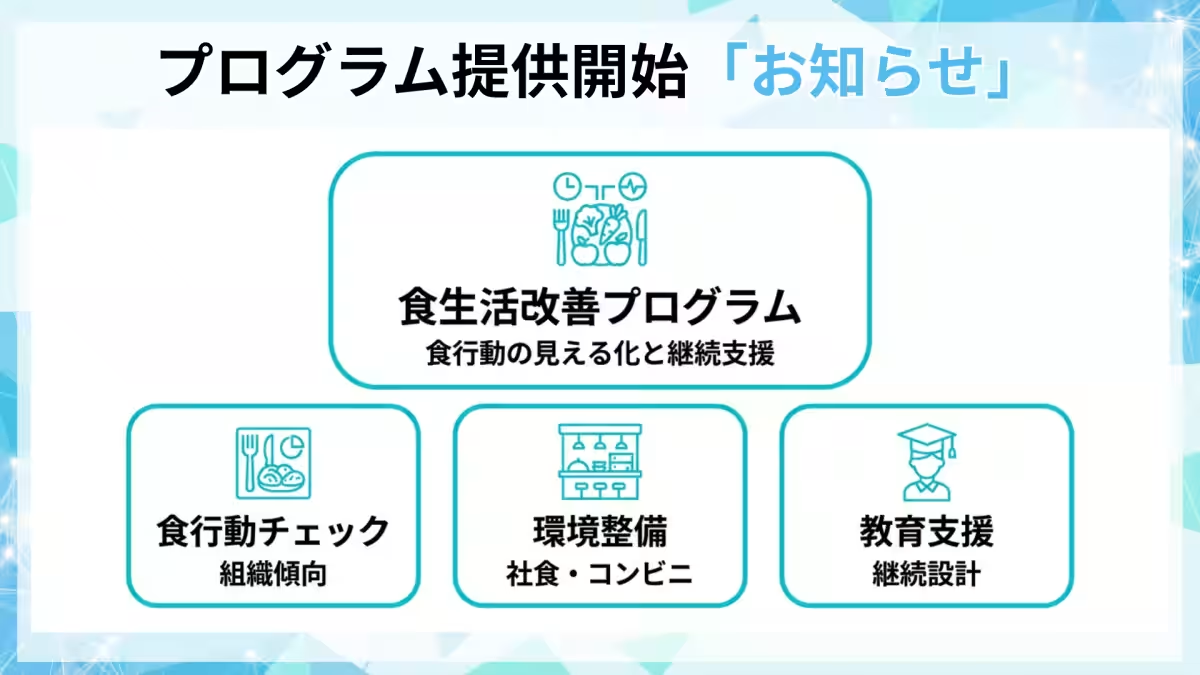
Fractal Workout Co., Ltd., based in Shibuya, Tokyo, has unveiled a new initiative designed to reduce re-examination rates resulting from health checkup findings, such as follow-up tests and health guidance. This program, termed the "Food Behavior Improvement Program," aims to merge the visualization of eating habits with ongoing support mechanisms, ultimately lowering the number of individuals who find themselves needing re-examination.
Program Overview
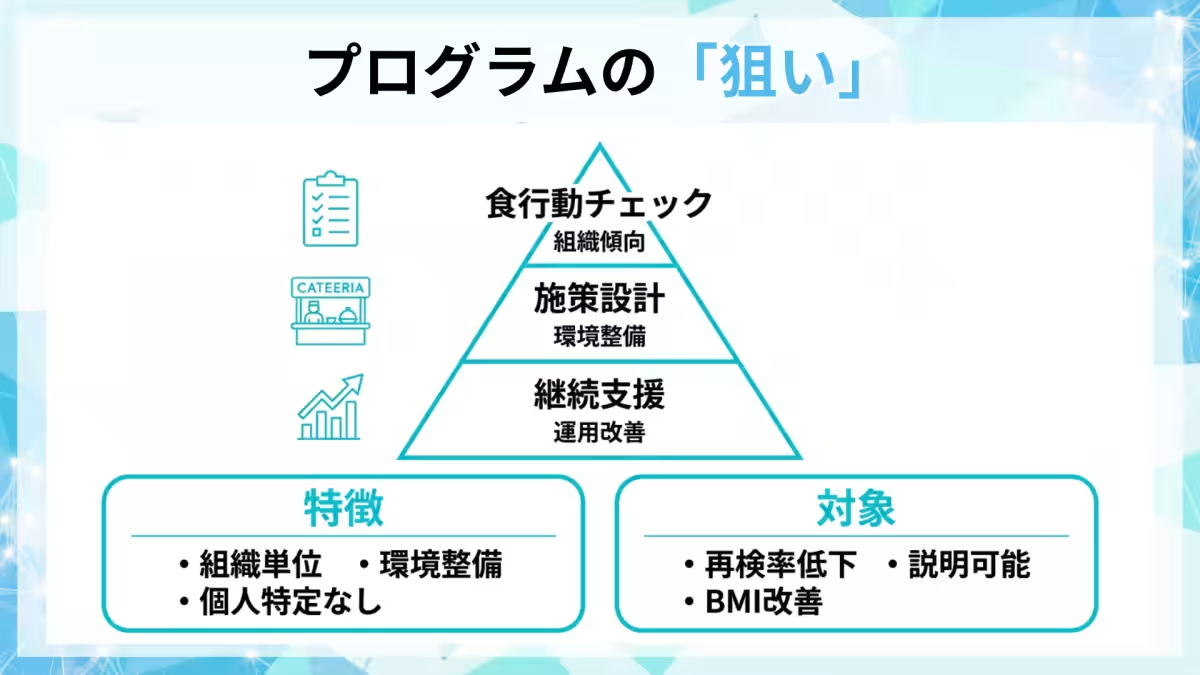
This initiative diverges from conventional, individual-focused coaching. Instead, it assesses food behavior trends at an organizational level. It facilitates understanding of collective eating patterns among employees and enhances the workplace food environment, including the configuration of company cafeterias and convenience stores. By doing so, the program aims to impart sustainable practices into daily routines.
The fundamental premise of the program is to help organizations identify areas needing improvement regarding food behaviors without targeting individual participants. It focuses on collective trends, allowing for modifications in the workplace that can lead to healthier choices. The overarching goal is to track effectiveness through changes in health metrics, such as re-examination rates and Body Mass Index (BMI) distributions, over time.
Background of Program Development
With rising re-examination and health guidance figures from health checkups, organizations face challenges not only regarding employee health risks but also concerning productivity losses and increased medical costs. Efforts to enhance food behaviors often falter because, while employees might understand what they should do, they often struggle to implement meaningful changes in their diets. This new program seeks to visualize eating behaviors and alter the food environment within workplaces, ultimately creating a framework that fosters lasting change.
Step-by-step Implementation
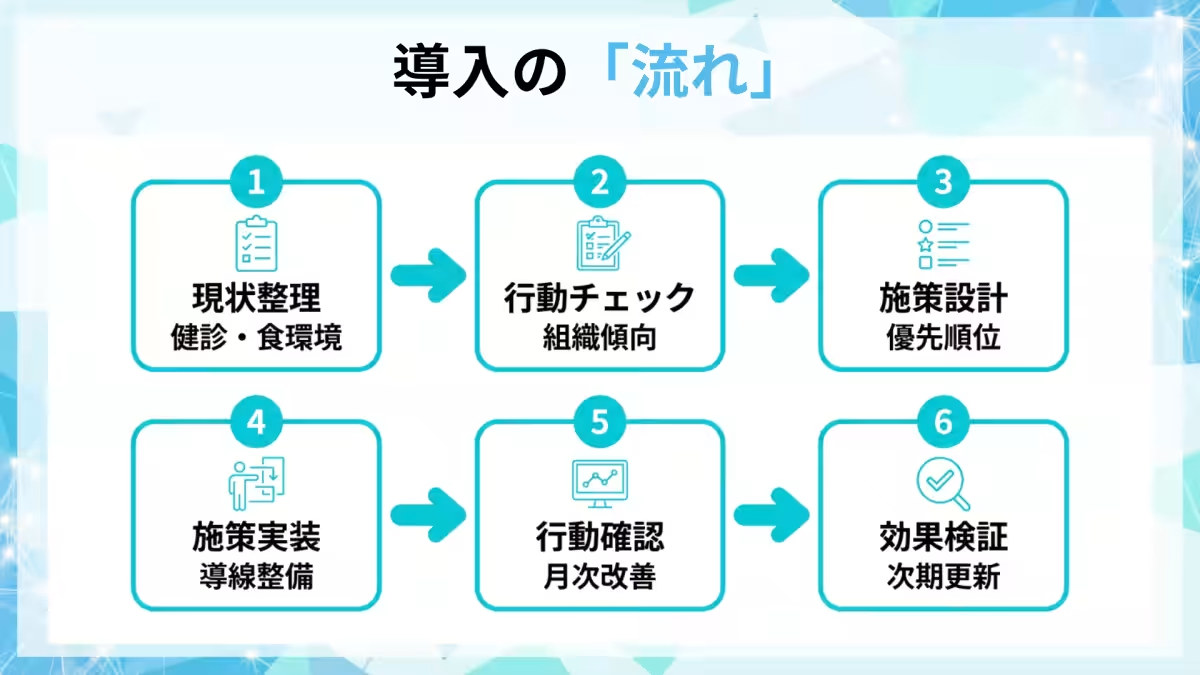
The program operates through several stages:
1. Food Behavior Assessment: Identifying and documenting behaviors related to meal timing, dining out, snacking, beverage choices, and alcohol consumption.
2. Trend Analysis: Instead of evaluating individuals, the data is aggregated to reveal organizational tendencies, helping prioritize issues that need addressing. This approach assists in recognizing differences between departments or locations, further allowing for focused initiatives.
3. Strategic Implementation of Measures: Design of a continuation mechanism that integrates education and improvements to company cafeteria menus and infrastructure. This involves creating clear pathways for decision-making at convenience stores and aligning food choices with employees' needs.
4. Sustained Support and Adjustment: Regularly assessing behavior metrics to understand difficulties employees experience and modifying operational strategies to enhance effectiveness—not merely increasing demands on employees but adjusting environments and options to encourage healthier choices.
Anticipated Impact on Management
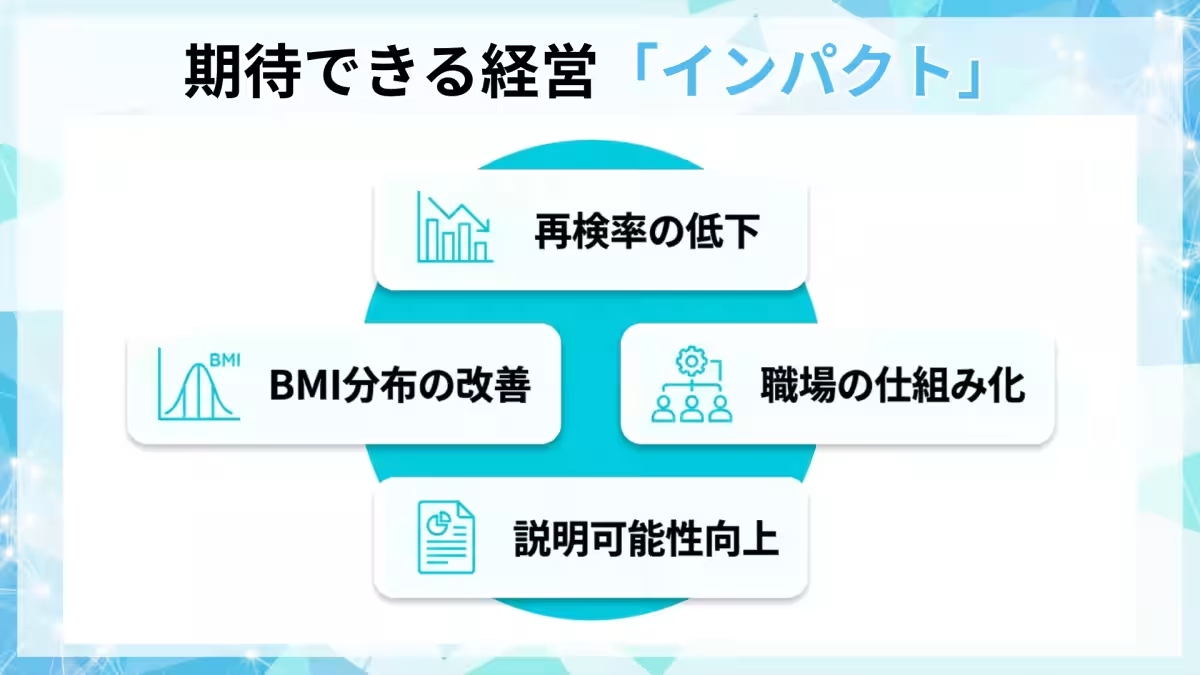
The expected outcomes from this initiative include:
- - A decrease in re-examination rates by transitioning from neglecting recommendations to actively monitoring health status with clear indicators, enabling organizations to implement necessary interventions if required.
- - Organizational tracking of BMI distributions, leading to insights into holistic changes rather than focusing solely on individual results, allowing for informed decision-making regarding health interventions.
- - An improvement in employee diet management by evolving the perspective from "individual responsibility" to a "systematic workplace approach," thereby integrating food environments with educational initiatives.
- - Enhanced clarity about health initiatives, with the ability to present progress indicators alongside healthcare metrics for improved engagement and understanding of the health program's objectives.
Conclusion
By making food behaviors visible at the organizational level and combining improvements in workplace food options and educational outreach, Fractal Workout is committed to fostering a healthier workforce. This program aims not only to lower re-examination rates but also to promote a positive change in BMI distributions across organizations through continuous assessment and responsive strategy updates. This initiative is an exciting development in health management solutions, emphasizing the importance of a supportive workplace environment.
Company Information
- - Company Name: Fractal Workout Co., Ltd.
- - Location: 1-14-34 Jinguumae, Harajuku Jinju-no-Mori Building 4F, Shibuya, Tokyo
- - CEO: Masahiro Takase
- - Established: April 1, 2020
- - Capital: 500 million yen
- - Business Areas: Health management solutions, fitness services
- - Contact:
- Email: [email protected]
- For Partnership Inquiries: Interested parties in health management and human capital management are encouraged to reach out through our website: Fractal Workout.
- Memberships: Participates in several organizations promoting health management, including Healthy Management Alliance and Smart Life Project.



Topics Health)
【About Using Articles】
You can freely use the title and article content by linking to the page where the article is posted.
※ Images cannot be used.
【About Links】
Links are free to use.