



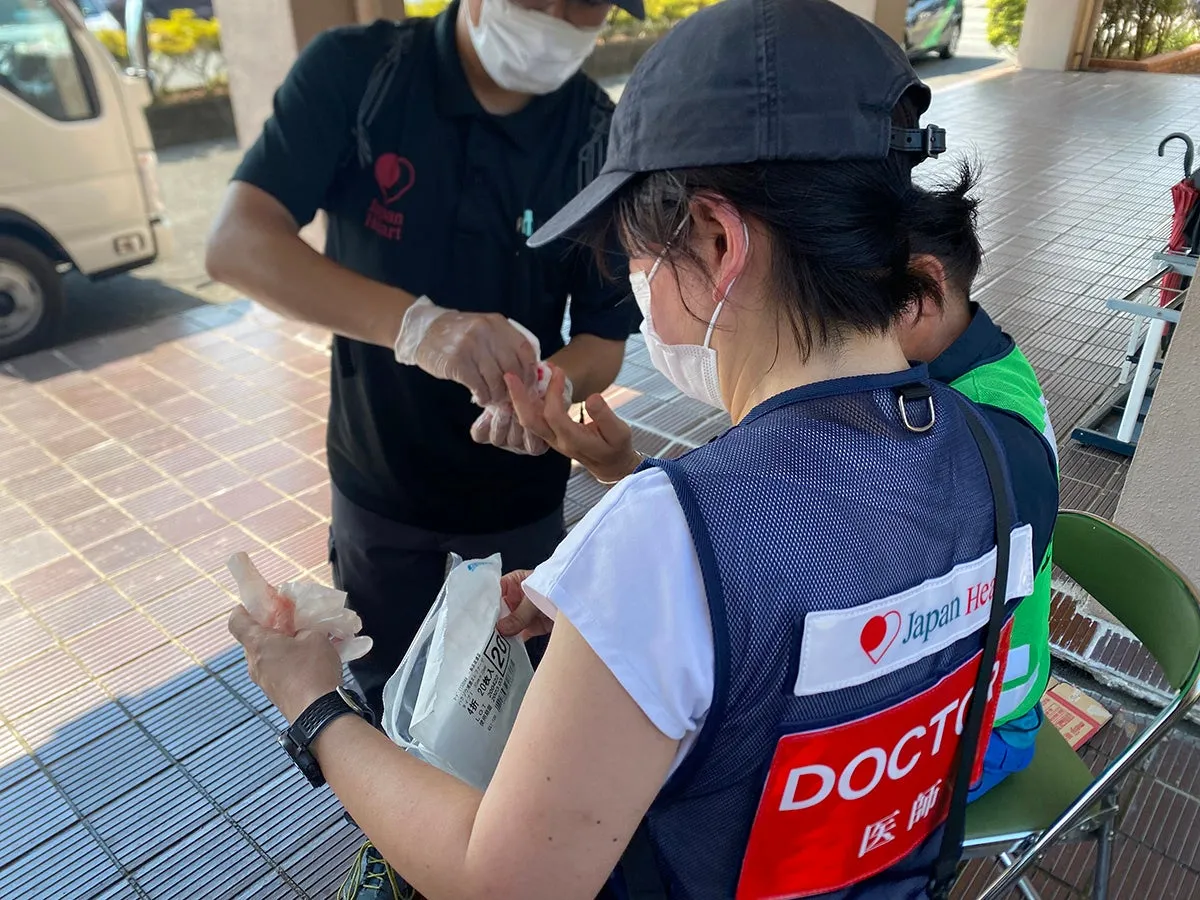
Continuing Medical Support in Yatsushiro City After the Kumamoto Earthquake
Ongoing Medical Support in Yatsushiro City
As we approach the one-month mark since the Kumamoto earthquake on July 28, 2026, the challenges faced by evacuees in Yatsushiro City, which suffered significant damage, remain pressing.
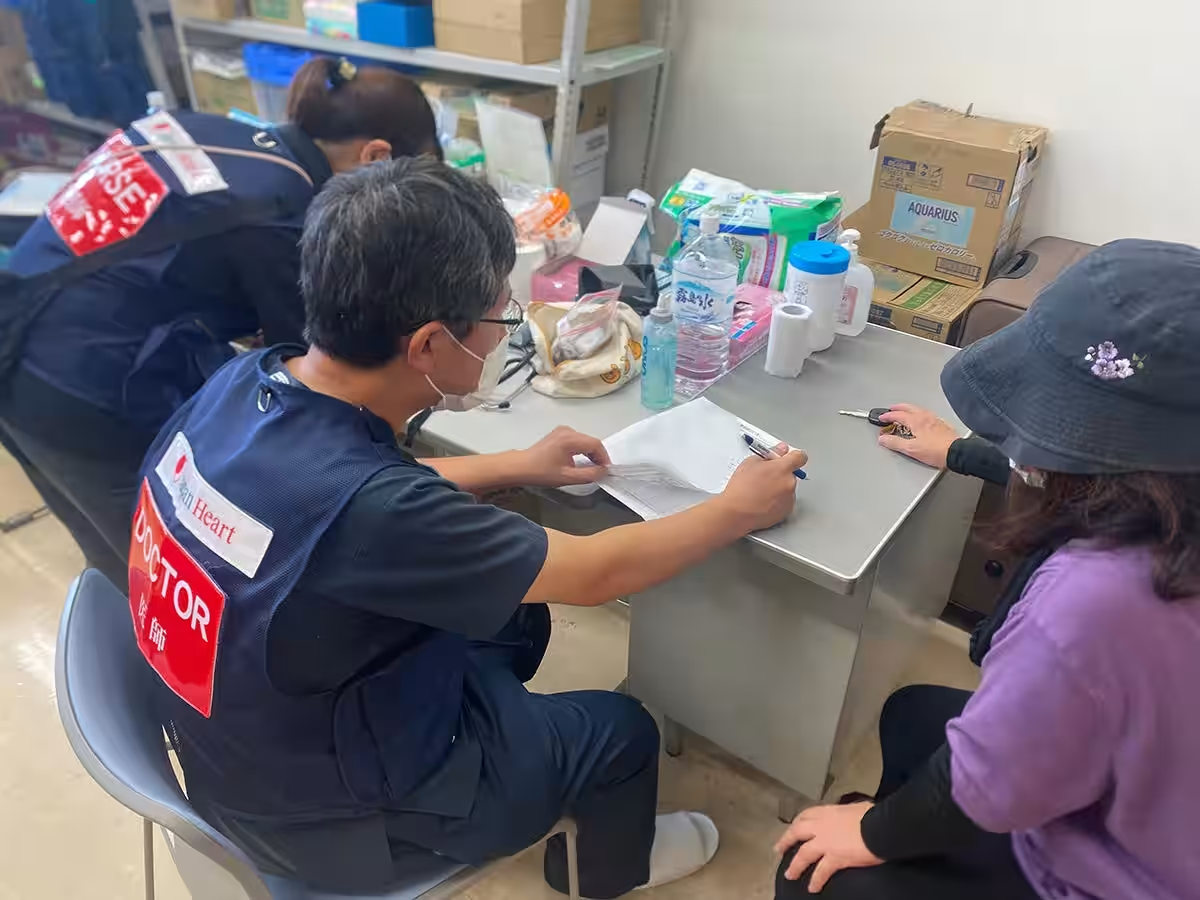
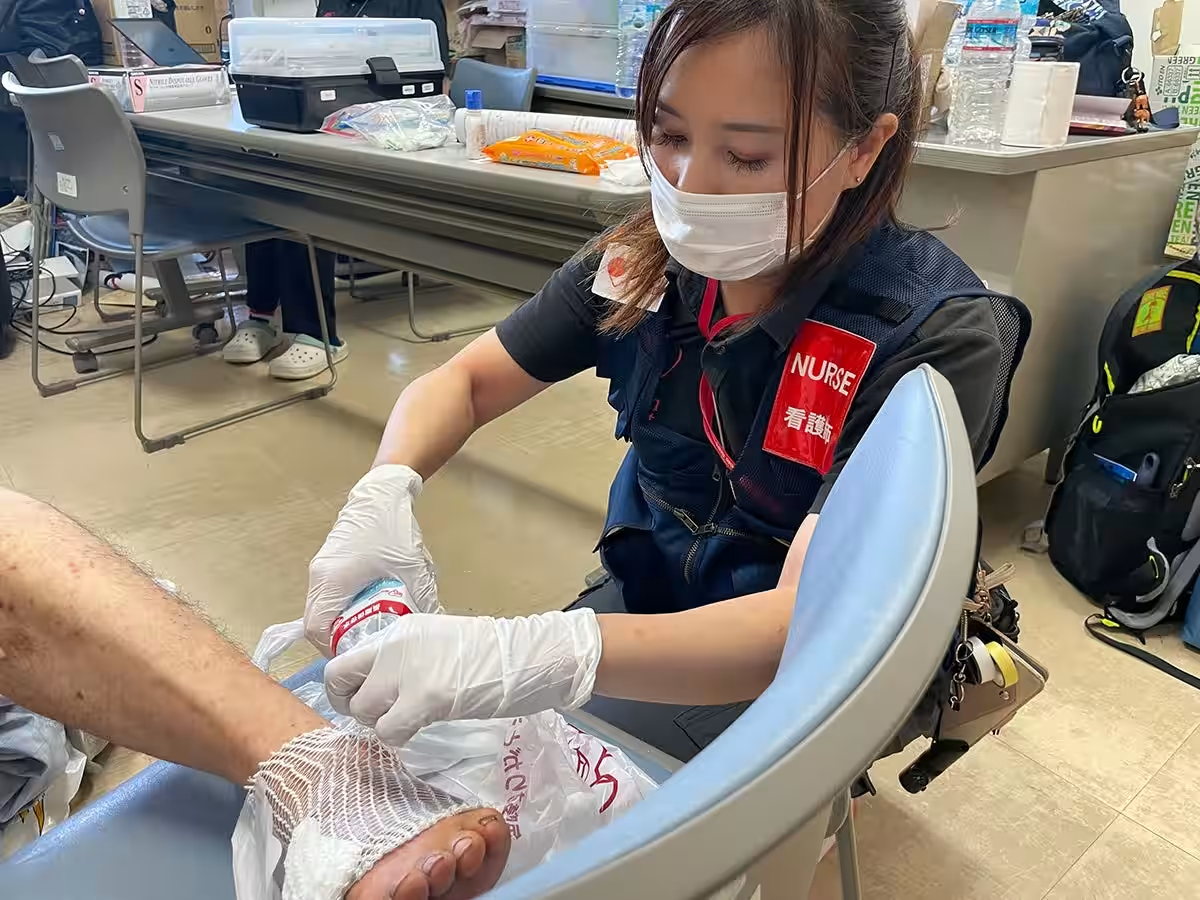
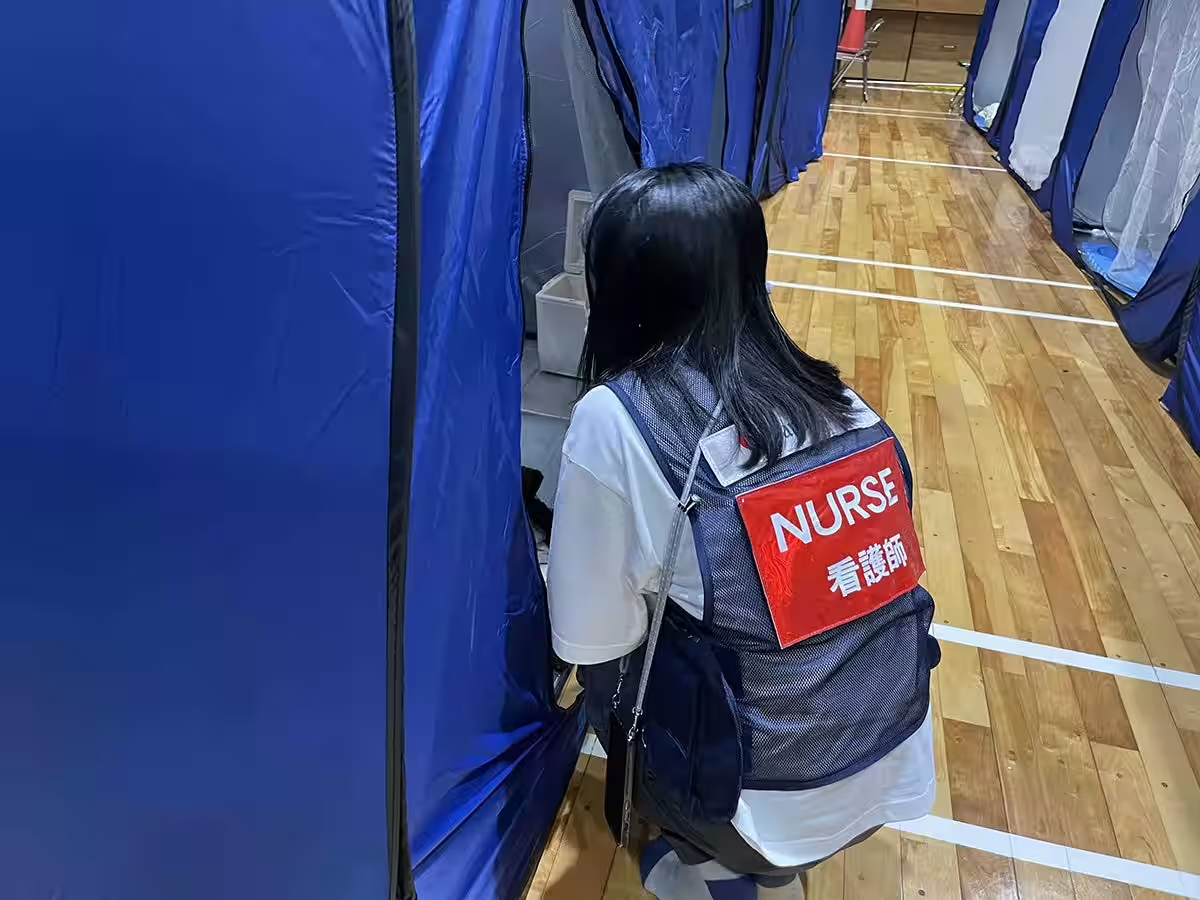
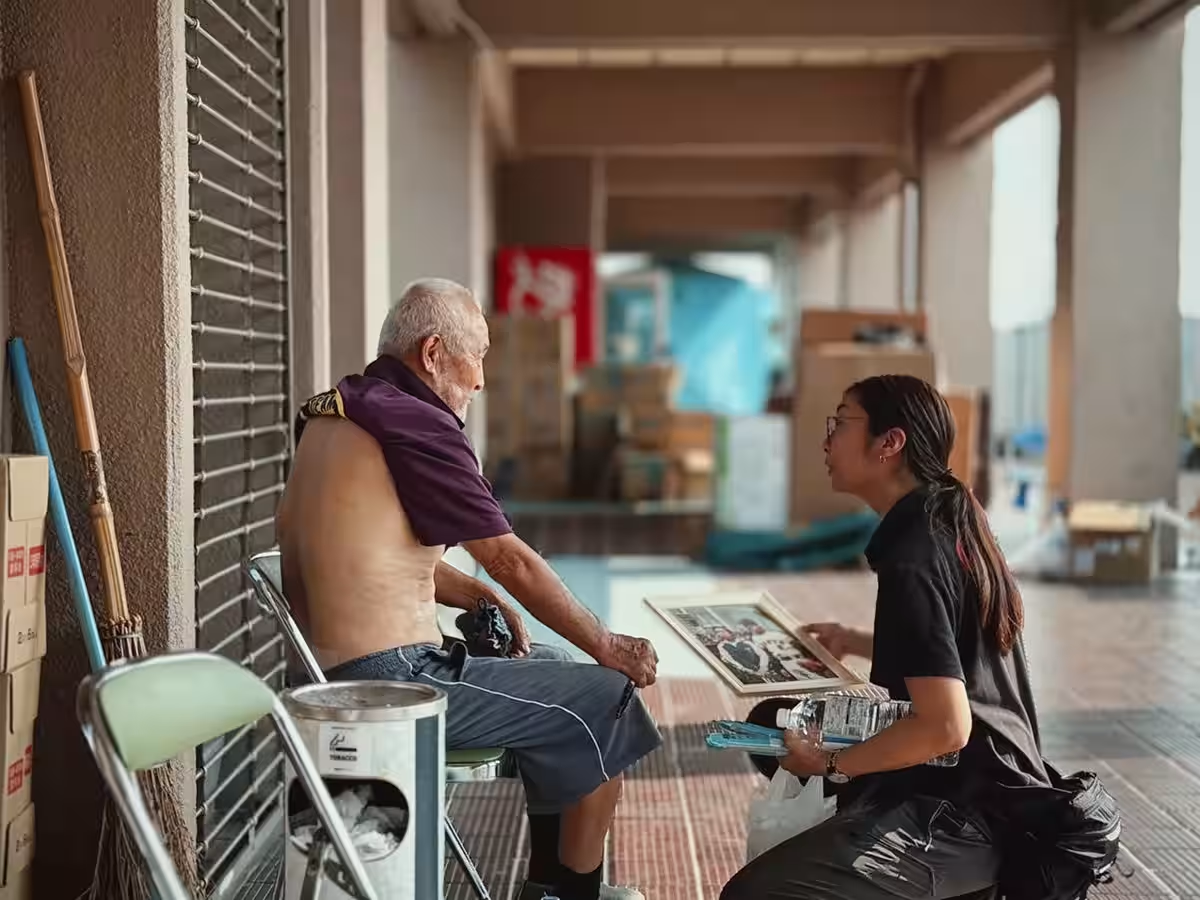
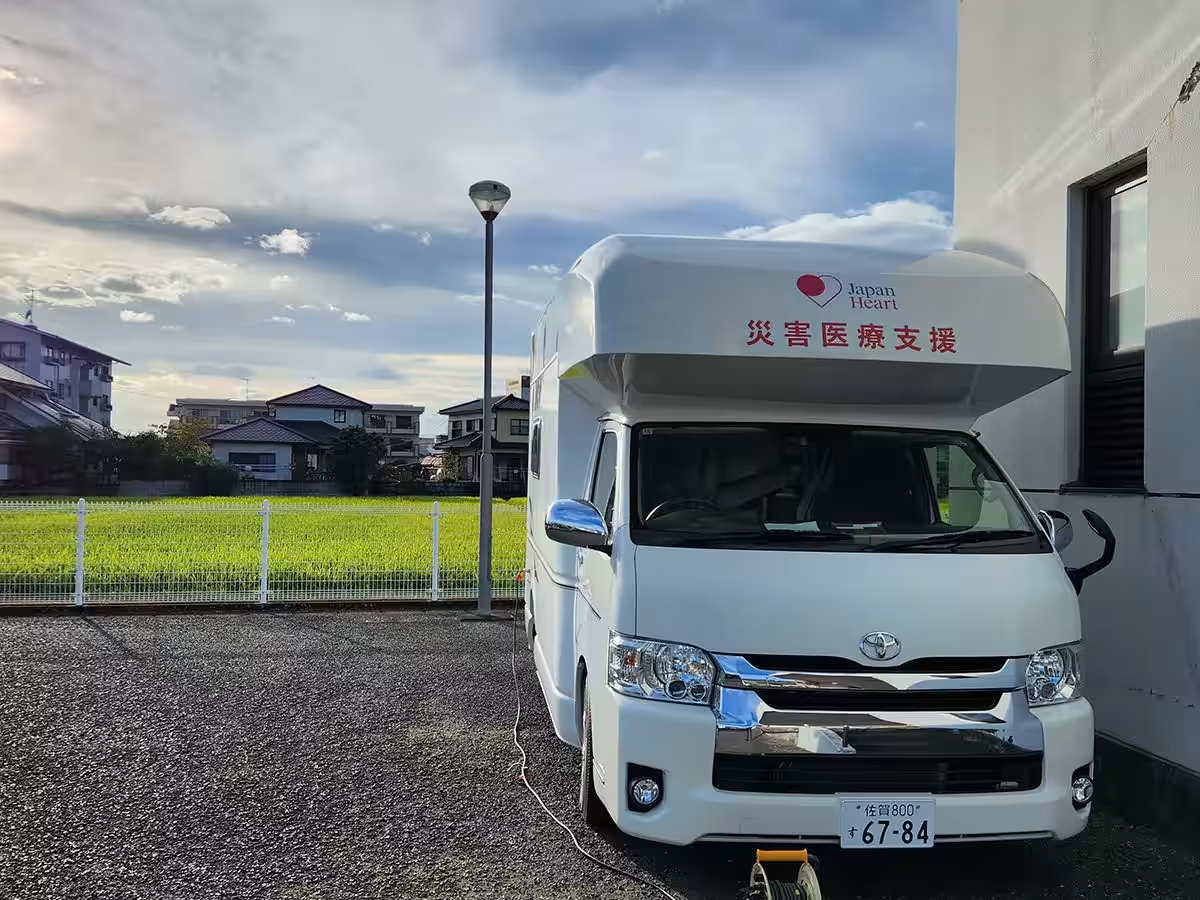
Japan Heart, an international medical NGO based in Tokyo, has been actively engaged in providing medical assistance since the day of the disaster. Following an agreement with Kumamoto Prefecture, the organization deployed a team the day after the earthquake and has been stationed at various evacuation shelters ever since. Over the past month, they have conducted over 800 medical consultations and interacted closely with evacuees, gaining valuable insights into the hardships faced during this extended period of displacement.
The State of Health in the Affected Area
Since the earthquake, which registered a maximum intensity of 7 on the Japanese scale, around 160 residents in Yatsushiro City have been living in evacuation centers as of August 26. Despite progress in restoring local infrastructure and basic services, concerns about health issues arising from prolonged displacement have been mounting.
This summer's heat adds another layer of complexity to the situation. Evacuation has coincided with extreme temperatures, resulting in heightened risks of heat stroke, dehydration, and infectious diseases.
Japan Heart's Integrated Support Efforts
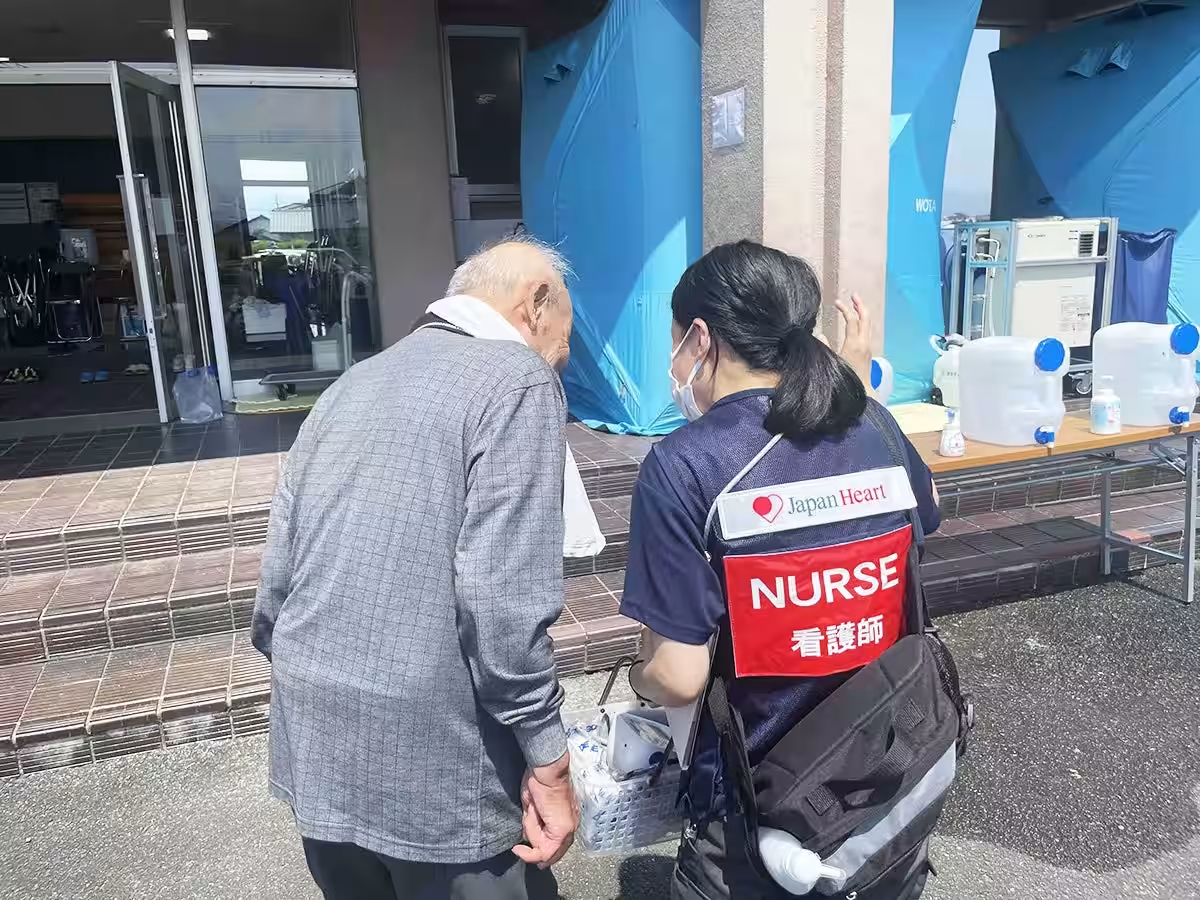
Since the onset of the disaster, Japan Heart has provided essential supplies, deployed medical teams consisting of doctors and nurses, and established medical consultation booths in shelters. They also support the daily needs of evacuees, including sanitation, nutrition, and overall living conditions. This multifaceted approach seeks not only to address immediate medical needs but also to restore a degree of normalcy to evacuees' lives.
Support Achievements (as of August 25)
- - Duration of Activities: July 28, 2026 - Ongoing
- - Number of Dispatch Personnel: 43 (medical and support staff)
- - Total Medical Consultations: 169 individuals, 858 cases
- - Other Activities: On-site support at 2 evacuation centers, outreach medical services, and regular visits to homes.
- - Supplies Distributed: Assistance at 5 locations (including food, water, and personal care items).
Identifying Health Risks of Evacuation Life
The dedicated medical team has encountered several health risks unique to the summer and extended evacuation, highlighting five main concerns:
1. Heat Stroke and Dehydration: Many evacuees experienced dehydration due to unsanitary conditions, prompting them to avoid drinking water. As a result, incidents of heat stroke increased, particularly among the elderly.
- Recommendations: Stay hydrated with small sips regularly, particularly during peak heat hours.
2. Deep Vein Thrombosis: Reports have indicated cases of blood clots among evacuees who remained sedentary for long periods.
- Recommendations: Engage in light exercises and avoid prolonged inactivity.
3. Infectious Diseases and Food Poisoning: Unsanitary conditions have led to deteriorating health among evacuees dealing with untreated wounds and unsuitable food storage practices.
- Recommendations: Maintain hygiene; ensure proper food handling and waste disposal.
4. Exacerbation of Chronic Conditions: Many evacuees have reported increased blood pressure or worsening respiratory conditions due to inadequate medication access or suitable living conditions.
- Recommendations: Keep medication available and ensure the living area is clean and ventilated.
5. Mental Stress and Insomnia: Initially relieved to be safe, many evacuees have since faced significant stress and anxiety, leading to insomnia and emotional distress.
- Recommendations: Engage in open communication, incorporate relaxation practices, and cultivate community support.
Future Outlook
As evacuation centers consolidate, Japan Heart's disaster medical support team remains committed to ensuring that evacuees with medical and social needs can continue to live safely until they transition into temporary housing. Adaptations in support strategies will continue based on current conditions and the evolving needs of the evacuees.
According to Mari Takahashi, head of disaster response at Japan Heart, despite some evacuees returning home, many continue to endure hardship in evacuation centers. The organization focuses on delivering essential aid to ensure that these individuals can effectively transition to their next stages in life while preventing disaster-related complications.
Japan Heart accepts donations to support these ongoing initiatives. For more information, please visit Japan Heart's support page.
Topics Health)
【About Using Articles】
You can freely use the title and article content by linking to the page where the article is posted.
※ Images cannot be used.
【About Links】
Links are free to use.