



Charichari Collaborates with Kikyū Town for Disaster Response Training
Charichari Collaborates with Kikyū Town for Disaster Response Training
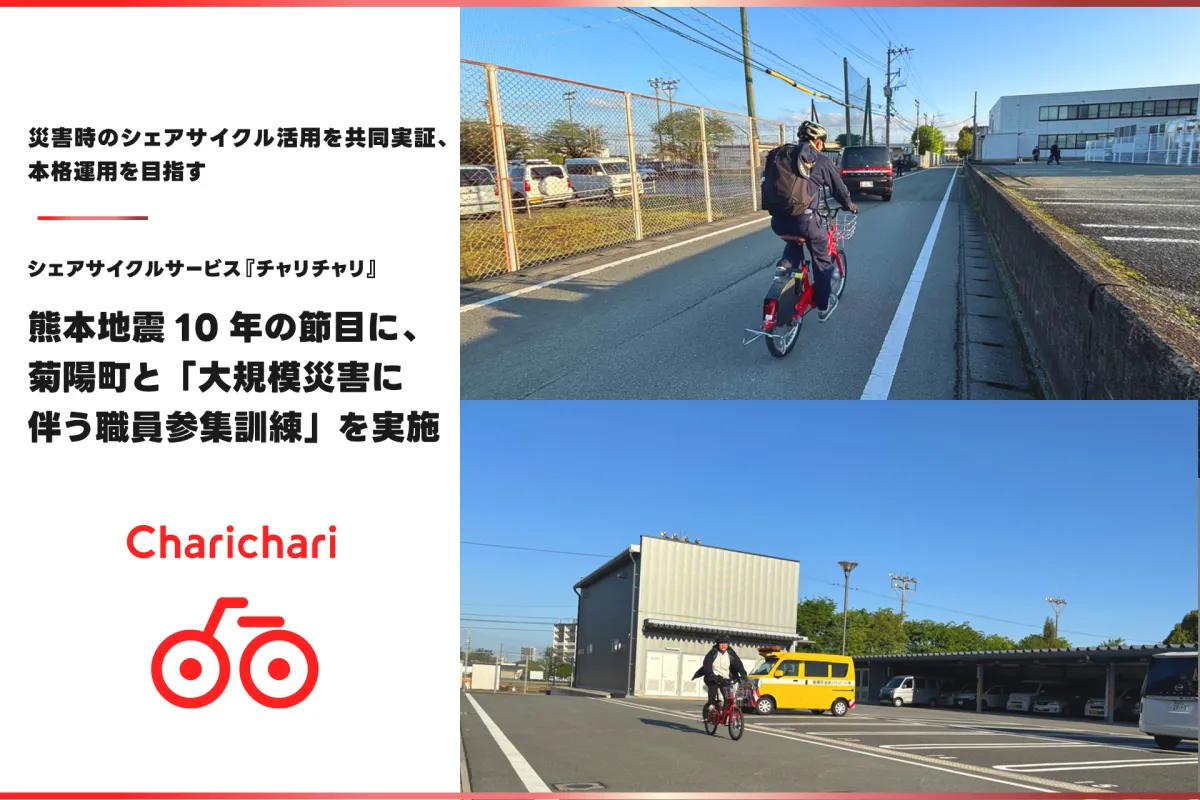
In a pivotal initiative commemorating ten years since the devastating Kumamoto earthquake, Charichari, a shared bicycle service company based in Fukuoka, joined hands with Kikyū Town on April 16, 2026, to conduct a training exercise focused on disaster response. This training, aimed at verifying the effectiveness of using shared bicycles during large-scale disasters, underscores the importance of maintaining mobility when public transport systems are disrupted.
Background and Objectives
As we reflect on the decade since the Kumamoto earthquake that struck in April 2016, there is a renewed emphasis on strengthening and reassessing disaster preparedness systems. The disruption of public transport during such crises poses serious challenges for local governments in their initial responses. Hence, ensuring transportation continuity in times of disaster has been identified as one of the social significances of shared bicycles.
The training was designed to examine the effectiveness of Charichari’s shared bicycles as a reliable means of transport for Kikyū Town’s staff when faced with transport disruptions following a disaster.
Details of the Disaster Training
1. Staff Assembly Training Based on Public Transport Disruptions
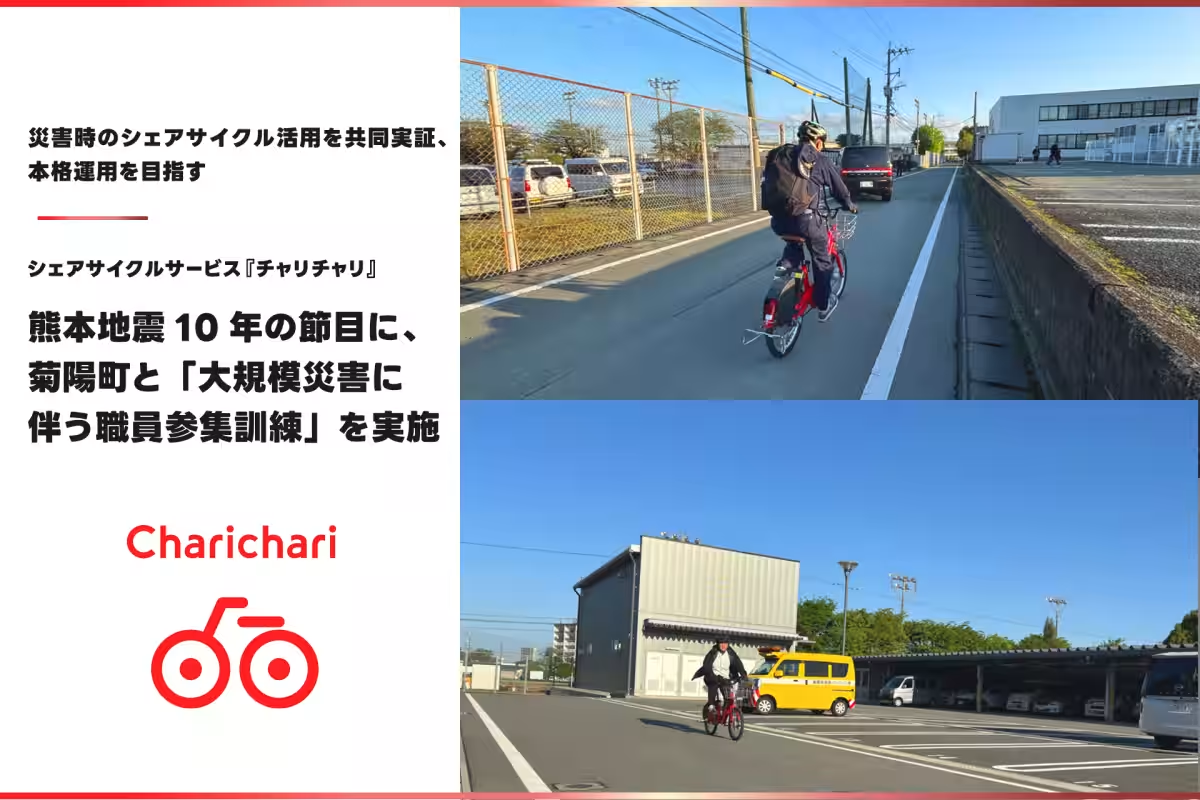
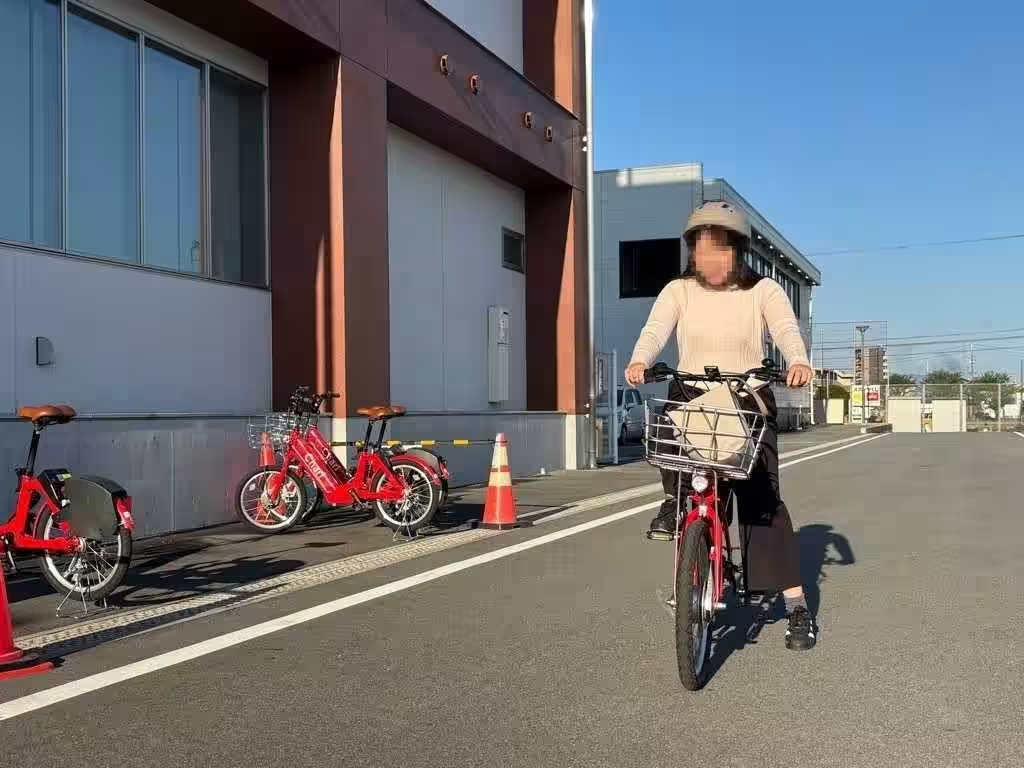
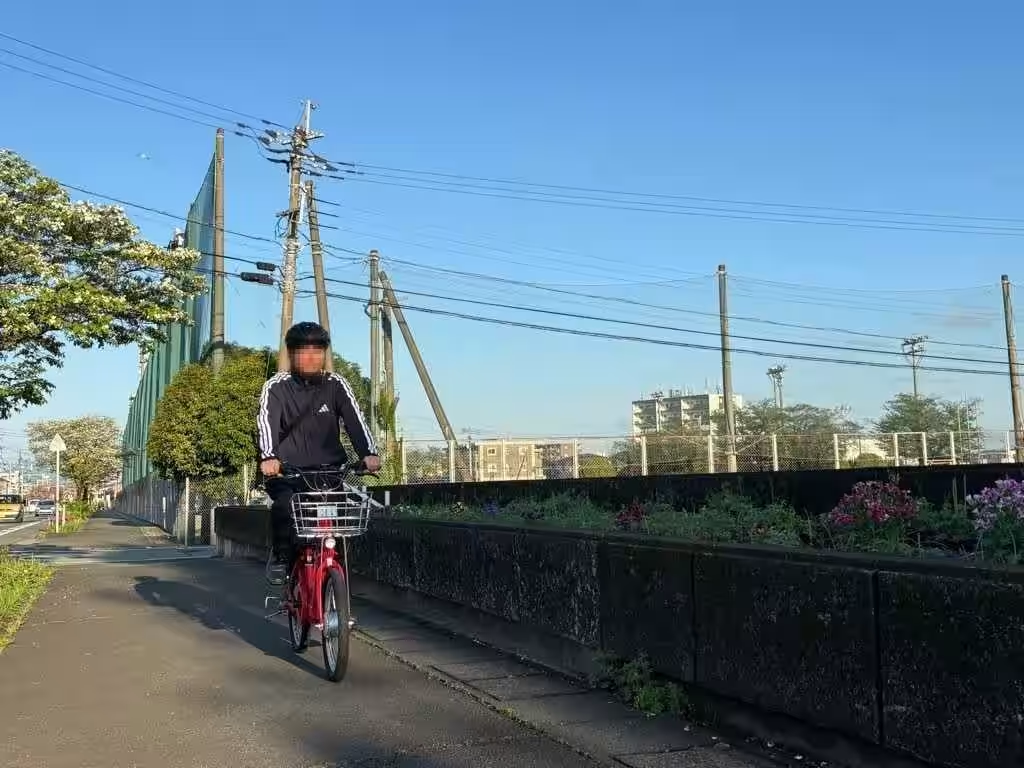
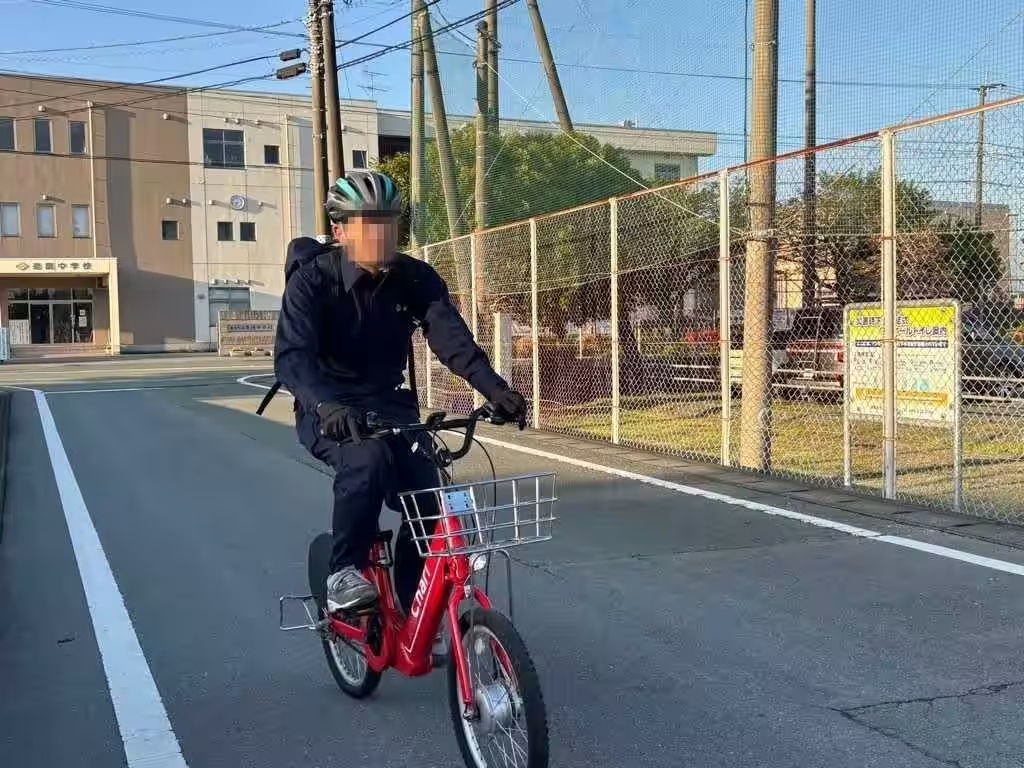
The training scenario simulated a situation where public transport services were suspended due to a large-scale disaster. Participating employees were expected to travel from their homes to the town hall using shared bicycles, walking, or riding motorcycles. They documented their travel routes, times, and any damages observed along the way. Participants utilized a disaster-specific code to unlock the bicycles through the Charichari app, confirming operational procedures and assessing how shared bicycles could secure reliable travel for staff, even amidst expected street congestion during emergencies.
2. Bicycle Safety and Traffic Rules Workshop
Prior to the training, an informational workshop was held to raise awareness about safe bicycle usage, not just during disasters but also in everyday life. The key topics of this pre-training session included:
- - The bicycle traffic violation notification system (Blue Ticket System)
- - Basic bicycle traffic rules and etiquette
- - Importance of wearing helmets
- - How to use Charichari effectively and navigate the app
Building a Response System for Shared Bicycle Utilization During Disasters
Following this training, Charichari plans to expedite discussions with local government officials about utilizing shared bicycles for disaster relief activities such as delivering goods and surveying road conditions. The insights gained will be instrumental in establishing an effective framework for employing shared bicycles during future emergencies.
About Charichari
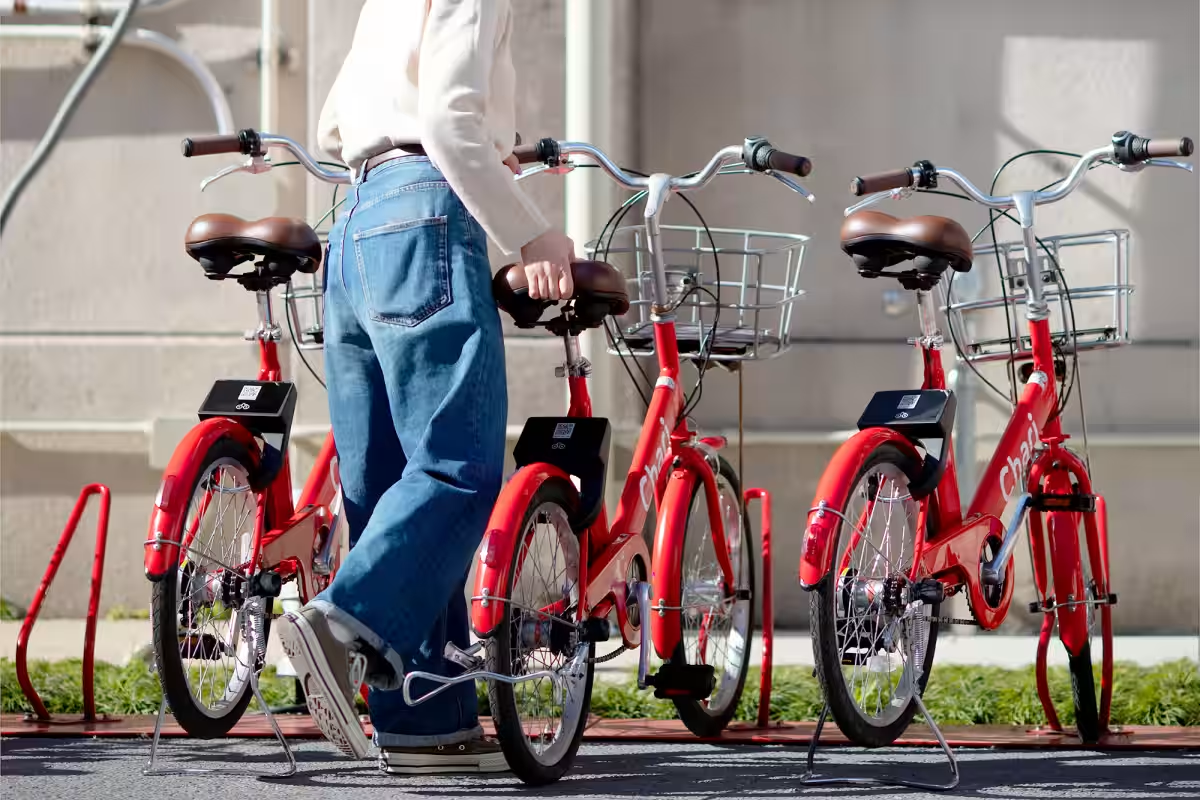
Charichari is a shared bicycle service that allows users to unlock specially designed red bicycles through a smartphone app. Committed to providing an accessible transportation solution, the service is affordable with rates starting at 6.5 yen per minute for basic bicycles and 20.5 yen per minute for electric bicycles. Launched in February 2018 in Fukuoka, Charichari has expanded its operations to several areas including Fukuoka City, Nagoya, Tokyo, and Kumamoto among others. The service has seen over 44 million uses, becoming a popular choice for quick, local commutes.
Charichari's Original Bicycle Helmet
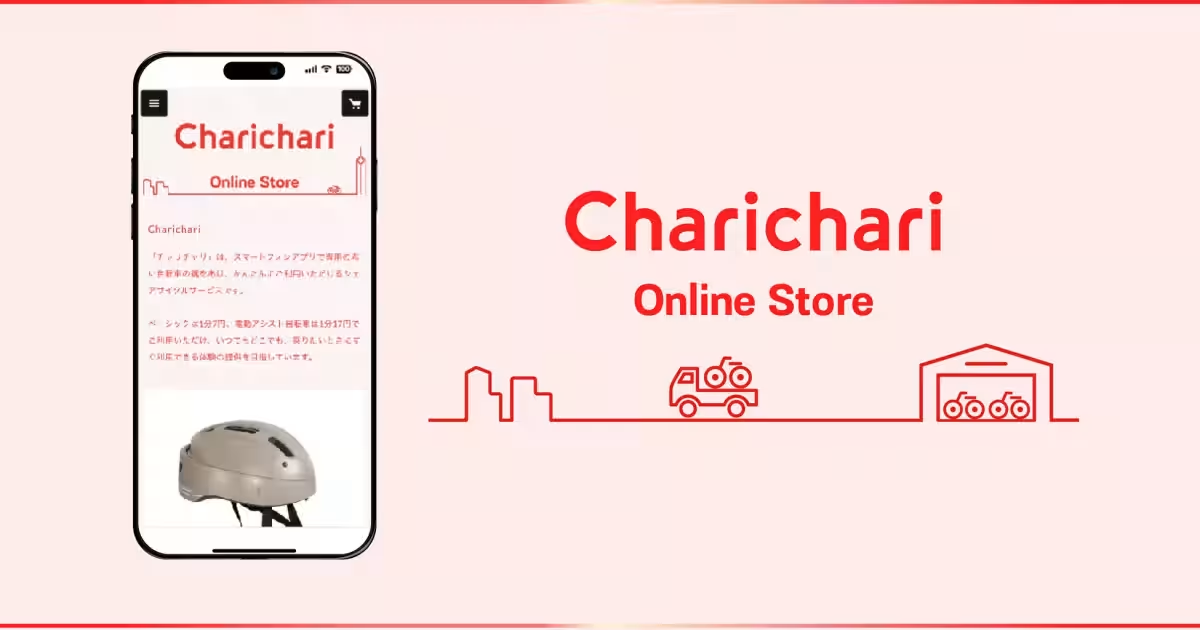
Additionally, Charichari offers a specially designed helmet that is lightweight, easy to carry, and meets rigorous safety standards. Available for purchase online, the helmet is stylish yet functional, featuring Charichari's cute logo. Proceeds from helmet sales contribute to the company’s ongoing safety awareness and education initiatives, furthering the goal of creating safer communities.
For online purchases, visit: Charichari Online Store
Charichari’s Web and Social Media Presence
For more information, check our website and social media:
Invitation for Port Owners
Charichari is actively seeking port owners who can repurpose unused spaces such as storefronts or parking lots as bicycle docking stations. Installation is feasible in small spaces that accommodate five bicycles or more.
For more details about becoming a port owner, click here: Become a Port Owner


Topics Other)
【About Using Articles】
You can freely use the title and article content by linking to the page where the article is posted.
※ Images cannot be used.
【About Links】
Links are free to use.