



Is the Three-Year Stay Obsolete? Insights on Job Changes and Career Development
Exploring Changing Attitudes Toward Job Switching in New Graduates
In a recent investigation conducted by Professional Bank's HR Research Institute targeting full-time employees aged 30-34, the survey examined the impact of job changes within three years of graduation on career development. Given the cultural notion that one should endure at least three years in a new job, the findings reveal a growing acceptance and positive view of switching jobs earlier in one's career.
The survey received valid responses from 954 participants, focusing on those working in varied industries around an average salary of 5 million yen. Interestingly, about 90% of those who made career switches reported being satisfied with their decision. This statistic speaks volumes about the evolving attitudes among young professionals, especially in fast-paced sectors like IT and telecommunications, where job changes are becoming increasingly normalized compared to previous generations.
The Cultural Dilemma of Deferred Gratification
The common belief that employees should tolerate their roles for three years creates anxiety among young professionals. Yet, many are now considering their job satisfaction more critically, particularly during their early career stages when skills and experience are still on the rise. This shift highlights a balance—while some are committed to waiting longer for personal satisfaction, others are actively seeking opportunities that offer better pay, work-life balance, and professional growth.
Why Employees Change Jobs
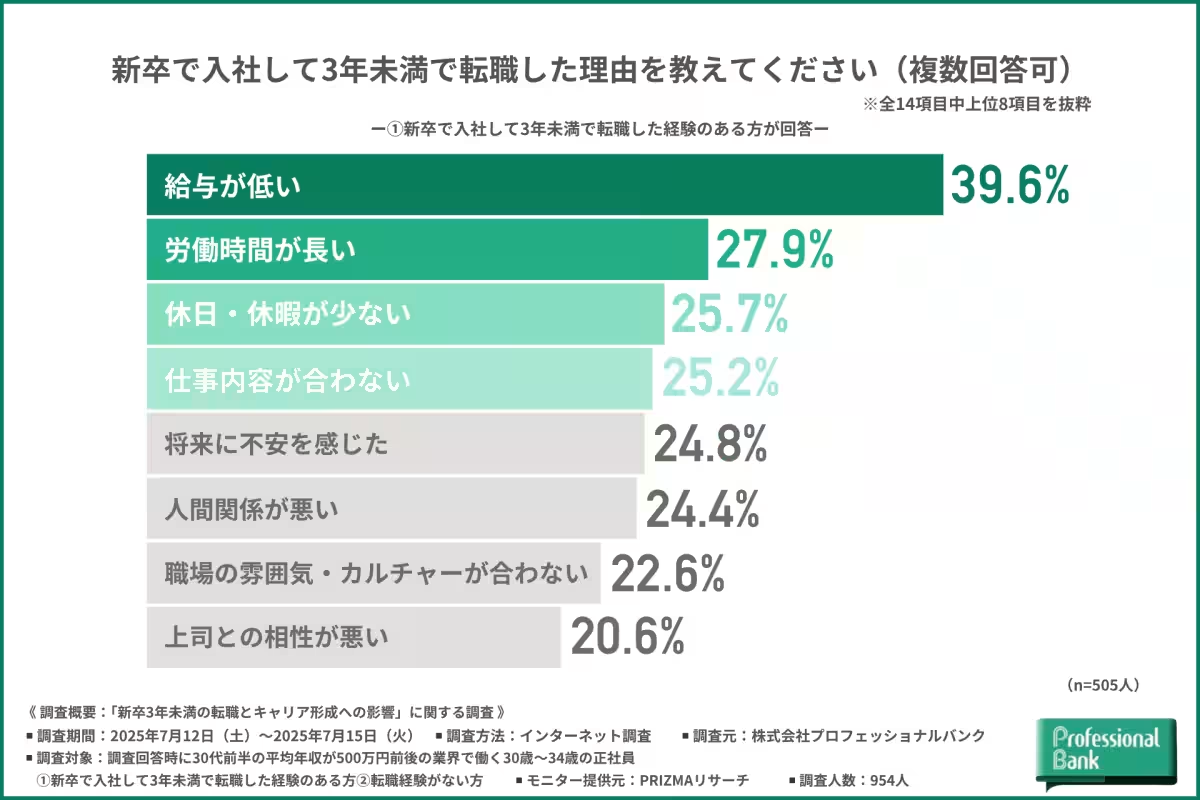
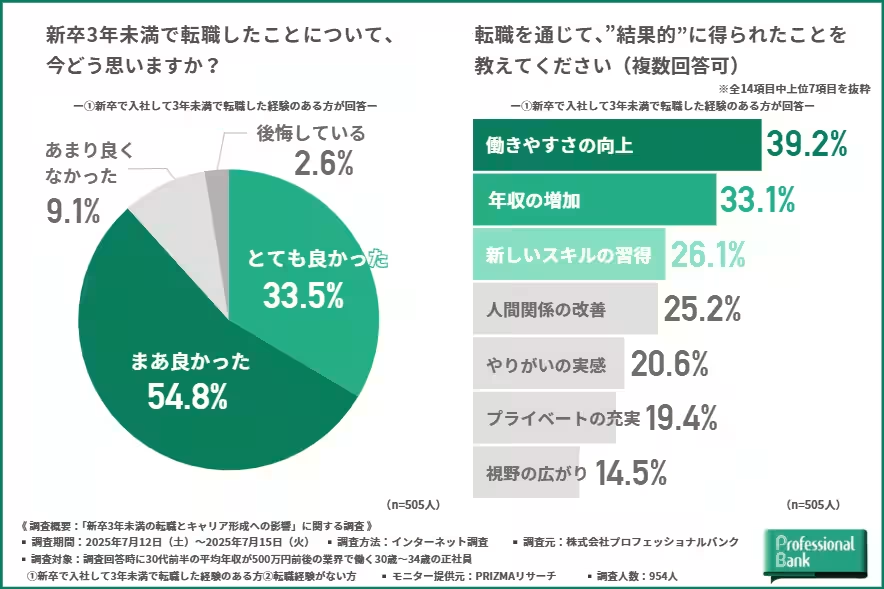
The survey highlights key findings regarding why some individuals decide to switch jobs before the three-year mark. Among those who transitioned, the top reasons included dissatisfaction with salary (39.6%), long working hours (27.9%), and inadequate vacation time (25.7%). Moreover, 54.8% of career changers reflected positively on their decisions, attributing improvements in workplace satisfaction and increased income to their moves.
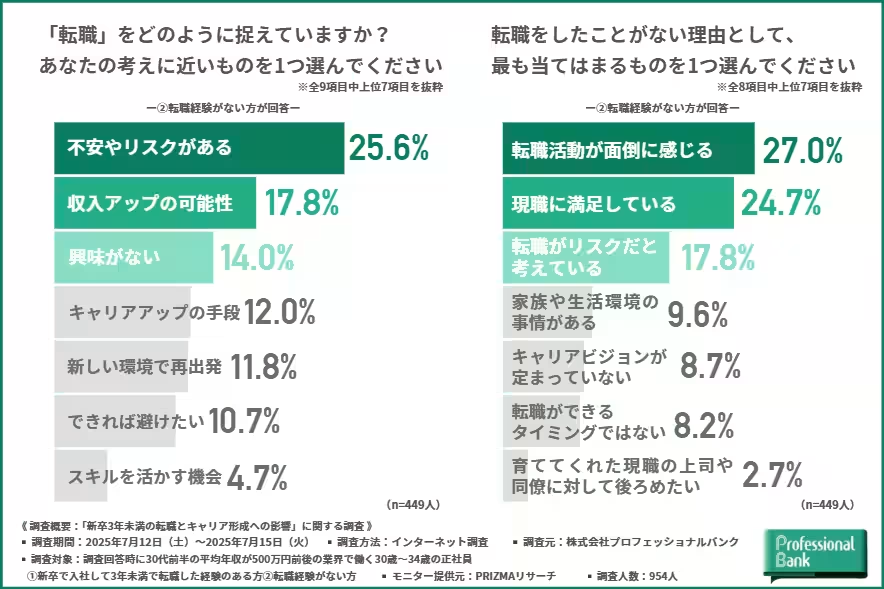
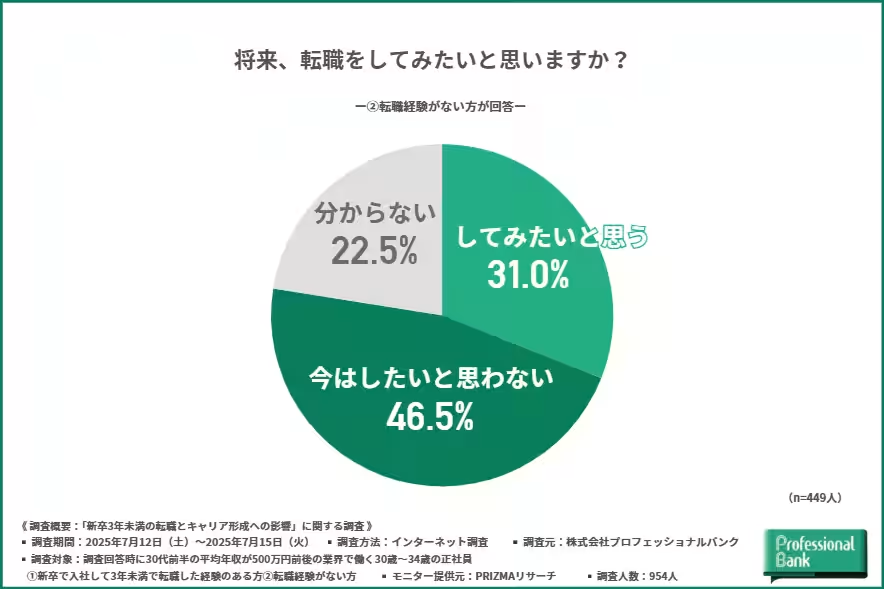
In contrast, the perspectives among those without job change experience exhibit notable contrasts. Many expressed concerns about the risks associated with changing jobs, with 25.6% indicating anxiety and uncertainty, and an equal portion feeling the hassle of navigating job transitions.
Comparing Job Changers and Non-Changers
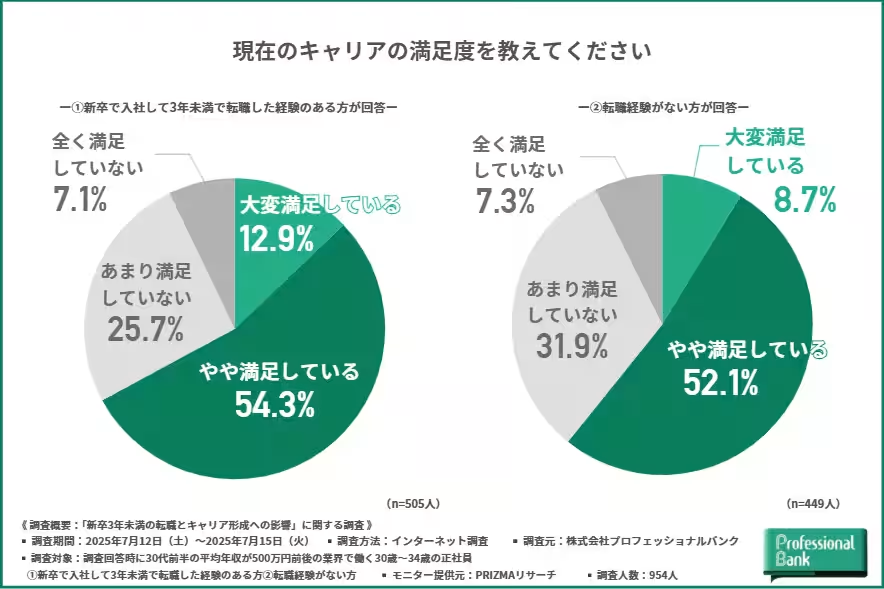
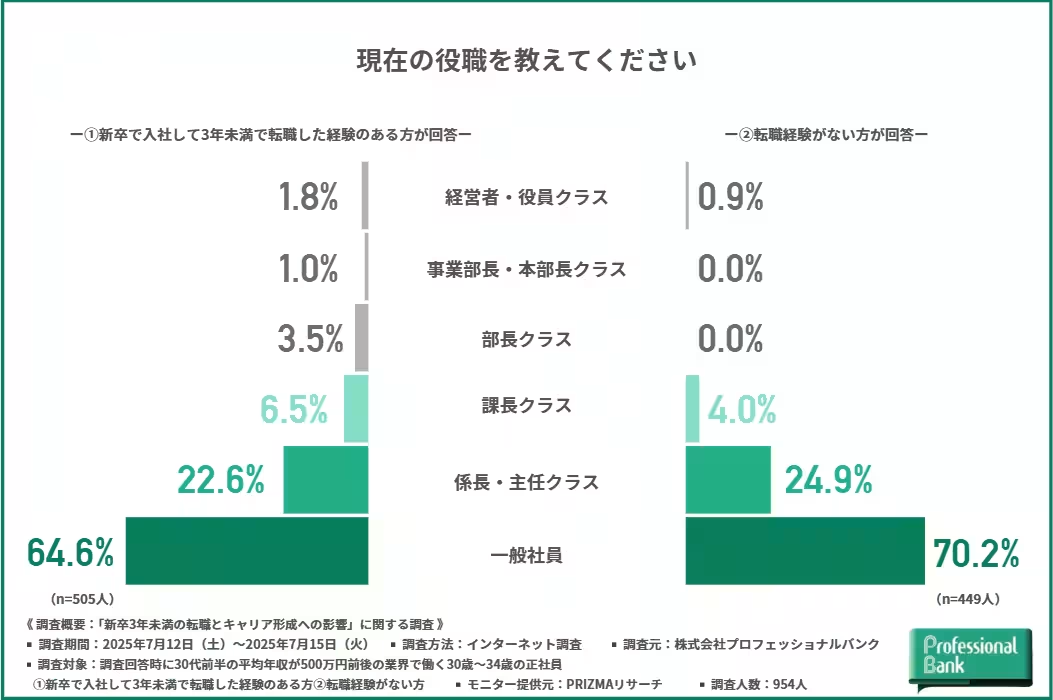
Further analysis delineates differences in current job satisfaction and positions held between those who changed jobs and those who did not. While satisfaction rates remain high in both groups (about 70% for job changers and 60% for non-changers), 64.6% of job changers hold general employee roles, with only 6.5% in managerial positions, suggesting that switching companies can provide accelerated routes to leadership roles.
Additionally, the study found that job changers tend to face fewer psychological barriers compared to their counterparts who remain in their first job. About 27% of non-changers mentioned they find job hunting tedious, whilst over 24% felt satisfied in their current roles. These results underline the challenges of transitioning psychologically to a more fluid job market where change can occur more frequently than in previous generations.
The Future of Work for Young Professionals
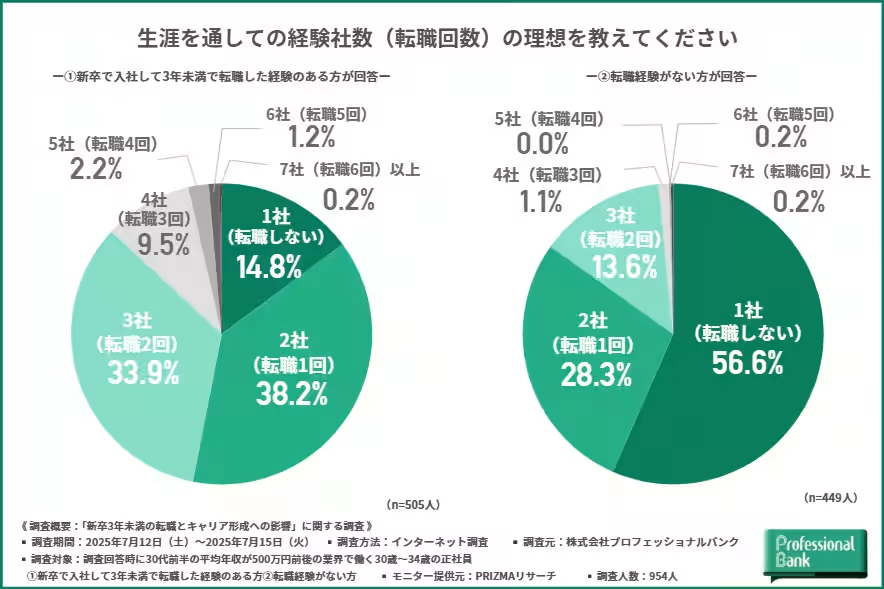
When pondering future job transitions, nearly half of non-changers expressed a desire to remain in their current positions, indicating significant job satisfaction among those who have not yet switched jobs. Conversely, among job changers, many prefer an ideal situation that includes two or more career changes across their lifespan—suggesting a belief in frequent career adaptations as a means of optimizing personal and professional development.
This survey reflects an emergent trend where job switching is no longer viewed through a negative lens, but as an essential tool for career advancement. As each generation reassesses professional norms, companies must understand employee needs and foster environments that accommodate these evolving attitudes toward career development.
In conclusion, this pivotal research underscores the necessity for both employees and companies to embrace the evolving landscape of career management that leans towards adaptability and responsiveness. By aligning workplace culture with individual aspirations, businesses can better retain their talent pool while empowering employees to take charge of their professional journeys.
About Professional Bank Co., Ltd.
Founded in 2004 and headquartered in Chiyoda, Tokyo, Professional Bank has made it its mission to foster a rich future for workers through strategic headhunting and career coaching tailored to meet the specific needs of various industries.
Topics Business Technology)

【About Using Articles】
You can freely use the title and article content by linking to the page where the article is posted.
※ Images cannot be used.
【About Links】
Links are free to use.