



Exploring Bento Delivery Services: A Comprehensive Guide for Office Lunch Solutions
Introduction
As companies increasingly seek to enhance workplace well-being through improved lunch options, WAO Corporation has introduced its innovative bento delivery service, "ShaShoku DELI." This service is tailored to meet the diverse needs of organizations looking to refresh or implement employee lunch options without the heavy investment typically associated with traditional cafeterias.
Understanding Bento Delivery Services
Bento delivery services refer to solutions that bring meals directly to employees, either through delivery or face-to-face sales on-site. In recent years, the rise of this model has been propelled by increasing meal costs and a growing focus on health management within companies. The "ShaShoku DELI" service is designed specifically to provide high satisfaction rates and cost efficiency.
Key Features of Bento Delivery Services
1. No Upfront Investment: Traditional cafeteria setups often require significant capital for equipment and facility renovations. Bento services allow companies to bypass these initial costs, making it easier for businesses to offer lunch options without financial strain.
2. Variety and Flexibility: Employees can enjoy a diverse selection of over 30 different meal options daily, including Japanese, Western, and Chinese cuisines. This variety supports dietary preferences and keeps lunch exciting.
3. Convenient Operation: With dedicated sales staff managing the on-site sales, companies are relieved from the logistical burdens of meal preparation and distribution. This streamlined operation ensures that everything from ordering to clean-up is handled efficiently.
4. Affordability: Each meal starts at an attractive price of 350 yen, and companies can further enhance employee satisfaction through options for subsidizing meal costs.
5. Easy Implementation: The setup is designed to be quick and straightforward, allowing companies to start providing lunches with minimal delay.
Why Choose Bento Delivery Services Now?
The current economic landscape, characterized by rising costs, has heightened the importance of accessible and affordable employee welfare programs. HR and administrative personnel often find it challenging to implement new lunch solutions due to space and financial constraints. Bento delivery services present a pragmatic answer to these issues, delivering nutritious meals without the overhead of a traditional cafeteria.
Selecting the Right Bento Delivery Service
When choosing a bento service, consider the following factors:
- - Menu Diversity: Does the service offer a variety of meals that cater to different tastes and dietary needs?
- - Service Reliability: Is there a dedicated team to manage the daily sales and operations?
- - Affordability: What are the pricing models available, and how can these be adjusted to fit company budgets?
- - Customer Experience: How do the employees feel about the meal options, and how often can they provide feedback for improvements?
The insights provided in this article serve as a comprehensive guide for HR and management professionals who wish to consider or improve their office meal offerings while navigating budgetary constraints.
About ShaShoku DELI
"ShaShoku DELI" focuses on maximizing the use of available office space by employing staff for on-site bento sales. This service not only improves lunchtime experiences for employees but also contributes to creating a more enjoyable work atmosphere.
WAO Corporation Profile
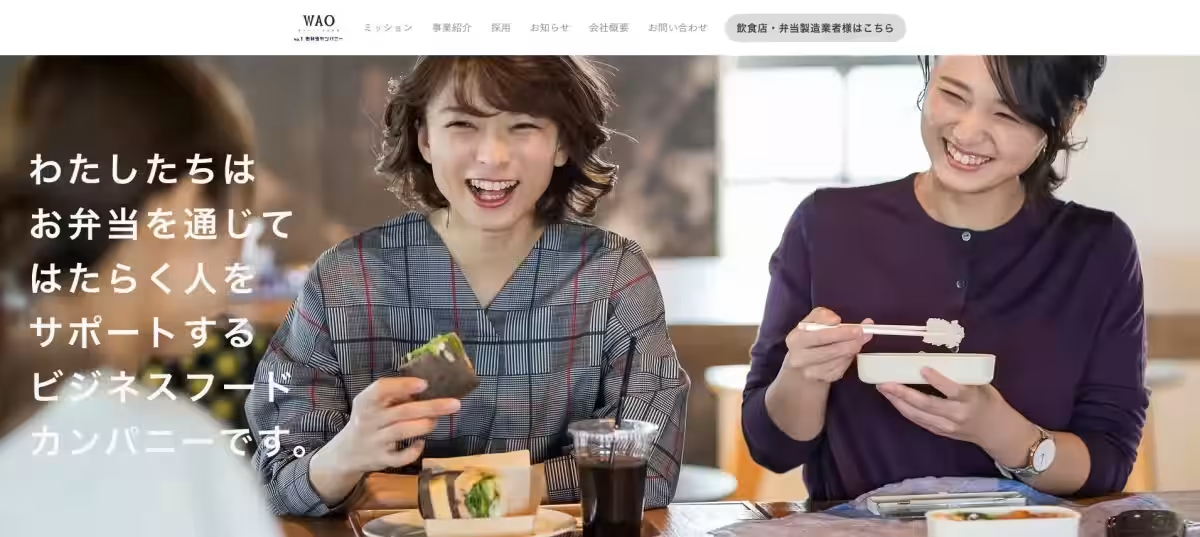
WAO Corporation is committed to enhancing employee well-being through multiple services, including "ShaShoku DELI," home delivery sites, and catering options. With a firm belief in making meal solutions accessible and easy to implement, WAO Corporation stands out in the corporate food service industry.
Conclusion
Incorporating a bento delivery service can significantly enhance the lunch experience within an organization, offering employees a convenient, varied, and affordable dining option while allowing companies to focus on their core business activities. The time to consider a bento service is now, given its pragmatic approach in today's challenging economic environment.
Topics Consumer Products & Retail)
【About Using Articles】
You can freely use the title and article content by linking to the page where the article is posted.
※ Images cannot be used.
【About Links】
Links are free to use.