



Challenges Faced by Dietitians Amid Rising Food Prices and Workforce Issues
Challenges Faced by Dietitians Amid Rising Food Prices and Workforce Issues
A recent survey conducted by SMS Co., Ltd. has uncovered troubling realities for dietitians and nutritionists working across Japan. With 1,959 professionals participating, the study highlights significant challenges, particularly due to soaring food prices and staffing shortages that impact the quality of meal services.
Key Findings
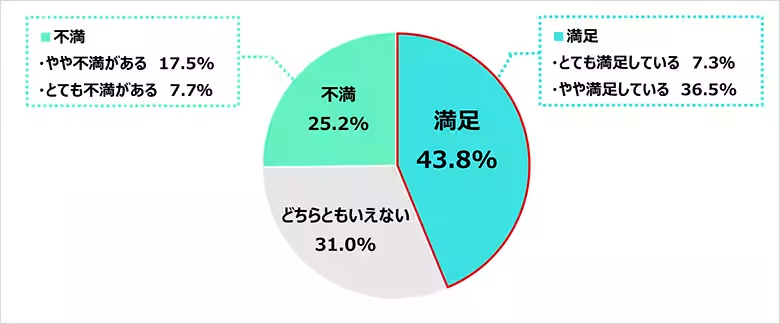
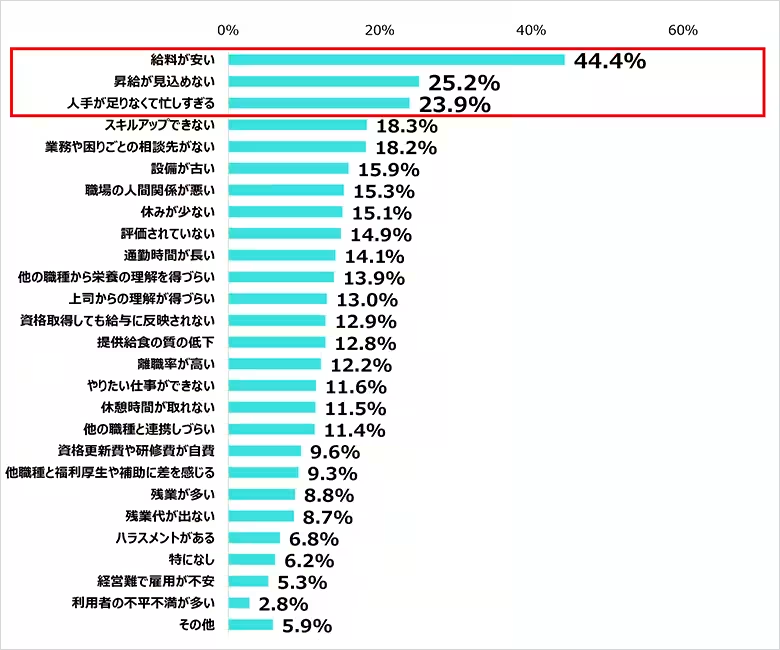
1. Job Satisfaction Declines: Only 43.8% of dietitians expressed satisfaction with their current work environment, a notable decrease from 47.3% noted in a previous survey. The primary concerns include inadequate salaries (44.4%) and minimal opportunities for raises (25.2%), indicating a growing discontent regarding financial compensation.
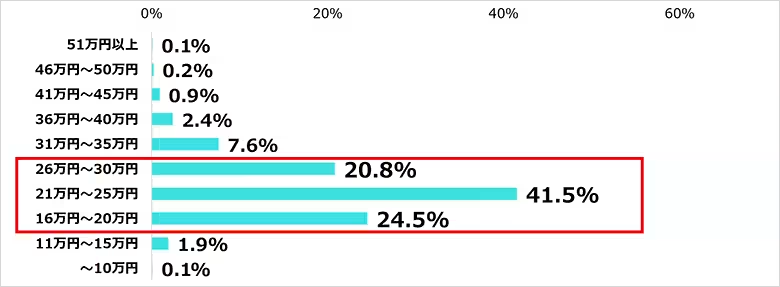
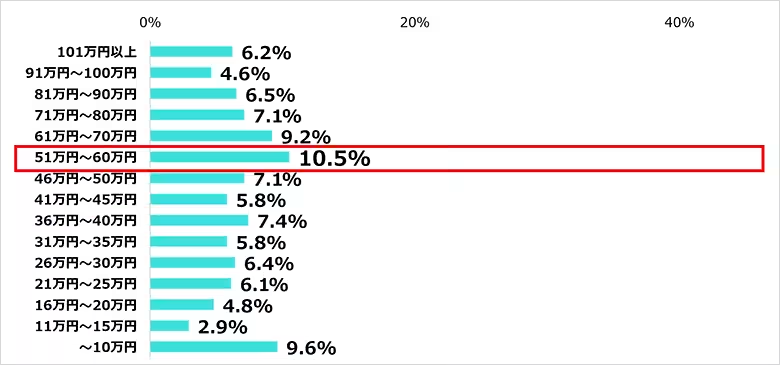
2. Salary Insights: The survey reveals that 86.8% of full-time dietitians earn monthly incomes between ¥160,000 to ¥300,000. Bonuses over the past year averaged around ¥510,000 to ¥600,000, reflecting the financial struggles within the sector.
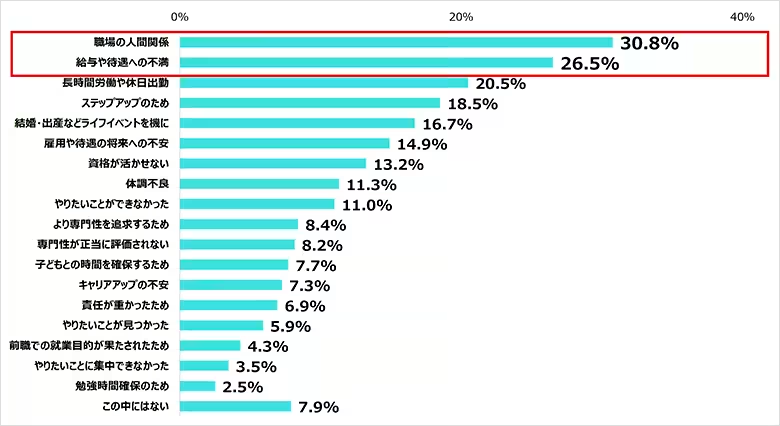
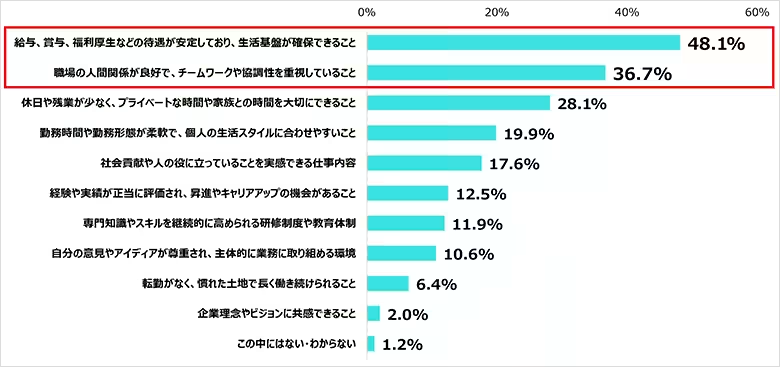
3. Priorities at Work: When asked what they prioritize in their job, 48.1% focused on salary, bonuses, and benefits, while 36.7% emphasized workplace relationships. This reveals a strong link between financial and interpersonal satisfaction, vital for retaining employees.
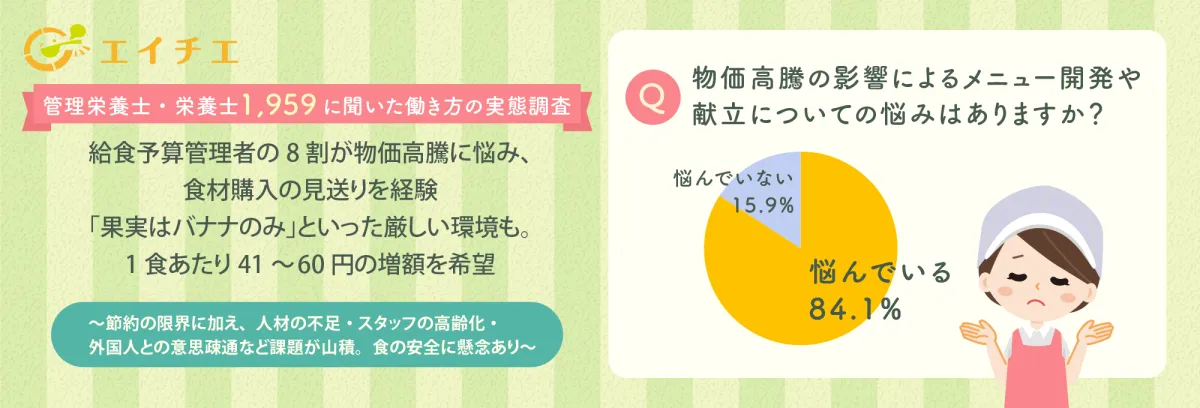
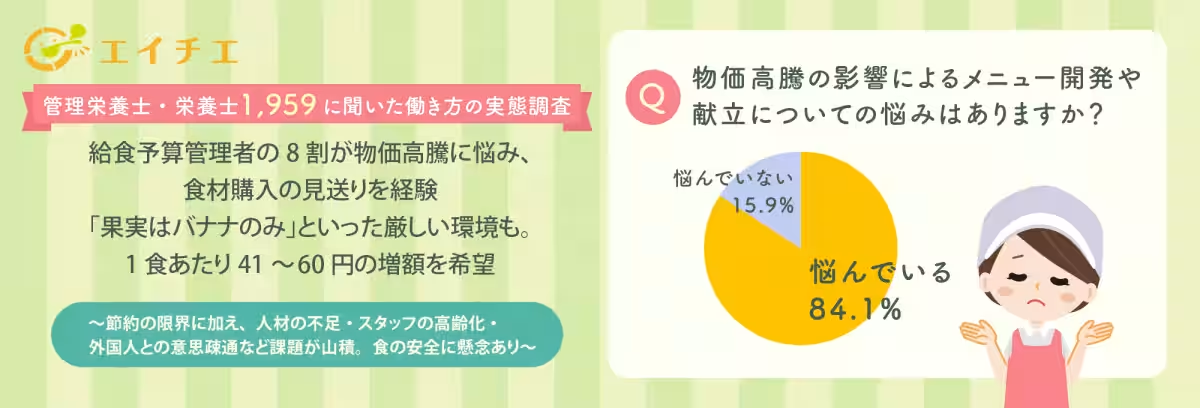
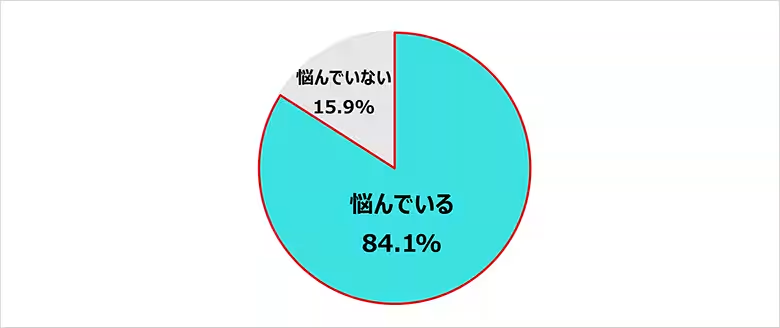
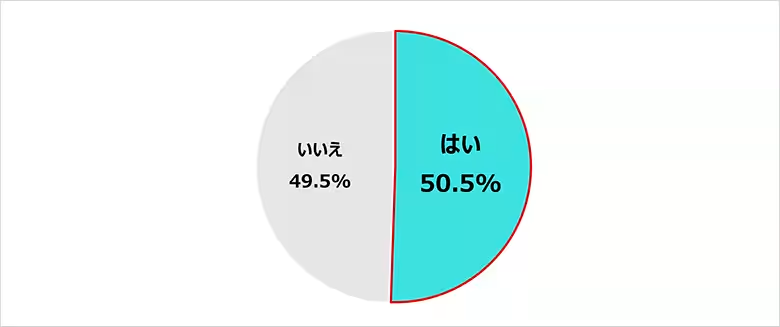
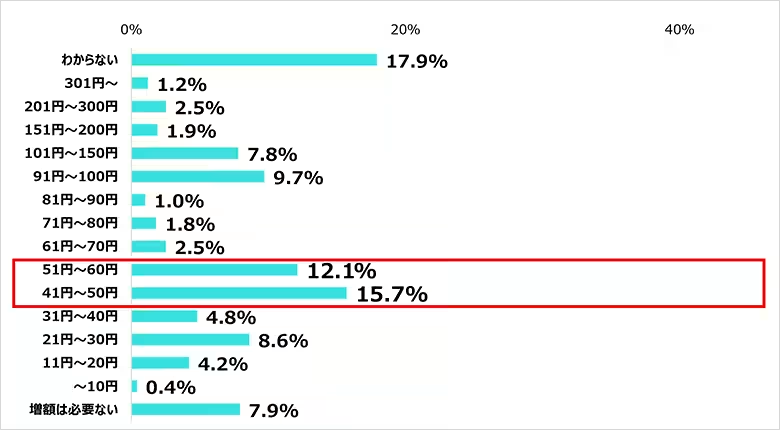
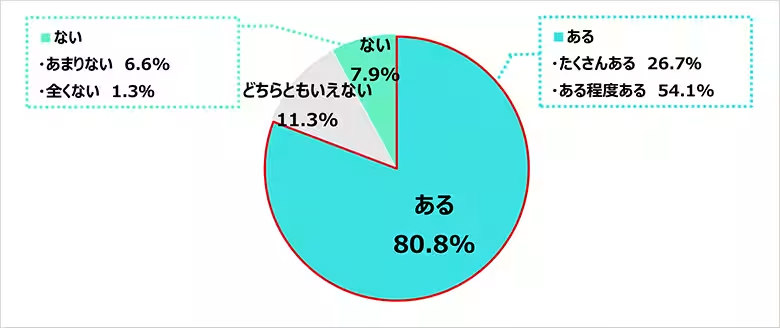
4. Impact of Rising Food Prices: Alarmingly, 84.1% of dietitians responsible for meal budgeting reported facing struggles related to menu planning and food costs due to inflation. Almost half noted an increase in their meal budget as a result.
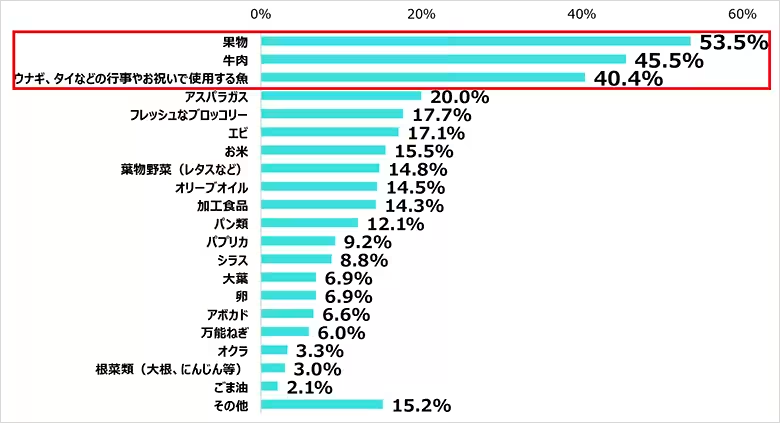
5. Ingredient Shortages: Nearly 80% indicated that they've postponed purchasing certain ingredients due to budget constraints. Fruits and beef topped the list of sacrifices, reflecting an alarming trend that could undermine nutritional quality and customer satisfaction.
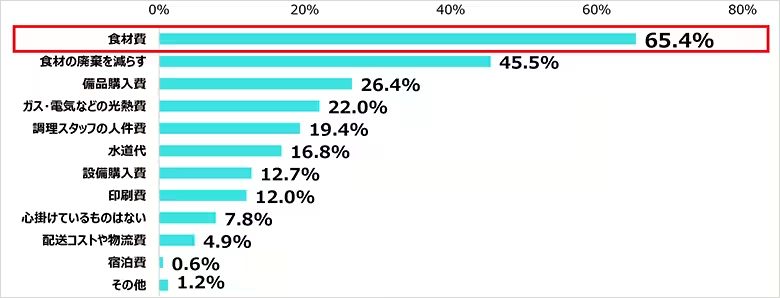
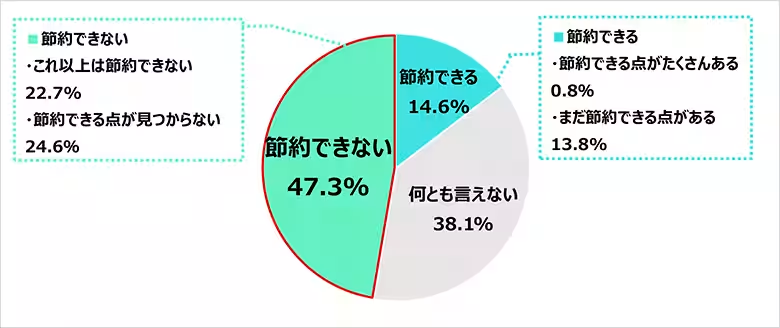
6. Focus on Cost-Saving: In an effort to mitigate rising expenses, 65.4% of respondents are focusing on reducing food costs, while 45.5% are working to minimize food waste. However, almost half feel increasingly challenged in maintaining these savings.
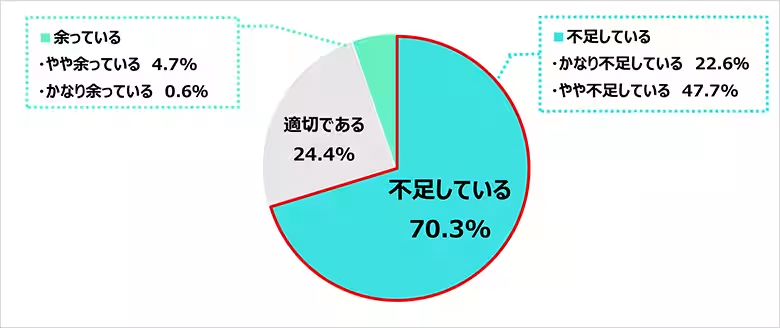
7. Staffing Shortages: Approximately 70% of dietitians reported feeling understaffed, exacerbating the already difficult working conditions. This has implications not just for workload but also employee morale.
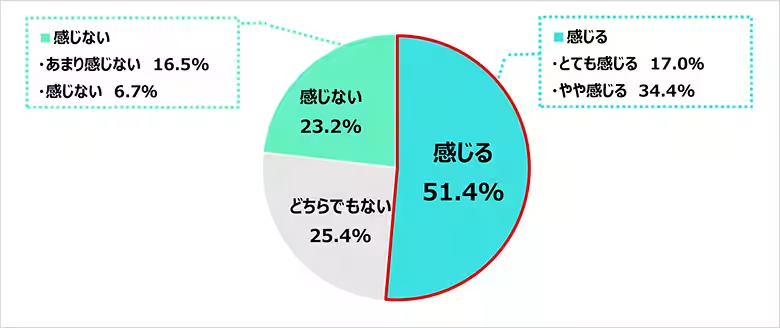
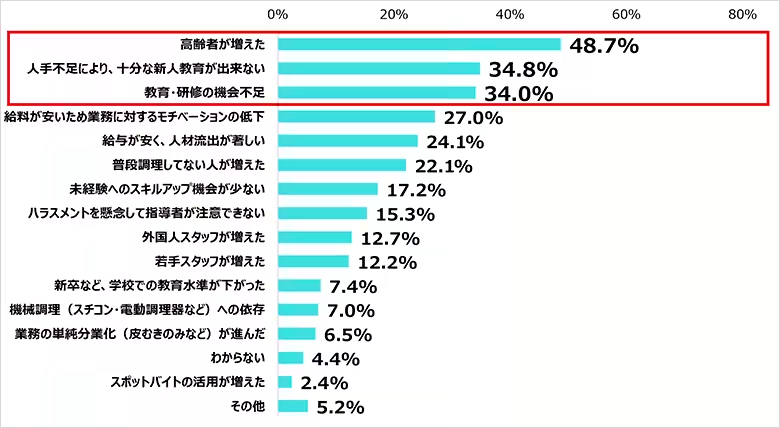
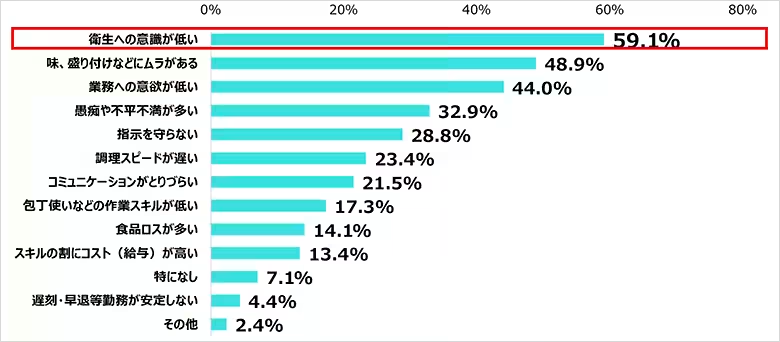
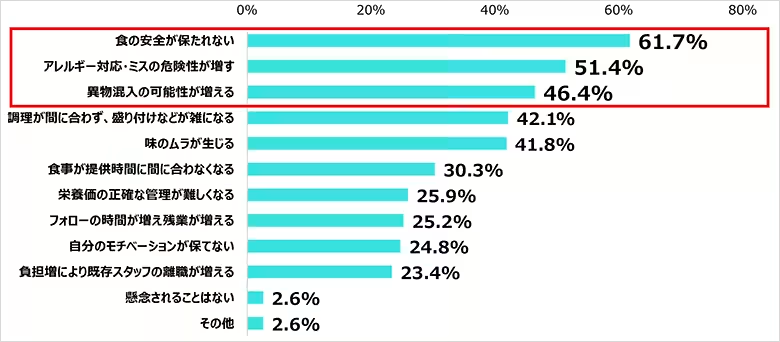
8. Declining Skills Among Staff: About half perceive a decline in the skill levels of kitchen staff, often attributing this to an aging workforce and inadequate training opportunities. Concerns were raised about hygiene and food safety practices, illustrating a troubling trend in meal quality assurance.
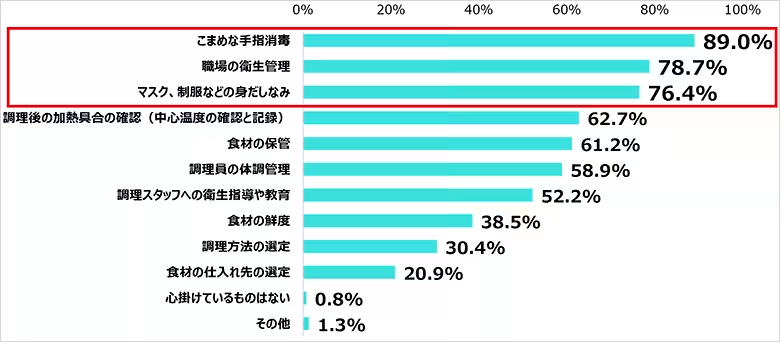
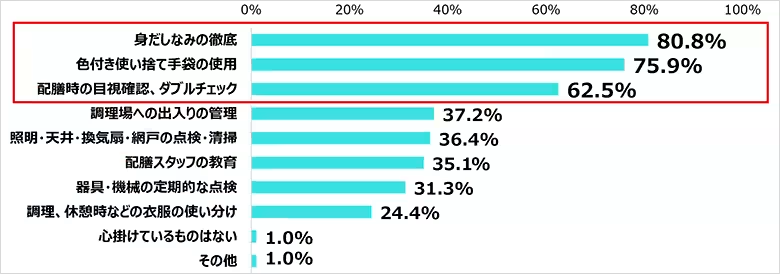
9. Hygiene Practices: To combat foodborne illnesses, many professionals adhere to strict hygiene protocols such as frequent hand sanitization and maintaining workplace cleanliness, showcasing their dedication to upholding food safety standards even amid adversity.
Conclusions
The findings reveal a complex web of dissatisfaction among dietitians, rooted in financial constraints and staffing issues. Many are searching for alternative solutions, such as adjusting menus and sourcing lower-cost ingredients, but these adaptations risk compromising the nutritional value of meals. Furthermore, dissatisfaction related to salaries and work relationships indicates that without addressing these areas, the industry may face higher turnover rates.
As dietitians navigate these challenges, ongoing support and innovative solutions will be crucial in ensuring not only their job satisfaction but also the quality of meal services provided to the public.
This survey was conducted from August 21 to August 27, 2025, and reflects a broader trend that necessitates attention from policy makers and industry leaders.
Topics Health)
【About Using Articles】
You can freely use the title and article content by linking to the page where the article is posted.
※ Images cannot be used.
【About Links】
Links are free to use.