



#Japan
#Tokyo
#Japanese Association for Disabled Swimming
#Swimming Instruction for Autism
#Swimming Education
Innovative Swimming Instruction Leaflet Released for Schools to Support Children with Autism
Supporting Autism-Friendly Swimming Instruction in Schools
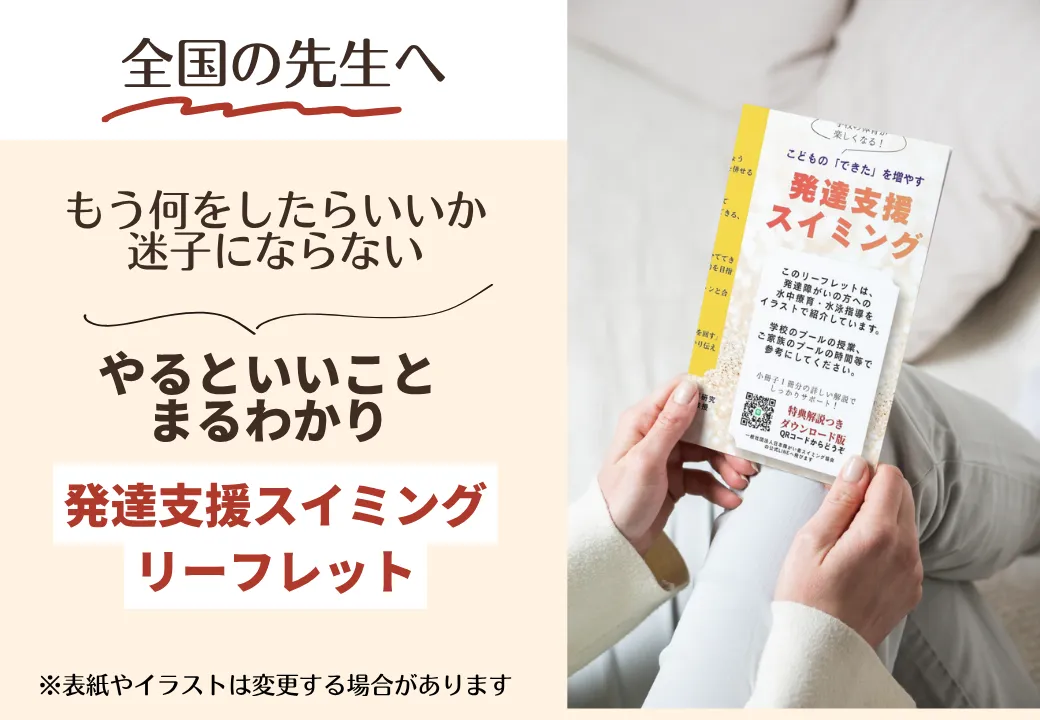
In an important initiative for children with development disorders, the Japan Association for Disabled Swimming has released a new swimming instruction leaflet aimed at elementary, middle, high, and special needs schools. Titled "Let's Make Physical Education Fun! Increasing Children's 'Can Do' with Developmental Support Swimming," the leaflet is provided free of charge to educational institutions across the country.
A Collaborative Effort
This informative leaflet was created through a collaboration between Sakai, the association's representative, and Associate Professor Shinichiro Moriyama from Tokyo Gakugei University, funded by the 2025 Health and Exercise Guidance Research Grant. Drawing from research results on swimming instruction methods for elementary school students with autism, the leaflet is designed to be accessible and beneficial for various educational settings, including pool classes, special needs education, and family swimming activities.
A Unique Approach to Support
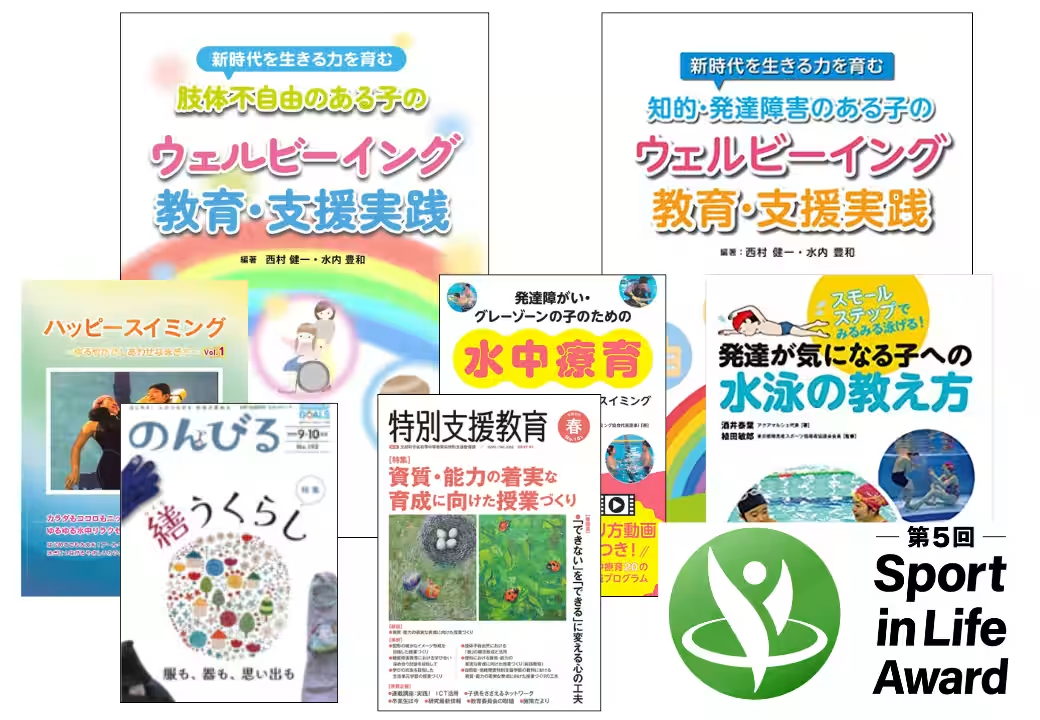
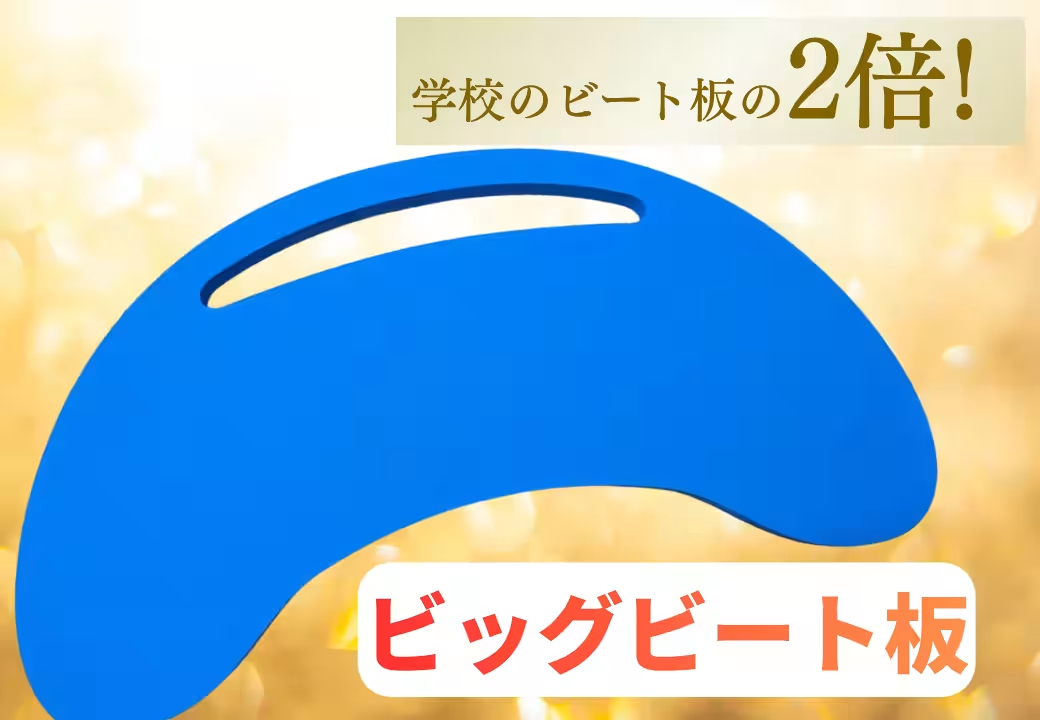
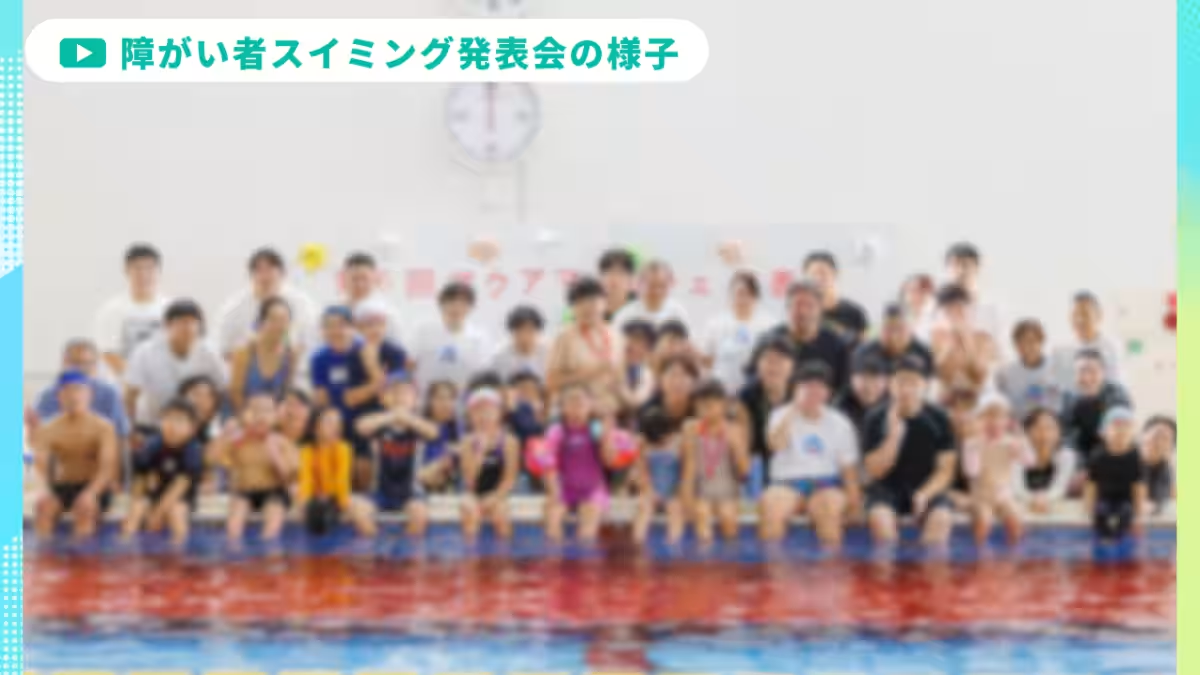
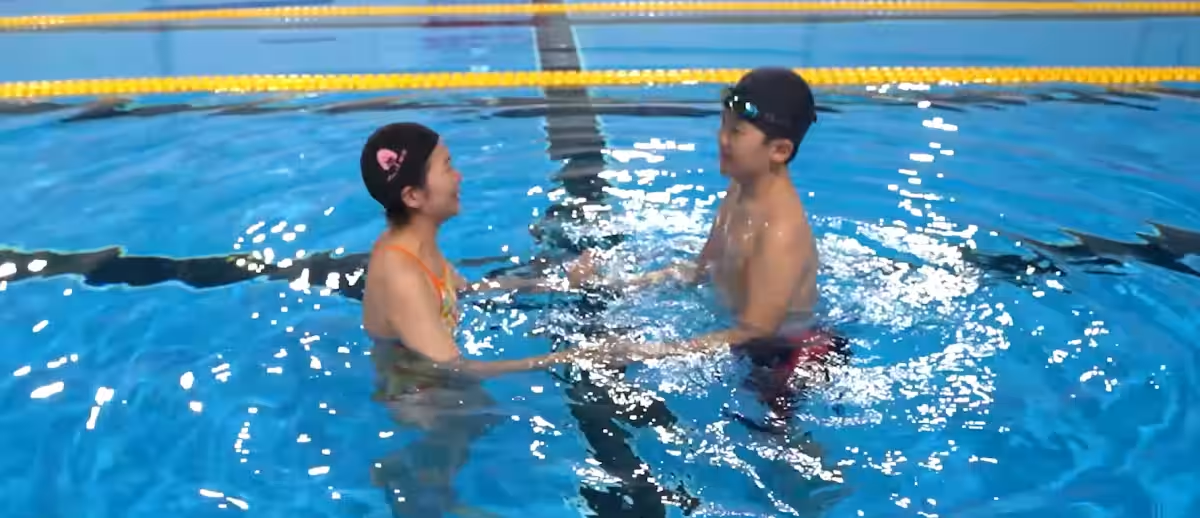
The Japan Association for Disabled Swimming centers its operations around the philosophy of daily life support. It not only provides swimming lessons but also offers courses aimed at training swimming instructors for the disabled. These efforts facilitate the usage of specially designed swimming equipment in public schools, therapy facilities, and hotels around Japan. Additionally, the association has garnered attention from both domestic and international media, being featured in NHK's "My Town Heroes" segment on June 4, 2026.
The leaflet is an illustrative guide that simplifies the process of teaching the four strokes – freestyle, backstroke, breaststroke, and butterfly – specifically tailored for children with autism. It identifies potential challenges, such as whether the child struggles more with lower body or upper body movements or coordination, thus providing educators with actionable insights into each child’s needs.
Streamlining Swimming Education
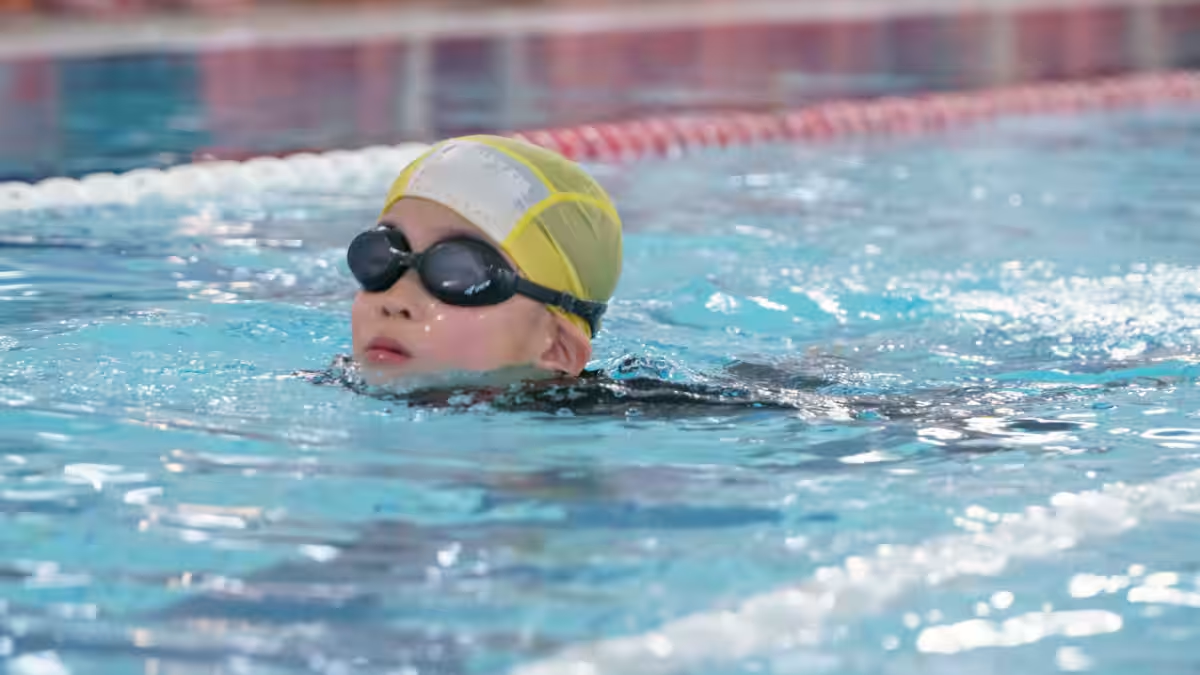
Given the increasing concerns regarding the reduction of swimming classes nationwide, this resource emphasizes the importance of swimming education for safety and developmental growth. It acknowledges the common pitfalls in traditional swimming assessments, which often focus only on whether a child can swim or not. Instead, the leaflet emphasizes the varied elements—like limb movement, posture, and timing—that affect children's abilities, highlighting that each child's challenges are unique.
Understanding the 'Why' Behind Struggles
One of the critical aspects of effective swimming instruction is recognizing specific difficulties that students face in the water. These might include fears related to water or comprehension issues regarding movements and instructions. This guide acknowledges that addressing swimming proficiency is not solely about techniques but encompasses understanding the broader challenges posed by developmental disorders.
By empowering educators—physical education teachers, special needs coordinators, and caregivers—with the same material, the leaflet fosters a unified approach to support children in diverse learning environments. Its adaptable content can also serve as a resource for collaboration with after-school services and families.
Focused on Individual Needs
Interestingly, the material challenges the conventional approach of teaching swimming starting with freestyle. For children with developmental disorders, the most accessible entry point varies individually. The overarching goal is ensuring children feel safe and secure in the water, thereby paving the way for effective learning experiences. Essential aspects included in the leaflet are effective communication strategies—which include using visual aids and intuitive instructions—to ensure that children feel capable and confident.
The association has actively collaborated with various schools to implement this resource into their swimming support, thereby enhancing the quality of swimming education provided to students with developmental challenges. This initiative not only highlights the importance of swimming as a fundamental life skill but also seeks to ensure that every child, regardless of their ability, has the opportunity to experience success in the pool.
Conclusion: Making Swimming Accessible
In closing, Sakai, the association's representative, emphasizes the importance of understanding and accommodating the needs of children struggling in swimming. By finding the specific hurdles each child faces and providing them with tailored support, we shift the narrative from 'can't do' to 'can do'—enabling positive experiences in swimming education. This leaflet serves as a pathway for teachers and parents to assist children in discovering their capabilities within the aquatic environment.
To request this invaluable swimming instruction leaflet or for further inquiries regarding swimming support for children with developmental disorders, please contact the Japan Association for Disabled Swimming.

Topics Other)
【About Using Articles】
You can freely use the title and article content by linking to the page where the article is posted.
※ Images cannot be used.
【About Links】
Links are free to use.