



Insights from the Nationwide Real Estate Awareness Survey for 2025 Published on Real Estate Day
The Significance of Real Estate Day and Key Findings from the 2025 Housing Residential White Paper
On September 23, Japan observes Real Estate Day, a day established by the National Association of Real Estate Agents to promote awareness about real estate transactions, especially during the busy autumn season. This year, the association has released the results of a nationwide survey titled the 2025 Housing Residential White Paper. Conducted with the participation of 5,000 individuals aged 20 to 65, the survey sheds light on the current state of the real estate market and consumers' evolving preferences amid fluctuating economic conditions.
Key Findings from the Survey
The survey highlights a worrying trend where soaring real estate prices have dampened consumer purchasing intent. Many respondents express a growing concern regarding disaster risks linked to their homes, highlighting the need for critical information such as hazard maps and emergency evacuation points. Additionally, the issue of vacant homes is presented as increasingly severe, indicating that consumer needs are diversifying.
Chapter 1: When is the Right Time to Buy Real Estate?
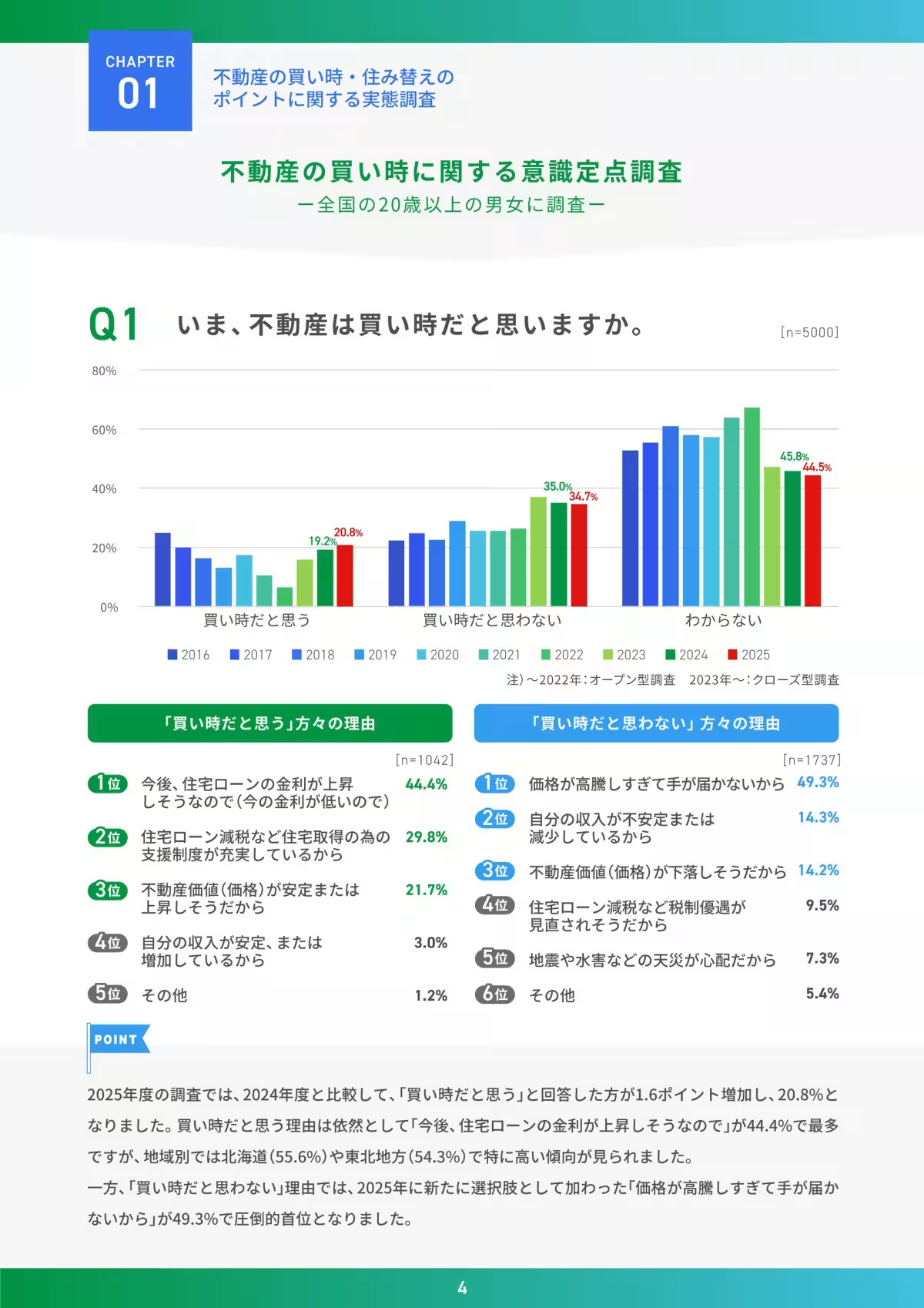
The survey's first chapter addresses perceptions around the right timing for real estate purchases. Interestingly, the number of respondents who believe now is a good time to buy has increased from 19.2% to 20.8% compared to the previous year. However, 49.3% of participants indicate they cannot afford to buy due to excessive price hikes, showcasing the stark divide between desire and affordability.
Chapter 2: Awareness of Disaster Risks
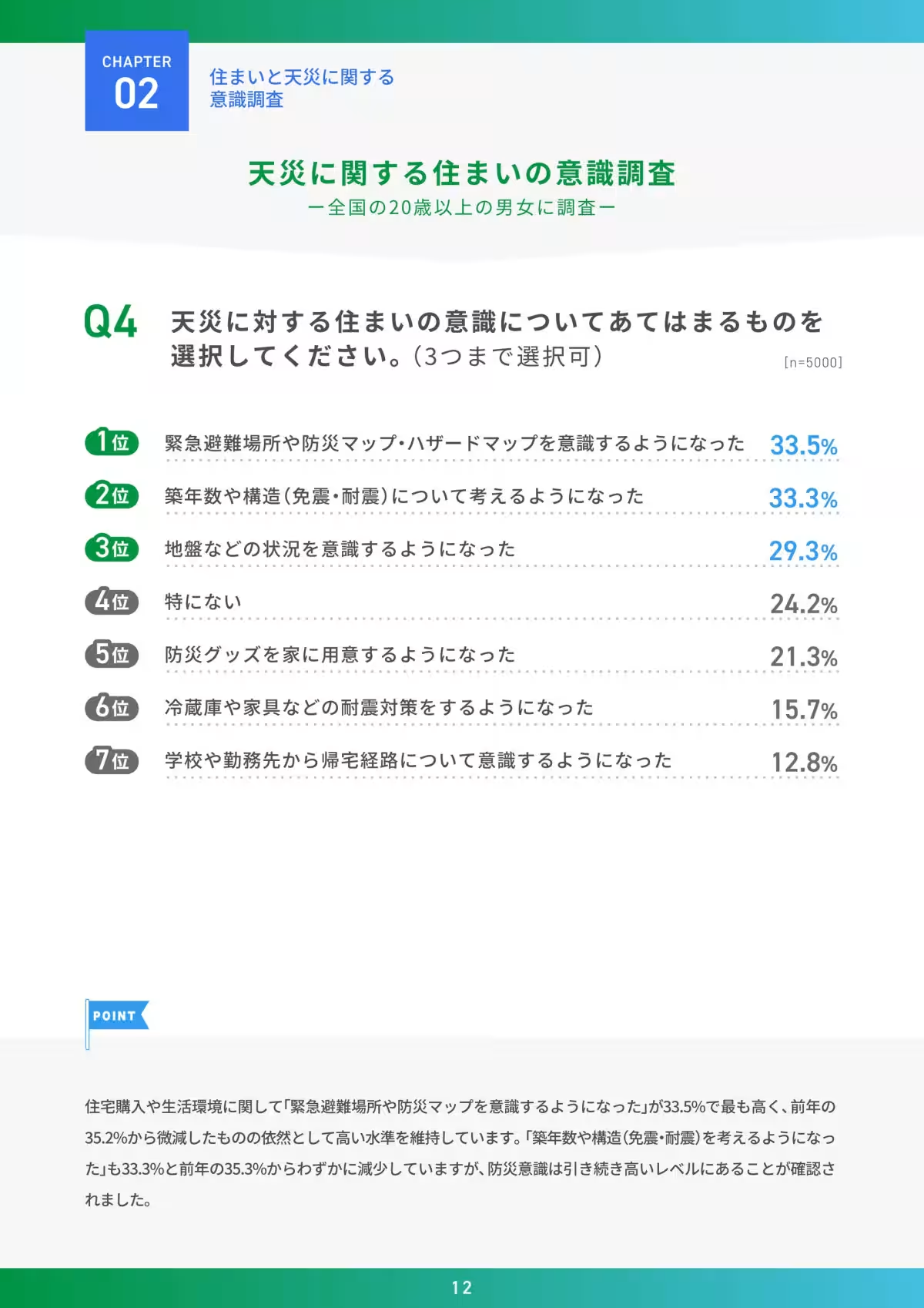
As natural disasters become more frequent, the survey reveals significant shifts in consumer awareness related to properties and their safety. A considerable 33.5% of respondents pay attention to emergency evacuation plans and hazard maps, while another 33.3% are concerned about the age and structural resilience of their homes. This places a premium on features that enhance safety and sustainability, which are becoming more critical in home-buying decisions.
Chapter 3: Practical Insights for Home Searching
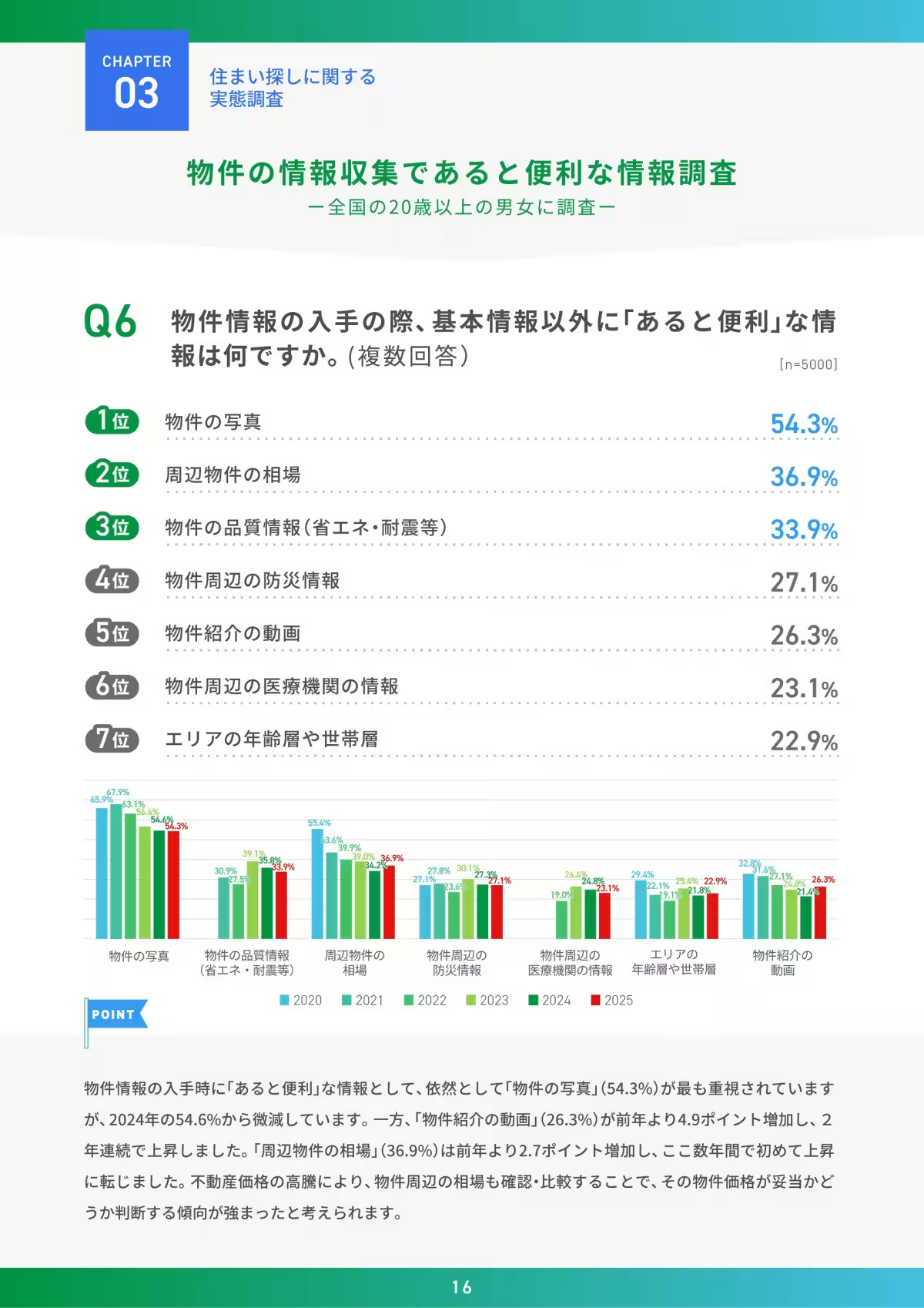
In the realm of house hunting, users find photographic and video content particularly beneficial, with 54.3% preferring photos and a growing interest in video walkthroughs, up 4.9 points from the prior year. Furthermore, awareness regarding property market prices continues to rise, with 36.9% of those surveyed showing strong interest in understanding market trends while searching for new homes.
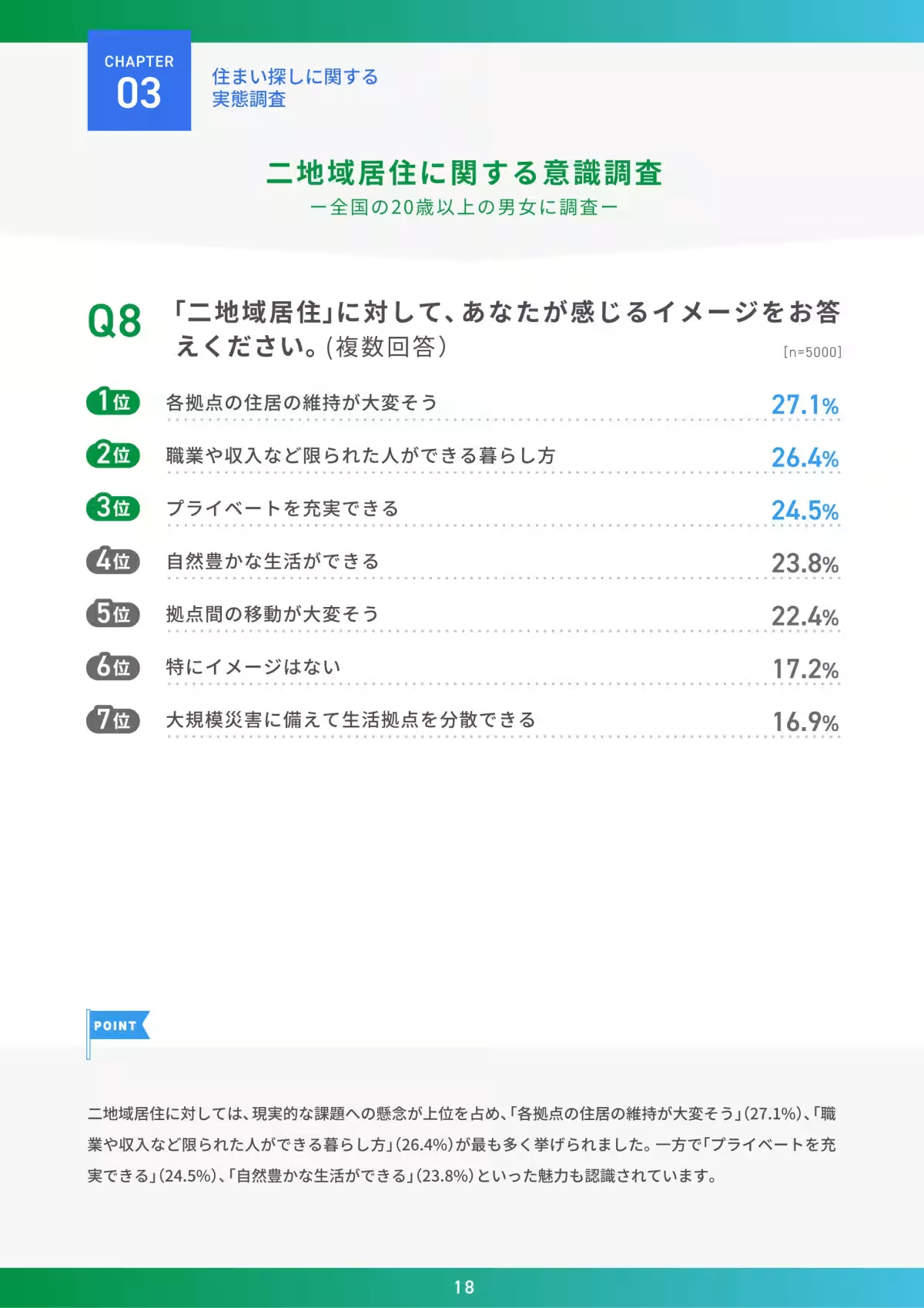
Moreover, the survey indicates a budding openness towards dual-location living arrangements, though concerns about managing the properties remain prominent.
Chapter 4: The Urgent Issue of Vacant Homes
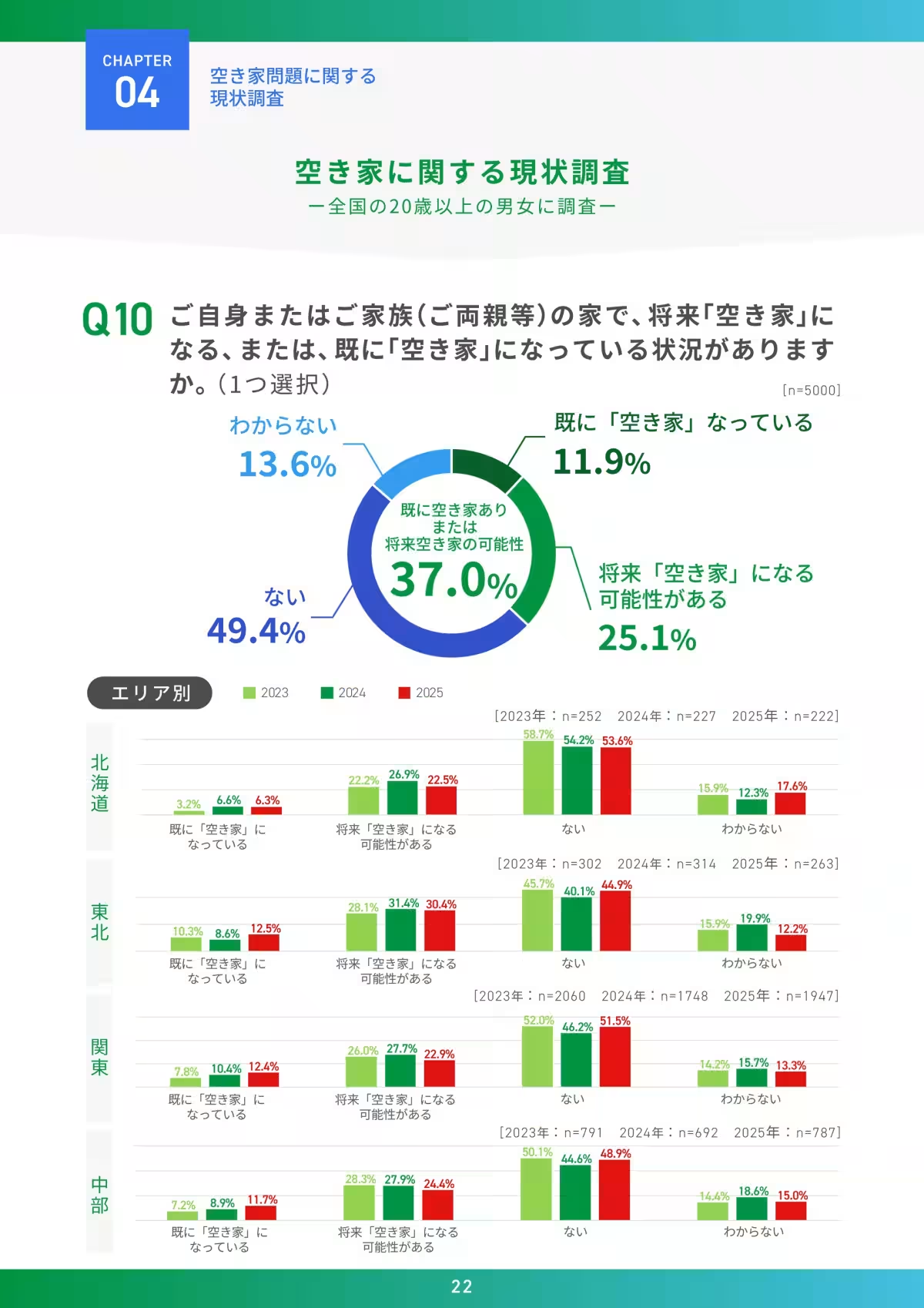
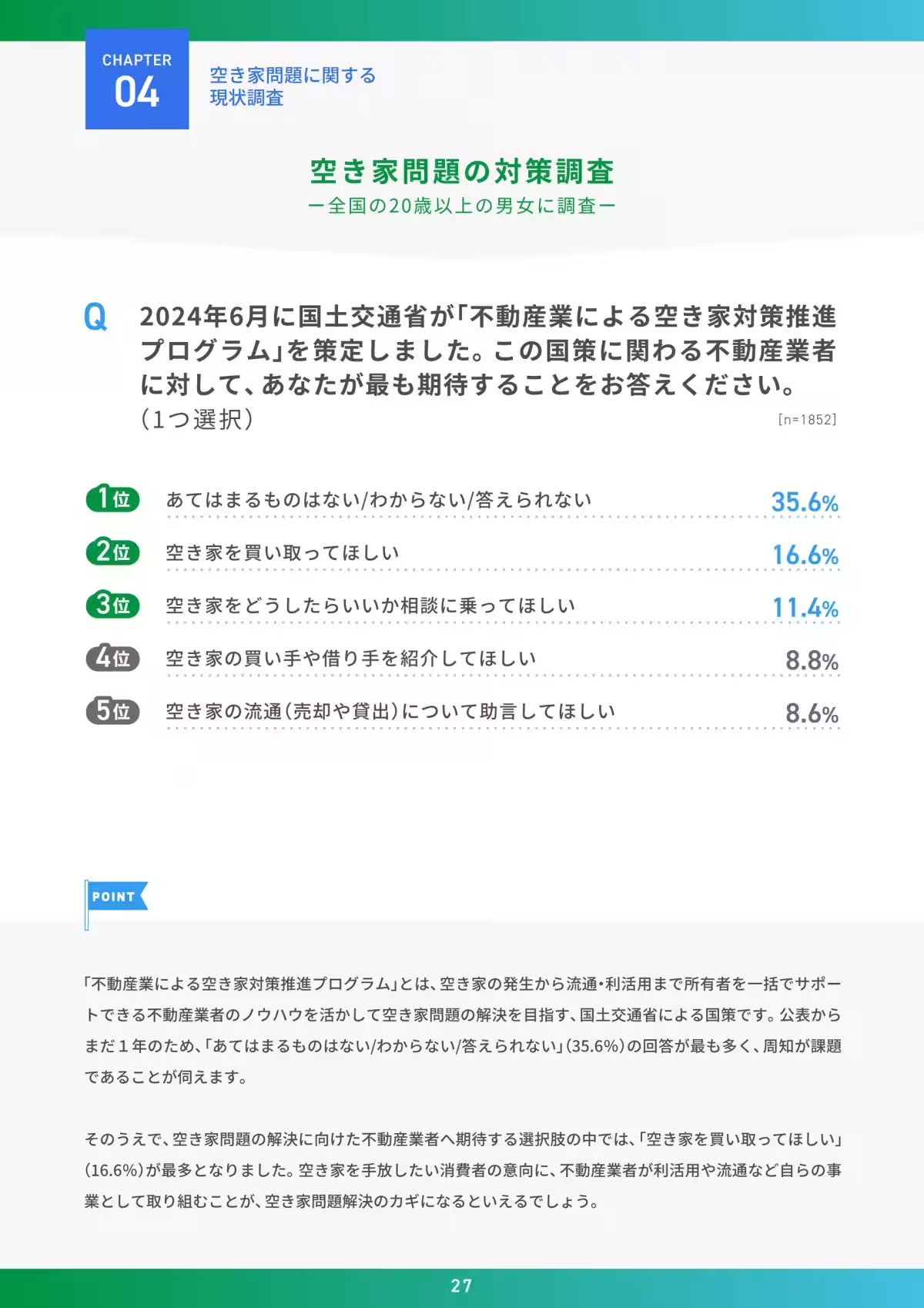
The challenge of vacant houses is another focus. The findings reveal that 37% of respondents are either currently dealing with a vacant property (11.9%) or anticipate future vacancies (25.1%). This alarming statistic has led to calls for effective action from real estate professionals, particularly initiatives like the government's empty house countermeasures program launched in June 2024. Participants highlighted expectations for real estate agents to actively buy back vacant homes, emphasizing the need for direct action in addressing this problem.
Chapter 5: The Impact of Energy Efficiency Standards
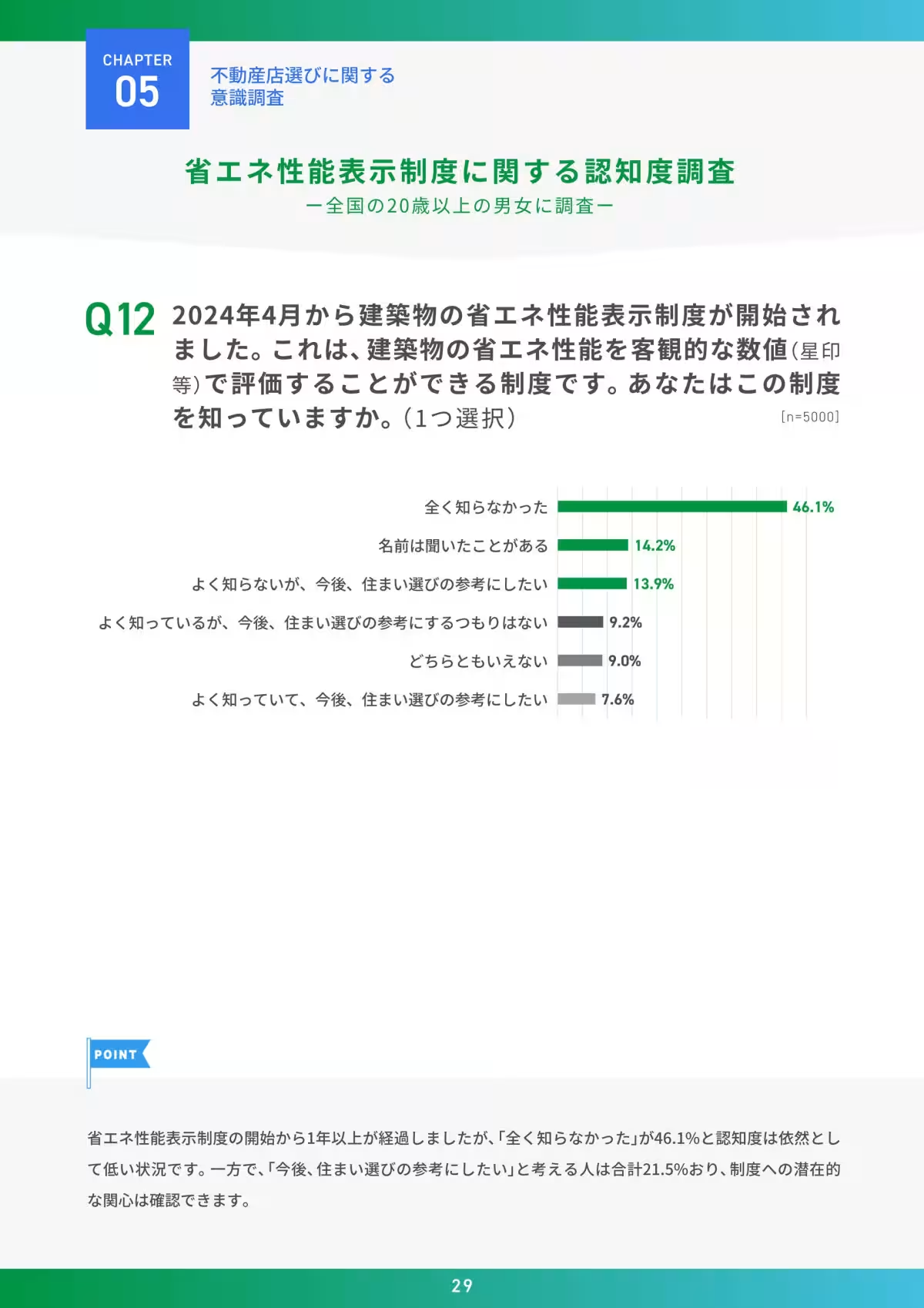
In April 2024, a new system was introduced to evaluate energy efficiency in buildings, though only 46.1% of those surveyed were aware of it. Still, a collective 21.5% expressed interest in relying on such information for future housing choices. This signals a potential rise in demand for eco-friendly homes, aligning with global trends towards sustainability.
Chapter 6: Ensuring Consumer Protection
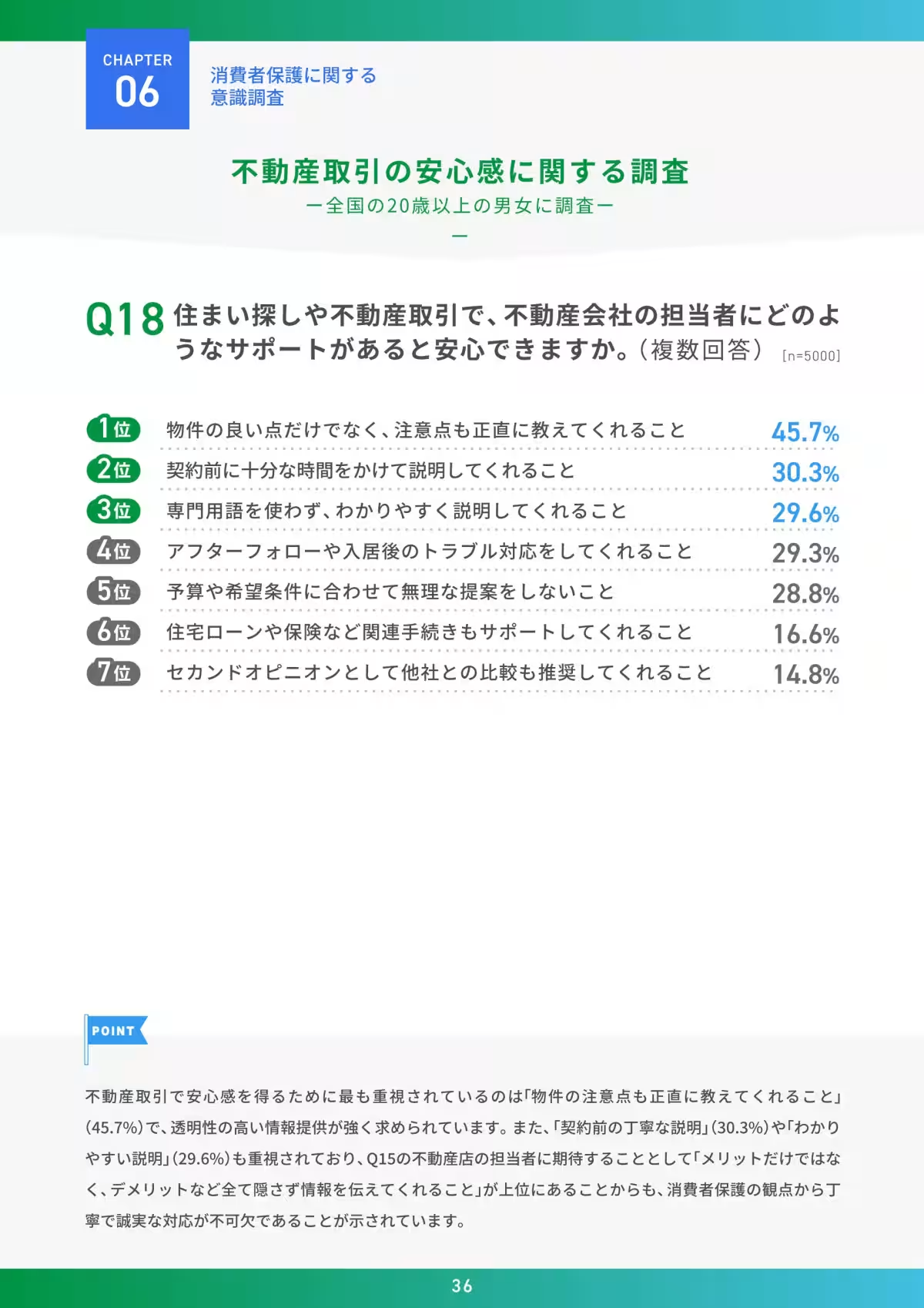
The survey also assessed consumer expectations regarding transparency in real estate transactions. A significant 45.7% of participants prioritized honest communication about property features and potential drawbacks from their real estate agents. This highlights a critical need for the industry to cultivate trust and ensure that potential buyers receive clear, accurate information.
Chapter 7: Concluding Thoughts
Real Estate Day serves as a catalyst for vital discussions regarding the housing market and consumer safety in real estate transactions. By recognizing the current sentiments through this comprehensive study, stakeholders can better navigate the complexities of the market.
For those interested, full details of the 2025 Housing Residential White Paper can be accessed on the National Association of Real Estate Agents’ official website here. The insights drawn from this survey will be invaluable as Japan adapts to changing housing demands and addresses ongoing challenges within the industry.
In conclusion, as we celebrate Real Estate Day, let us reflect on the data and sentiments collected, preparing us for a transformative period in the housing market as we approach 2025.
Topics Consumer Products & Retail)
【About Using Articles】
You can freely use the title and article content by linking to the page where the article is posted.
※ Images cannot be used.
【About Links】
Links are free to use.