



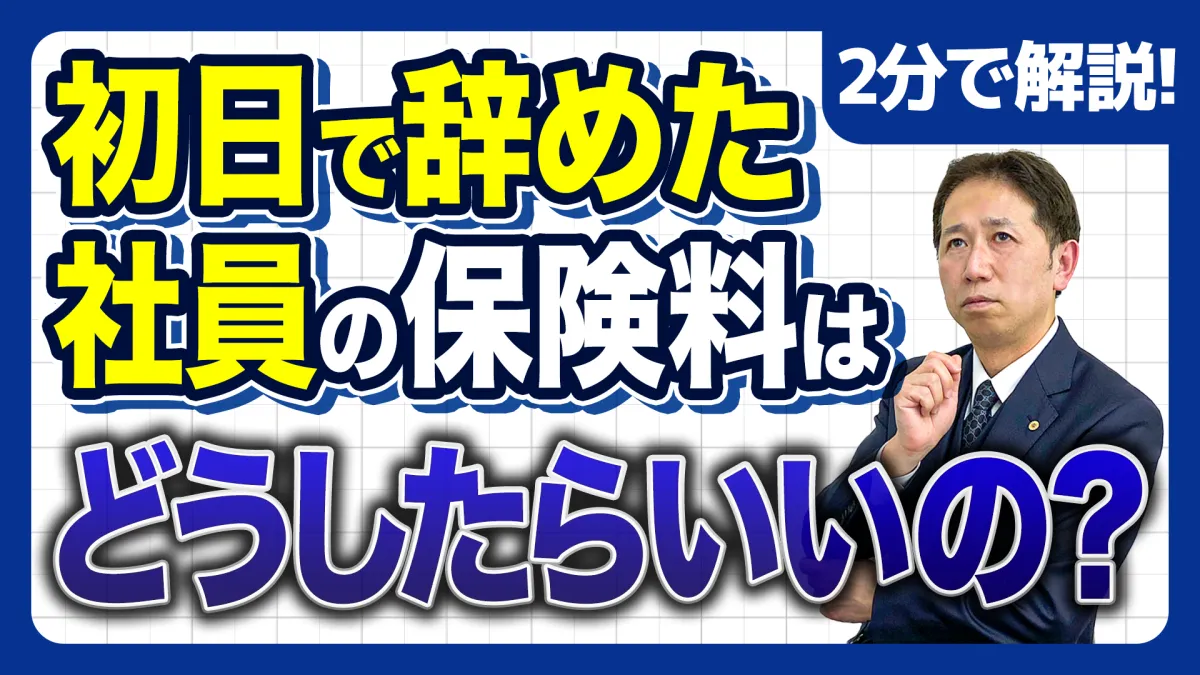
Understanding Social Insurance Fees: A Guide for New Employees and Employers
Understanding Social Insurance Fees: A Guide for New Employees and Employers
In today's dynamic job market, understanding the implications of social insurance fees can save both employees and employers considerable challenges, especially when it comes to unexpected resignations shortly after employment begins. It’s a common misconception that someone who only works a single day in a month won't incur a full month's worth of social insurance fees. This article will break down the reasoning behind monthly charges, the challenges that arise, and best practices for both parties.
Monthly Charges Explained
Social insurance fees are typically calculated on a monthly basis. This means that regardless of how many days an employee works in a month, if they are on the company roster, they are liable for the full month’s insurance charges. Thus, if a new employee resigns within a day of their start date, the employer is still responsible for covering the entire month’s fee. This can become a point of contention, particularly if the employer anticipates being able to recoup these costs through salary deductions, which isn't always feasible.
Key Points to Address Related Questions
1. Why Are Social Insurance Fees Calculated Monthly?
Social insurance is structured to provide a safety net for employees based on a monthly contribution. This creates a predictable revenue stream for the insurance fund but can lead to unexpected financial implications for employees who haven’t completed a full month of work.
2. Consequences of a Single-Day Employment:
When employees don’t work a full month, yet are charged for a whole month, it may seem unfair. This is particularly true if employees are not aware of these policies beforehand, highlighting the importance of clear communication from employers.
3. Differences Between Mid-Month Resignations and Month-End Terminations:
Resigning at the end of the month typically doesn’t have the same implications, as the employer can finalize the payment cycle correctly. In contrast, leaving midway through a month can complicate calculations, as employers may have to deal with proration or full charge policies.
4. Handling Pension Contributions:
Employers often face confusion regarding pension contributions paid out within these frameworks. If someone resigns, what happens to their contributions? This is usually governed by predefined results based on starting and stopping dates, and often involves refunds or reallocation of funds.
5. Collecting Unpaid Dues from Employees:
If an employer can't deduct the insurance fees from an employee's paycheck due to a brief employment duration, they may need to send a bill to the employee. This situation can lead to friction and misunderstandings, necessitating careful records and communication.
6. Common Pitfalls in Practice:
Employers should be aware of recurring issues, such as misunderstandings about obligations and costs. Prior communication and clear policies help mitigate confusion.
7. Preventative Measures for Employers:
To avoid misunderstandings, companies are advised to educate new employees about social insurance obligations during onboarding. Discussing the logistical and financial commitments involved in insurance fees upfront can help set realistic expectations.
Session to Address These Issues
To delve further into these topics, an informative session led by Jun Ono, a certified social insurance labor consultant, is scheduled for May 2, 2026. He emphasizes practical applications of the law within workplace contexts, drawing from over 400 workshops on harassment and labor issues. This session aims to address not only the technical aspects of social insurance but also the real-world impacts on both employees and employers.
About the Host
The session is organized by the Clea Human Resources Development Association, established in 2023. Specializing in labor and harassment prevention training, the association has helped over 750 participants become certified as Employment Clean Planners, enabling them to influence work environments positively. Their commitment to effective training results is reflected in a 93% satisfaction rate from their attendees.
For more information, please visit Clea's official website.
Topics Business Technology)
【About Using Articles】
You can freely use the title and article content by linking to the page where the article is posted.
※ Images cannot be used.
【About Links】
Links are free to use.