



Forecasting Life and Consumption Trends in 2026 Amid Economic Recovery Expectations
Understanding the 2026 Outlook: Life, Consumption, and AI
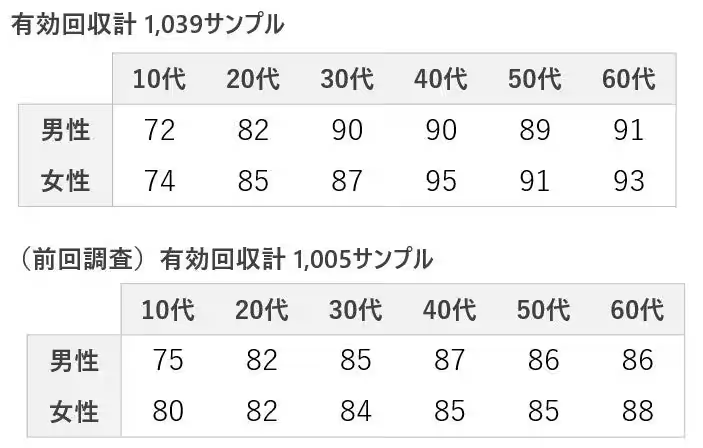
As we approach 2026, a recent survey conducted by Japan Information Co., Ltd. provides intriguing insights into the anticipated changes in lifestyle and consumption patterns. The comprehensive study, gathering data from 1,039 individuals aged 16 to 69 across Japan, occurred over a two-day period at the end of December 2025. The results indicate a combination of cautious optimism regarding the domestic economic condition and persistent consumer restraint reflecting previous concerns about living costs.
Economic Optimism and Consumer Savings
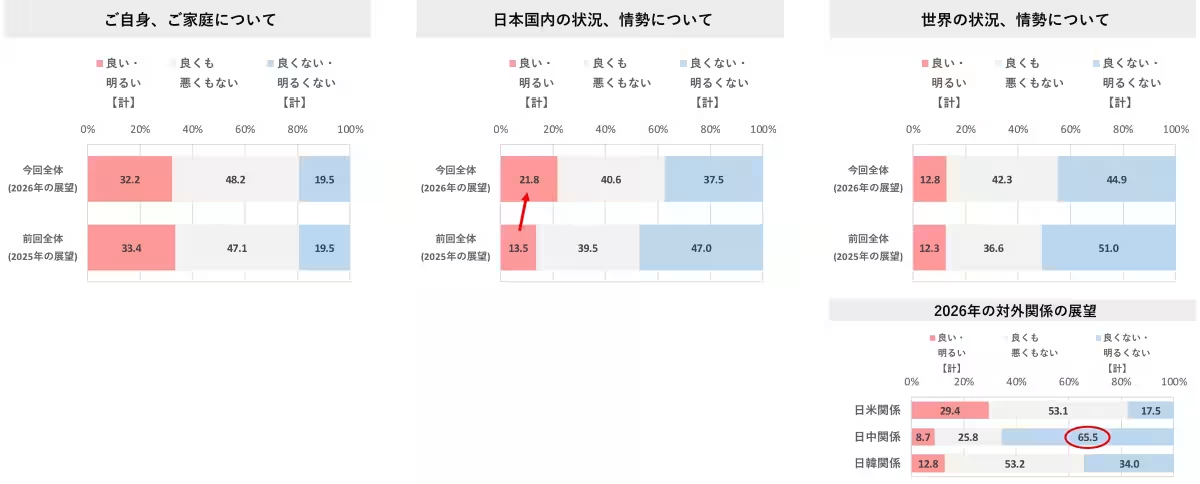
The survey highlights a perception of positive change within Japan’s domestic landscape, with optimism levels rising from 13.5% to 21.8%. However, personal and family conditions remain relatively unchanged in positive outlook, suggesting a gap between national sentiments and individual financial situations. While many participants express hope linked to stock prices and economic improvements, concerns about continuing inflation persist as a significant worry for households.
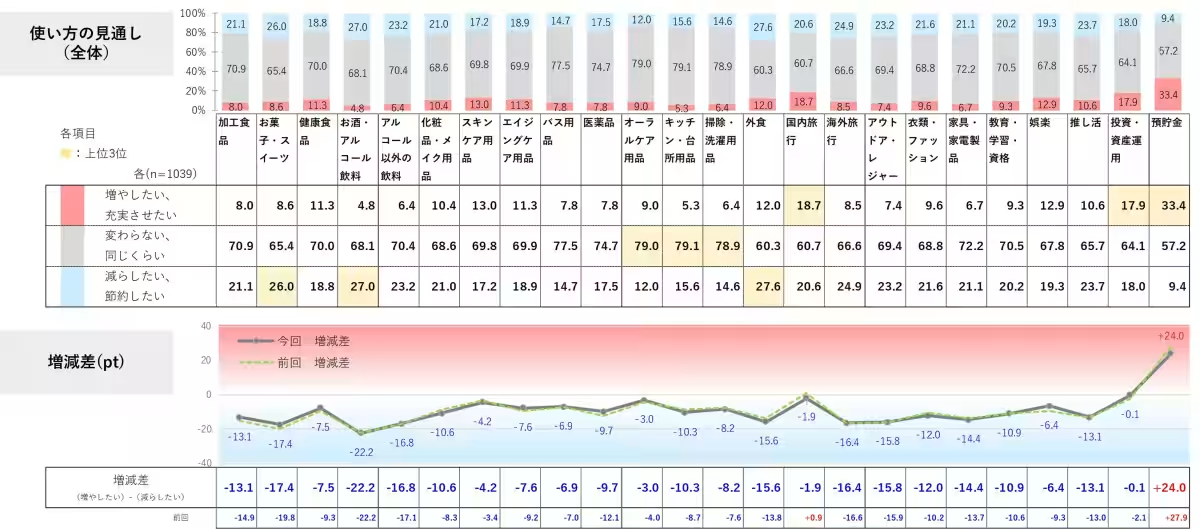
Furthermore, when it comes to spending habits in 2026, the inclination towards saving remains strong. Participants have shown a consistent intent to reduce expenditures in leisure activities like domestic travel, dining out, and fashion. Interestingly, when examining the desire to either save or enhance their discretionary spending, the only category where individuals expressed a desire to increase was savings. This trend parallels last year’s findings, emphasizing a long-term pattern in consumer behavior skewed towards frugality.
Enjoyment Versus Concern
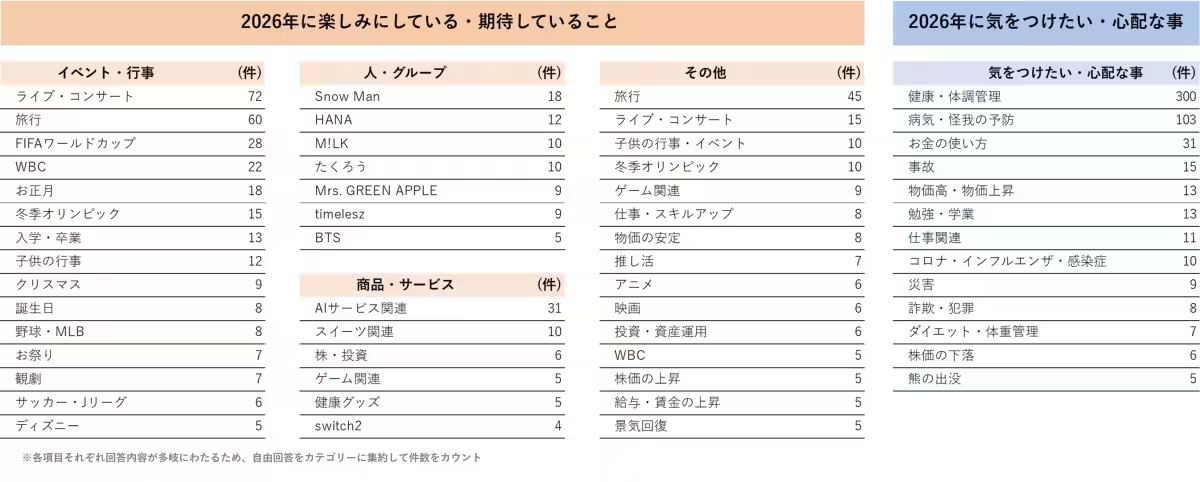
As users look towards 2026, their expectations encompass a range of anticipated events, including music festivals, sports events like the FIFA World Cup and WBC, and notable entertainers such as the popular group Snow Man. However, their concerns also reflect a significant focus on health management, particularly in light of recent economic pressures from rising prices and fears of additional financial burdens. Other worries include personal safety issues, encompassing changes in disaster conditions and increasing crime rates.
The Role of Artificial Intelligence in Daily Life
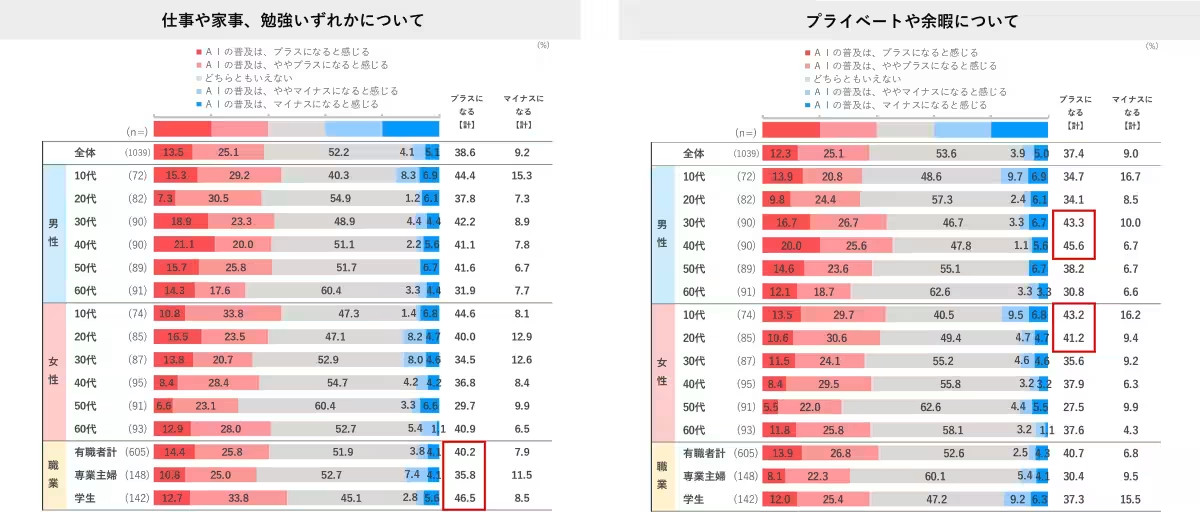
Another significant insight from the survey centers around the perception of AI's role in improving daily routines and productivity. Approximately 38.6% of respondents believe that AI could add value to work and household tasks, while 37.4% see potential benefits in personal and leisure activities. Despite this optimism, a majority have yet to engage deeply with AI tools, with more experienced users among younger demographics.
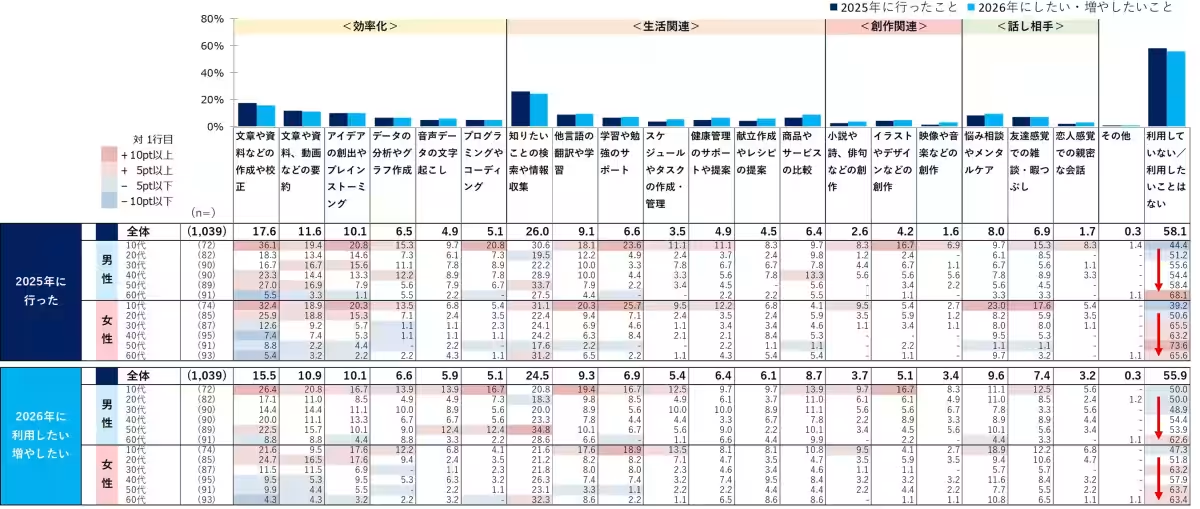
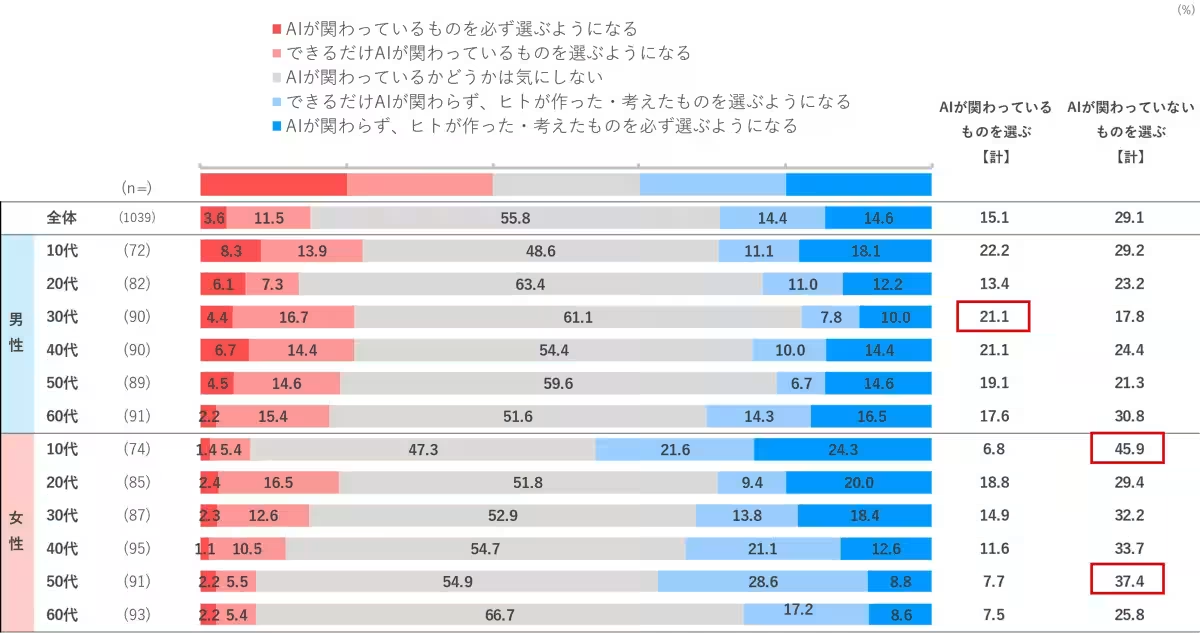
In fact, while it appears that there’s a future desire to leverage AI for searching and information gathering, many older respondents report little to no intention to adopt these technologies. Interestingly, choices regarding products and services show a preference for offerings not involving AI, with 29.1% of participants favoring non-AI options over AI-related ones. This current ambivalence indicates a complex relationship with technology: consumers are open to the idea of AI but remain cautious and selective in its application.
Concluding Thoughts
The latest findings illuminate a transitional phase for Japanese consumers as they nestle themselves between cautious optimism regarding the societal landscape and their own financial realities. As inflation continues to loom over expenditures, it remains vital for businesses and marketers to understand the importance of promoting value-oriented offerings. Moreover, while AI presents opportunities for innovation in personal and professional contexts, bridging the gap between optimism and realistic engagements with these technologies may shape the landscape of 2026.
For those interested in an in-depth examination of these findings, Japan Information Co., Ltd. has made detailed survey materials available for distribution, offering a closer look at the intricate dynamics of consumer thoughts and behaviors heading into 2026.
Contact for Full Survey Results: If you wish to explore these insights further, you are encouraged to reach out for a comprehensive report detailing a wide range of questions and demographic analyses related to consumer trends in 2026.

Topics Consumer Products & Retail)



【About Using Articles】
You can freely use the title and article content by linking to the page where the article is posted.
※ Images cannot be used.
【About Links】
Links are free to use.