



IT Engineers Reveal Management Preferences and Dissatisfactions with Superiors
Insights into IT Engineers' Relationship with Management
A recent survey conducted by Kikkake Creation focused on the management preferences of IT engineers, revealing significant trends and concerns. The survey, which involved 431 respondents currently working under a direct supervisor, highlights the expectations IT engineers have concerning their managerial relationships.
Key Findings
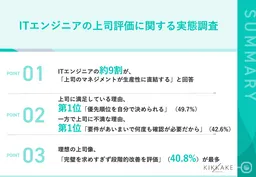
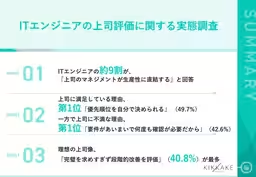
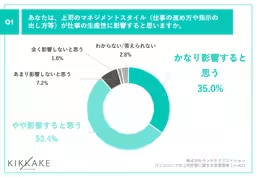
One of the standout findings indicated that approximately 90% of IT engineers believe that a supervisor’s management style directly affects productivity. When asked if they feel a supervisor's management influences their work efficiency, 88.4% agreed, citing that management plays a crucial role in their productivity levels.
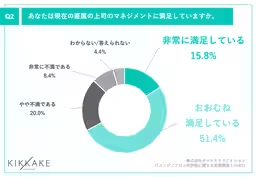
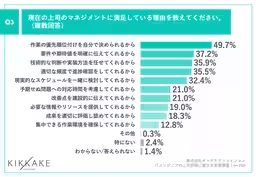
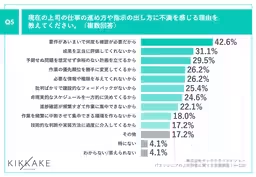
It’s interesting to note that satisfaction among IT engineers regarding their current supervisors rests on a few critical factors. The survey showed that 49.7% of respondents felt satisfied because they were allowed to prioritize their own tasks. Conversely, the leading cause of dissatisfaction was the vagueness in requirements from supervisors, which was highlighted by 42.6% of respondents.
This study illustrates a dichotomy in what IT engineers appreciate in their superiors. Satisfaction stems from autonomy and clear communication, whereas dissatisfaction arises from ambiguity and a lack of constructive feedback.
Ideal Supervisor Characteristics
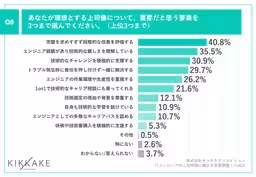
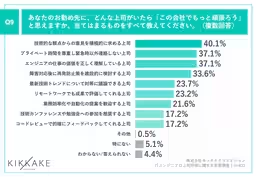
When assessing the ideal traits of a supervisor, nearly 41% of IT engineers expressed a preference for leadership that promotes gradual improvement rather than perfection. This suggests a significant desire among engineers for a supportive environment that encourages growth through constructive feedback and understanding of technical challenges. Furthermore, 35.5% highlighted the importance of the supervisor having prior engineering experience, which allows them to better grasp the complexities of the work.
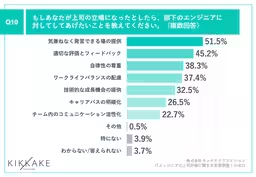
Surprisingly, around 40% indicated that they would be more motivated to contribute if their supervisor actively sought their technical opinions. Additionally, managers who respect personal time, understanding the value of work-life balance, were also viewed favorably.
Management Satisfaction and Concerns
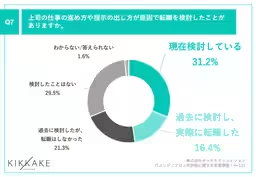
While a substantial portion of engineers reported being satisfied with their supervisors, many also expressed significant concerns. 31.2% of respondents revealed that they have considered changing jobs due to their supervisor's management style, signaling a striking connection between managerial effectiveness and employee retention.
The complexities surrounding supervisor-employee dynamics are further underscored by additional feedback from engineers who articulated their grievances. Many mentioned frustrations regarding ambiguous instructions, which require excessive clarifications. Moreover, a substantial contingent felt their contributions were not adequately recognized, with 31.1% highlighting the lack of fair assessment of their work’s outcomes.
Implications for Future Management Practices
As we look forward into a future where the demand for skilled IT personnel is expected to climb, especially with projections of a possible shortage of 790,000 engineers by 2030, addressing these management issues will become ever more crucial. Mismanagement, particularly by those lacking technical knowledge, not only affects morale but can also have dire consequences for a company’s competitiveness in the rapidly evolving digital landscape.
In this context, cultivating supervisors who can offer constructive evaluations, understand technical intricacies, and create clear communication channels is essential. This is more than just an operational mandate; it's a critical aspect of strategic management that could determine a company's capacity to thrive amidst ongoing digital transformation.
Overall, the findings suggest that nurturing a new generation of supervisors who truly understand the needs and challenges of IT professionals will be imperative for sustaining long-term growth and organizational success. By aligning managerial styles with the preferences and expectations outlined in this survey, companies stand to not only retain valuable talent but also create a harmonious workplace that fosters innovation and productivity.
For further details, you may access the full survey report through Kikkake Agent's website.


Topics Business Technology)
【About Using Articles】
You can freely use the title and article content by linking to the page where the article is posted.
※ Images cannot be used.
【About Links】
Links are free to use.