




Promoting Sustainable Practices at Eco Day Nagoya 2025 Event
Promoting Sustainable Practices at Eco Day Nagoya 2025 Event
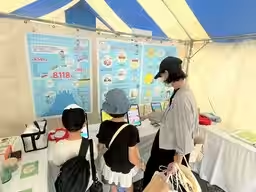
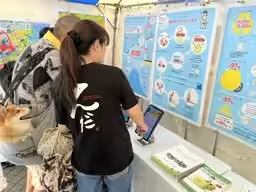
On September 13th, the Automotive Recycling Promotion Center (JARC) participated in the central event of Eco Day Nagoya 2025, held in Nagoya, Japan. This event brought together various organizations to highlight sustainability initiatives and educate the public about environmental conservation efforts. JARC’s booth was designed to educate attendees about vehicle recycling and the importance of reducing waste and using resources effectively.
At the JARC booth, visitors were engaged through interactive displays, including panels that explained the vehicle recycling system. They also participated in quizzes that tested their knowledge about car recycling. One of the primary goals was to raise awareness about just how much of a vehicle can be recycled, revealing surprising facts about the automotive industry's capability to minimize waste.
Feedback from the participants was overwhelmingly positive. Many expressed surprise that such a high percentage of vehicles can be recycled, with comments like, "I had no idea that most cars could be recycled!" This statement reflects a crucial gap in public knowledge that JARC aims to bridge through its educational efforts. Furthermore, attendees were encouraged to think about how resources recovered from used cars can be effectively utilized, highlighting the importance of sustainability in the automotive sector.
The event was not just a showcase of recycling practices but also served as a platform for dialogue about the future of vehicle disposal and resource recovery. It created an opportunity for JARC to connect with the community and other organizations dedicated to environmental protection.
As the event unfolded, JARC’s representatives engaged in animated discussions with participants, addressing their queries and sharing insights on the latest advancements in vehicle recycling technology. The booth featured various informative materials that discussed the recycling process, including the collection of valuable materials like metals and plastics from old vehicles and how these materials are repurposed into new products, thereby reducing the need for virgin resources.
Moreover, JARC highlighted its ongoing initiatives aimed at improving recycling rates and promoting best practices within the automotive industry. By educating the public and industry stakeholders alike, JARC strives to foster a culture of sustainability that extends beyond just recycling cars. The organization emphasizes the need for concerted efforts in resource conservation and waste management to combat environmental issues effectively.
Eco Day Nagoya 2025 provided JARC with an excellent platform to advocate for the adoption of sustainable practices, emphasizing that everyone has a role to play in achieving environmental goals. As the day came to a close, JARC’s team felt optimistic about the impact they had made. It became clear that such educational events are vital in shaping public understanding and fostering a healthy dialogue around sustainability.
In conclusion, JARC’s presence at Eco Day Nagoya 2025 not only educated attendees about vehicle recycling but also inspired a broader conversation on the sustainable use of resources within the automotive industry. The feedback received indicates a growing awareness among participants about recycling, and a desire for effective resource utilization in automobile production and disposal. JARC looks forward to continuing its work in this essential field, advocating for innovative practices that help secure a greener, more sustainable future.


Topics Environment)
【About Using Articles】
You can freely use the title and article content by linking to the page where the article is posted.
※ Images cannot be used.
【About Links】
Links are free to use.