



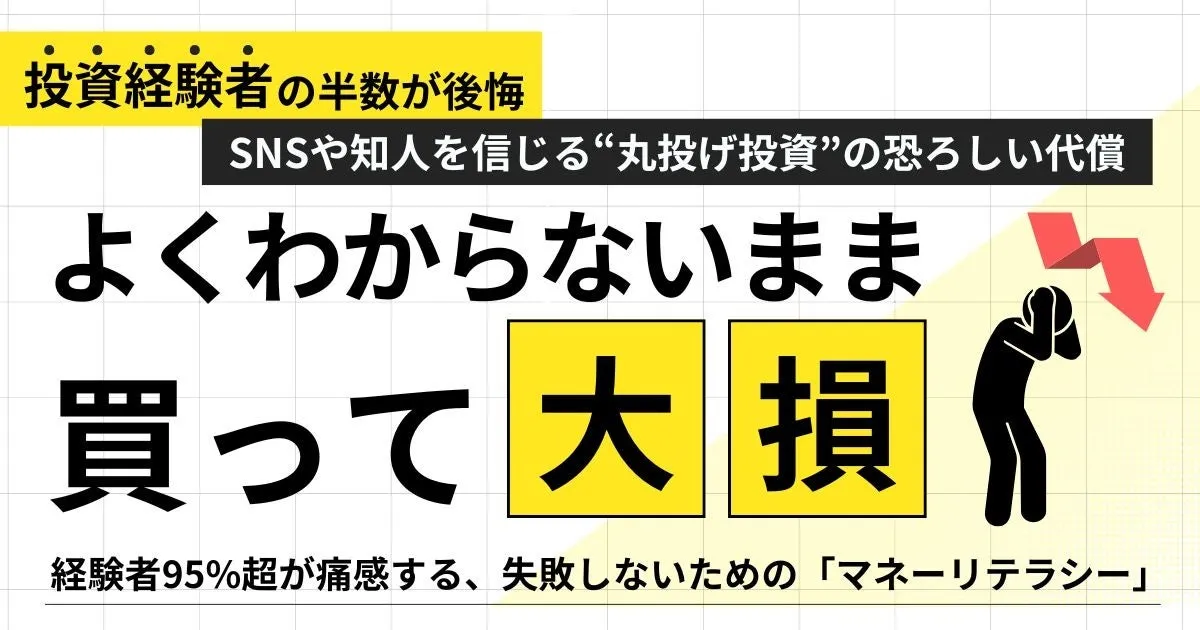
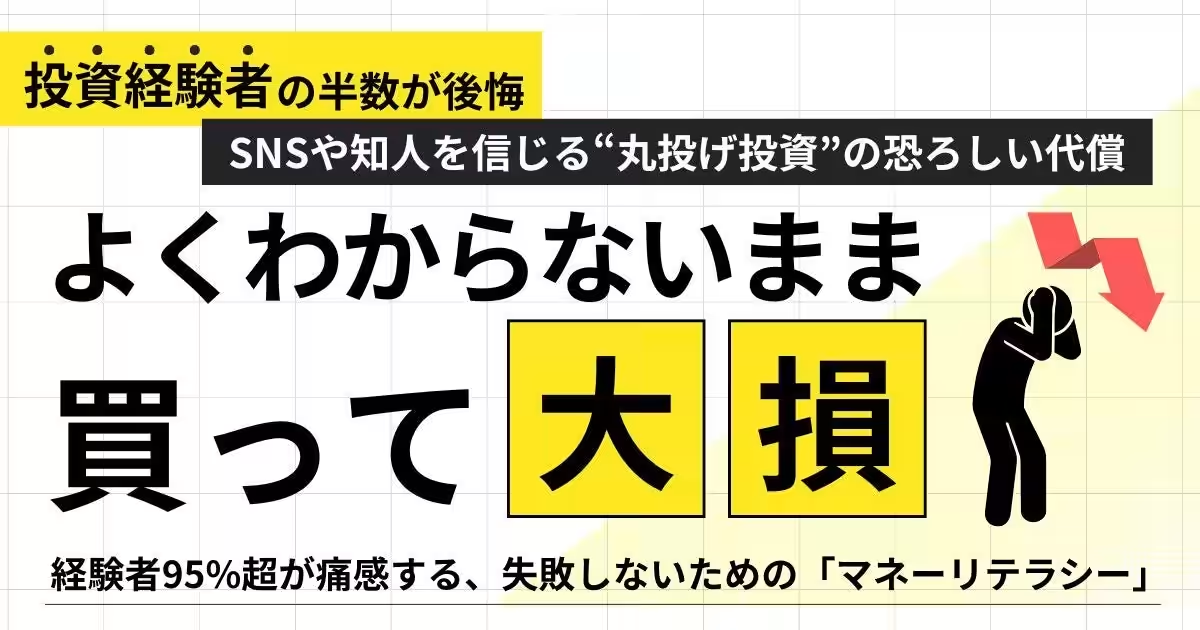
The Dangers of Blind Investing: Survey Reveals Half Regret Their Decisions
The Dangers of Blind Investing: Survey Reveals Half Regret Their Decisions
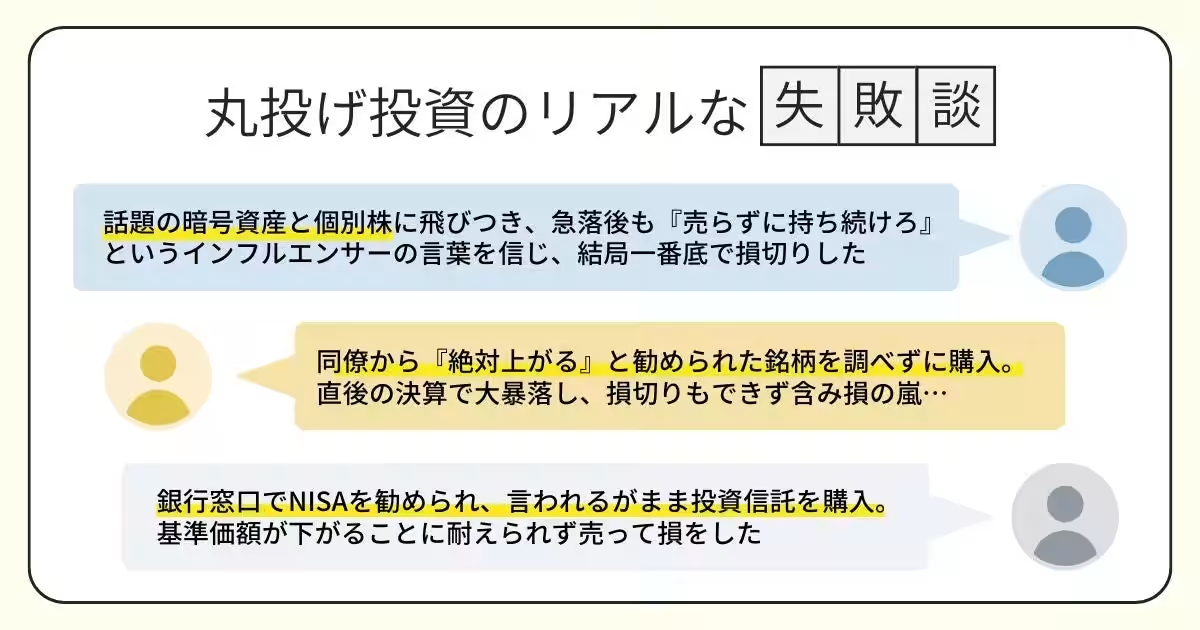
In recent years, the number of people starting to invest out of fear for the future has surged. However, alongside this trend, there is a growing concern about the phenomenon known as "blind investing," where individuals lose money by taking advice from social media influencers and friends without understanding the financial products they are dealing with.
A study conducted by TRUST's financial education school, FE Labo, surveyed 190 individuals who had previously experienced failures and regrets in their investment journeys. The findings were striking; the primary reason for their investment failures was a lack of understanding of the financial products they purchased.
Survey Summary
The investigation revealed several alarming facts:
- - Half of the respondents regretted not understanding the risks and mechanisms of the financial products they purchased.
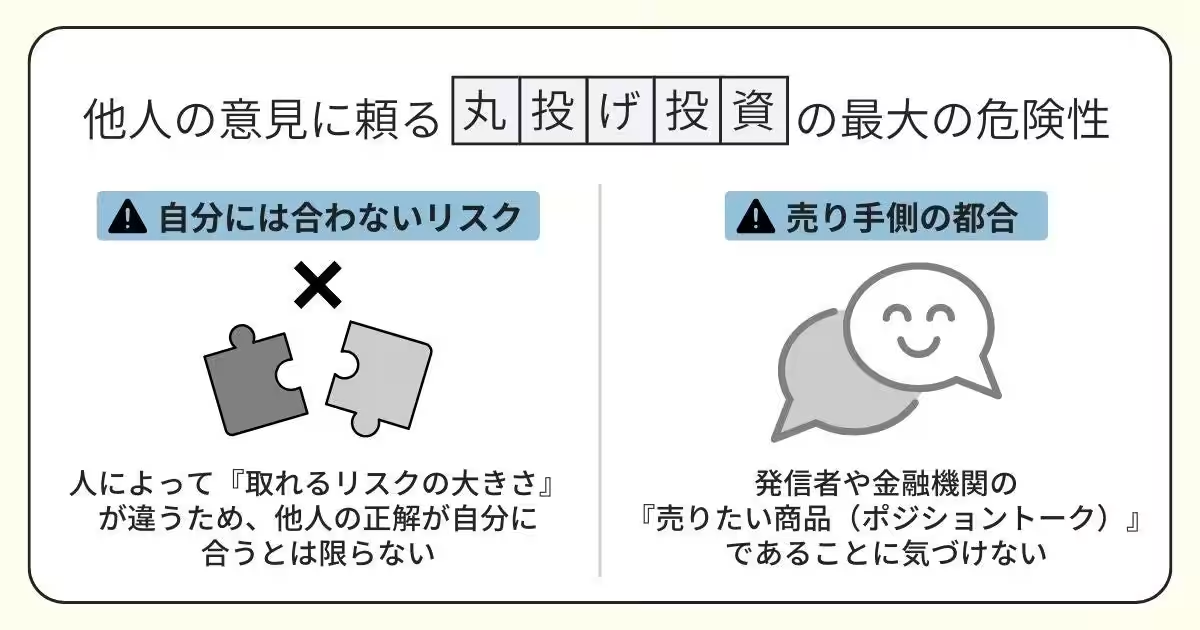
- - Trusting recommendations from others led to taking on risks unsuited to their personal situations.
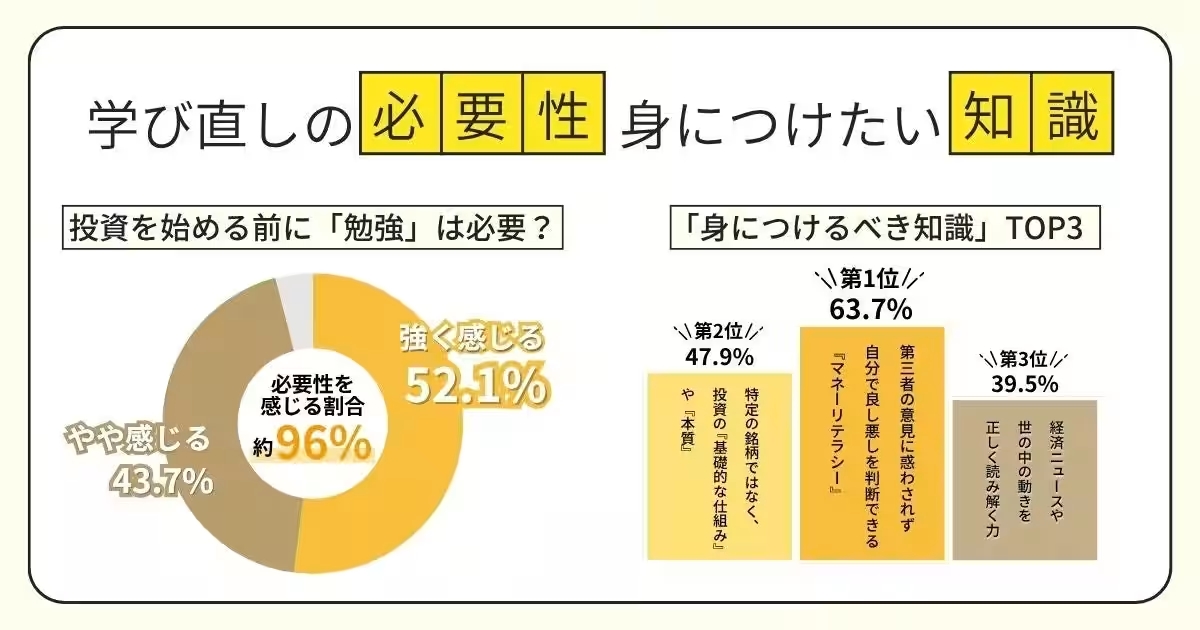
- - Almost all respondents expressed a desire to improve their financial literacy.
Regrets of Experienced Investors
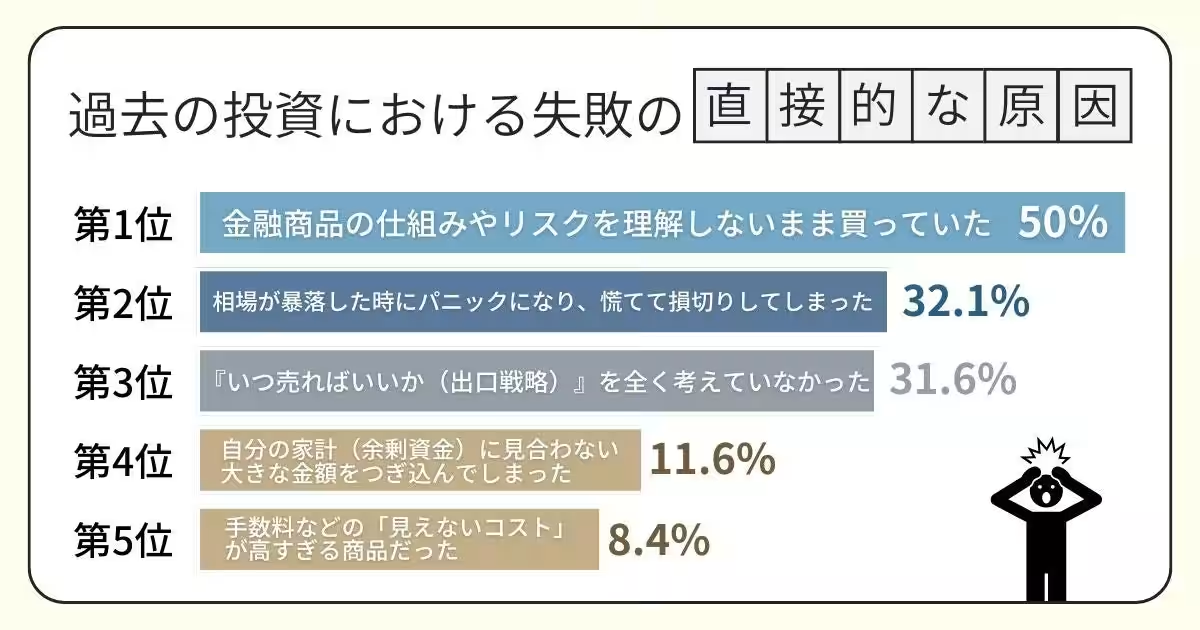
The survey’s findings indicated a profound sentiment among investors. The top complaint regarding past investment failures was that they bought products without understanding their structure or risk—an alarming 50% fell into this category. Other reasons included panic selling during market downturns (32.1%) and failing to have an exit strategy in place (31.6%).
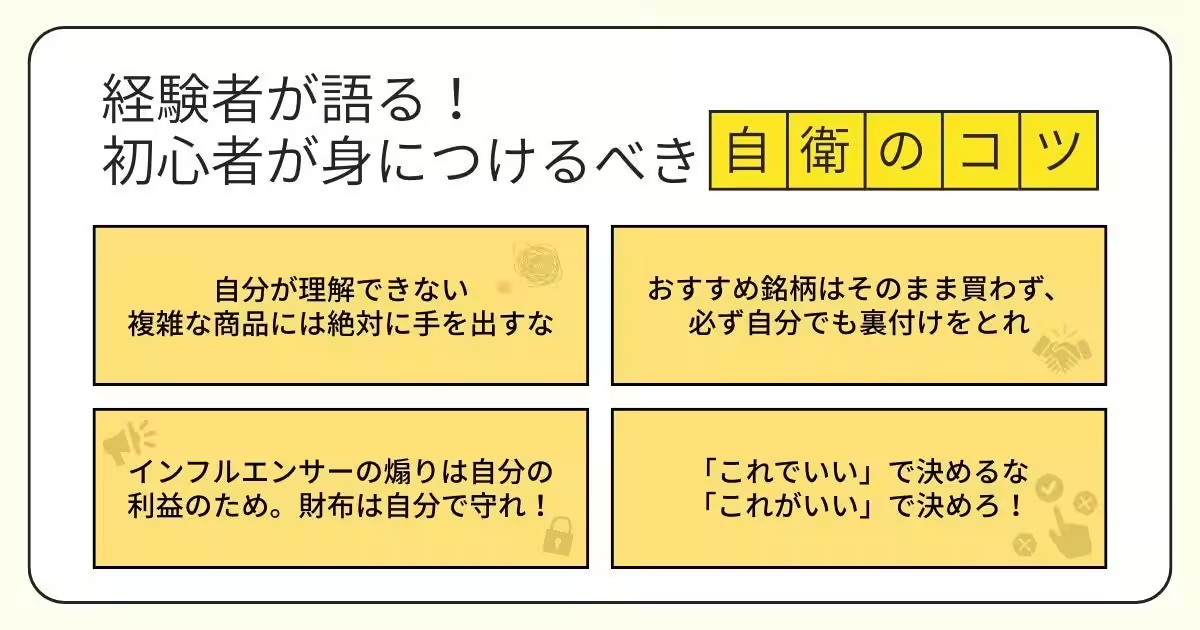
This highlights a critical issue: many investors jumped into investments based on vague recommendations—"this looks good"—instead of through informed decision-making. The result? They found themselves paralyzed when panic strikes the market.
Understanding the Risks of Blind Investing
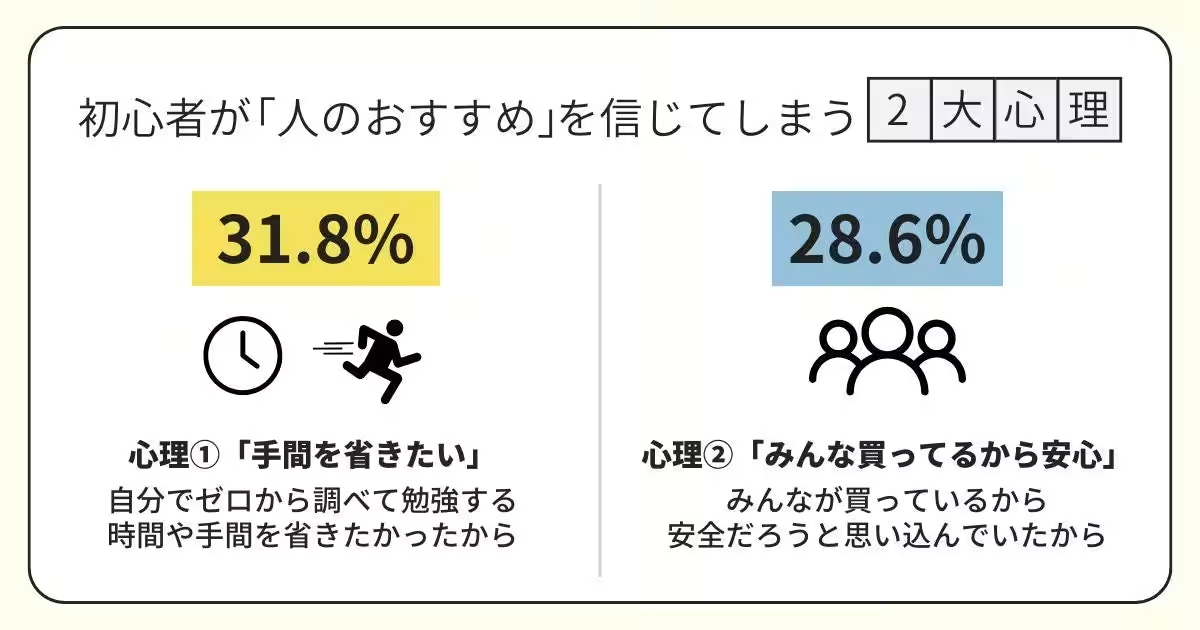
So why do investors trust others’ recommendations without question? A closer look reveals some common psychological trends behind this behavior. Many expressed that they wanted to avoid the time and hassle of researching on their own (31.8%) or that they assumed something was safe simply because
Topics Other)






【About Using Articles】
You can freely use the title and article content by linking to the page where the article is posted.
※ Images cannot be used.
【About Links】
Links are free to use.