


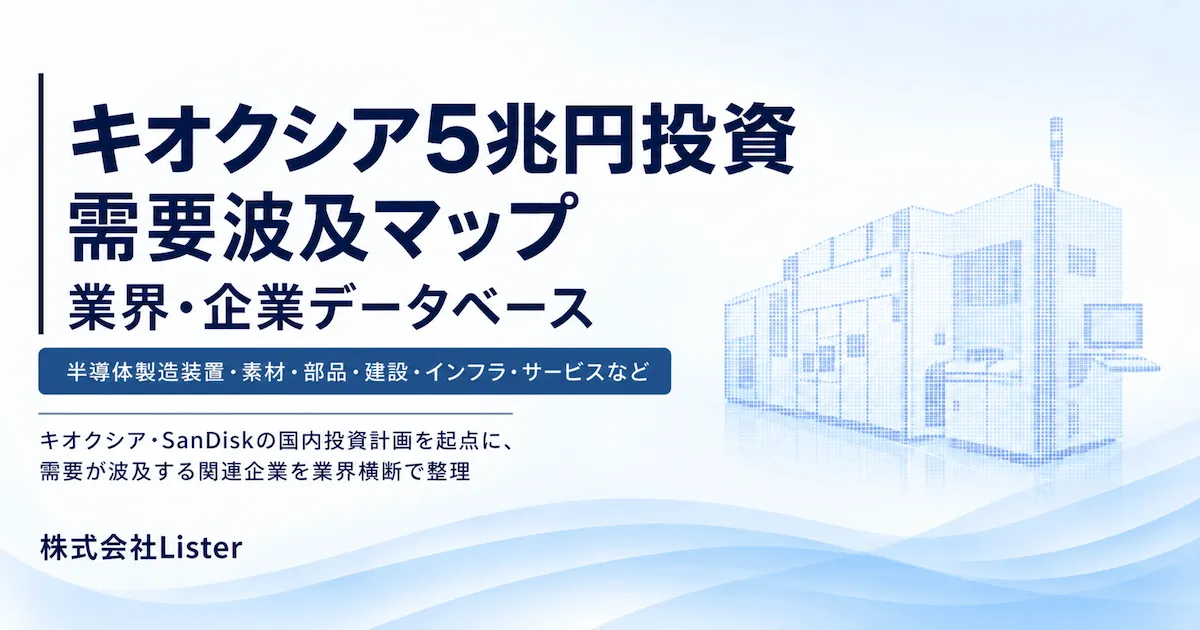
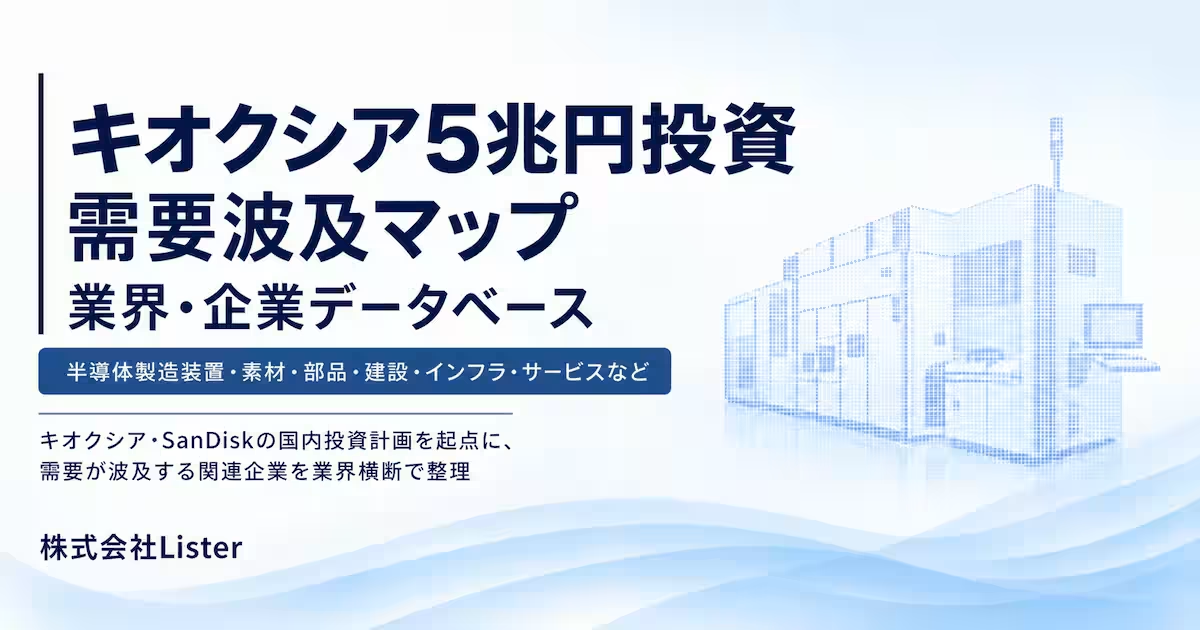
Kioxia-SanDisk Invests 5 Trillion Yen in Semiconductor Demand Mapping Database
New Database for Semiconductor Industry Demand
Tokyo-based company Lister has recently initiated the Kioxia-SanDisk 5 Trillion Yen Investment Demand Mapping Database, which aims to provide insights into the effects of Kioxia and SanDisk's substantial investment in Japan's semiconductor industry. Announced on September 15, 2026, this resource breaks down the anticipated demand generated by the semiconductor factory investments into various industrial sectors and the related companies involved in this ecosystem.
Understanding the Scale of Investment
Kioxia and SanDisk made headlines on August 27, 2026, when they declared plans to invest approximately 5 trillion yen by 2032 to enhance production facilities at their sites in Yokkaichi and Kitakami. This includes strengthening technology and infrastructure for the K3 building at Kitakami, which will focus on increasing the production capacity of their 3D flash memory, BiCS FLASH.
Such massive investments draw attention not only because of their scale but also due to the complex ecosystem that supports semiconductor manufacturing. Lister recognizes the necessity of categorizing the demand generated by these investments, highlighting their indirect impacts across various industries.
Comprehensive Demand Structure Analysis
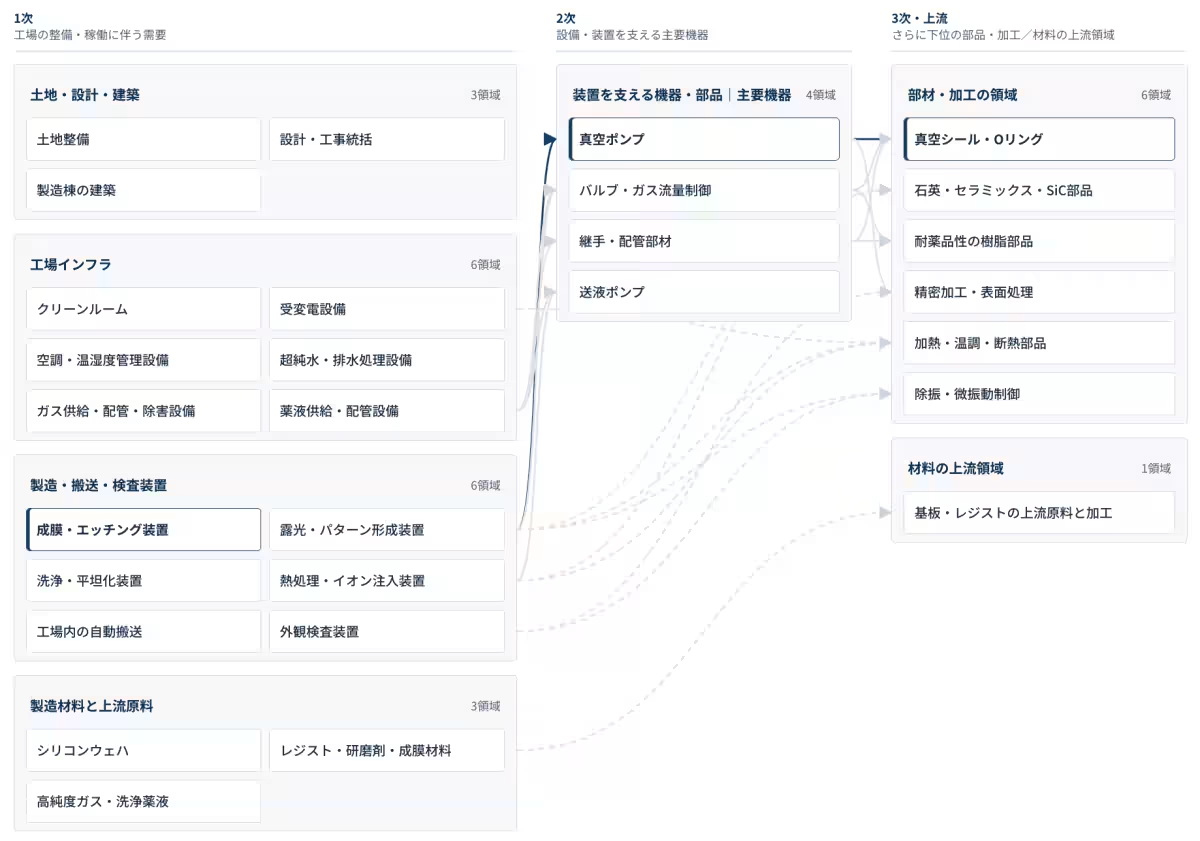
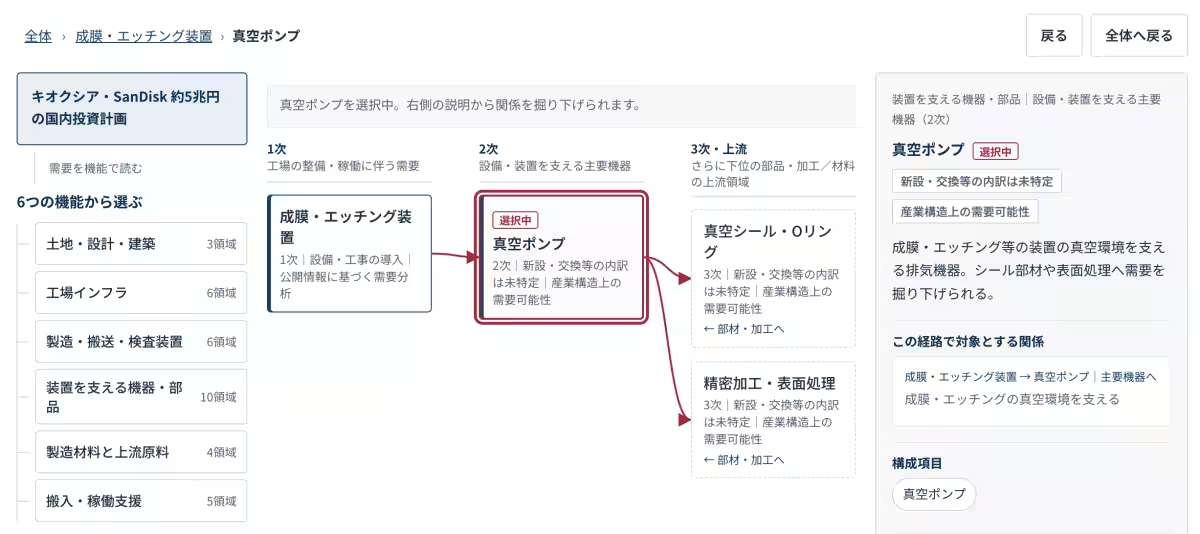
The new database does not merely focus on direct investments in factory construction or manufacturing equipment. Instead, it meticulously categorizes the associated needs into six significant functions and 35 demand areas. This includes:
1. Land, Design, and Construction: Managing land, overseeing design and construction of manufacturing buildings.
2. Factory Infrastructure: Clean rooms, electrical equipment, air conditioning systems, and more.
3. Manufacturing, Transportation, and Inspection Equipment: This encompasses devices for film deposition, etching, and quality checking within the factory space.
4. Supporting Equipment and Parts: Each core device has a series of essential parts that ensure its functionality.
5. Manufacturing Materials and Raw Inputs: Identifying and organizing silicons, chemicals, and other necessary materials.
6. Logistics and Operation Support: Incluping necessary transportation and ongoing maintenance activities for operational efficiency.
These various categories create a detailed demand structure that illustrates how investments ripple through the entire semiconductor supply chain.
Exploring Beyond Primary Equipment
A standout aspect of this database is its emphasis on analyzing secondary and tertiary demand layers. For instance, understanding the equipment required to create the vacuum environment for operating an etching machine unveils a web of secondary needs, such as specialized components and processing solutions, that are crucial yet often overlooked when discussing investment impacts. By mapping these indirect demands, Lister enables a deeper exploration of hidden opportunities in the supply chain.
Rich Data for Strategic Exploration
Lister's database provides detailed profiles for each company linked to this investment. This includes essential data points such as:
- - Company Name
- - Official URL
- - Location
- - Overview of related products/services
- - Links to semiconductor sector activities
- - Relevant demand categories
- - Position in the supply chain
- - Publicly available results related to Kioxia and other semiconductor fabs
- - Source URLs for further information
This meticulous approach enables businesses to clearly understand potential market linkages and collaborations, offering critical insights into how they can benefit from Kioxia and SanDisk's investment initiative.
Database Utilization and Future Potential
The new database serves a variety of purposes. Companies can use it to:
- - Research industries and entities likely to benefit from large investment initiatives.
- - Identify potential partners or sales prospects within the semiconductor sector.
- - Understand how their products align with the semiconductor supply chain.
- - Assess entry opportunities into the semiconductor market.
- - Investigate the components and materials market preceding equipment manufacturers.
Lister plans to continuously augment this database and its analytics to foster business opportunities within and beyond the semiconductor landscape.
Conclusion
In summary, the Kioxia-SanDisk 5 Trillion Yen Investment Demand Mapping Database by Lister emerges as a pivotal tool for industry players seeking to navigate the intricate connections within the semiconductor sector. By amplifying visibility into demand origins and intricacies, this platform holds immense potential for driving informed business decisions and collaborations.
For more information on downloading the database, visit Lister’s dedicated site.





Topics Business Technology)





【About Using Articles】
You can freely use the title and article content by linking to the page where the article is posted.
※ Images cannot be used.
【About Links】
Links are free to use.