



Exploring the Global Influence of Korean Temple Cuisine on Sustainable Culinary Practices
Introduction
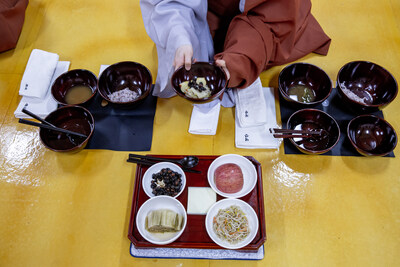
Korean temple cuisine, a unique culinary tradition, finds its roots in over 1,700 years of Korean Buddhist wisdom. Recently celebrated for its recognition as an Intangible Cultural Heritage by the Korean government, this cuisine is not just about vegetarianism. It represents a profound philosophy emphasizing respect for all forms of life, moderation, and gratitude. As the world increasingly emphasizes sustainability and mindfulness, this culinary art resonates well with contemporary values.
Revival of Interest
Korean temple cuisine has recently garnered significant attention globally. The Cultural Corps of Korean Buddhism has made concerted efforts to promote this tradition through international festivals and cultural diplomacy events. Recognizing its importance not only as a food culture but also as a means of spiritual and cultural exchange, the corps has organized several major global events this year.
Major Events in 2025
In June, the Fourth Korean Temple Food Festival was held at the aT Center in Seoul, marking a decade's largest gathering of its kind. Featuring 11 temples from across Korea, the festival showcased a variety of programs, including lectures, hands-on workshops, and cooking demonstrations led by six master monks and nuns, known as Sunim, experts in temple cuisine. Over the course of two days, the festival attracted more than 20,000 attendees, with nearly 47% of participants aged between 20 and 30, indicating a growing interest among younger generations in sustainable and vegetarian food practices.
In August, the Temple Food International Academic Symposium took place at the National Palace Museum of Korea in Seoul, where experts from Korea, the United States, the UK, Italy, and China convened to explore the potential of temple cuisine as a form of sustainable culinary culture. Brendan R. Walsh, Dean of the Culinary Institute of America (CIA), stressed the importance of the Buddhist prayer 'Ogwan-ge' (Five Contemplations) recited before meals, underlining its relevance to culinary practice and its future. He expressed a keen interest in integrating these values into CIA’s curriculum.
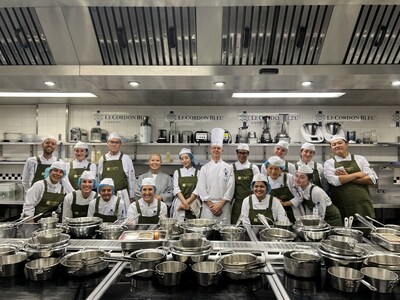
Later, international cultural diplomacy events were held in Paris and London to introduce the spirit of temple cuisine directly to food experts and influencers in Europe. In France, a Korean-style salad named “Deodeok Beomuri,” presented by Venerable Yeogeo Sunim, delighted guests at a dinner hosted by the Embassy of the Republic of Korea in France, celebrating the upcoming 140th anniversary of diplomatic relations between Korea and France. Meanwhile, in the UK, the Korean Temple Food Week was organized in collaboration with the Korean Cultural Centre UK and Le Cordon Bleu London. Venerable Yeogeo Sunim lectured at the prestigious culinary school, while another prominent monastic chef, Venerable Jeong Kwan Sunim, famous for her meditative cooking approach and her appearance on Netflix's Chef's Table, showcased the discipline of temple cuisine through a pop-up restaurant.
Commitment to Sustainability
Emil Minev, Dean of Le Cordon Bleu London, remarked, “Korean temple cuisine embodies the harmony with nature and respect for life, and I wholeheartedly support the Cultural Corps’ efforts to register it with UNESCO.” Since signing a tripartite MOU with the Korean Cultural Centre UK and Le Cordon Bleu in April 2021, the corps has continued its cultural diplomacy with regular events featuring Korean temple cuisine at culinary arts programs.
Key Locations for Temple Cuisine
Visitors to Korea can explore temple cuisine at key locations managed by the Cultural Corps of Korean Buddhism. The Korean Temple Food Center in Insadong, Seoul, offers one-day workshops designed for international participants, giving them an insight into monastic cooking. Furthermore, Balwoo Gongyang, the world’s first Michelin-starred temple cuisine restaurant, allows diners to experience the essence of this culinary tradition through dishes made from seasonal ingredients.
A Global Culinary Influence
Ultimately, the healing, contemplative spirit and wisdom of a sustainable lifestyle conveyed by a simple bowl of temple food are spreading around the world. The Cultural Corps is committed to promoting this unique culinary culture as a recognized model for sustainable living and spiritual well-being, encouraging global exchanges in the realm of vegetarian and sustainable culinary culture that connects Korea to the rest of the world.
For inquiries, contact:
- - Korean Temple Food Center: edu.koreatemplefood.com / +82-2-733-4650
- - Balwoo Gongyang: eng.balwoo.or.kr / +82-2-733-2081
Topics Other)
【About Using Articles】
You can freely use the title and article content by linking to the page where the article is posted.
※ Images cannot be used.
【About Links】
Links are free to use.