



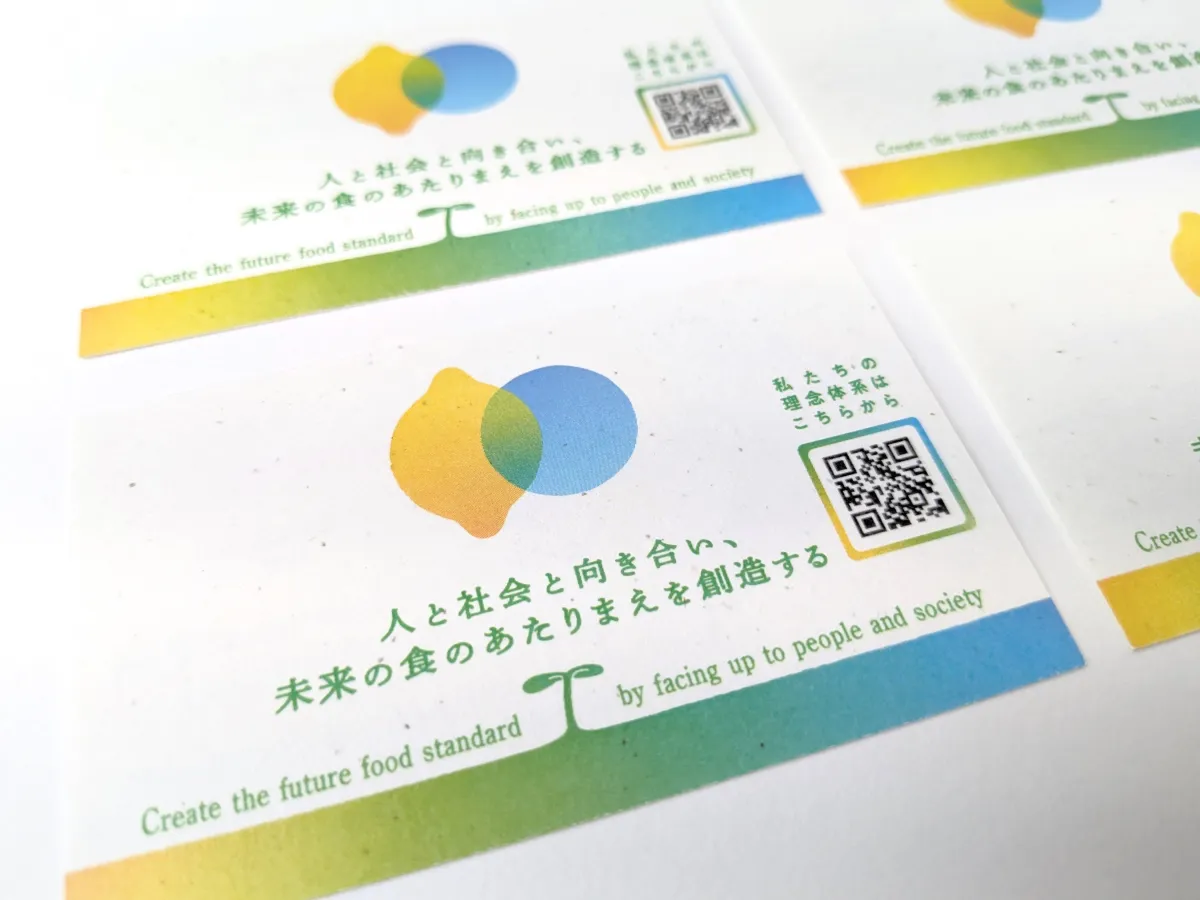
Innovative Lemon Paper Developed by Papal and Pokka Sapporo: A Sustainable Future
The Development of Domestic Lemon Paper
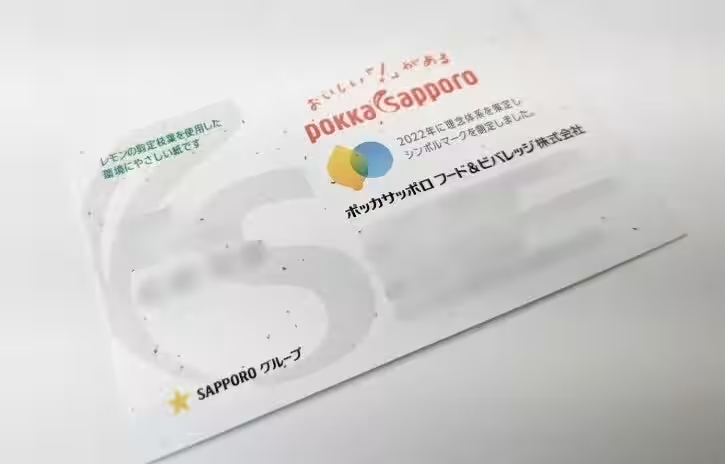
In a remarkable collaboration, Papal Co., Ltd., a veteran paper company founded in 1890 in Nara, has teamed up with Pokka Sapporo Food & Beverage Co., Ltd., located in Nagoya, Aichi Prefecture, to bring to life an innovative product: Domestic Lemon Paper. This new type of paper is crafted from pruning residues of lemon trees that were previously deemed waste, demonstrating a commitment to sustainability and environmental responsibility.
Background of the Domestic Lemon Paper Development
Since its inception, Papal has aimed to explore the infinite possibilities of paper while contributing to society and the environment. With the rising awareness of sustainability, the importance of upcycling unused materials has become a key focus. Understanding the need to breathe new life into waste, Papal has actively sought ways to incorporate various materials into paper production.
On the flip side, Pokka Sapporo has been working diligently to promote domestic lemon production and contribute to local communities. They recognized the need to efficiently use the pruned branches and leaves generated during lemon cultivation. Thus, the project to create Domestic Lemon Paper was initiated, merging the aims of both companies into an innovative sustainable product.
Features and Crafting of Domestic Lemon Paper
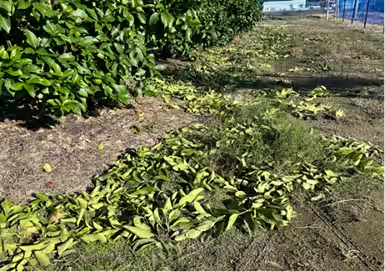
Domestic Lemon Paper utilizes lemon branches and leaves from Pokka Sapporo's managed lemon fields in Osaki Kamijima, Hiroshima. In the development phase, the company focused on enhancing the unique characteristics of the lemon-derived materials while ensuring practical usability. This involved:
Optimizing Material Properties
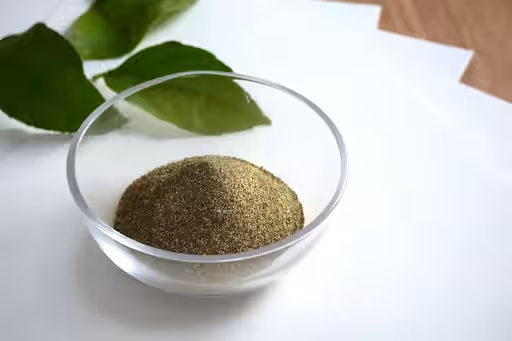
The branches and leaves of lemons differ significantly in terms of moisture content and fiber structure. The presence of sharp thorns on the branches posed additional challenges in achieving a uniform processing for paper production. Leveraging their extensive experience, Papal employed advanced techniques for drying and grinding, meticulously selecting materials through trial and error to achieve an optimal particle size suitable for paper production. In this development process, a mixing ratio of 1% was determined as the most effective.
Balancing Print Suitability and Texture
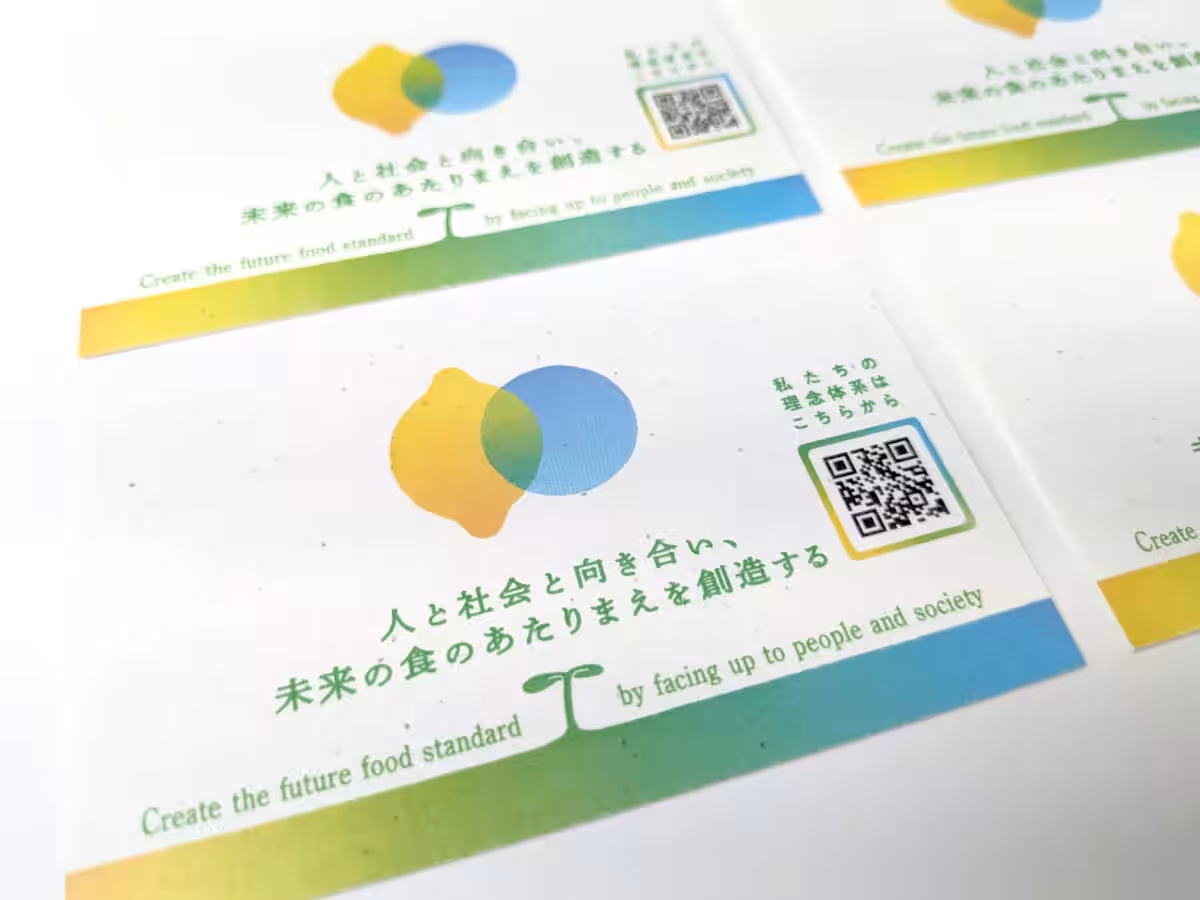
Considering the intended use of the paper for business cards, it was essential that the resulting product met the demands of modern printing techniques. Additionally, capturing the natural texture and warm tactile experience of lemon branches and leaves was a priority. By combining multiple processing technologies, the team successfully delivered a paper that not only allows for beautiful print finishes but also highlights the inherent qualities of the material.
About Papal Co., Ltd.
Founded in 1890, Papal Co., Ltd. has supported the culture of paper in Japan for over 130 years through its sales of paper products. Since obtaining FSC® / COC certification in 2008, the company has made efforts to provide renewable materials to society while promoting awareness about alternatives to plastic in line with SDGs. To expand these initiatives, Papal started a project in April 2020 focused on developing food waste-based paper, which led to innovations like Kome-Kami and Vegi-Kami.
Future Prospects
Papal Co., Ltd. is dedicated to exploring the potential of utilizing various unexploited resources in paper production. By focusing on the development and proliferation of environmentally friendly products, the company aims to contribute towards the realization of a sustainable society.
Company Information
Name: Papal Co., Ltd.
Location: 76-7 Ikeda-cho, Nara City, Nara Prefecture
Representative: Takehiro Yada
Capital: ¥30 million
Founded: 1890
Business Activities: Development and sales of paper and paper products
For more information, visit:
Papal Corporate Site
Food Loss Paper
Twitter Account
Instagram Account

Topics Consumer Products & Retail)
【About Using Articles】
You can freely use the title and article content by linking to the page where the article is posted.
※ Images cannot be used.
【About Links】
Links are free to use.