




The Shocking Difference in Average Monthly Income from Side Jobs Driven by AI Utilization
The Profound Income Disparity in Side Jobs: The Impact of AI Utilization
As side jobs become an increasingly popular choice, many seek ways to achieve higher earnings efficiently. But what separates those able to earn significantly from their side gigs from those who struggle? A recent study conducted by the AI Skills Academy, which offers cutting-edge AI utilization seminars attended by over 30,000 individuals, reveals startling insights into this very question.
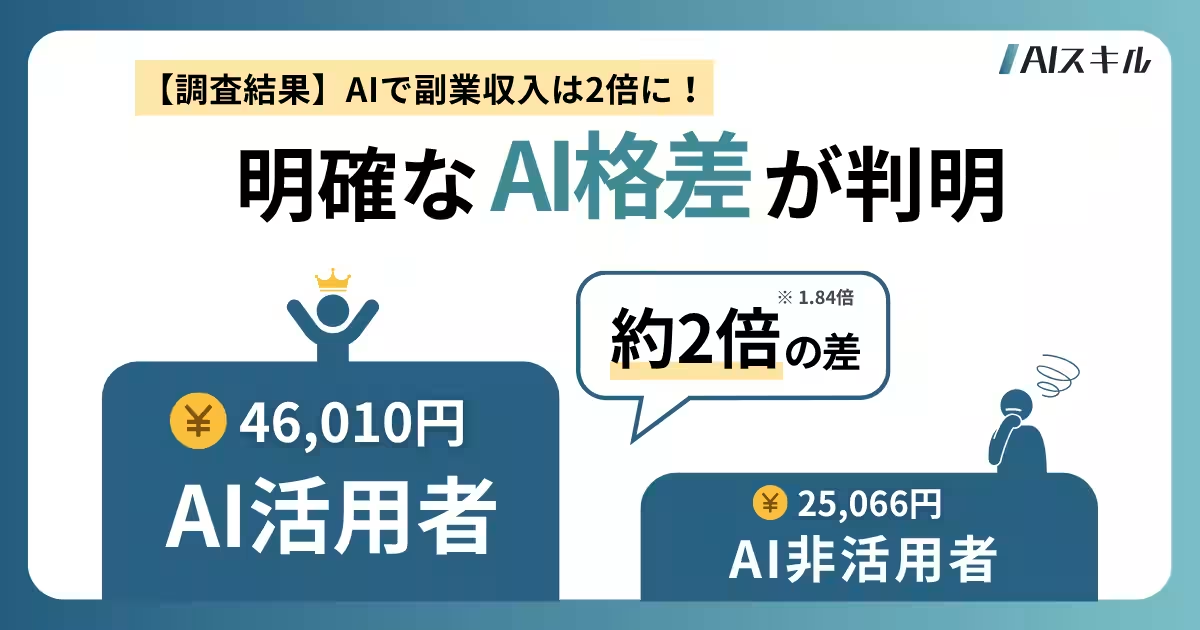
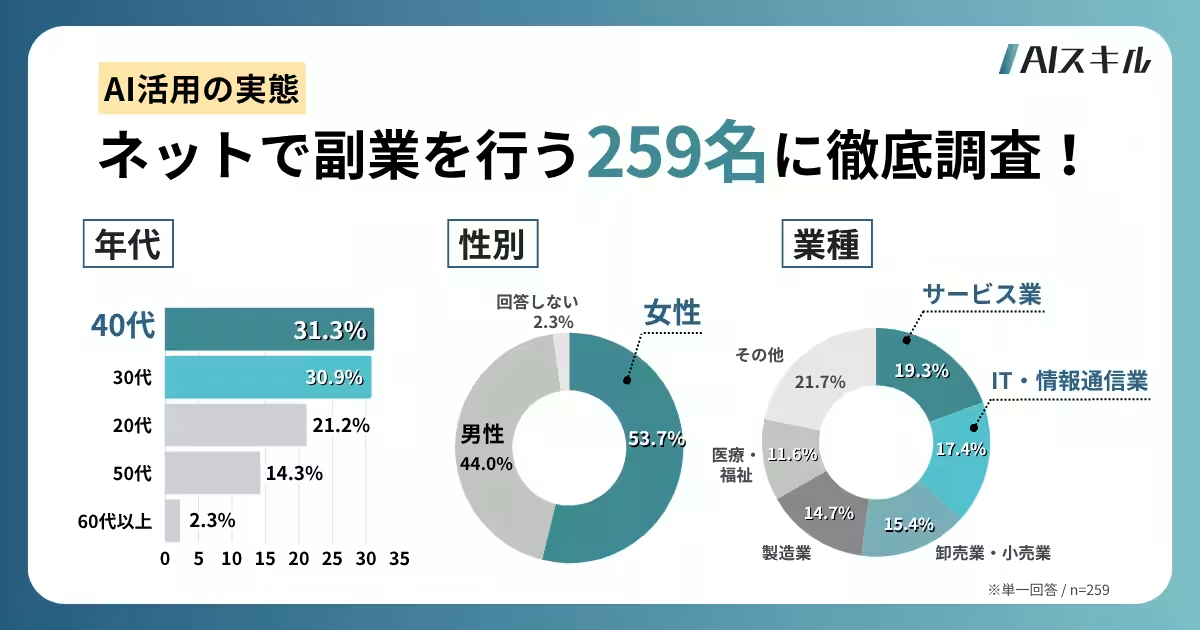
The academy surveyed 259 men and women engaged in online side jobs to explore the connection between AI usage and income potential. The results were nothing short of revelatory: individuals leveraging AI in their work boasted an average monthly income from side jobs nearly double (1.84 times) that of those who do not utilize this technology.
This article delves into the defining differences discovered through their data between those thriving in their side ventures and those faltering.
Survey Insights: Understanding the Income Gap
This comprehensive survey tapped into the experiences of 259 online side job participants across the country. Notably, 62.2% of respondents were in their 30s and 40s, indicating a pronounced interest in side jobs among working adults. When examining their primary occupations, a majority (54.1%) identified as regular employees, with subcategories showing significant representation from the service (19.3%), IT/telecommunications (17.4%), and wholesale/retail (15.4%) sectors.
This breadth demonstrates that professionals from various industries are actively pursuing side work, raising the question of what distinguishes them based on their usage of AI.
AI-Driven Income Boost
A key focus of the study was the stark contrast in income levels between AI users and non-users. Here are the figures:
- - Average monthly income for AI users: ¥46,010
- - Average monthly income for non-AI users: ¥25,066
This staggering difference underscores the direct link between AI proficiency and the potential for increased earnings in side jobs.
How AI Users Excel
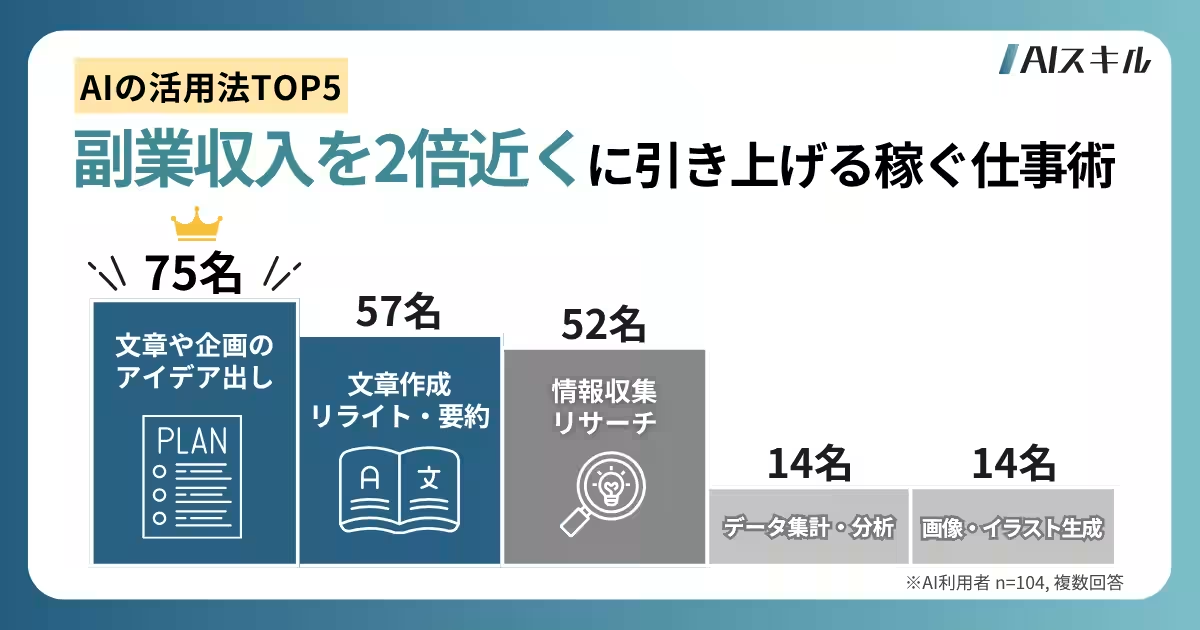
The question looms large: why is there such a significant income disparity? The answer lies in how users apply generative AI to their work. The top five AI applications utilized by those making substantial incomes include:
- - Generating content ideas and concepts: 75 respondents
- - Writing, rewriting, and summarizing text: 57 respondents
- - Research and information gathering: 52 respondents
- - Data compilation and analysis: 14 respondents
- - Creating images and illustrations: 14 respondents
The most successful earners are those who go beyond simply using AI for efficiency; they employ it as a collaborator to enhance the quality of their work. For example, brainstorming ideas and refining research accuracy indicates a transformative approach to how they engage with their side projects, which leads directly to increased earnings.
Real-Life Success Stories
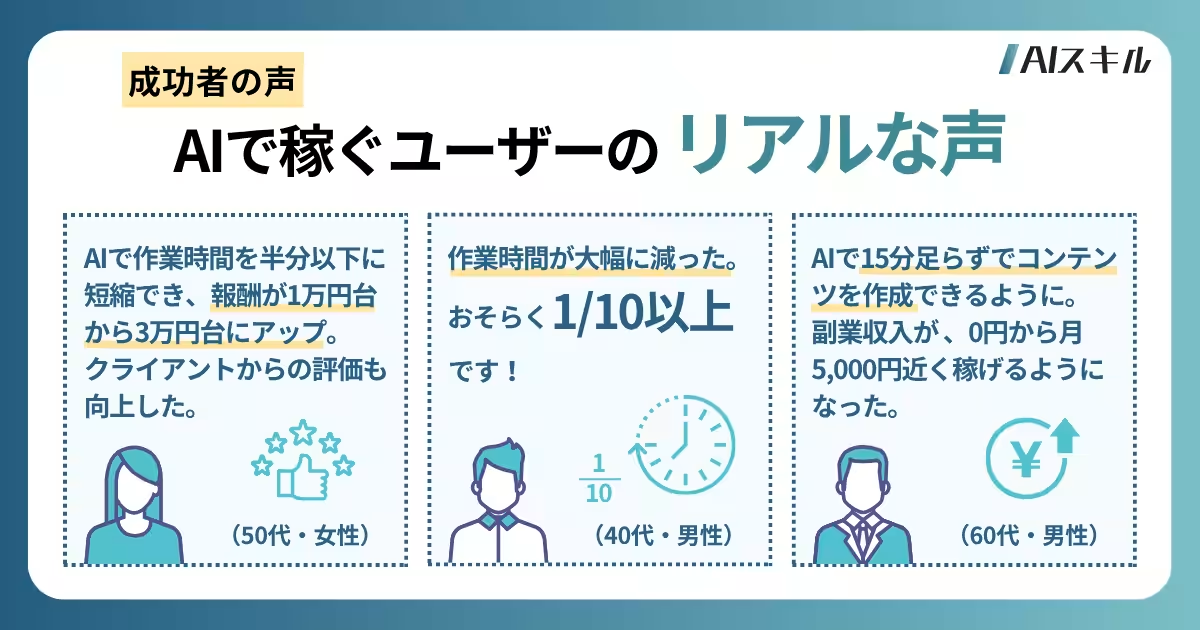
Numerous success stories have emerged from those who effectively utilize AI to boost their side income:
- - One 50-year-old female user shared how she halved the time taken to write product reviews, enabling her to increase her workload from a few projects earning ¥10,000 per month to multiple projects yielding ¥30,000.
- - A male respondent in his 40s noted that AI reduced his working time drastically—by over 90%—allowing him to focus on quality output through adaptive dialogue while composing documents.
- - Another user in his 60s mentioned transforming his income from nothing to nearly ¥5,000 monthly by leveraging AI tools to streamline content creation.
These examples reflect how leveraging AI leads to not just time savings—higher productivity and enhanced work quality directly correlate with increased side income. Moreover, individuals with such skills tend to receive higher ratings from clients, leading to further opportunities for profitable projects.
Reasons Behind Non-Usage
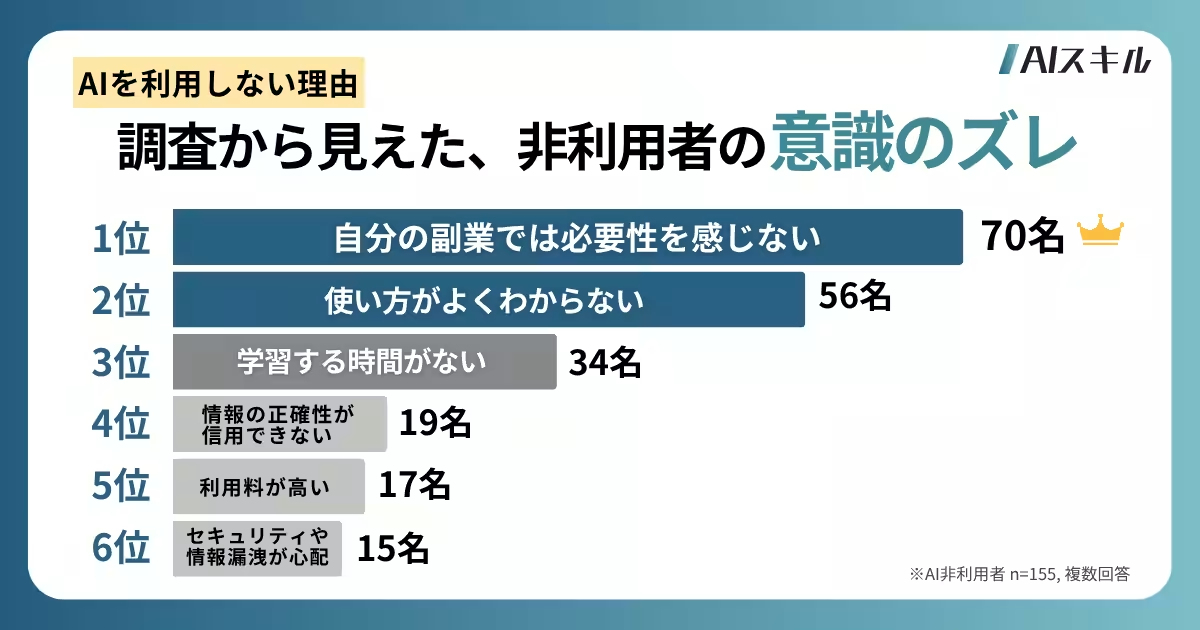
Conversely, the study also investigated why some participants (155 individuals) do not employ AI in their side jobs:
- - No perceived necessity for their side work: 70 respondents
- - Uncertainty in usage: 56 respondents
- - Lack of time to learn: 34 respondents
- - Distrust in the accuracy of AI-generated information: 19 respondents
- - High tool costs: 17 respondents
- - Security and data privacy concerns: 15 respondents
Even with substantial evidence of the benefits, the top reason—lack of perceived necessity—suggests a disconnect in understanding the potential applications of AI that could enhance their income. Additionally, a significant number of non-users struggle with a fundamental lack of awareness about what AI can offer, inhibiting their ability to recognize its value.
Notably, 91.3% of AI users report having learned their skills through self-study, emphasizing that the primary differentiation between users and non-users lies in their willingness to act and explore these technologies.
Conclusion
This survey shines a light on the powerful role AI plays in distinguishing between successful and unsuccessful side job earners. The income gap will only widen if individuals dismiss the potential applications of AI in their work. Those who thrive in their side endeavors treat AI as more than a mere time-saving tool; they utilize it to elevate their work quality and client satisfaction.
By recognizing how to integrate AI effectively into their workflows, aspiring earners can significantly enhance their financial returns. With the majority of AI savants getting started through self-learning, individuals are urged to explore free tools to gain foundational knowledge before advancing to advanced seminars. By seizing these opportunities for learning, a pathway to greater success in side income awaits them.

Topics Consumer Products & Retail)
【About Using Articles】
You can freely use the title and article content by linking to the page where the article is posted.
※ Images cannot be used.
【About Links】
Links are free to use.