




Discovering the Barriers in Guitar Learning: Insights from 300 Participants
Understanding the Challenges in Guitar Learning
The West Shinjuku Guitar School, located in Tokyo, has conducted a compelling survey among 300 guitarists aged 20 to 60. The survey, titled "Barriers to Guitar Learning: Actual Condition Survey 2026," sought to analyze obstacles that individuals face while learning the instrument. The results, published on August 5, 2026, highlighted some alarming statistics and insights.
Key Findings
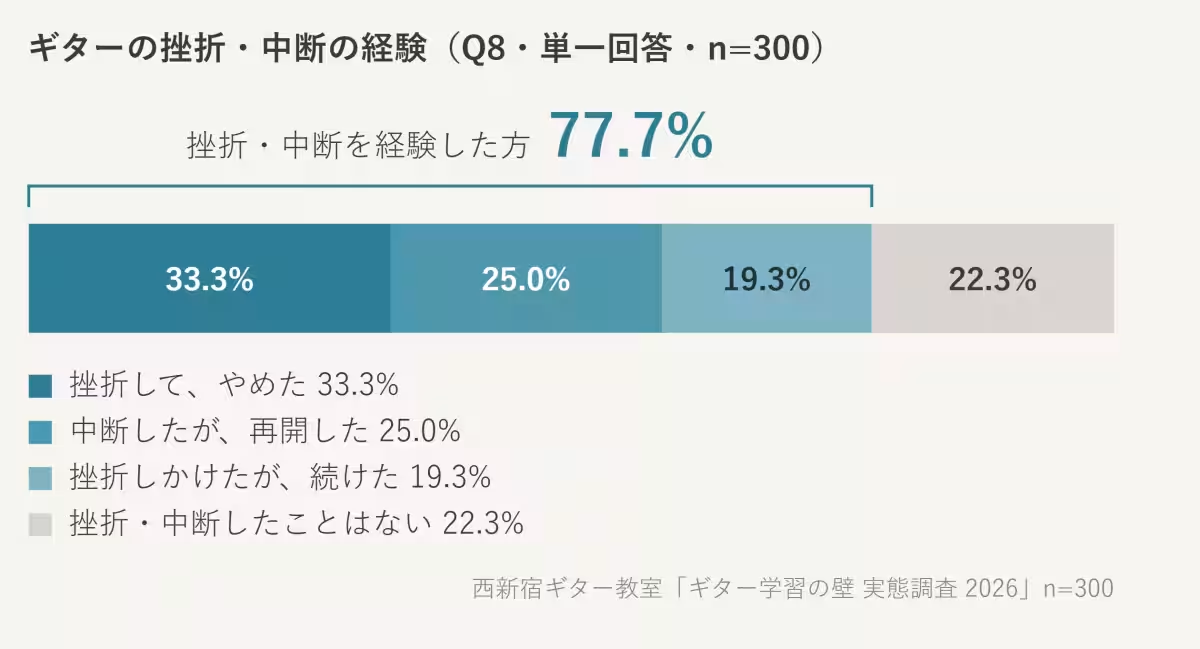
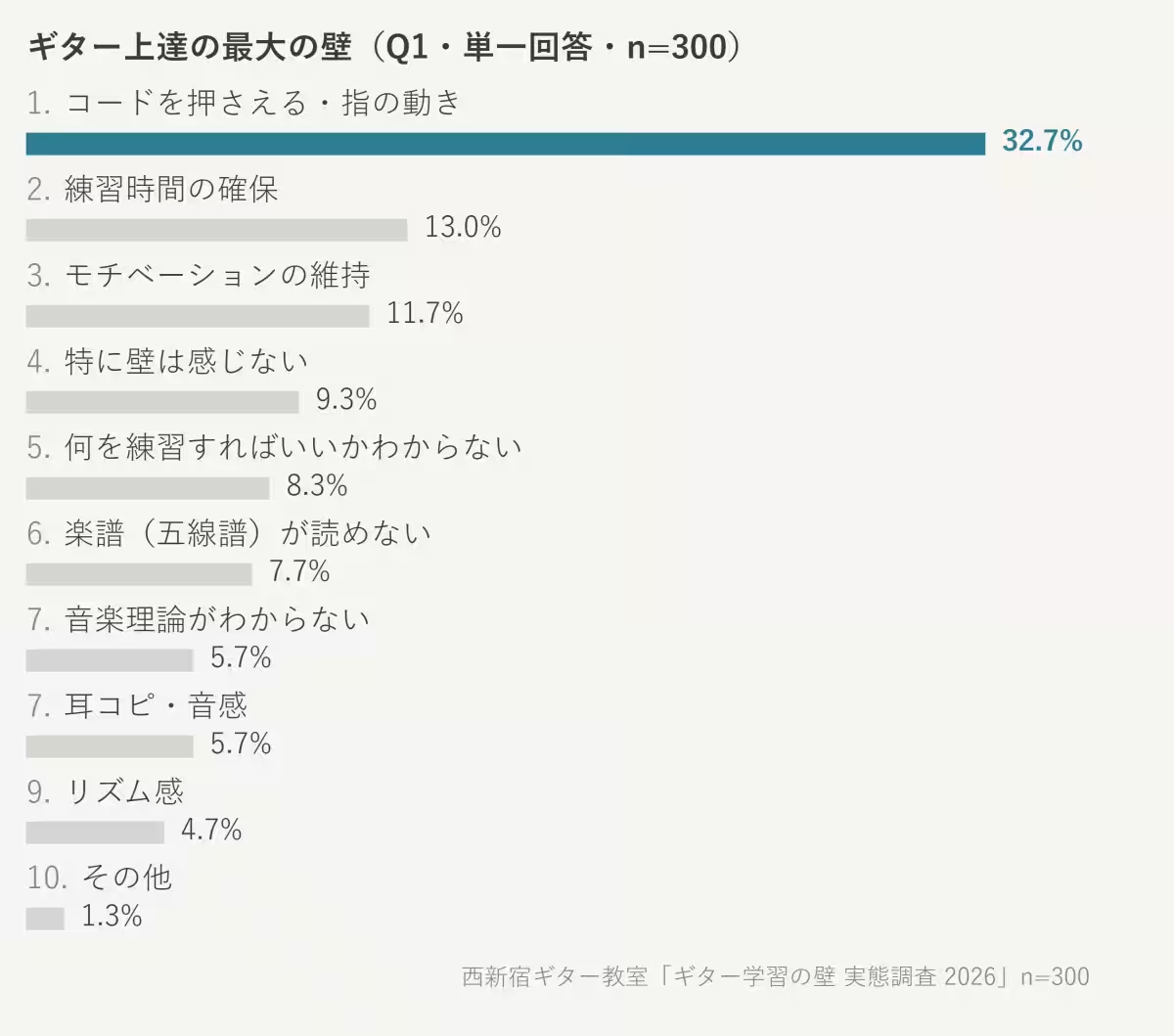
The survey reveals that 77.7% of respondents have experienced challenges at some point in their guitar learning journey, despite all participants having practiced for at least three months. The most commonly reported barriers include technical issues, such as finger placement and movement (32.7%), while only 7.7% indicated difficulty in reading music notation.
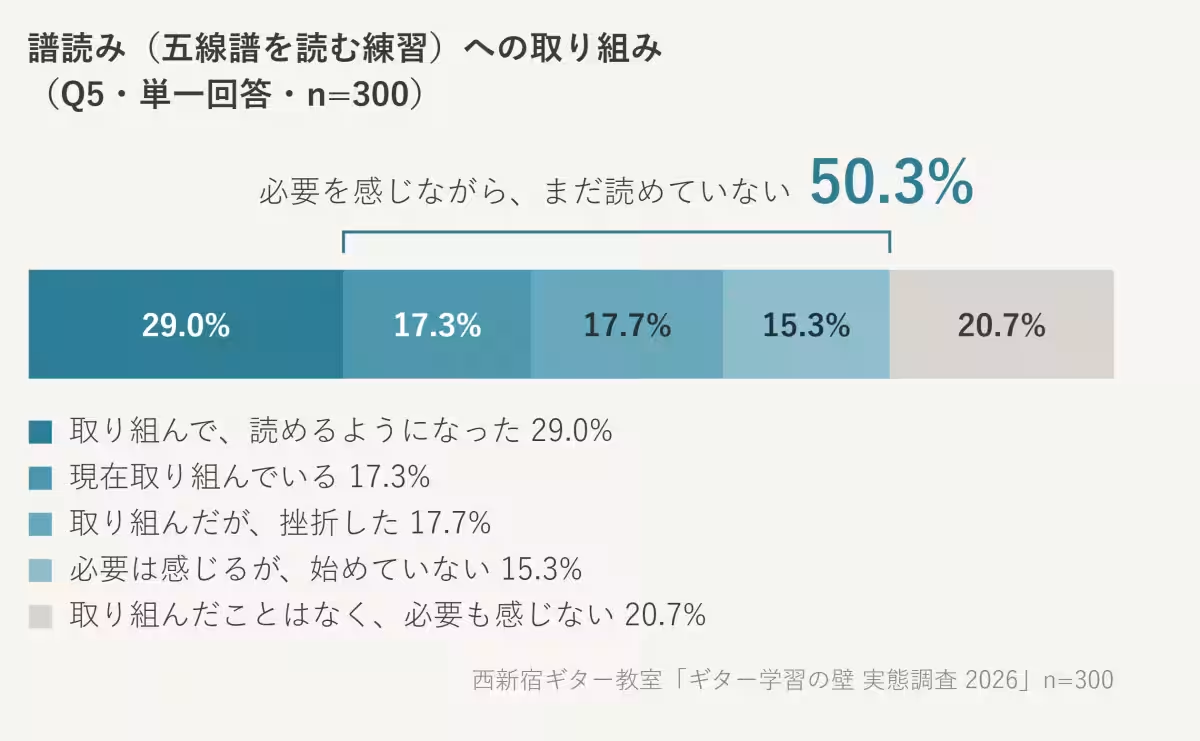
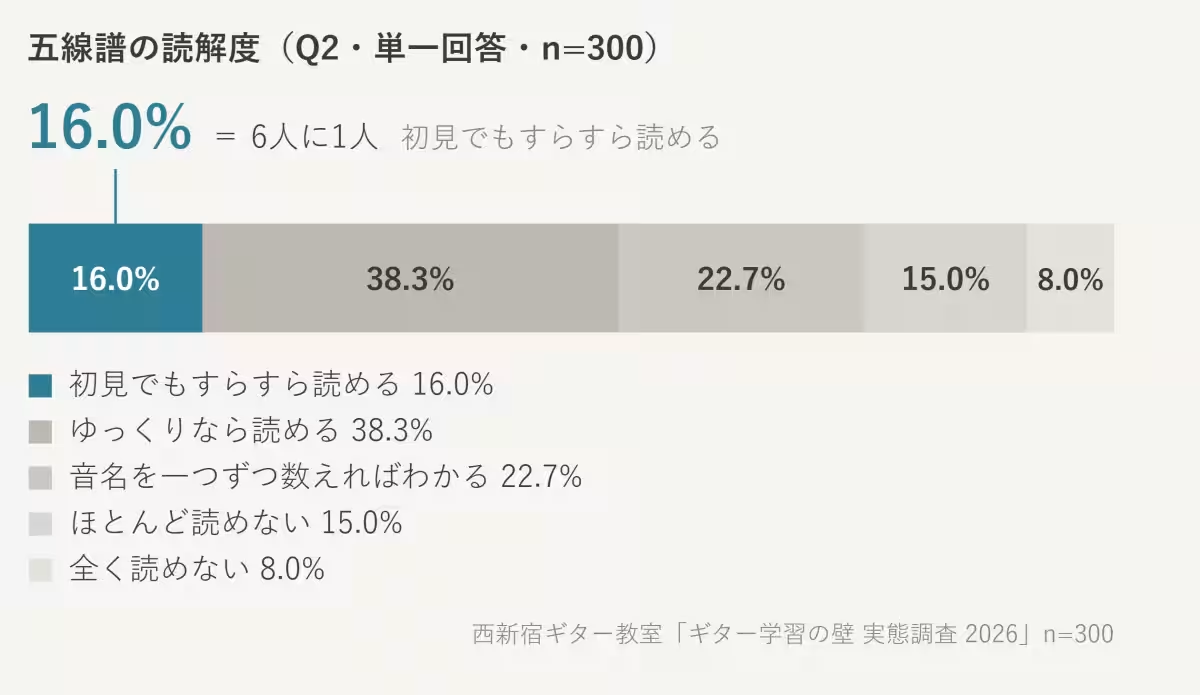
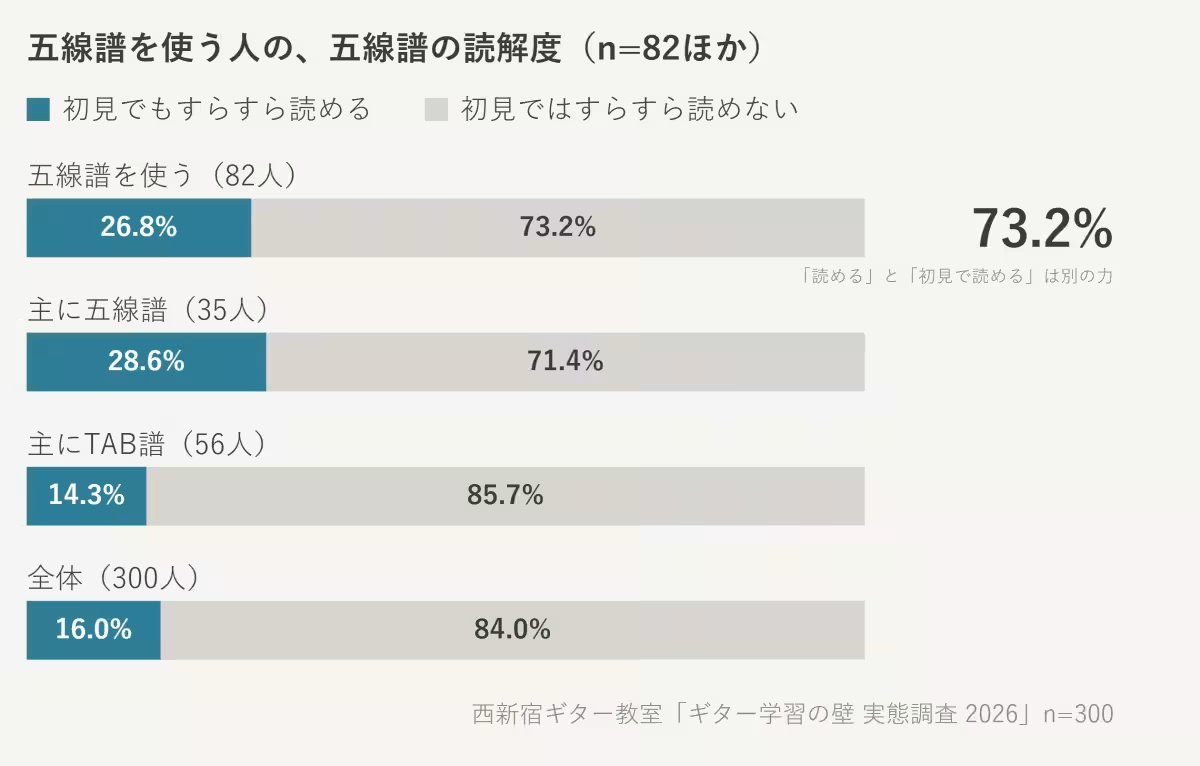
Interestingly, 20.7% of participants reported not feeling the need to read music. However, more than half (50.3%) admitted they desire to improve their music reading skills but haven't yet been able to do so. The percentage of those who can read music fluently at first glance is merely 16%, meaning a staggering 73.2% struggle with sight-reading.
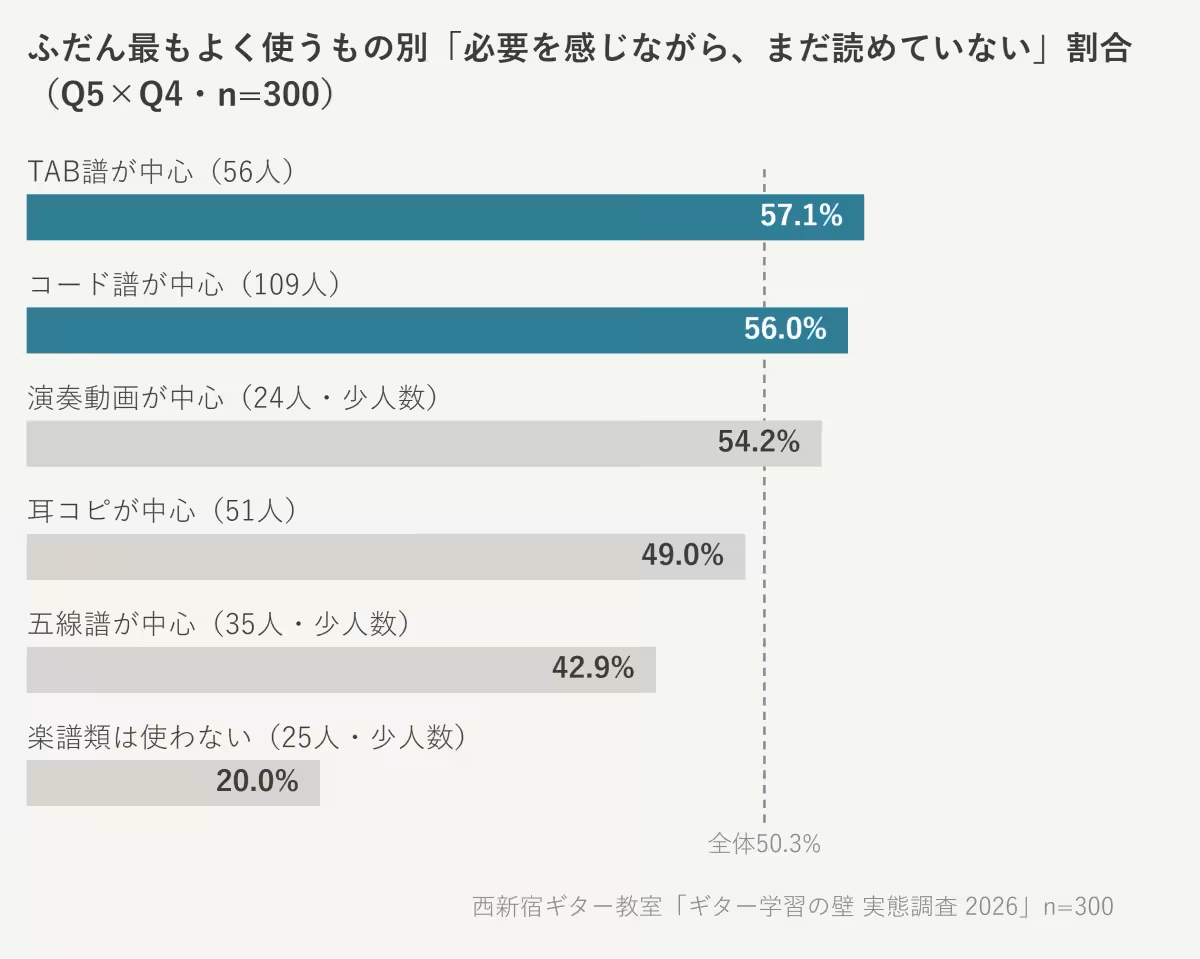
The survey's insights suggest that many guitar players using TAB sheets or chord charts feel a strong inclination to learn standard notation. This pattern underscores a significant issue: while reading music is not perceived as critical by all, a majority of players recognize its importance and wish to develop this skill further.
Experience of Guitar Learning
When addressing the reasons for their struggles, the data demonstrated that learners frequently encounter challenges associated with finger movement (32.7%) and time allocation for practice (13%). The survey results indicate that even experienced players grapple with motivation and clarity on what to practice next.
Despite the apparent barriers, the feedback indicates a lack of awareness regarding the resources available to enhance music reading skills. Many respondents expressed that they appreciate the opportunity to access materials that support at-home practice, aimed at overcoming these hurdles.
Innovative Solutions for Music Reading
In response to these survey findings, the West Shinjuku Guitar School has developed a free app called "Guitar Training!" This application is designed to help students practice reading music effectively from home. It includes training modules for various skills, including:
- - Note Naming Training: Learning to identify notes on the fretboard.
- - Music Following Training: Developing the ability to read music fluently.
- - Note Reading Drills: Engaging in exercises to enhance sight-reading skills.
This innovative approach aims to address the survey's findings by emphasizing the importance of music reading as a foundation for further musical growth. Similarly, the school has launched a collection of practice drills, available online for free, to offer a comprehensive resource for learners at any level.
Importance of Music Education
As Takahiro Kamada, the instructor at West Shinjuku Guitar School, emphasizes, being able to read standard notation unlocks a world of music that otherwise remains inaccessible. He noted that many students begin their journey without music reading skills and experience substantial growth as they become proficient. The survey illustrated a critical correlation between sight-reading capabilities and overall enjoyment and success in playing the guitar.
Furthermore, he remarked, "Even with the challenges they face, the willingness of students to improve their skills indicates a strong passion for music. This passion motivates us to provide resources that can enhance their learning experience."
Conclusion
The West Shinjuku Guitar School stands out as a beacon of hope for aspiring guitarists, providing insights into a prevalent issue within the community. By launching initiatives like the "Guitar Training!" app and offering practice collections, they seek to bridge the gap between desire and ability. This response reflects a significant shift in the way music education can evolve, empowering players to conquer their challenges and nurture their skills. As the survey results show, the road to mastering the guitar is filled with obstacles, yet the determination to overcome these barriers is what enhances the learning journey.

Topics Entertainment & Media)
【About Using Articles】
You can freely use the title and article content by linking to the page where the article is posted.
※ Images cannot be used.
【About Links】
Links are free to use.