




Navigating the New Freight Law: Essential Guidelines for Shippers
Understanding the New Freight Law in 2025
In April 2025, a significant shift in logistics strategy will take place in Japan with the introduction of the 'New Freight Law' (新物効法). Developed by Funaisoken Logistics Co., a leading consulting firm, this new regulation outlines crucial responsibilities for shippers that cannot be overlooked. The law aims to elevate logistics efficiency and compliance, which necessitates preparedness from businesses shipping goods.
Key Changes Under the New Freight Law
The 'New Freight Law' brings forth several changes that will affect shippers in the coming years, particularly in 2025 and 2026. Companies must be familiar with the changes to align their logistics operations with the new regulations. The law identifies specific obligations shippers must adhere to, including responsibilities assigned to a Chief Logistics Officer (CLO) who will oversee compliance and strategic logistics direction.
Three Essential Obligations for Shippers
One of the central aspects of the law is the introduction of three obligations that shippers must fulfill. Understanding these obligations is imperative, as failing to comply can lead to penalties. This article will delve into what these obligations encompass and the implications of non-compliance.
1. Inventory Management: Shippers must closely monitor and manage their inventory, ensuring a structured approach to handling logistics.
2. Transport Documentation: Accurate record-keeping and documentation will be vital for smooth operations and compliance checks.
3. Timely Reporting: Implementing a system for timely and precise reporting is crucial for transparency and accountability in logistics.
The Role of the Chief Logistics Officer (CLO)
Having a designated CLO is not just a regulatory requirement but also a strategic advantage for shipping companies. The CLO is charged with implementing compliance measures and enhancing the overall logistics framework of the organization. This article will explore how appointing a CLO can influence logistics operations positively, including developing long-term strategies and optimizing transport processes.
Furthermore, a CLO will play a significant role in educating employees about the new law's requirements while ensuring that everyone in the organization is on the same page regarding logistics goals.
Strategic Actions to Take Now
Currently, shippers should be taking concrete actions to prepare for the changes that await them. This preparation includes:
- - Evaluating Current Logistics Operations: Companies should assess their existing logistics and shipping procedures to find gaps between current practices and what will be required under the new law.
- - Identifying Key Locations and Volumes: Understanding which facilities and shipping volumes will be affected under the New Freight Law will allow companies to strategize better moving forward.
- - Engaging in Training and Development: Companies must invest in training programs for their staff to familiarize them with the new law and its implications to promote a culture of compliance and efficiency.
Compliance with the 'New Freight Law' represents not just a challenge but an opportunity to enhance logistics operations significantly. Businesses that recognize and act upon this new legal landscape will not only ensure compliance but also enhance their competitive engineering in the industry.
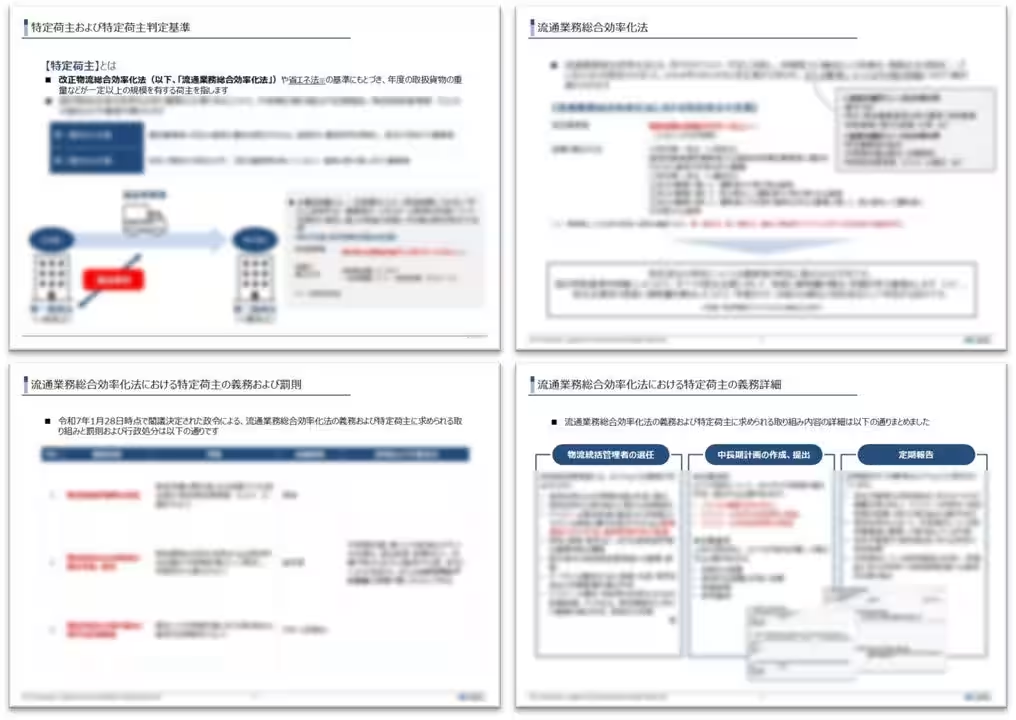
To support shippers in understanding these changes, Funaisoken Logistics has made a comprehensive guide available for free download. This resource provides essential insights and actionable steps critical to navigating the new law successfully.
Conclusion
As we move closer to the implementation date of the 'New Freight Law', staying informed and proactive will be key for shippers. By understanding their obligations and the pivotal role of a CLO, companies can position themselves to thrive in the evolving logistics environment. For more information and to download the free guide, please visit the Funaisoken Logistics website.

Topics Business Technology)
【About Using Articles】
You can freely use the title and article content by linking to the page where the article is posted.
※ Images cannot be used.
【About Links】
Links are free to use.