



Emerging Trends in Home Dining During Golden Week 2025 in Japan
New Dining Trends During Golden Week 2025
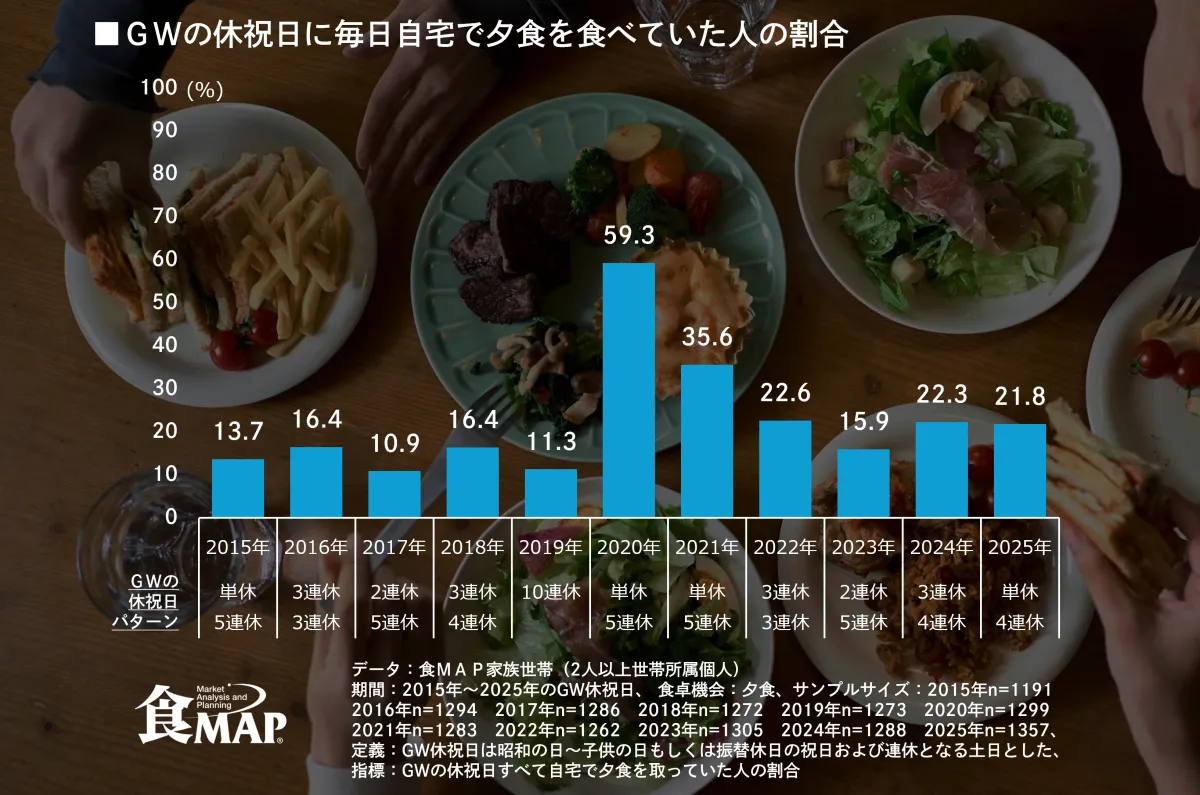
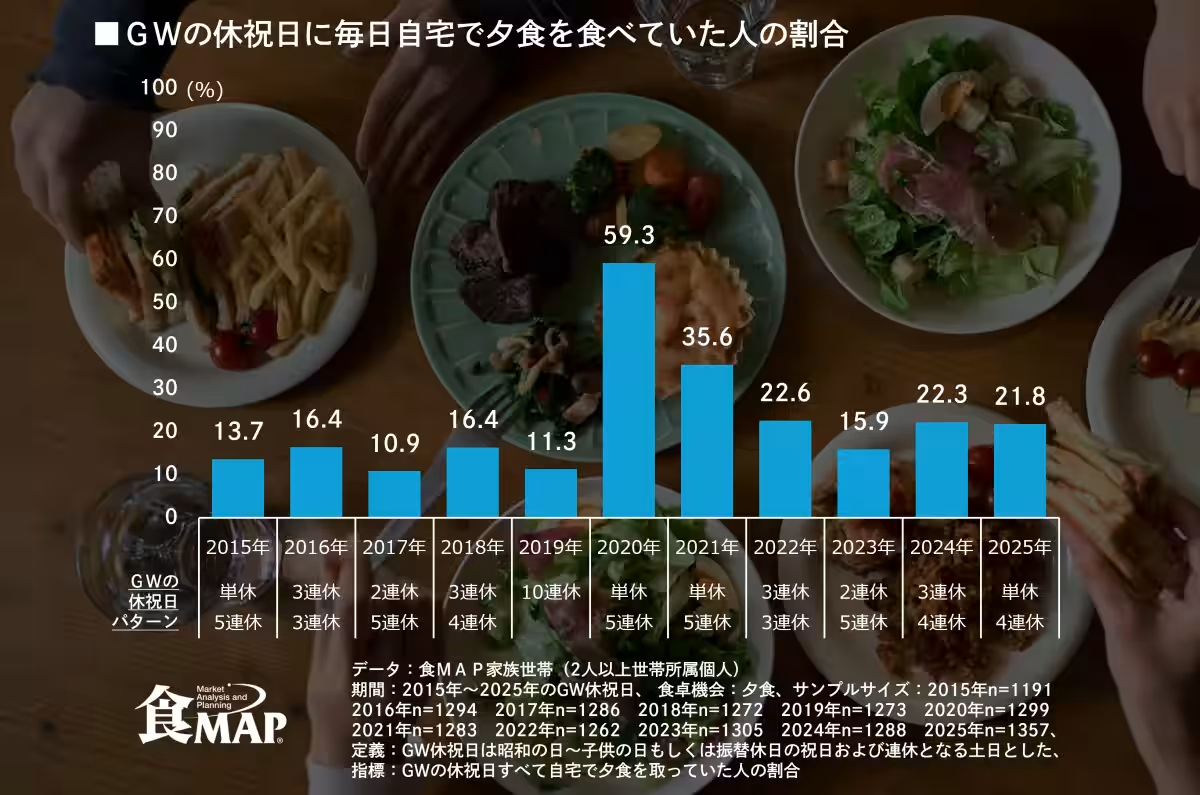
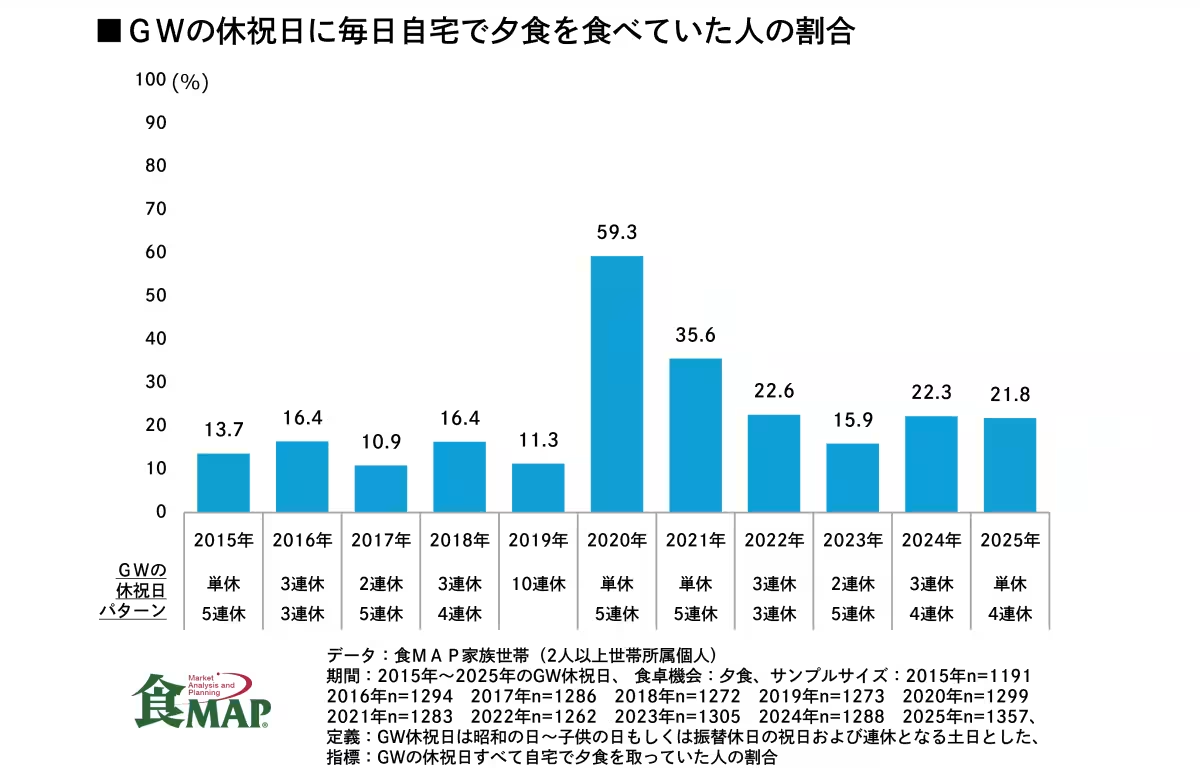
As the Golden Week of 2025 approaches, recent research from Lifescape Marketing reveals intriguing changes in dining habits among households in the Tokyo metropolitan area. The survey, which focuses on families living within a 30 km radius of the capital, targets middle-aged women aged 20 to 72. It finds that over 20% of these families plan to have dinner at home every day during the holiday period, indicating a notable shift towards “nesting consumption” amidst rising prices and sustained preferences for home-cooked meals.
Shifting from Dining Out to Dining In
The report reflects a significant change in how families are choosing to spend their holidays, largely influenced by the impact of the COVID-19 pandemic and ongoing inflation. Many families are veering away from the traditional outings associated with Golden Week, opting instead for cozy, internal celebrations at home. This trend is characterized by a rise in the use of convenience foods like delis and frozen meals, allowing families to enjoy a stress-free holiday while still enjoying their favorite dishes.
This movement towards home dining is not just a short-term reaction to economic stresses but appears to be cementing itself as a new holiday standard. Families are focusing on what they love - turning holiday meals into a celebration of personal tastes rather than conventional expectations.
Family Favorites Take Center Stage
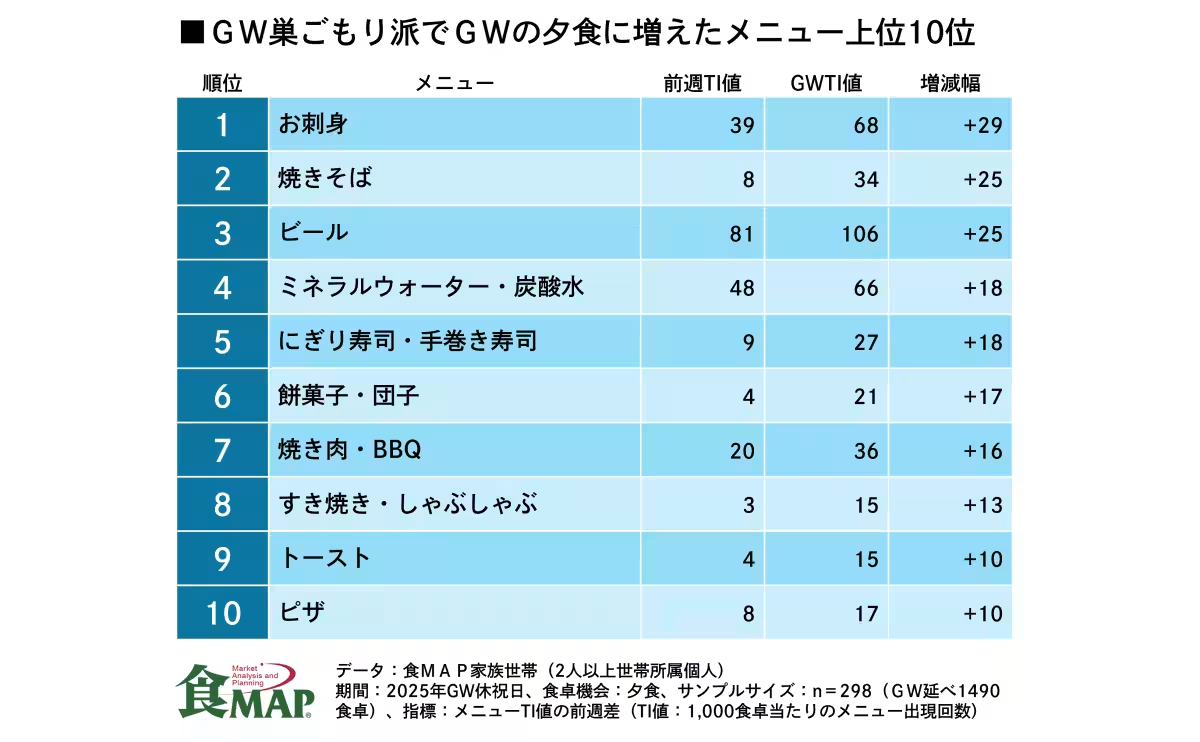
When exploring the dining options families plan to enjoy, the survey highlighted a variety of traditional favorites. Increased consumption of sushi, sashimi, and barbecue items has been reported, alongside popular favorites like yakisoba and pizza. These dishes indicate a desire to elevate home meals to celebrate the holiday season.
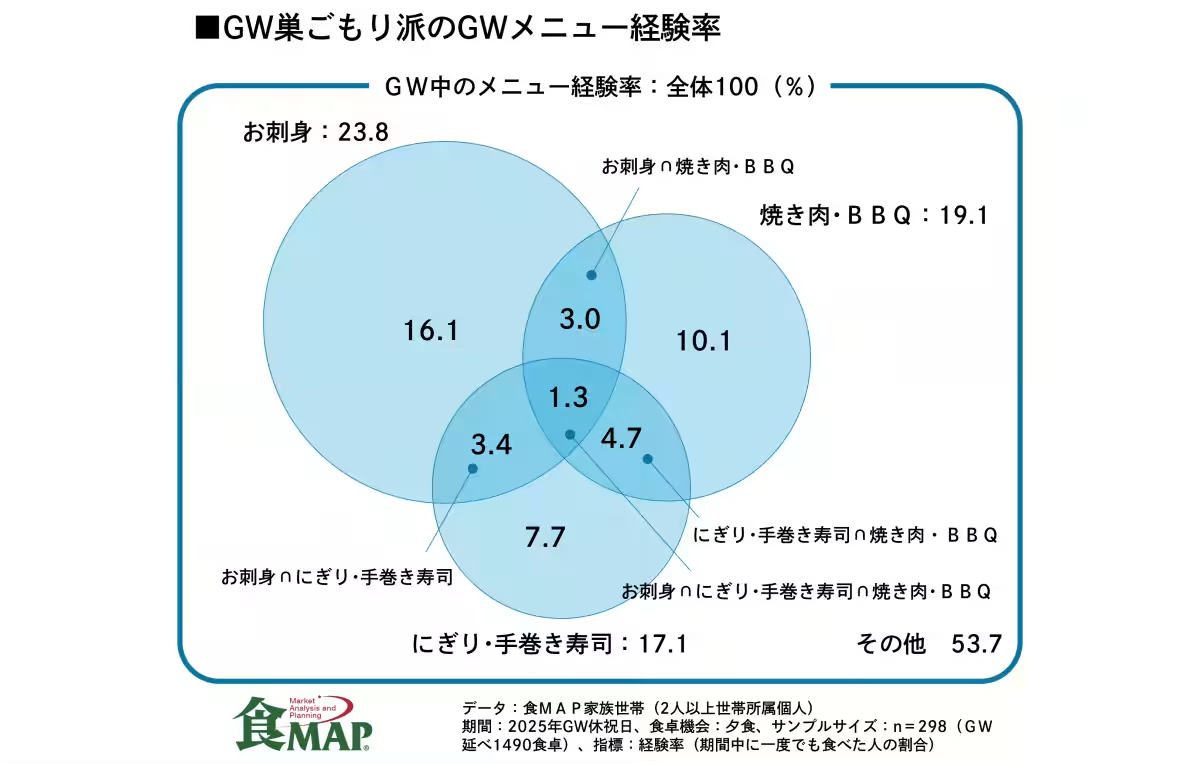
In fact, nearly 24% of families reported enjoying sashimi, followed closely by barbecue (19.1%) and various sushi types (17.1%). Fewer families enjoyed all three of these delicacies, with only 1.3% having consumed all of them, showcasing a diversification in meal choices among the holiday celebrants.
Preferences Tailored to Love for Food
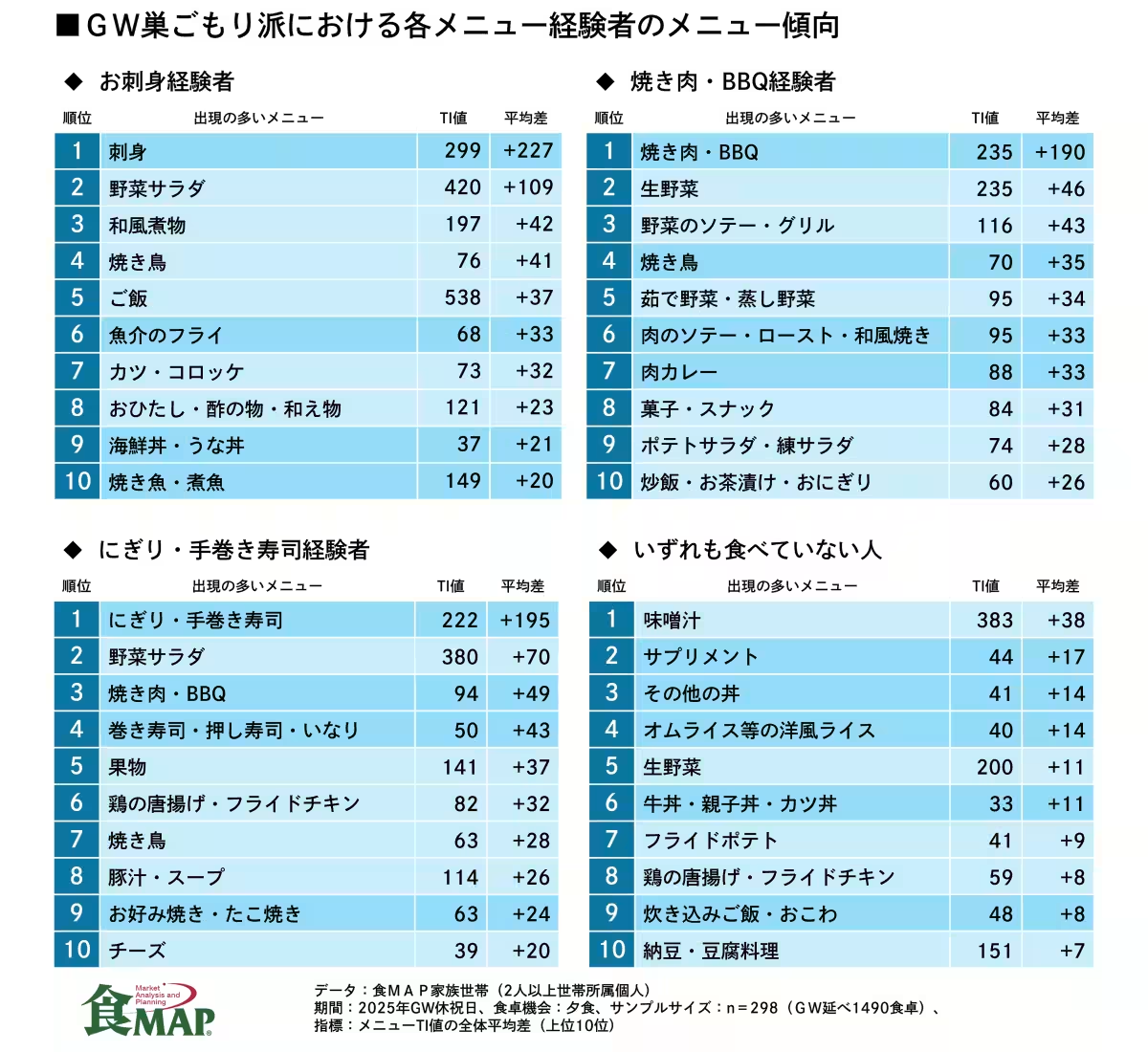
Diving deeper into the preferences of families who enjoyed specific dishes reveals fascinating trends. For those who indulged in sashimi, meals like fried fish and various rice bowls were also prevalent, suggesting a preference for seafood. Meanwhile, barbecue enthusiasts tended to complement their meals with items like roast pork and ginger pork, highlighting a clear inclination towards meat-based dishes.
Interestingly, however, families that didn't partake in these gourmet options turned to practical yet satisfying choices, such as rice dishes, omurice, and even nutritional supplements. This suggests a pragmatic approach amidst the festive ambiance of the Golden Week, reflecting a growing trend towards efficiency and cost-effectiveness.
Monitoring Consumption Behavior
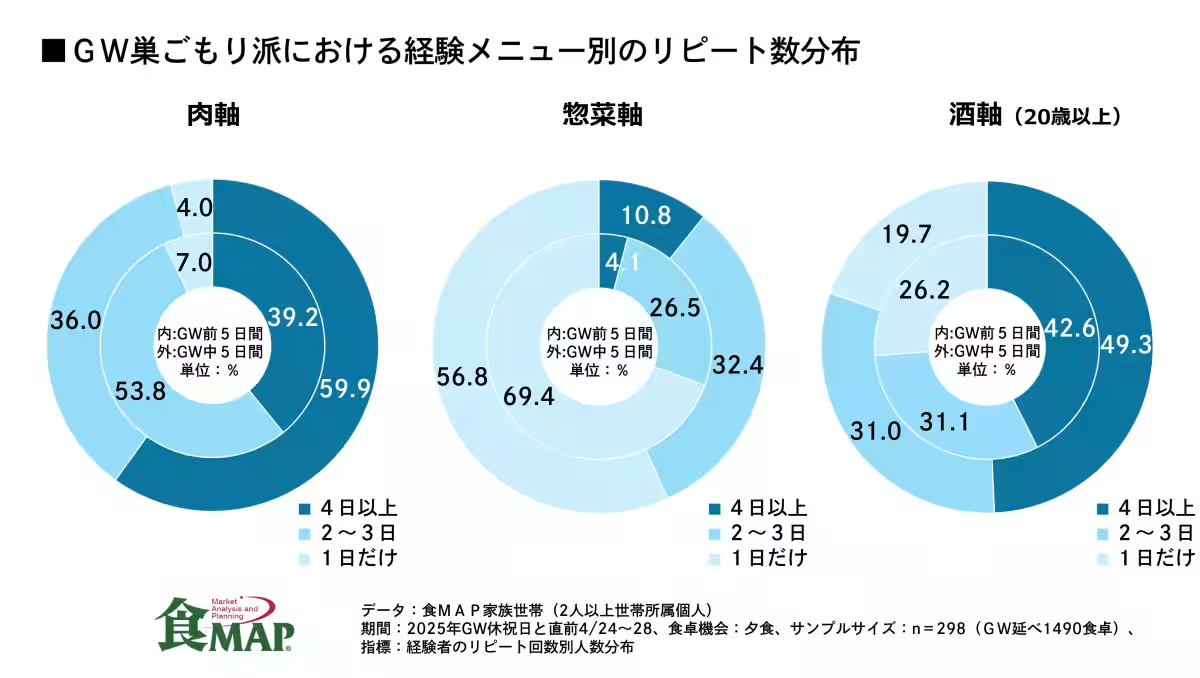
Surveys also delved into how often families repeated their meals during the holiday. A notable 59.9% of participants enjoyed meat dishes across four or more days of the week, a significant increase from 39.2% during the preceding week. Furthermore, nearly 10% of families reporting using pre-made side dishes for four or more days indicates a rising comfort with integrating convenience into their home-cooked meals. Alcohol consumption also saw a spike during the holiday, highlighting a more relaxed family gathering dynamic.
Conclusion: Embracing a New Dining Culture
As we approach Golden Week, the research underscores a significant cultural shift emerging in the way families celebrate. With less emphasis on dining out and traveling, families are redefining their golden moments by focusing on what they cherish most at home. So, as the holiday draws closer, consider how you might apply these insights to your dining experiences, perhaps savoring your favorite meals with loved ones at home. The possibilities are endless when your choices reflect your tastes and preferences!
This survey is part of Lifescape's comprehensive dining research focused on understanding meal compositions, food preferences, and overall dining behavior across family households within the Tokyo metro area.
For inquiries about the research or to utilize the data, please visit Lifescape's Inquiry Form.

Topics Consumer Products & Retail)




【About Using Articles】
You can freely use the title and article content by linking to the page where the article is posted.
※ Images cannot be used.
【About Links】
Links are free to use.