



Real Estate Companies and Disaster Risk Disclosure: A Survey Reveals User Insights
Insights on Disaster Risk Information in Real Estate
In a recent survey conducted by ieloveGROUP, a leading provider of DX support services for the real estate sector, significant insights on the importance of disaster risk information among end-users and real estate companies have been uncovered. Despite 2025 being marked by natural disasters such as earthquakes and heavy rains increasing awareness about disaster risks, contrasting perspectives between users and companies highlight a pressing issue.
Background
Recent catastrophic events have heightened focus on disaster preparedness as climate change continues to compound risks. Leading up to Disaster Prevention Day on September 1, this survey aimed to explore awareness and preparedness regarding disaster risks among real estate companies and users, yielding responses from 186 real estate firms and 1,325 end-users, totaling 1,511 valid responses.
Survey Highlights
1. Majority of Users Value Disaster Risk Information: Approximately 80% of end-users regard disaster risk information as critical, while only about 13% of real estate companies regularly disclose this data.
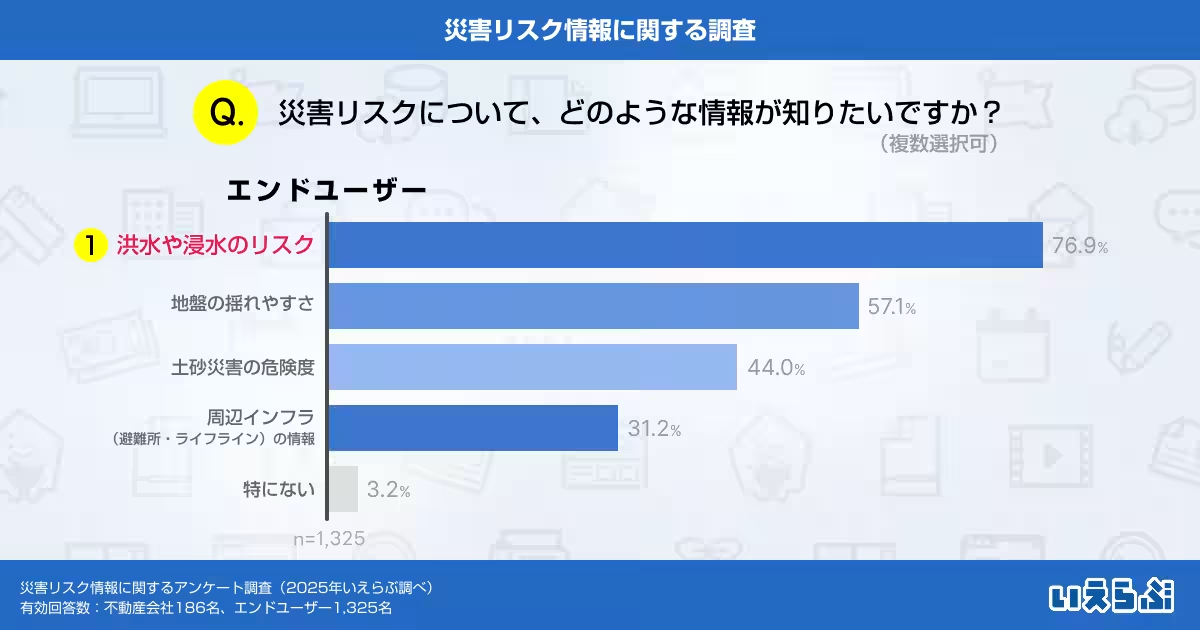
2. High Concern for Flooding Risks: 77% of users prioritize flood and submersion risks, desiring prompt access to pertinent information.
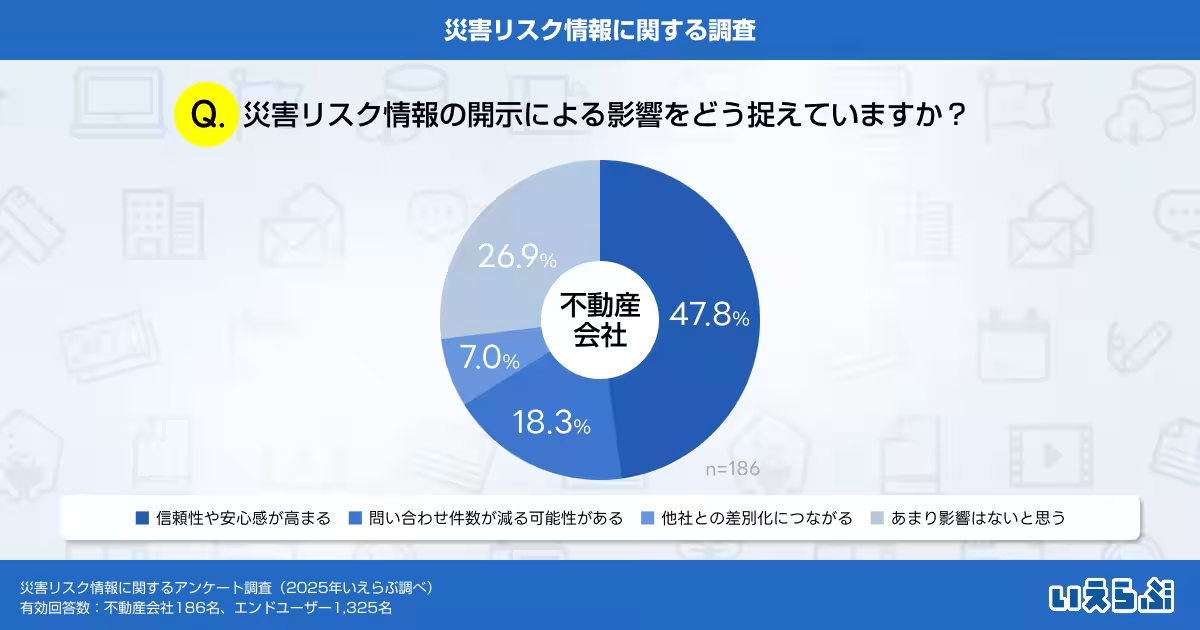
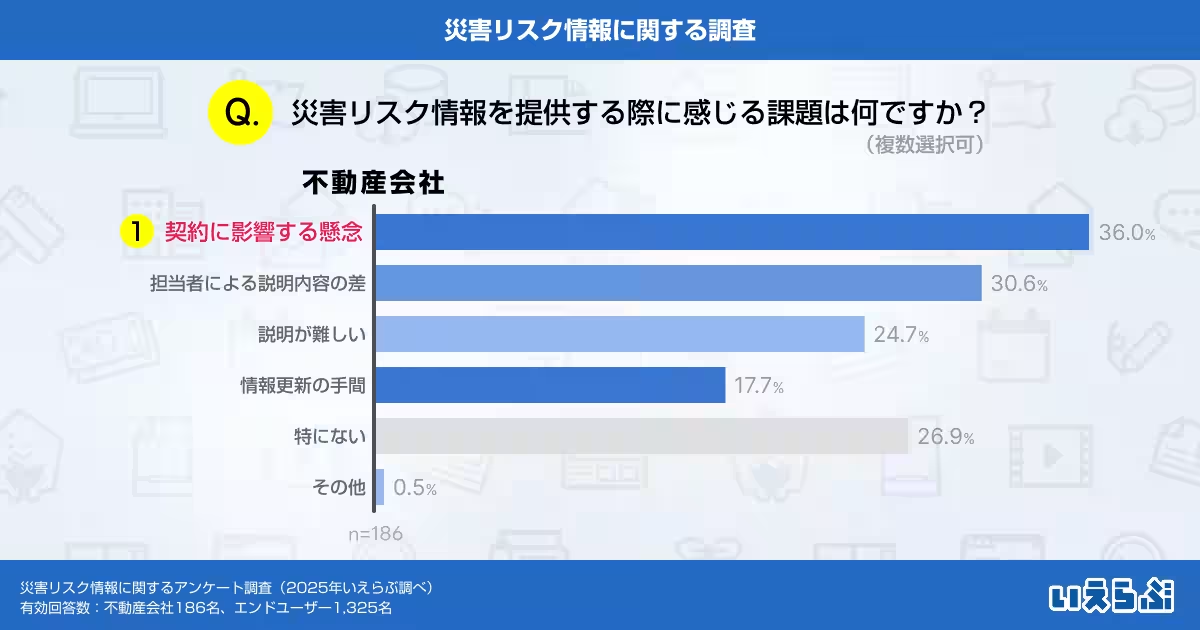
3. Mixed Feelings from Real Estate Firms: About 48% of companies believe that disclosing disaster risks can enhance trust; however, 36% fear it might negatively impact contracts.
1. User Priority on Disaster Risk Information
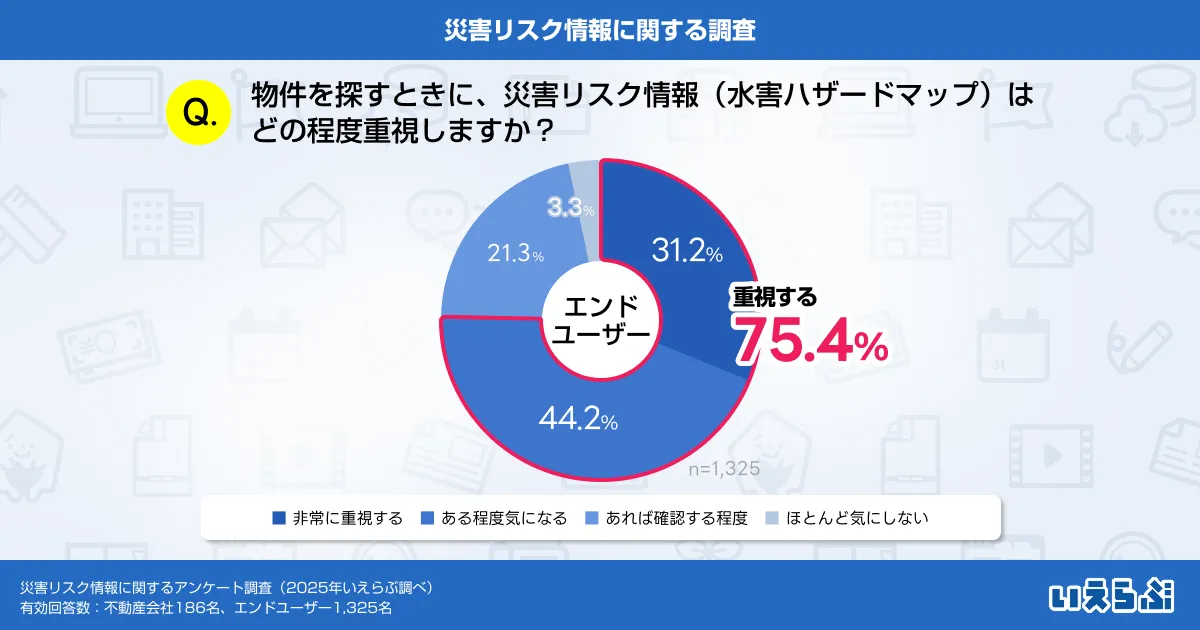
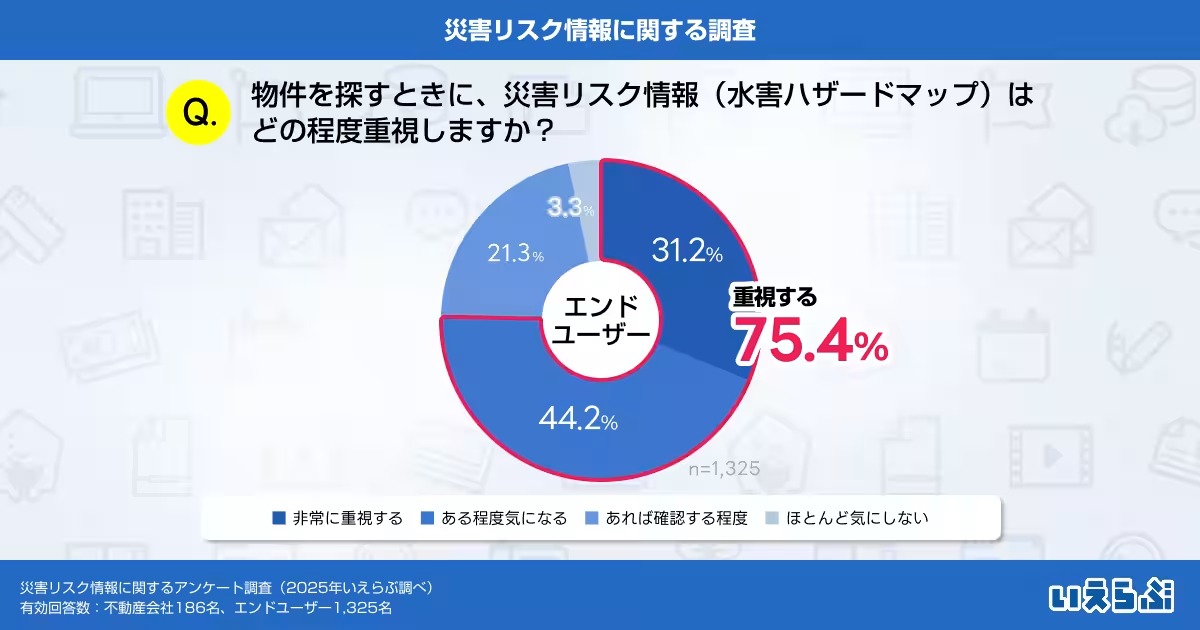
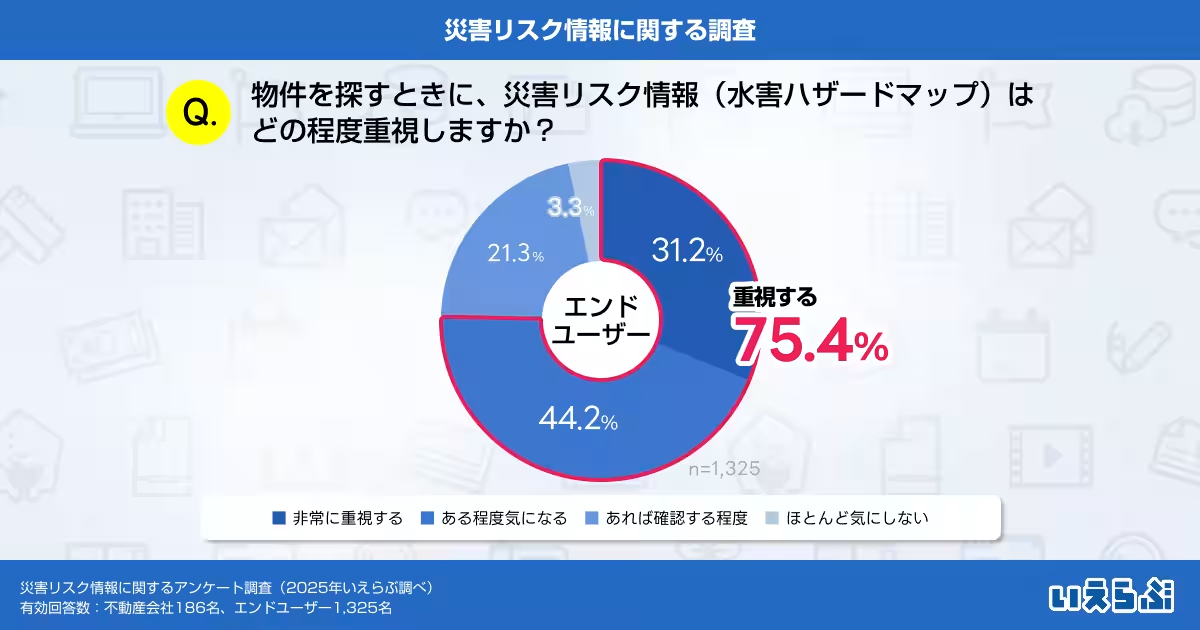
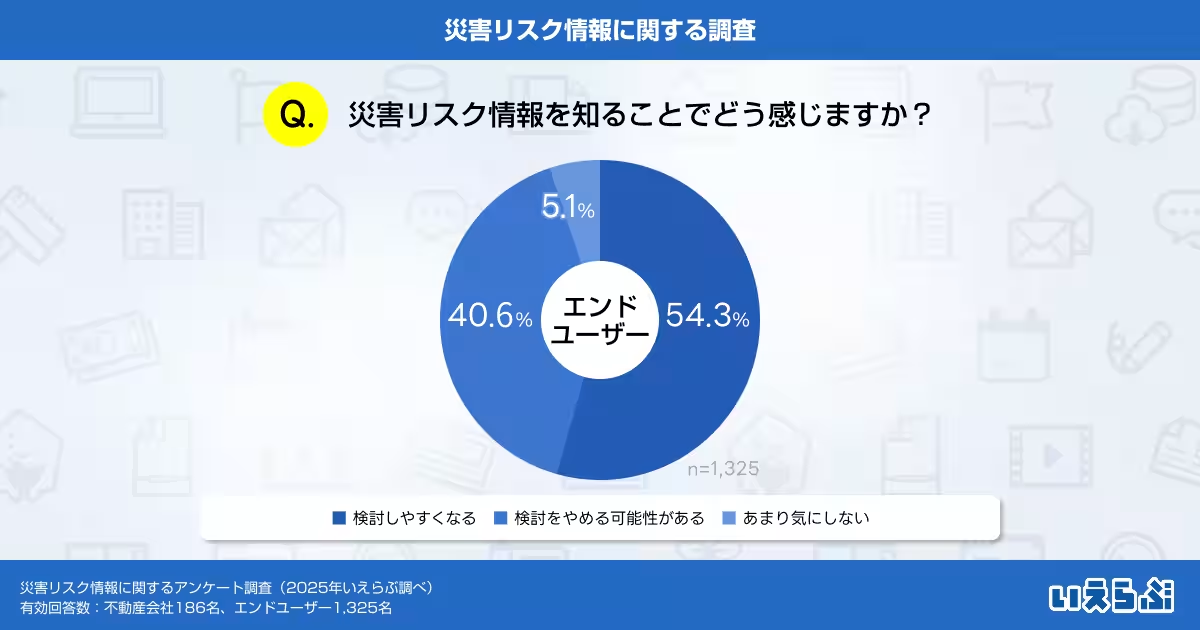
When asked about the importance of disaster risk data (like flood hazard maps) when searching for properties, 31.2% of end-users indicated they consider it very important, and 44.2% claimed they are somewhat concerned. This underscores the growing demand for transparency in the real estate market. Notably, 54.3% remarked that having this information makes decision-making easier, whereas 40.5% indicated it might deter them from proceeding with property options.
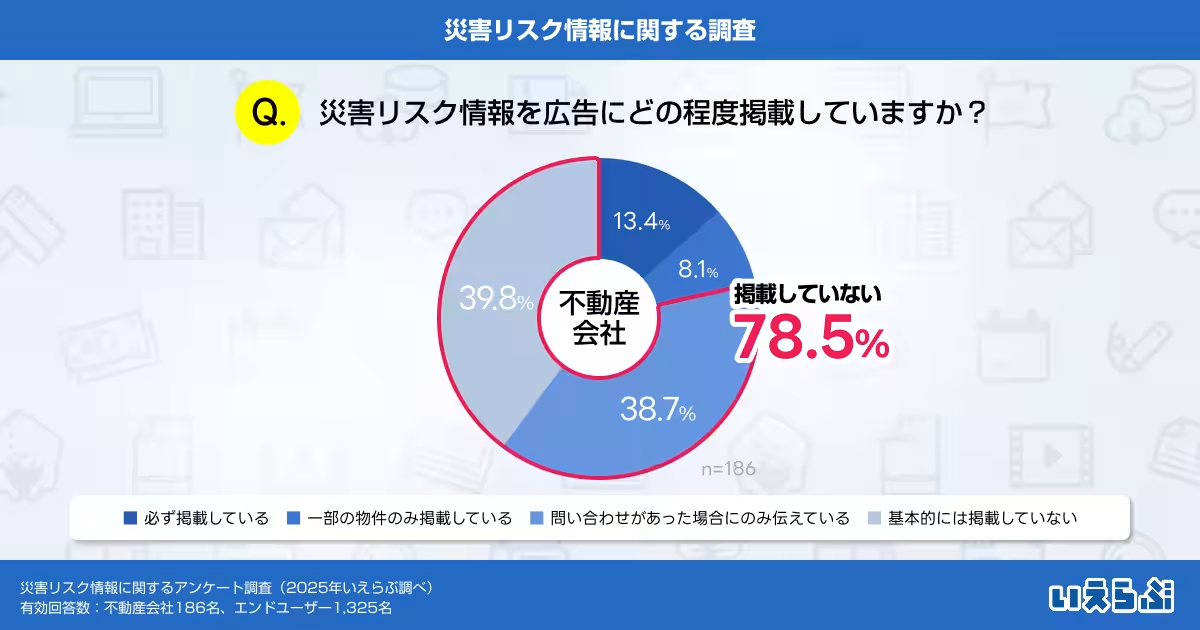
In stark contrast, real estate companies revealed that only 13.4% always include disaster risk information, with many opting to disclose this data only when specifically asked or not at all. This highlights a concerning gap in expectations versus reality for end-users.
2. Emphasis on Flood and Submersion Risks
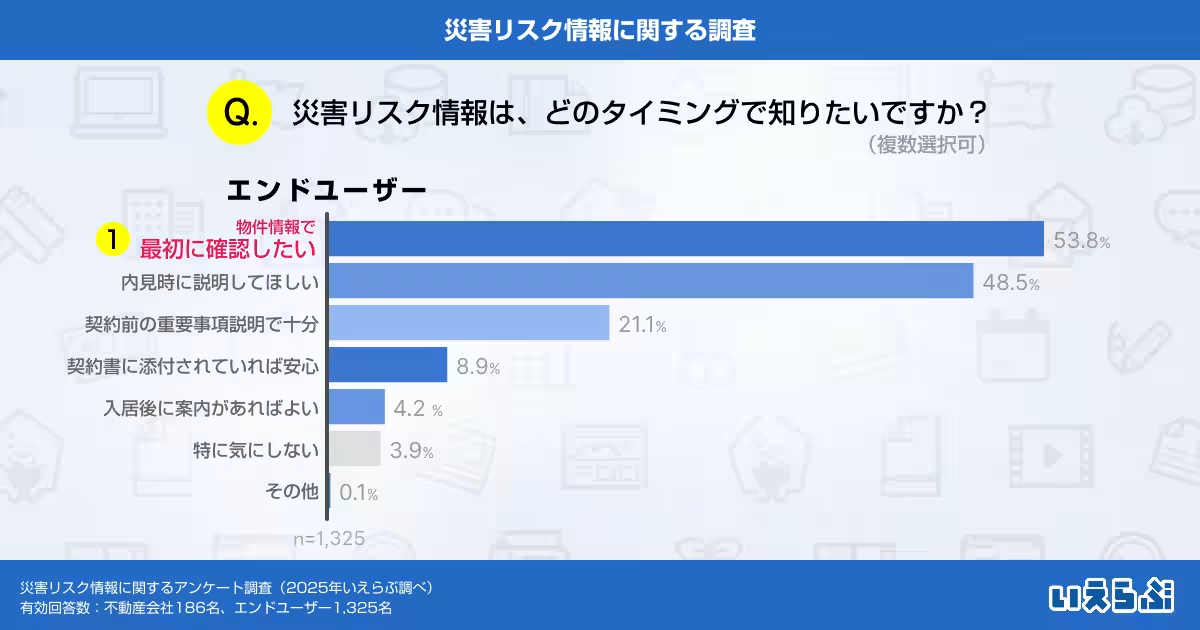
When probing the type of disaster risk information most valued, 76.9% of end-users prioritized flood and submersion risks, with 57.1% concerning ground stability during tremors. Furthermore, 53.8% of users prefer to receive this information early during property searches, indicating a need for better integration of these concerns in property listings.
3. Real Estate Companies' Trust Concerns
In their responses, 47.8% of real estate companies acknowledged that providing disaster risk information could bolster client trust and reassure buyers. However, nearly 36% expressed concerns about potential negative consequences on contractual agreements. This presents a pivotal challenge for these companies: meeting customer demands while navigating fears about disclosures impacting sales.
Comments from ieloveGROUP
Kenichi Niwayama, Executive Director of ieloveGROUP, remarked on the critical findings: while end-users prioritize essential disaster risk information, the real estate industry has yet to catch up with these expectations. Providing accurate and timely disaster risk data not only builds customer trust but can also fortify the industry's reputation.
Conclusion
The survey is a call to action for real estate companies to actively bridge this information gap. As natural disasters become increasingly unpredictable, aligning disclosures with end-user expectations will be vital for fostering trust and ensuring informed decisions.
Survey Details
- - Period: August 28 - September 8, 2025
- - Conducted by: ieloveGROUP
- - Participants: Real estate companies using the services of ieloveCLOUD and readers of ielove column.
- - Responses: Real estate firms - 186, End-users - 1,325
- - Method: Online survey.
For more information, visit ieloveGROUP's website.

Topics Consumer Products & Retail)


【About Using Articles】
You can freely use the title and article content by linking to the page where the article is posted.
※ Images cannot be used.
【About Links】
Links are free to use.