



Understanding Pre-Life Organization: Survey Insights on Personal Management Before Life Events
Insights into Pre-Life Organization
In recent years, the concept of pre-life organization has gained significant popularity, particularly as individuals strive to gain control over their belongings and ensure a smooth transition for their loved ones. A survey conducted by 'Ouchi ni Pro' highlighted various aspects of how people in Japan approach pre-life organization, revealing preferences, challenges, and habits of individuals engaging in this important process.
Key Findings from the Survey
The survey aimed to gather insights on how individuals wish to progress with their pre-life organization. With 100 participants consisting of 37 men and 62 women, the research was conducted through online means in September 2025. Here are some of the critical findings:
1. Individual Preferences in Organization
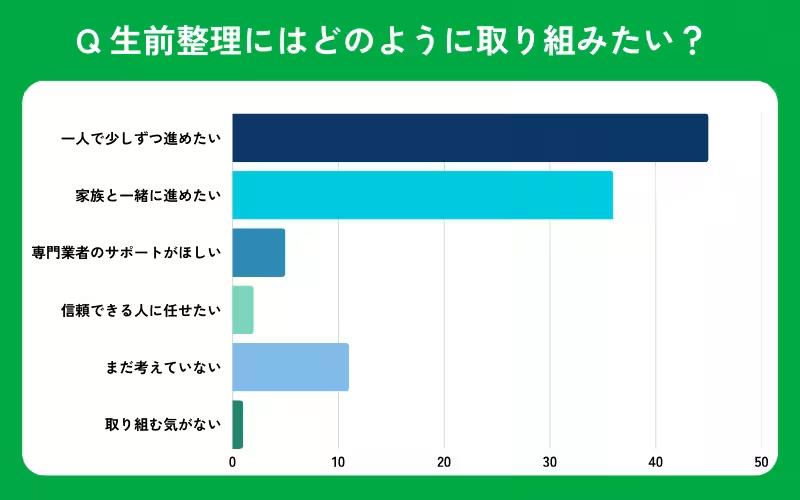
A significant portion (45%) of respondents expressed a desire to tackle the organization process independently, while 36% preferred collaboration with family members. Interestingly, only 5% indicated a willingness to seek professional support, suggesting a strong inclination towards personal involvement in the process.
2. Initial Steps for Pre-Life Organization
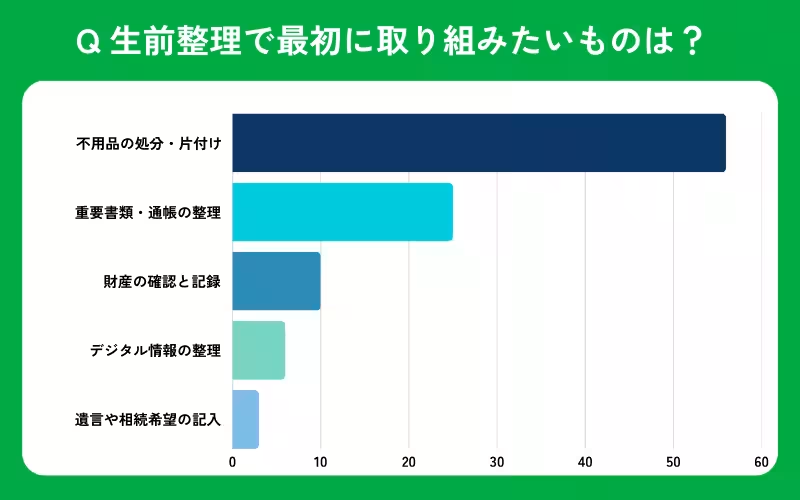
When it comes to the first step in pre-life organization, the disposal of unnecessary items emerged as the primary focus for 56% of participants. Others indicated the sorting of important documents (25%) and wealth verification (10%) as part of their initial endeavor, emphasizing the importance of dealing with physical possessions.
3. Regular Organization Practices
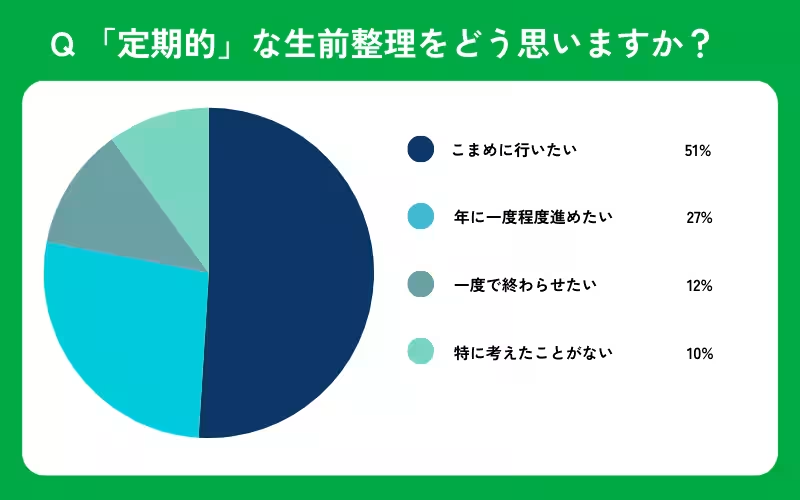
The survey also highlighted opinions on conducting pre-life organization regularly. A majority (51%) believed that it should be done frequently for effective management, while 27% were comfortable with an annual review. Interestingly, some (12%) wished to handle everything in one go, indicating varying levels of commitment towards consistent organizational practices.
4. Involvement of Family
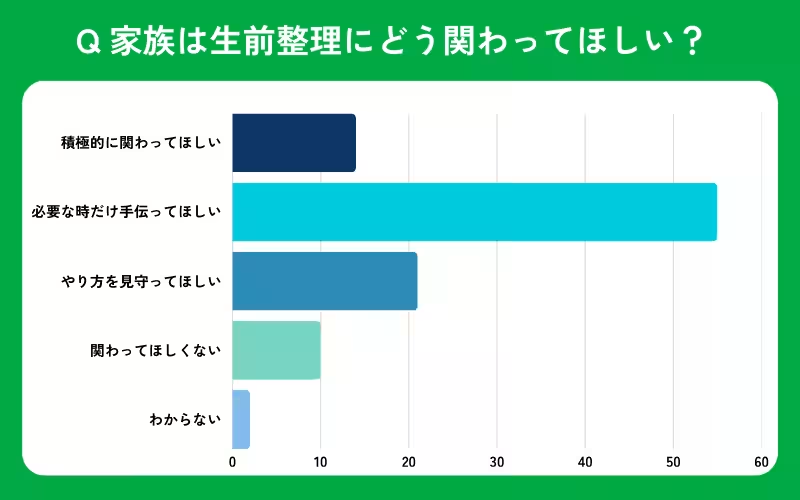
Family dynamics play a crucial role in pre-life organization. Most respondents (55%) felt that family should offer help when necessary, while only 14% wanted family members to be actively involved in the process. This suggests a desire for respect for personal methods and autonomy in making decisions regarding possessions.
5. Items Causing Dilemmas
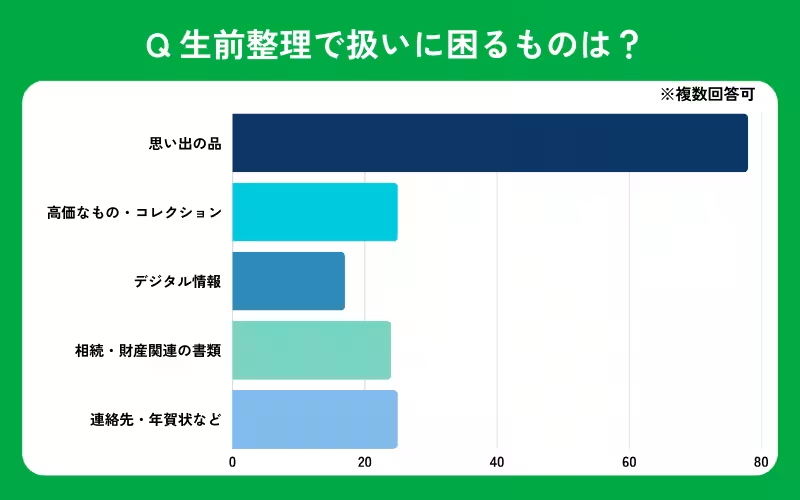
Several items pose challenges during the organization process. A notable 78% of participants felt troubled by handling sentimental items, such as photographs and letters. Other categories causing concern included high-value possessions (25%) and digital information (17%), indicating a shift toward considerations around digital legacies in the modern age.
6. Sourcing Information
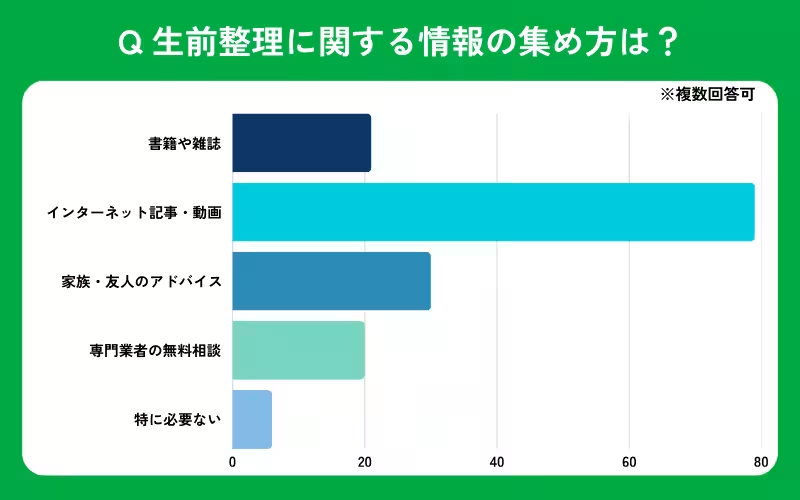
To assist in their organizational efforts, many participants (79%) reported relying on online articles and videos, showing the importance of digital resources in today's age. Recommendations from friends and family were also significant, but interest in professional consultations for advice was relatively low (20%).
About 'Ouchi ni Pro'
'Ouchi ni Pro' aims to guide individuals struggling with home cleaning by providing reliable information, benefitting from the experiences of professional organizations. The site features a wide range of services, allowing clients to choose suitable providers for house cleaning, air conditioning cleaning, and more, based on reliable user reviews. Through ongoing campaigns, they seek to enhance the living conditions of individuals by simplifying the process of finding trustworthy service providers.
Conclusion
The findings of this survey shed light on the evolving attitudes towards pre-life organization in Japan. It highlights a necessary balance between personal autonomy and collaborative support from family members. As digital information becomes more integral to our lives, navigating the emotional landscape alongside physical possessions remains a critical area of focus. For those embarking on this journey, employing resources such as 'Ouchi ni Pro' may prove beneficial in curating a more manageable and organized living environment.
Topics Consumer Products & Retail)



【About Using Articles】
You can freely use the title and article content by linking to the page where the article is posted.
※ Images cannot be used.
【About Links】
Links are free to use.