



Predictions for Real Estate Investment Trends in 2026: Insights into Investor Strategies and Emerging Trends
Predictions for Real Estate Investment Trends in 2026
As we approach 2026, the real estate investment landscape is changing significantly, shaped by rising interest rates and soaring property prices. Kenbiya Co., Ltd., a leading real estate information site under the LIFULL Group, has analyzed various reports from 2025 to identify key trends that will influence investment strategies in the coming year.
Key Trends
Kenbiya has identified five significant trends that are emerging in real estate investment for 2026:
1. Increasing Focus on Single-Family Rentals
2. Shifting Emphasis from Income to Capital Gains
3. Continuation of the Rent Increase Trend
4. Growing Use of AI as a Strategic Advisor
5. Market Restructuring Providing New Entry Opportunities
Trend 1: Increasing Focus on Single-Family Rentals
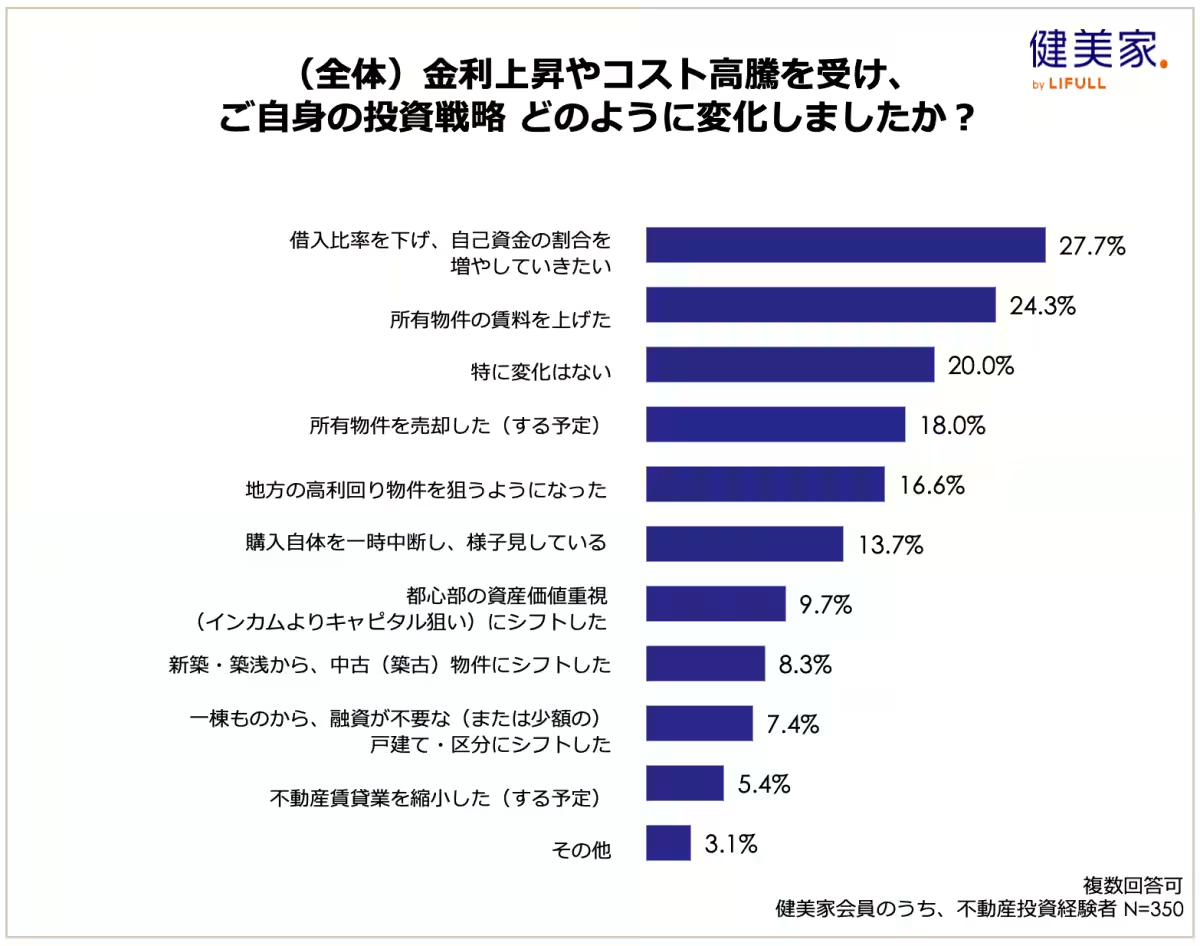
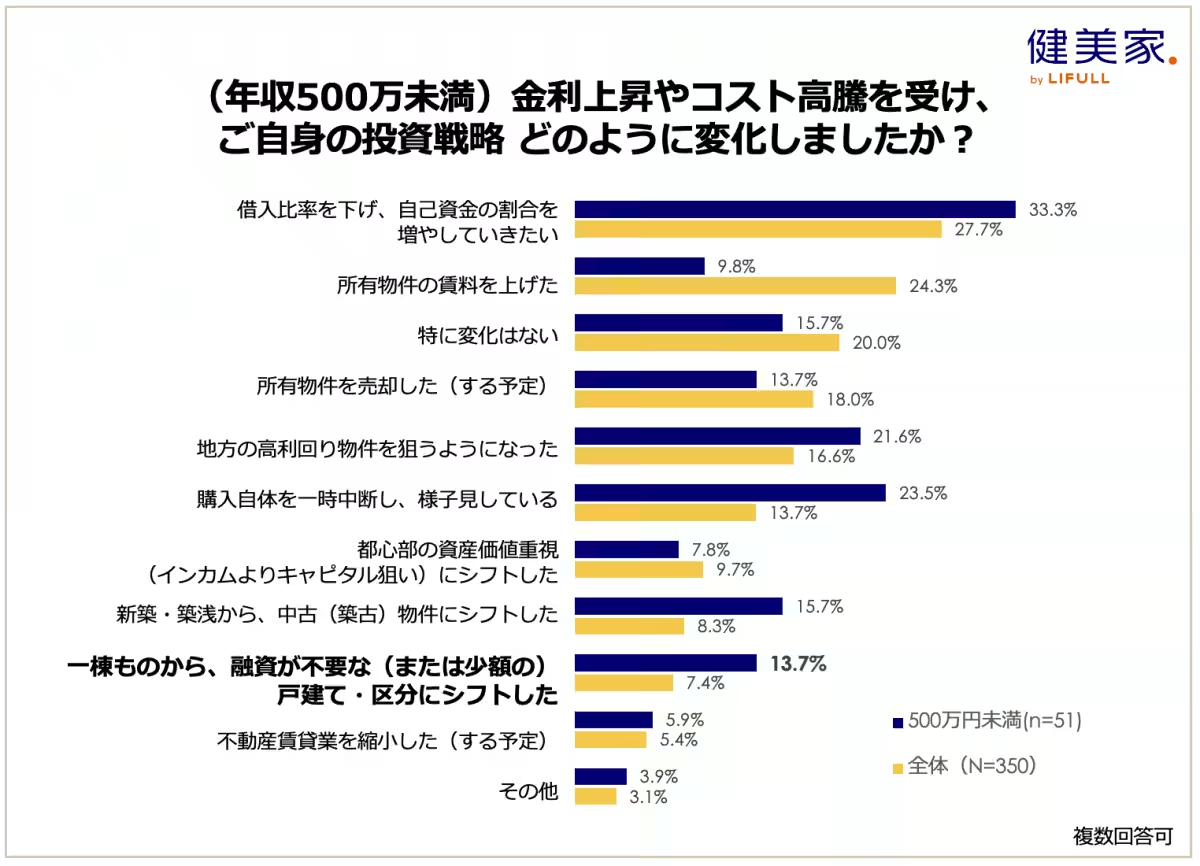
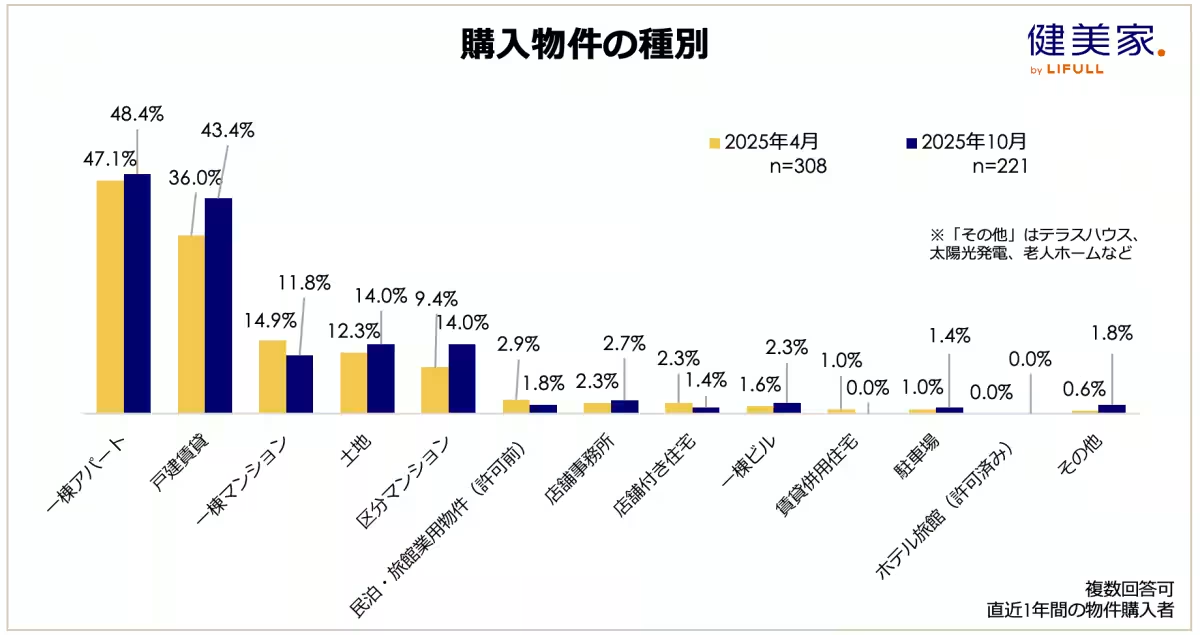
The tightening of loan policies by financial institutions and escalating property prices are driving investors to downsize their investment targets. Traditionally, multi-unit apartments were the standard for real estate investments; however, there is now a noticeable shift toward single-family rentals, which can be sourced through cash or smaller loans. According to a survey conducted in October 2025, 43.4% of investors opted for single-family rentals following an increase of 7.4 percentage points from the previous period. This trend indicates that single-family rentals are solidifying their status in the market, accounting for a significant portion of investor interest.
Data showing an increase in property registrations and inquiries for single-family rentals further emphasizes this shift. A year-on-year increase of 24.6% in registered properties and a 4.0% rise in inquiry rates underscore the continued strong demand for single-family rentals. Investors are increasingly recognizing these properties as a viable investment strategy in a challenging economic environment.
Trend 2: Shifting Emphasis from Income to Capital Gains
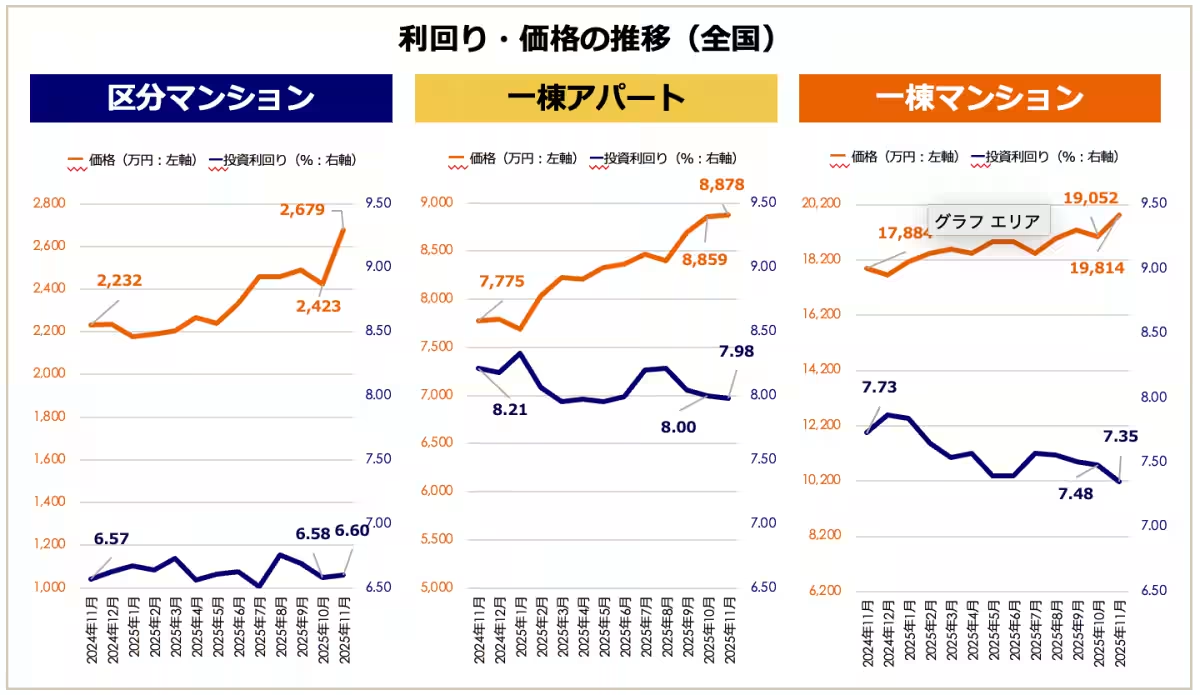
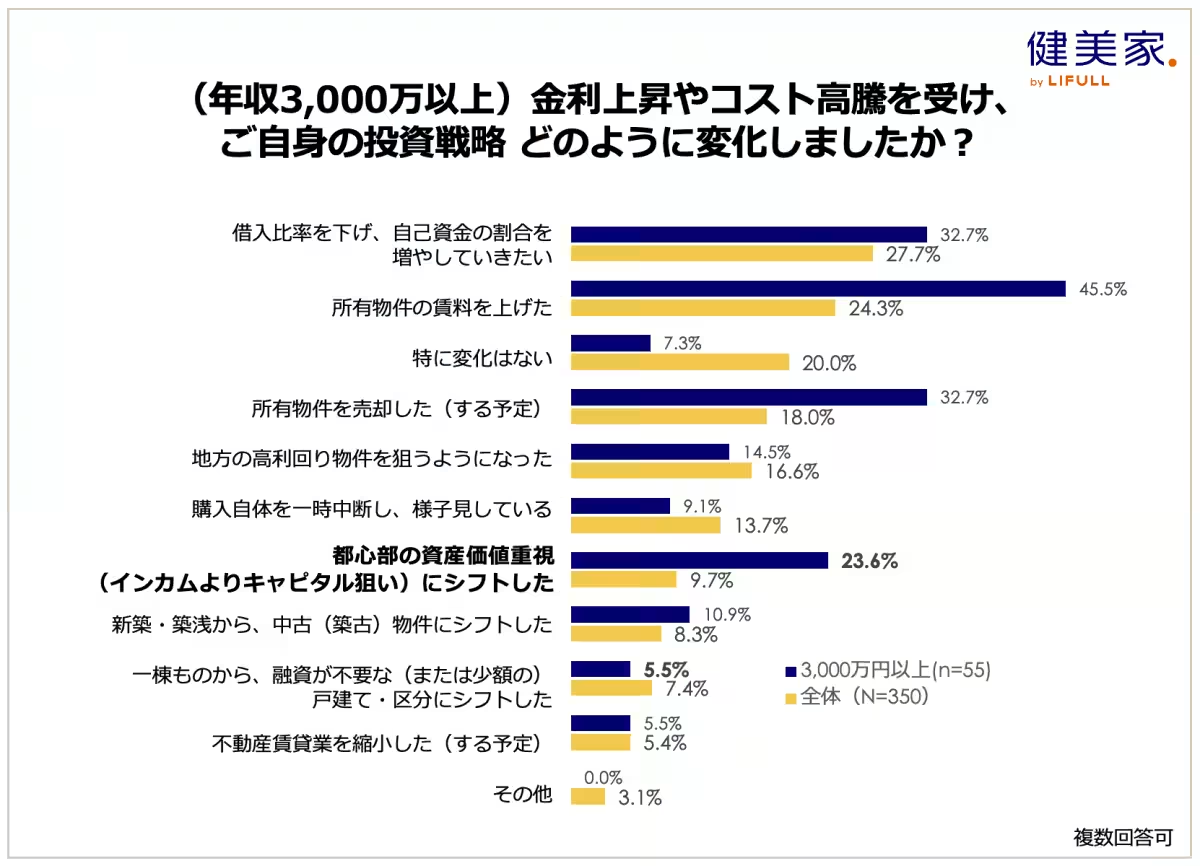
Recent trends indicate a marked shift among investors prioritizing asset value preservation over high yields. While some property types, such as apartments, exhibit declining yields due to price surges, capital value maintenance has become a key focus for many. Additionally, high-income groups are shifting their strategies towards urban properties that promise stable value retention. This suggests a growing preference for long-term asset growth rather than immediate returns.
Trend 3: Continuation of the Rent Increase Trend
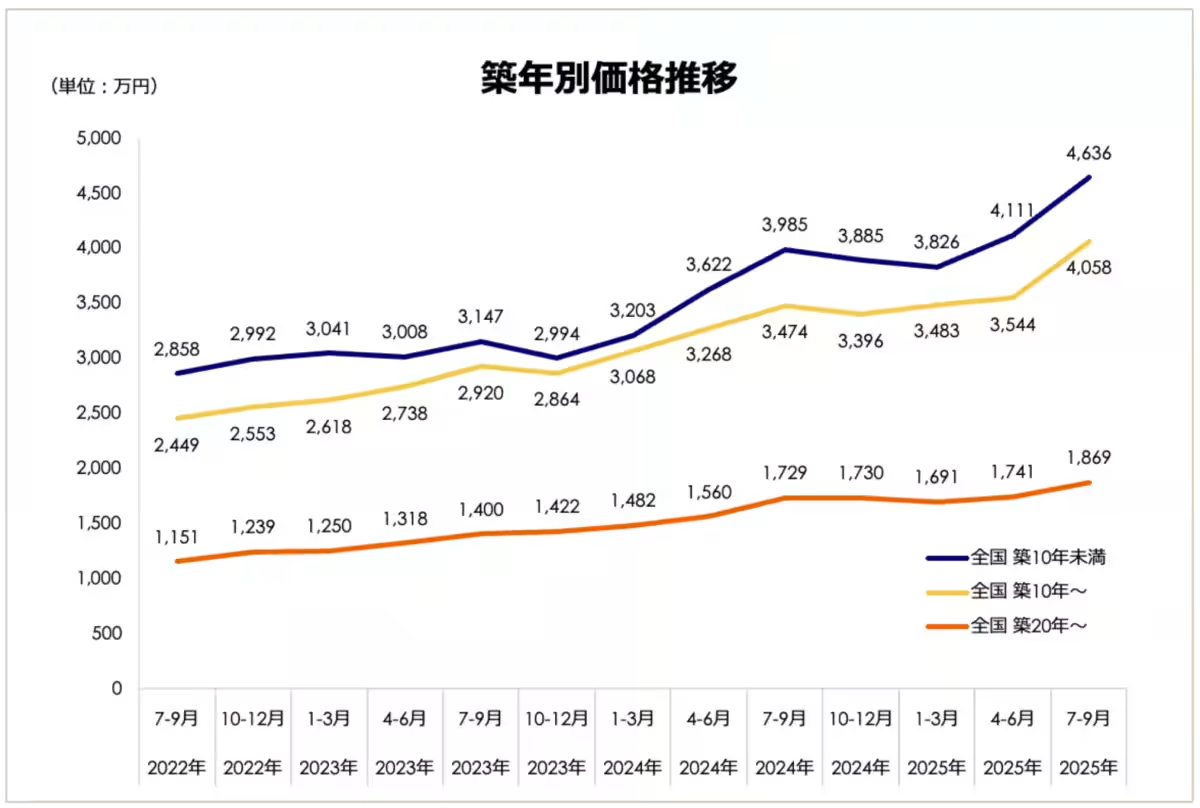
The practice of raising rents to reflect rising costs, which gained momentum in 2025, is set to continue into 2026. With many rental agreements having two-year renewal terms, properties that did not see rent adjustments in 2025 will inevitably face increases in 2026. This is largely driven by overall market price escalation, which has fundamentally altered the previous assumptions about rent depreciation over time.
Trend 4: Growing Use of AI as a Strategic Advisor
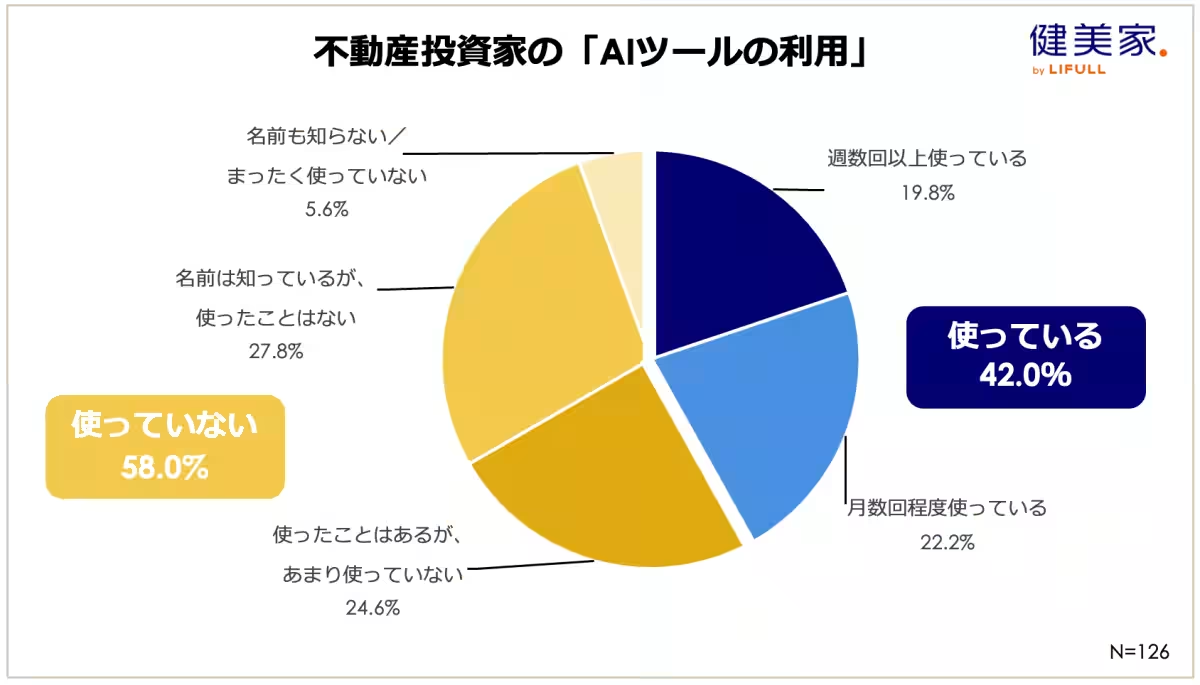
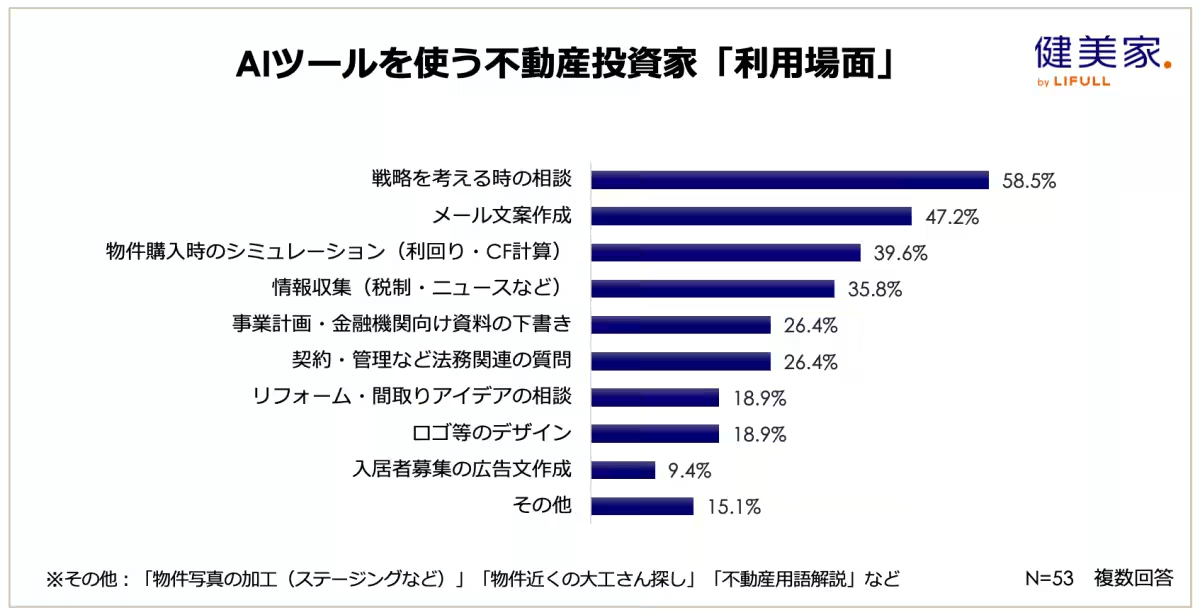
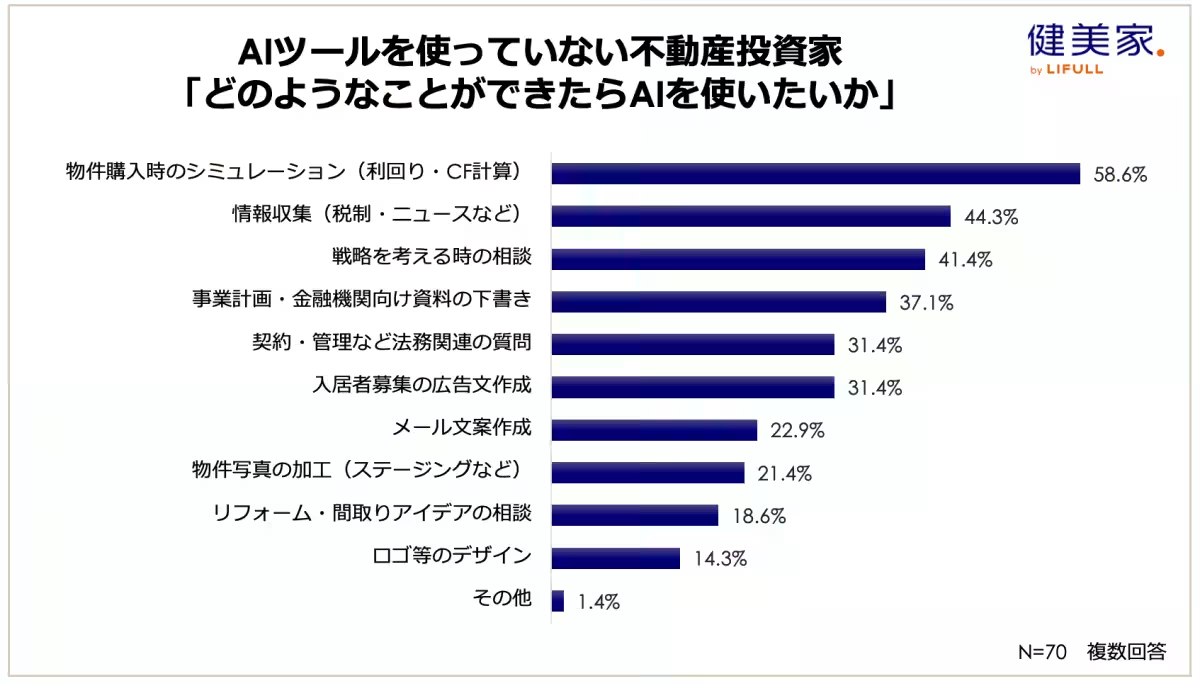
AI technologies have entered the real estate investment landscape, with 42.0% of investors currently utilizing AI tools for strategizing. The primary use of AI is found in strategic consultations, surpassing other applications such as document creation or property simulations. This trend reflects an increasing reliance on AI as investors seek to enhance their decision-making processes using objective insights.
Trend 5: Market Restructuring Providing New Entry Opportunities
As some established investors step back from the market—whether through pausing acquisitions or selling properties—new opportunities are emerging for aspiring real estate investors. This period of market readjustment presents an excellent chance for newcomers who can adapt their strategies to align with the current economic landscape.
Conclusion
In summary, the real estate investment landscape for 2026 is characterized by a significant transformation driven by changing investor behaviors and market conditions. The adaptability of investors, as evidenced by their shifting strategies—such as increasing focus on single-family rentals and a shift towards valuing capital gains over immediate income—will be crucial for success in navigating this evolving environment. As we move into 2026, the combination of these trends is likely to reshape real estate investment strategies significantly and provide investors with new avenues for growth and profitability.



Topics Consumer Products & Retail)
【About Using Articles】
You can freely use the title and article content by linking to the page where the article is posted.
※ Images cannot be used.
【About Links】
Links are free to use.