



Can AI Truly Become Subordinates? Insights from a New Survey on AI Implementation
Can AI Truly Become Subordinates? Insights from a New Survey on AI Implementation
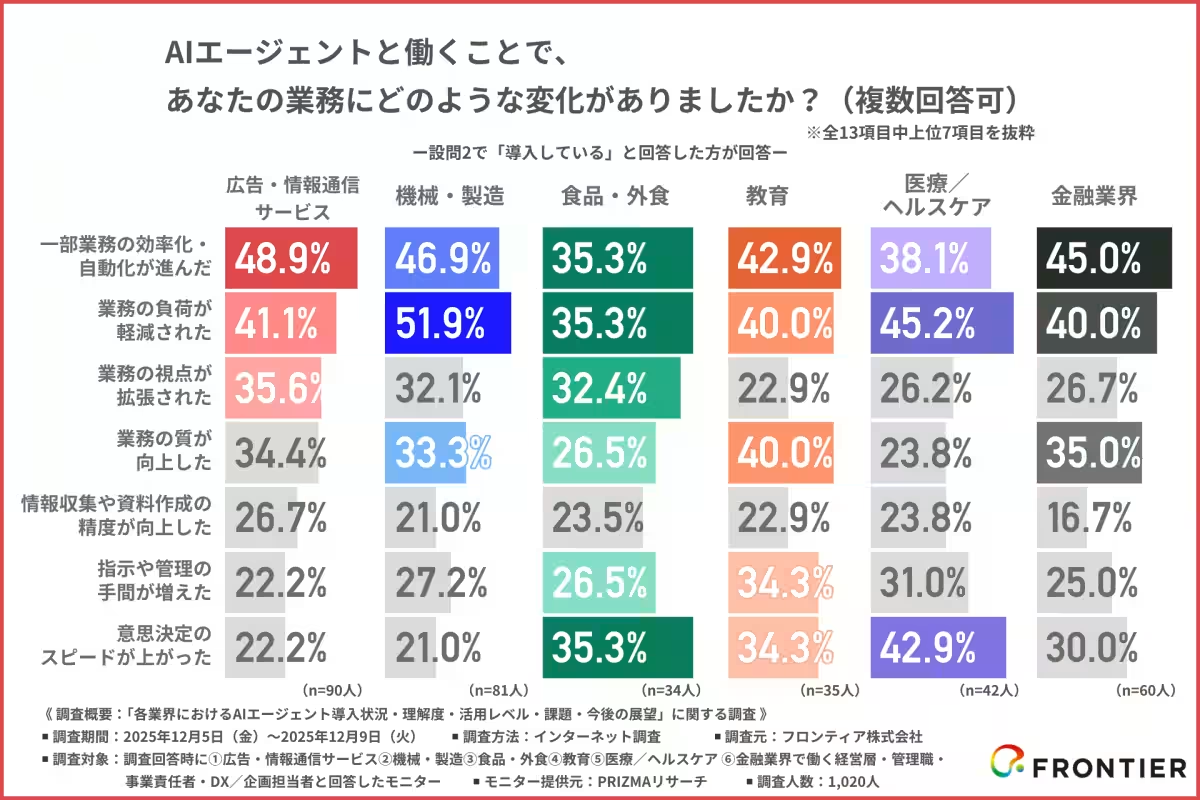
In a rapidly evolving technological landscape, the role of Artificial Intelligence (AI) in business operations is undergoing significant transformations. A recent study conducted by Frontier Co., based in Shibuya, Tokyo, explores the attitudes of management in various sectors towards the implementation and utilization of AI agents within their organizations. With a focus on industries including advertising, manufacturing, healthcare, and finance, the survey gathered insights from 1,020 executives and decision-makers.
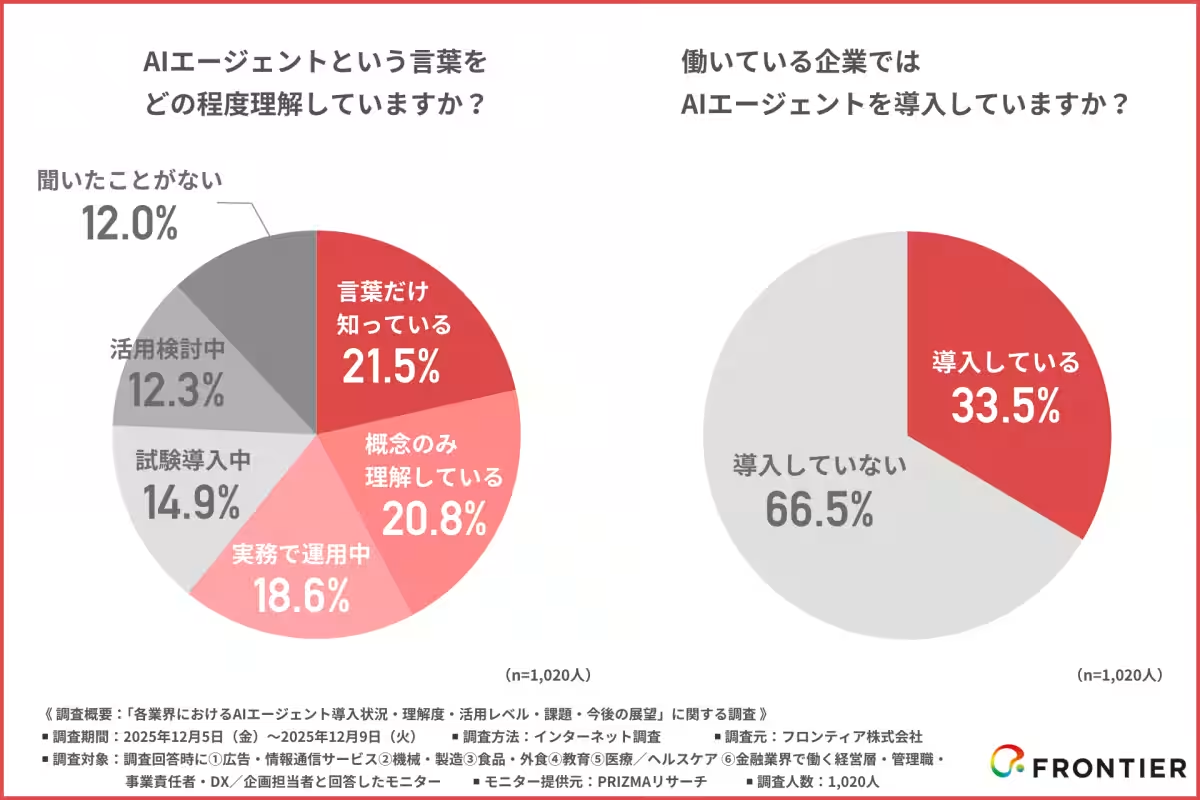
The findings reveal that while 33.5% of companies have adopted AI agents, apprehensions still linger regarding their full-scale integration into managerial decision-making processes. The survey highlights that companies are currently treating AI agents as 'pseudo-subordinates', indicating a cautious understanding of the implications of AI in the workplace.
Survey Findings Overview
1. Implementation Rates
Despite the buzz surrounding AI, the actual adoption rate remains limited. The survey indicates that 33.5% of participants have integrated AI agents into their operations, suggesting that many organizations are interested yet hesitant to fully commit to this technology. The complexities of implementing AI, which includes system integration, process redesign, and security considerations, often delay decisions.
2. Responsibility for AI Errors
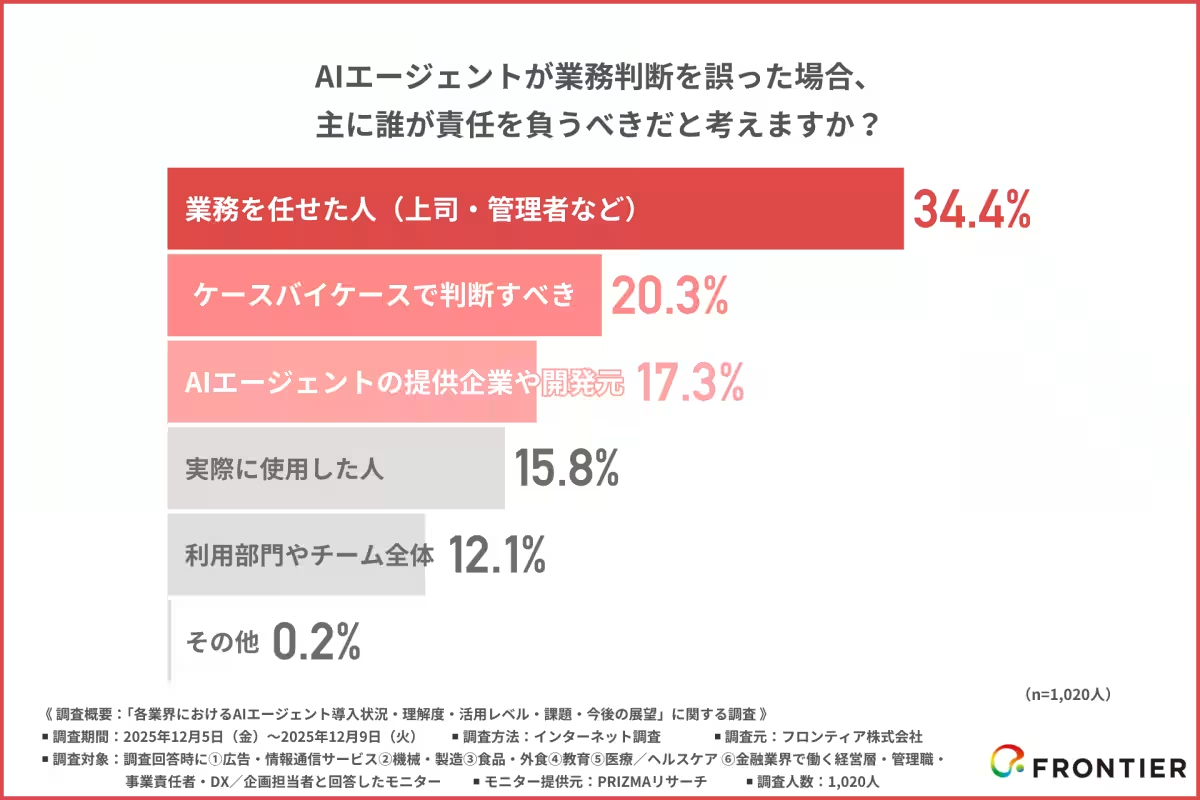
One of the key issues addressed in the survey was the question of accountability when AI makes mistakes. A significant 34.4% of respondents believe that the responsibility should fall on the supervisor or manager who delegated the tasks to the AI. This finding indicates a strong sentiment that human oversight is crucial, even as AI takes on more responsibilities. Furthermore, 20.3% of participants support case-by-case evaluations for assigning responsibility, underscoring the complexities involved in AI decision-making.
3. Criteria for Evaluating AI Agents
Evaluating AI agents against human performance metrics has become the norm. The survey reveals that companies prioritize accuracy and error minimization (45.9% of respondents), followed closely by operational speed and productivity (45.0%). Notably, a third of the respondents (33.0%) also consider an AI agent's autonomy as a key criterion. This shift denotes a growing expectation that AI agents should act not merely as tools, but as semi-autonomous decision-support entities within an organization.
4. Tasks Delegated to AI
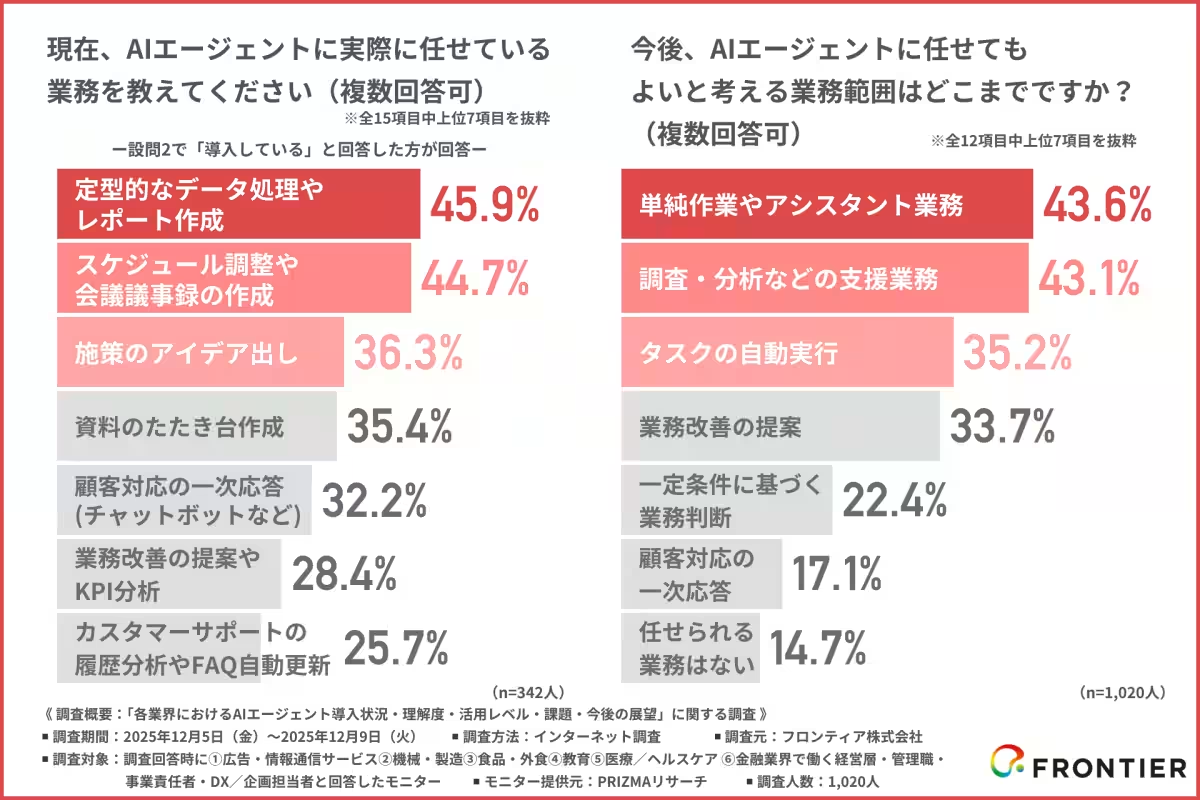
The survey outlined specific tasks that organizations are willing to delegate to AI agents. Simple tasks and assistant roles, including scheduling and reminders (43.6%), along with research and analytical support (43.1%), emerged as the primary responsibilities companies are comfortable handing over.
5. Ideal Role for AI Agents
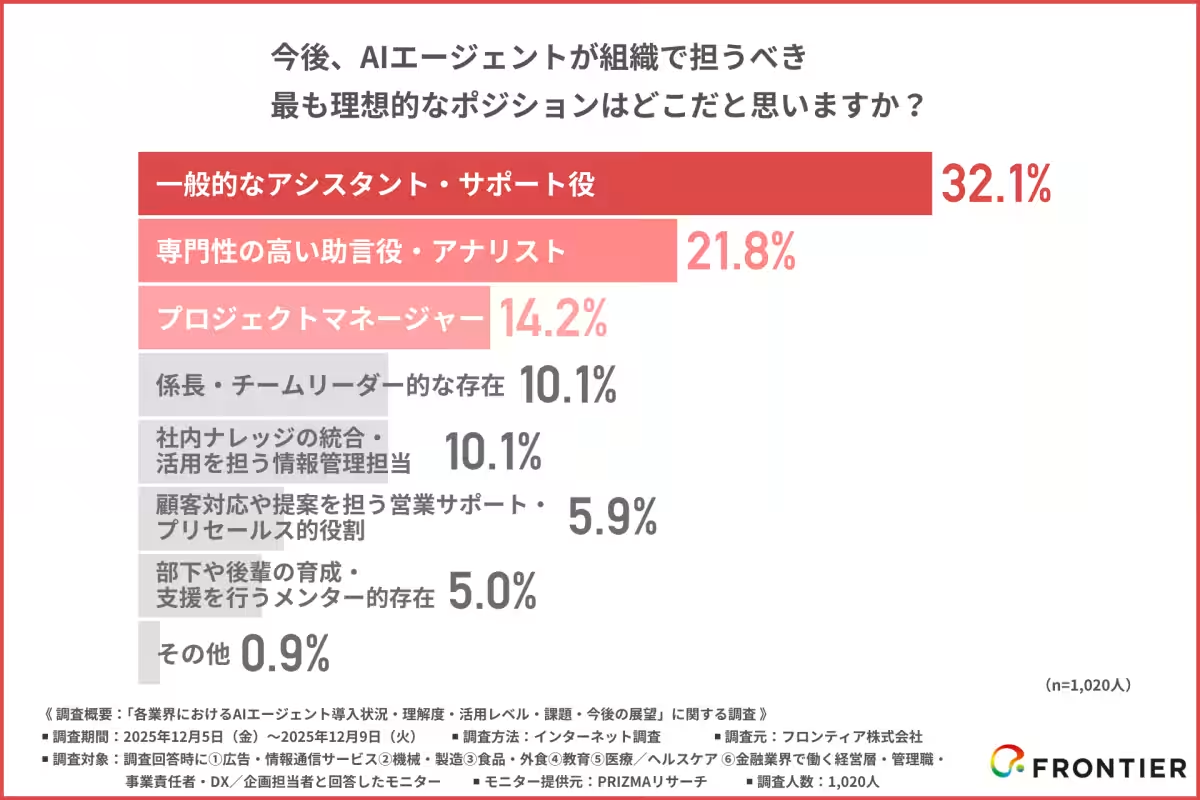
The findings suggest that organizations do not envision AI agents as decision-makers but rather as supporting assistants. Approximately 32.1% indicated that the ideal role for AI within the company is that of a general assistant or support role, further revealing the preference for AI to supplement human judgment rather than replace it.
6. Barriers to AI Implementation
For companies that have not yet adopted AI agents, barriers related to organizational preparedness and talent scarcity rank higher than technological issues. Concerns surrounding a lack of understanding and skills related to AI implementation are prevalent across sectors such as healthcare, manufacturing, and finance. These challenges indicate that before integrating AI, companies need to focus on internal education and structural readiness.
Conclusion
Overall, the survey paints a picture of a cautious yet optimistic approach toward AI agents in the workplace. While organizations are enthusiastic about optimizing operations via AI, they remain acutely aware of the need for human oversight and clear accountability structures. AI is currently viewed as a supportive alternative to human decision-makers, rather than a replacement. Moving forward, as organizations continue to innovate and evolve, embracing AI will require a balanced approach to enhance capabilities while ensuring a clear delineation of responsibility and governance. This current stage may lead to a gradual shift toward increased trust and reliance on AI as a valuable collaborator in the workplace.
Research Summary
- - Study Title: Survey on AI Agent Implementation, Understanding, Utilization Level, Challenges, and Future Outlook in Various Industries.
- - Study Period: December 5-9, 2025.
- - Method: Internet survey conducted by PRIZMA.
- - Participants: Executives and decision-makers from key sectors including advertising, manufacturing, food services, education, healthcare, and finance.
- - Total Responses: 1,020.
- - Conducted by: Frontier Co., Ltd.
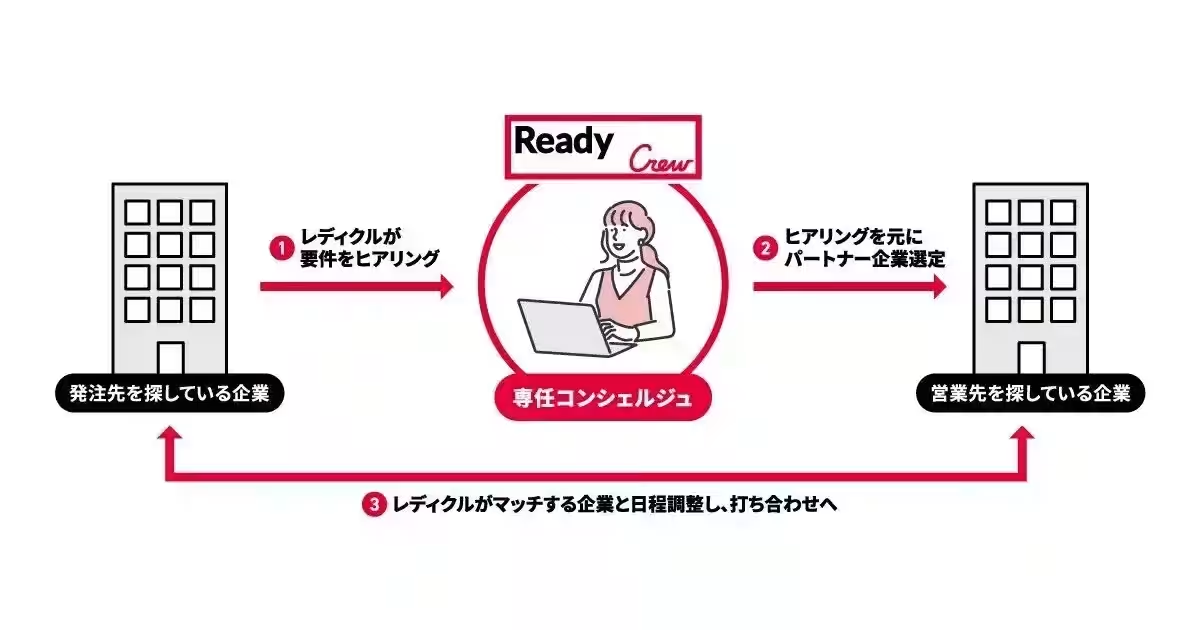
- - Contact for Inquiries: AI implementation assistance is available free of charge through the Ready Crew service, a business matching platform run by Frontier Co.



Topics Business Technology)
【About Using Articles】
You can freely use the title and article content by linking to the page where the article is posted.
※ Images cannot be used.
【About Links】
Links are free to use.