



Survey Reveals Struggles of Air Conditioner Use in Japan Amid Rising Costs
Survey on Air Conditioning Usage Resilience in Japan
As temperatures rise, a significant number of people in Japan are choosing to forgo the comfort of air conditioning, according to a recent survey conducted by the service platform "Ouchi ni Pro". This survey reveals some startling insights about the current situation regarding air conditioner usage in Japan amidst rising electricity costs.
Key Findings from the Survey
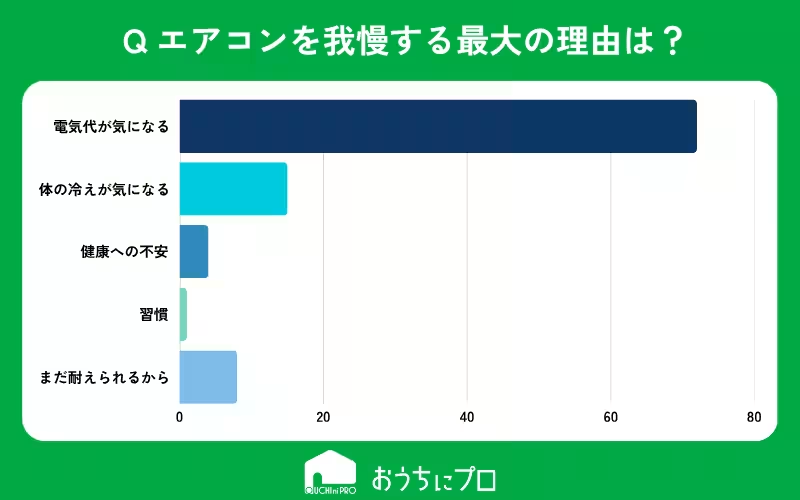
The survey shows that approximately 80% of respondents are unwilling to turn on their air conditioning, despite feeling uncomfortable due to the heat. The primary reason for this reluctance is financial, with 72% of participants citing concerns over electricity bills as their main motivation to avoid using the AC. In addition, 15% worry about getting cold while using air conditioning, which reflects a broader health-conscious trend in the Japanese population.
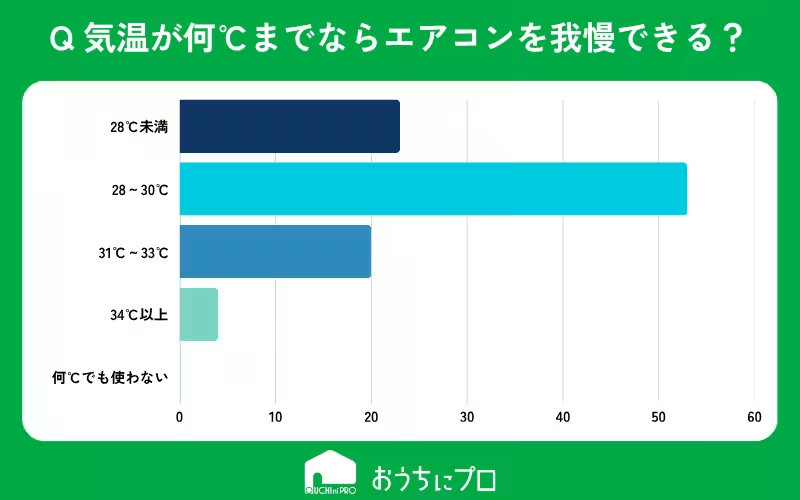
The findings indicate that the threshold temperature for many people is between 28°C and 30°C. This range was the most popular among respondents, while no one reported using air conditioning regardless of the temperature.
Interestingly, with the prospect of rising electricity bills in the future, around 90% of respondents indicated they might further limit their air conditioning usage depending on the situation. This suggests a growing concern for household budgets, especially during hotter months.
Survey Demographics
Conducted in May 2026, the survey utilized an online research method through CloudWorks, gathering data from 100 participants. Among them, there were 40 men and 59 women, with one individual not disclosing their gender. The age distribution of respondents was as follows:
- - 20s: 15
- - 30s: 34
- - 40s: 36
- - 50s: 10
- - 60s and above: 5
This diverse age range provides a comprehensive look at the attitudes towards air conditioning across generations.
Insights into Usage Limits
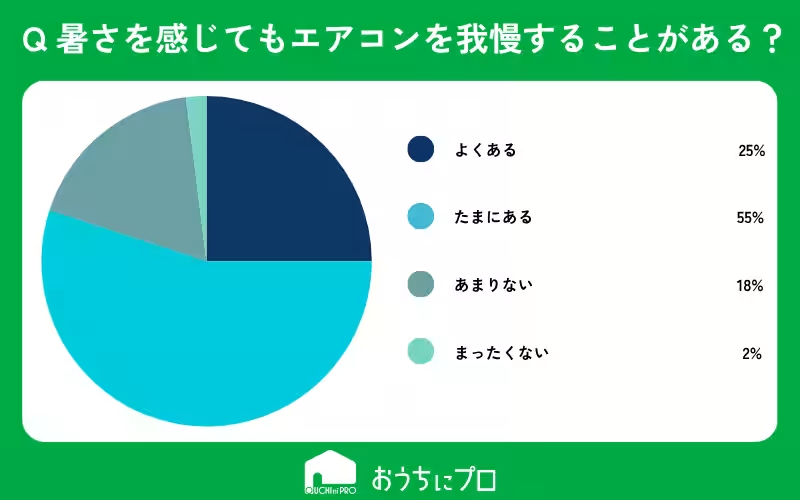
When asked how often they resist turning on their air conditioning, most respondents reported that they sometimes can endure the heat (55%). A smaller number indicated that they resist frequently (25%), while 18% say they rarely avoid it, and 2% never do.
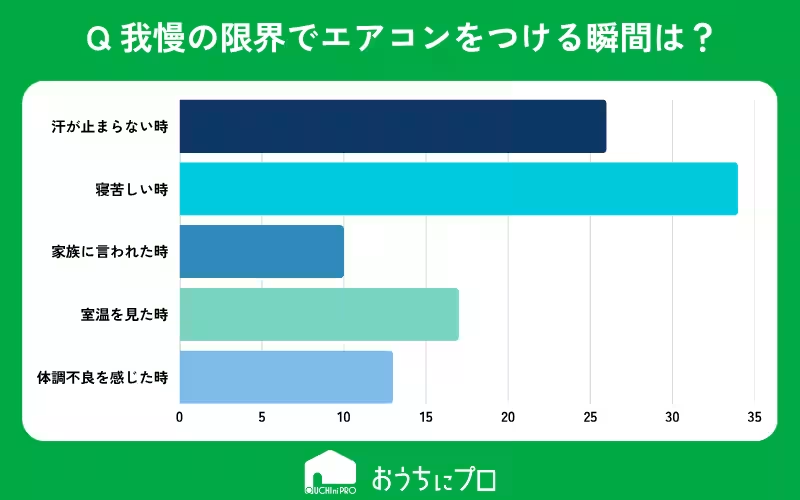
The critical factors triggering usage include:
- - Sweating profusely (26% report this as a moment they turn on the AC)
- - Difficulty sleeping (34% feel compelled by this)
- - Family requests (10% adjust based on family members’ needs)
- - Feeling unwell (13% decide to use the AC based on personal health)
- - Room temperature indicators (17% rely on this as a signal)
Health Concerns Amidst Cost-Saving Strategies
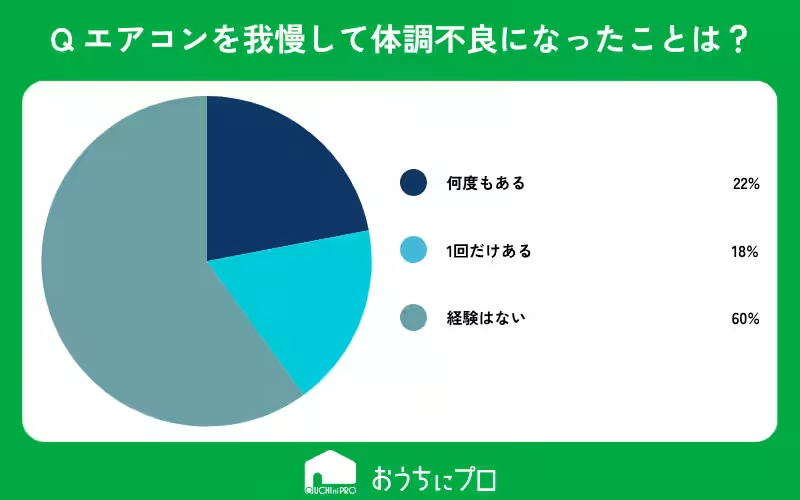
The survey also probed whether individuals had experienced health issues as a result of not using air conditioning, revealing that 22% had faced problems multiple times, while 18% had encountered issues just once. In contrast, 60% reported they had never suffered health problems due to heat avoidance.
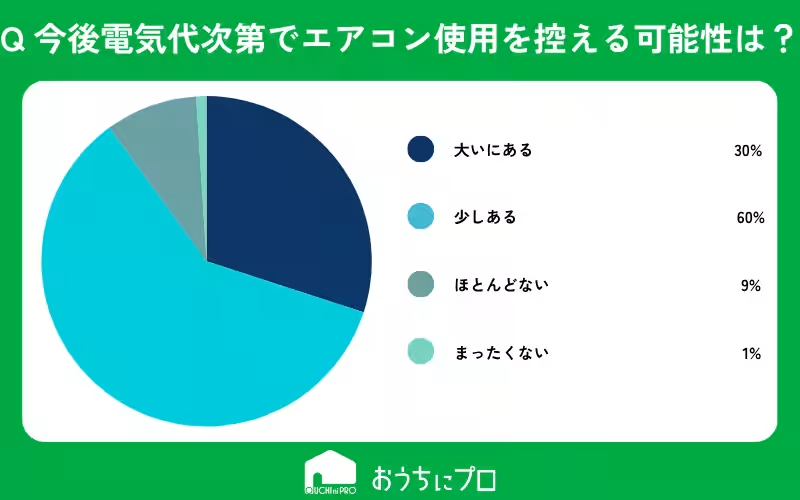
Looking ahead, respondents are aware of their limits. A significant portion, 90%, expressed the possibility of adjusting their AC usage based on anticipated increases in electricity costs. Specifically, 30% have a strong likelihood of doing so, while 60% see it as a slight possibility. Only 9% felt unlikely to change their habits, and just 1% said they would not change at all.
Conclusion
The findings from this survey underscore a broader trend of cost-conscious behavior impacting daily comfort and health. As Japan experiences fluctuations in temperature highs, the balance between financial concerns and personal well-being continues to be a critical conversation. "Ouchi ni Pro" aims to provide useful information on air conditioning and other essential home services, highlighting the dynamic interplay between household management and living standards in contemporary Japan.
Topics Consumer Products & Retail)
【About Using Articles】
You can freely use the title and article content by linking to the page where the article is posted.
※ Images cannot be used.
【About Links】
Links are free to use.