



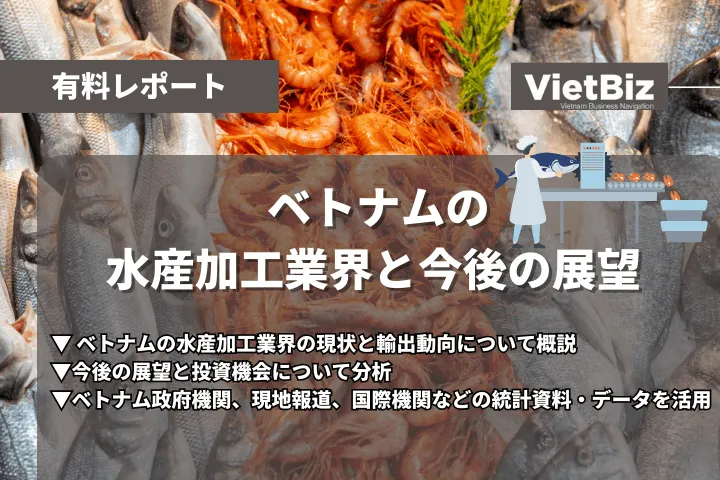
Exploring the Future of Vietnam's Seafood Processing Industry in 2025
Insights into Vietnam's Seafood Processing Industry
Vietnam's seafood processing industry stands as a pivotal sector within its economy, greatly benefitting from the nation’s abundant aquatic resources and extensive coastal regions. The industry primarily focuses on the cultivation and export of various seafood products, particularly shrimp and pangasius. As of 2023, the industry has produced approximately 9.31 million tons of seafood with an average annual growth rate of 4.34%. This sector has positioned Vietnam as one of the world's leading exporters of seafood, ranking third globally in export volume with products reaching over 160 countries.
Current State and Export Trends
The processing of seafood in Vietnam encompasses both captured fisheries and aquaculture, with the Mekong Delta region acting as a hub for production and processing. Notably, shrimp accounts for about 33% of all export volume, followed closely by pangasius at 23%. Major export destinations include the United States, Japan, China, South Korea, and other ASEAN countries. The competitive advantage of Vietnam's seafood industry is underpinned by government support, an ample labor force, and diverse aquatic resources.
Future Outlook and Investment Prospects
The Vietnamese government has identified the seafood sector as a key component of its marine economy, implementing various support strategies, including tax incentives and technological advancements. Agreements like the EU-Vietnam Free Trade Agreement (EVFTA) have further bolstered the industry's international competitiveness by lowering export tariffs.
Looking ahead, the industry anticipates a shift towards high-value products and large-scale aquaculture initiatives, alongside improvements in productivity through scientific and technological applications. Domestic demand is also on the rise, creating interest in investments in refrigerated logistics and advanced processing techniques—all which bode well for foreign investment opportunities in the sector.
Data and Research Sources
This financial report utilizes a variety of reliable sources, including data from governmental organizations, local media, and international institutions to portray a comprehensive overview of the industry. By integrating both quantitative and qualitative research methods, the report aims to provide a logical and persuasive analysis of Vietnam's seafood processing landscape.
Table of Contents
1. Glossary
2. Overview of Vietnam's Seafood Industry
- Definition and Types within the Market (Regulatory Classifications)
- Market Size & Trends in Production
- Distribution of the Seafood Industry and Major Processing Companies
- Supply Chain Dynamics
3. Export Trends of Seafood Products
- Historical Export Figures and Major Markets
- Factors Influencing Competitiveness
4. Future Outlook
- Government Policies and Favorable Trade Agreements
- Investment Opportunities Ahead
5. Company Profiles
- Key Players in Vietnam's Seafood Processing Industry
Conclusion
In conclusion, Vietnam's seafood processing industry is poised for significant growth and transformation through government support, strategic trade agreements, and a focus on high-value production. As the demand for sustainable and diverse seafood products increases globally, Vietnam's role in the international seafood market will likely become even more prominent in the coming years.
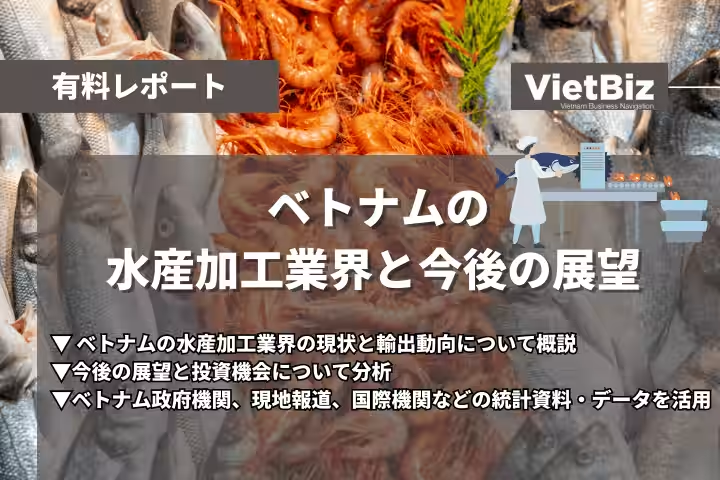

Topics Consumer Products & Retail)
【About Using Articles】
You can freely use the title and article content by linking to the page where the article is posted.
※ Images cannot be used.
【About Links】
Links are free to use.