



New Year, New Opportunities: Housewives Monetizing Unused Household Items
Households Adjust to Rising Costs with a New Strategy
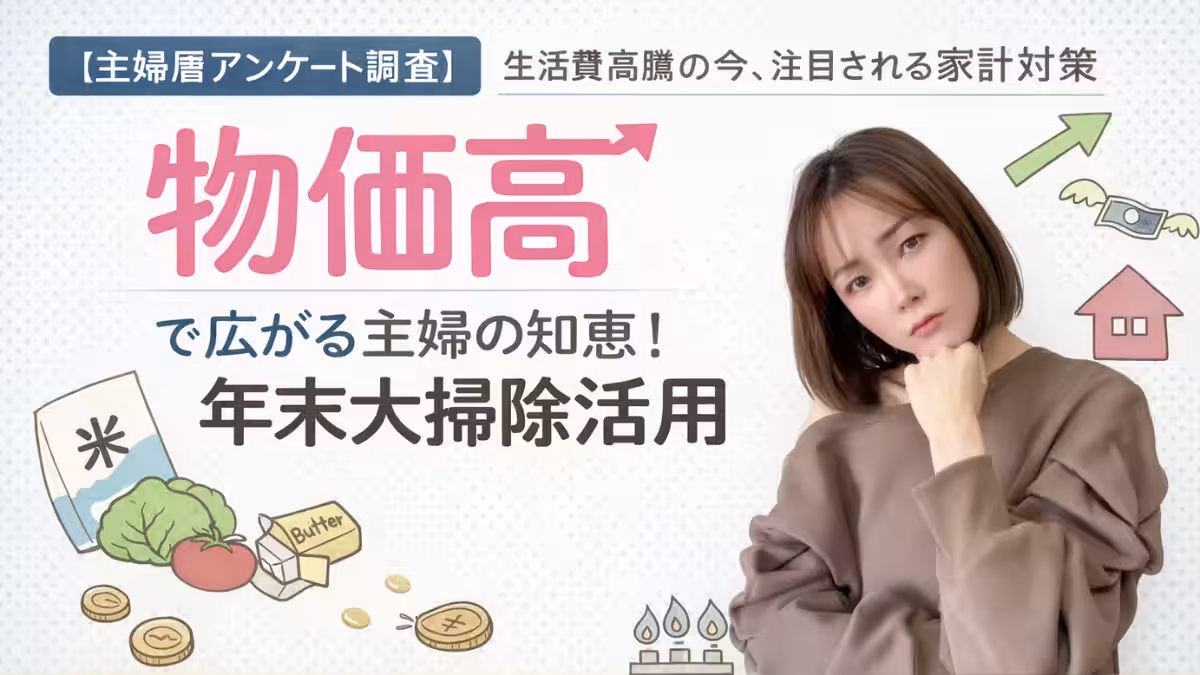
As consumer prices continue to increase, many households, especially among housewives and seniors, are feeling the financial pinch. A recent survey conducted by T.B.H., a Tokyo-based company, reveals significant changes in spending habits and a shift in how household assets are perceived. The study, which included 120 participants from across Japan, found that 75% of respondents reported higher monthly expenses compared to last year. This alarming trend is attributed primarily to rising costs of food and daily necessities, leading to increased pressure on family budgets.
Survey Insights
Rising Expenditures
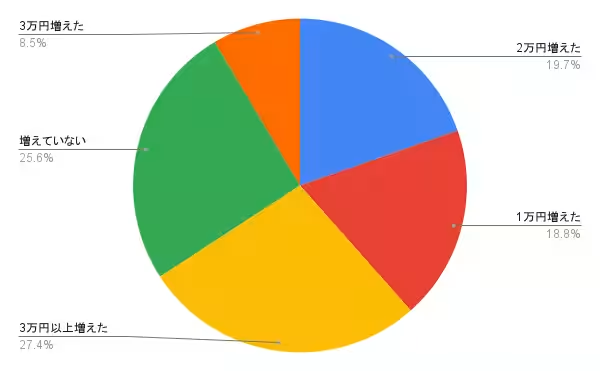
A staggering 75% of participants indicated they are spending more this year than the last, with approximately 27% citing increases of over 30,000 yen per month. The latest data suggests that for numerous households, merely cutting back on everyday expenses is no longer sufficient to maintain financial stability.
Turning Unused Goods into Assets
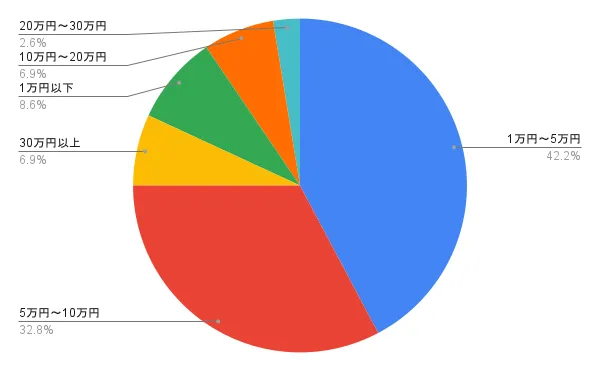
In response to these financial strains, a new custom is emerging among households: viewing unused items in their homes as liquid assets. This trend, dubbed the “Year-End Unused Item Bonus,” encourages families to sell items they no longer need. When asked how much they hoped to earn from selling these unused items, responses varied:
- - Less than 10,000 yen: 8.6%
- - Between 10,000 - 50,000 yen: 42.2%
- - Between 50,000 - 100,000 yen: 32.8%
- - Between 100,000 - 200,000 yen: 6.9%
- - Between 200,000 - 300,000 yen: 2.8%
- - Over 300,000 yen: 6.9%
The results suggest that nearly half of those surveyed are aiming for at least 50,000 yen from the sale of unwanted items.
Utilizing Family Assets: A New Trend
Notably, the popularity of leveraging “family assets” is gaining traction. The T.B.H. YouTube channel, titled “Chii Mama: Mercarii Work from Home Coach,” has reported increased viewer interest in videos that discuss how to utilize items found in family homes. To cater to this demand, the channel has recently updated some of its content with fresh insights on this topic.
Mercarii Reigns Supreme, Yet Alternatives Are Sought
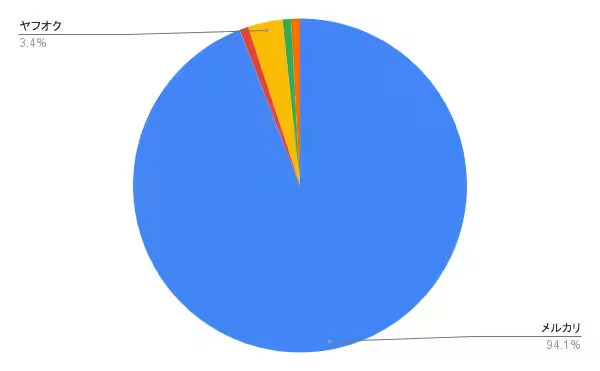
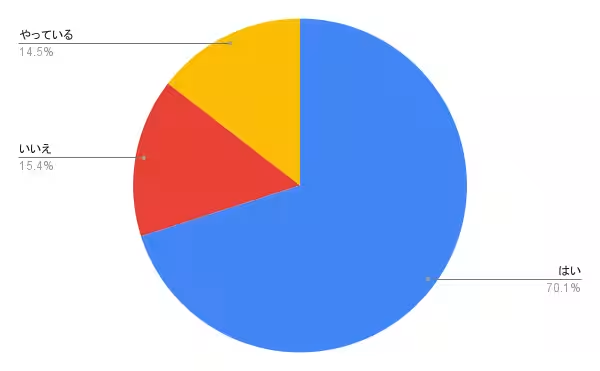
According to the study, an overwhelming 94.1% of participants identified Mercarii as their go-to platform for selling unwanted items. However, there’s a noticeable shift as 70.1% of respondents expressed a desire to explore other selling avenues beyond Mercarii. This indicates a growing trend among users to avoid dependency on a single platform and seek diversified selling options.
A Strong Message from T.B.H. CEO, Chiharu Yokota
Chiharu Yokota, the CEO of T.B.H. and known as “Chii Mama,” commented on the findings, stating, “The end-of-year cleaning is the perfect opportunity to reassess the value within our homes. Instead of simply discarding items, we can pass them on to those who need them, ultimately benefiting our family budgets.” He highlighted that many homes hold old yet valuable items, and discovering these assets during year-end cleaning can effectively help defend against financial challenges.
Upcoming Initiatives
In line with this evolving trend, T.B.H. is preparing to launch a free online course aimed at teaching participants:
- - Techniques for selling items at higher prices on Mercarii
- - How to distinguish sellable products from unsellable ones
- - Strategies for uncovering valuable family treasures
- - Pathways to transition into merchandise sales
This initiative is set to roll out just in time for the holiday season, offering potential participants the chance to receive advance notifications via the official T.B.H. LINE account.
Media Opportunities
T.B.H. is open to media inquiries, which include providing specific case studies of selling unused items, offering photo and video materials, and conducting interviews with the company’s representatives. There are also opportunities to accompany the team on treasure-hunting excursions in family homes.
In conclusion, the financial landscape is prompting innovative strategies among households to manage ballooning expenses. This year-end habit of converting unused items into cash presents not just an opportunity for added income but also a new perspective on household management—transforming clutter into cash.

Topics Consumer Products & Retail)
【About Using Articles】
You can freely use the title and article content by linking to the page where the article is posted.
※ Images cannot be used.
【About Links】
Links are free to use.