



Seven-Eleven Japan Intensifies Efforts for Environmentally Friendly Packaging Materials
Seven-Eleven Japan's Commitment to Reducing Environmental Impact
As part of its ongoing environmental initiatives, Seven-Eleven Japan, headquartered in Chiyoda-ku, Tokyo, has decided to strengthen its efforts in utilizing environmentally friendly materials for packaging. This move is part of the company's broader environmental declaration known as the GREEN CHALLENGE 2050, focusing specifically on reducing plastic usage.
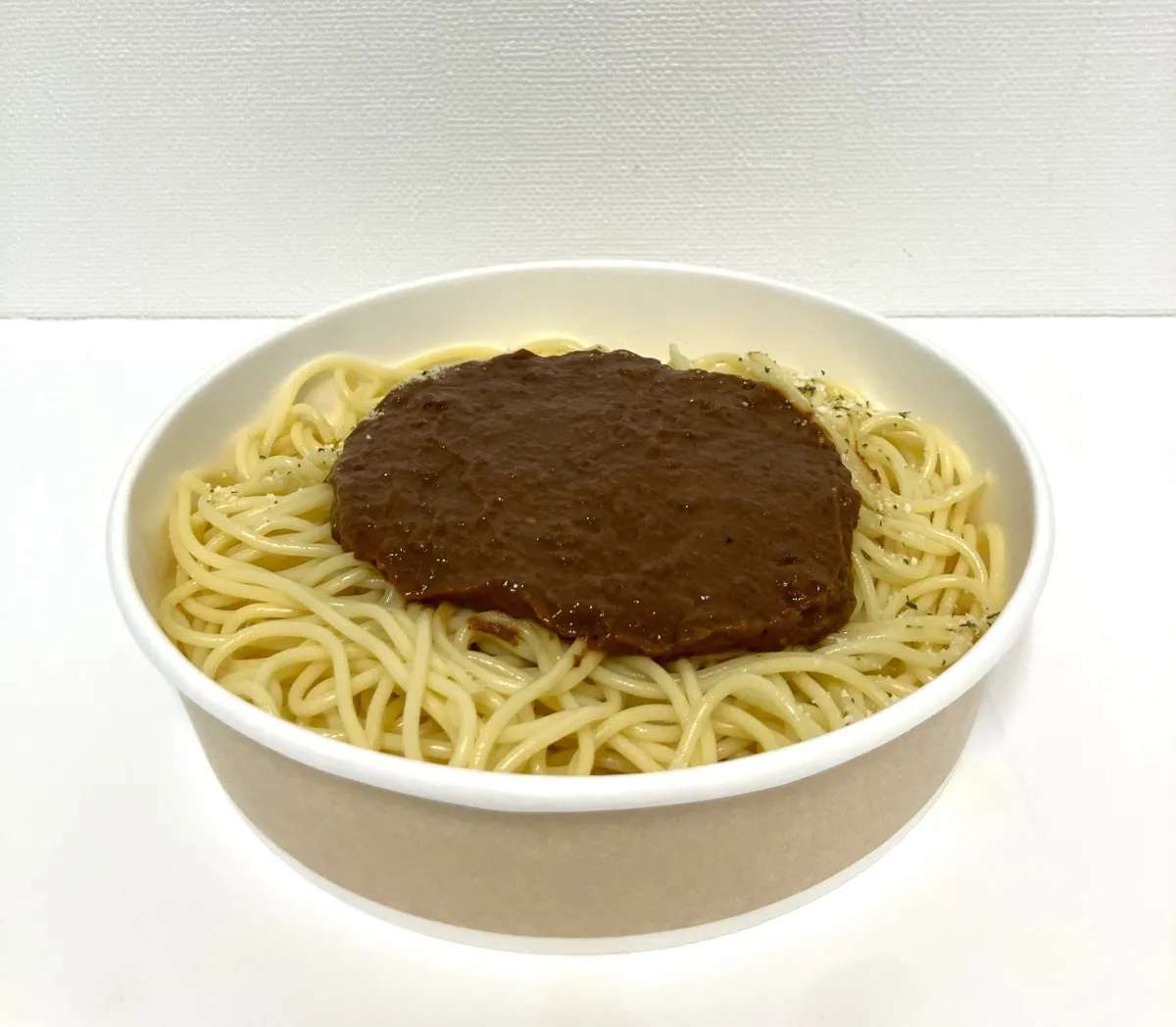
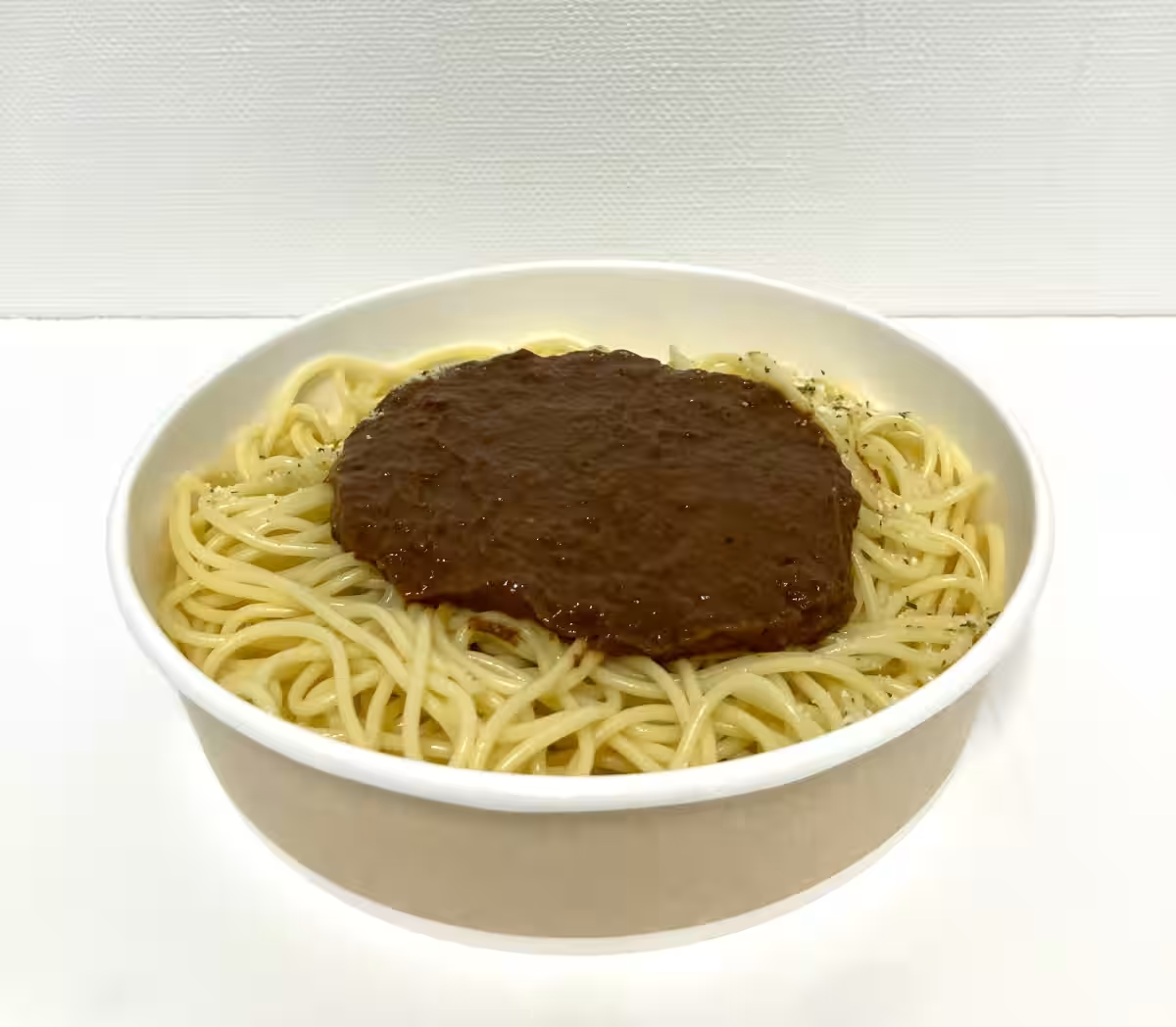
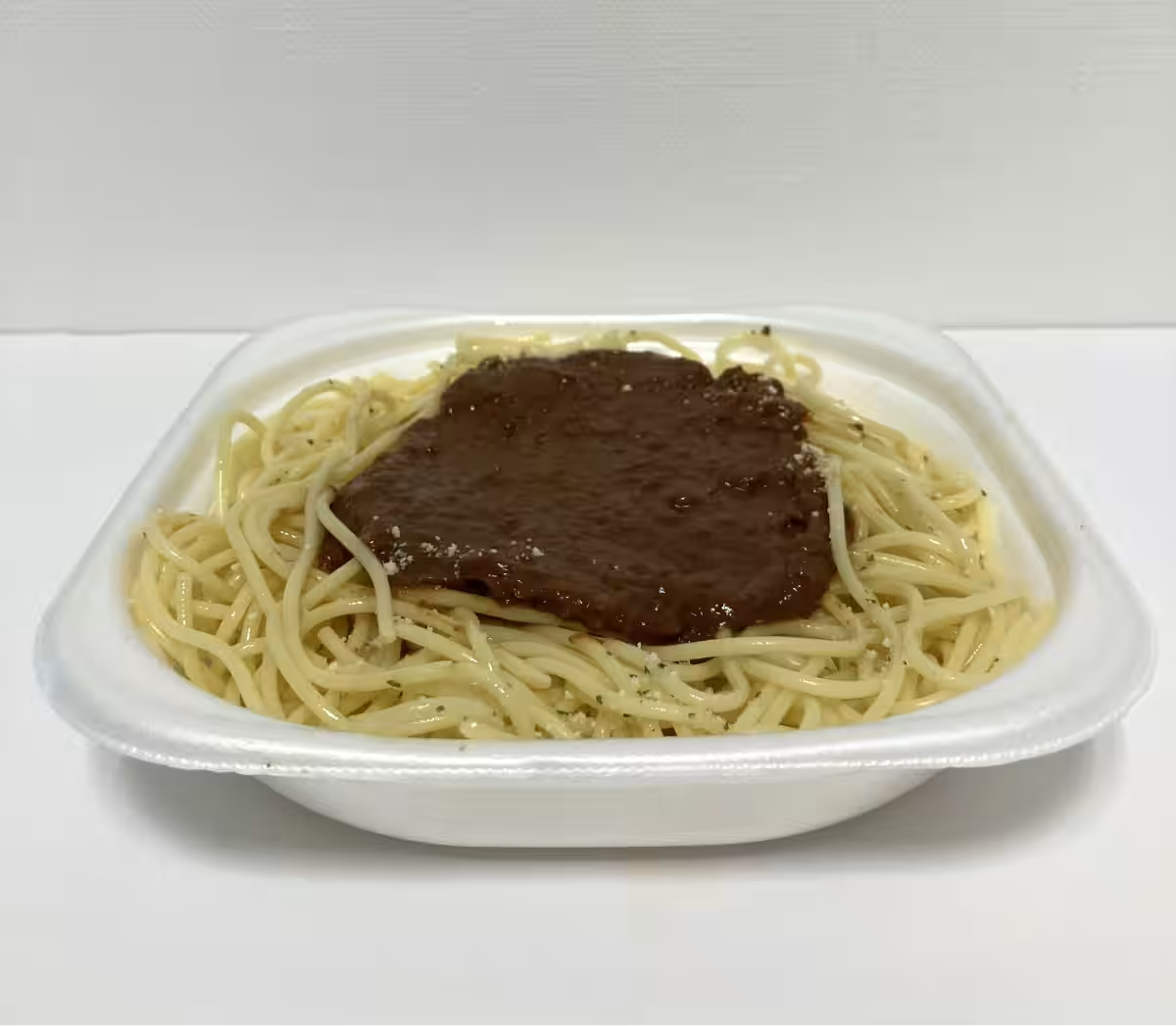
Starting October 2023, the company has launched a new line of six types of pasta packaged in paper containers instead of the traditional plastic options. This transition is expected to reduce plastic consumption by approximately 370 tons annually. Additionally, around 10 items, including bento boxes, will adopt biomass plastics through a mass balance approach, further cutting down approximately 70 tons of petroleum-based plastic usage each year.
The biomass plastic initiative, using a method that ensures a portion of the product comes from renewable sources, allows Seven-Eleven to significantly lessen its environmental footprint. This approach not only aligns with the company’s sustainability goals but also sets a benchmark for the food and retail industry's commitment to greener practices.
By 2030, Seven-Eleven aims to achieve 50% of its original product packaging made from eco-friendly materials, with an ambitious target of 100% by 2050. The company has previously engaged in various efforts, such as actively utilizing natural materials like paper for packaging and minimizing ink and dye usage in containers. With the recent shift to paper containers for pasta, approximately 40% of all original products are projected to employ environmentally friendly materials by October 2025.
This commitment to sustainability demonstrates Seven-Eleven Japan’s proactive approach towards a more sustainable society. By evaluating their packaging processes and introducing innovative materials, they are setting a forward-thinking example in the retail sector.
Understanding the Mass Balance Approach
To further clarify, the mass balance method refers to a system where raw materials with specific characteristics (e.g., biomass-derived materials) are mixed with non-renewable sources (e.g., petroleum-derived materials) during processing. This method allows for assigning the renewable traits proportionally to the total output based on the input quantities.
Example Packaging Changes
- - Plastic Container
- - Paper Container
With the switch to paper containers for the six pasta options, an important step has been taken. This forward movement will hopefully inspire other companies in the sector to take note and make similar changes. Seven-Eleven Japan remains dedicated to further pioneering these sustainable practices that cater to both consumer needs and environmental stewardship.
As they continue to advance in these initiatives, the company looks forward to enhancing its contributions toward reducing environmental impact and paving the way for a greener future.
For more details on their plastic reduction efforts, consider reviewing their recent announcements:
- - Change of Container for Chilled Bento
- - Cup Deli Lid Transition to Top Seal Type
- - Replacement of Materials for Sandwich Packaging
- - Reduction of Ink and Colorants by Container Use

Topics Consumer Products & Retail)
【About Using Articles】
You can freely use the title and article content by linking to the page where the article is posted.
※ Images cannot be used.
【About Links】
Links are free to use.