




Keeping Toddlers Safe: Preventing Burn and Toy-Related Accidents This Winter
Keeping Toddlers Safe: Preventing Burn and Toy-Related Accidents This Winter
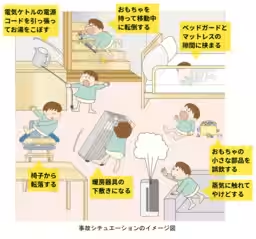
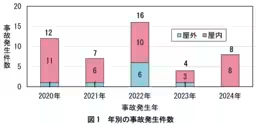
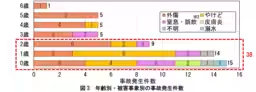
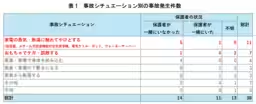
As the cold winter months approach, children are spending more time indoors, increasing their exposure to household dangers. The excitement that comes with a child’s new skills, expressed through their joyful exclamations of "I did it!", can unfortunately lead to unintended accidents. According to data from NITE (National Institute of Technology and Evaluation) indicating product-related incidents from 2020 to 2024, there have been 47 reported accidents involving children under three years old. Alarmingly, about 80% of these incidents occurred indoors, highlighting an urgent need for enhanced safety measures at home.
The Rising Risks: Understanding Accident Trends
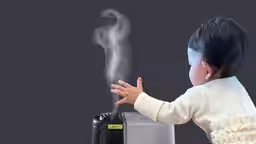
Among these incidents, burns from household appliances and injuries related to toys have been particularly common. The data shows that many of these accidents typically occur during the winter to spring period, which is a time when families engage more with electronics like humidifiers and electric kettles. Children’s newfound abilities, such as grasping objects and standing up, can inadvertently lead them into dangerous situations—while parents are distracted or simply not looking.
To combat these rising dangers, legislative changes will be implemented starting December 25, 2025, concerning toys for children under three years old. These regulations aim to enforce stricter safety standards to protect younger children who are particularly vulnerable to household risks. In anticipation of these changes, NITE is urging parents to take proactive measures to safeguard children against potential harm from toys and household products.
Preventing Burns from Household Appliances
Here are some key points for keeping children safe from burn risks involving household appliances:
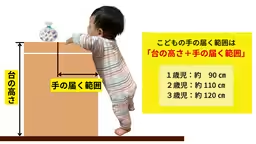
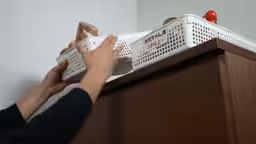
1. Create a Safe Environment: Keep appliances that pose burn risks out of reach. Use barriers where necessary to block access to high-risk areas.
2. Stay Vigilant: Supervise children closely when using appliances that generate heat or steam. Even a momentary lapse in attention can lead to a serious accident.
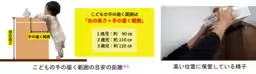
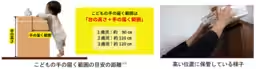
3. Position Appliances Wisely: Ensure that devices, such as electric kettles and humidifiers, are kept in locations that are inaccessible to little hands.
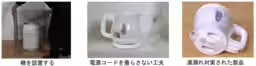
4. Use Safe Products: Consider appliances designed with safety features to prevent spillage or accidental burns, especially in environments with busy toddlers.
Minimizing Toy-Related Injuries
To avoid accidents related to toys, consider the following measures:
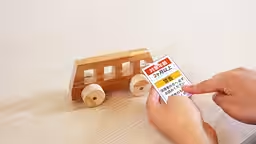
1. Check Age Appropriateness: Always verify the recommended age for toys before allowing children to play with them. Pay attention to age warnings and safety instructions.
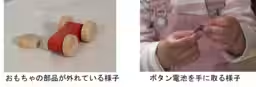
2. Regular Safety Inspections: Frequently examine toys for sharp edges or components that may have become loose. Ensure all toys are intact and safe for use.
3. Safe Storage: Store toys and their parts in areas inaccessible to children—ideally on high shelves or in locked cabinets, particularly where small parts are involved.
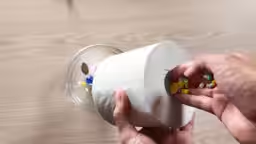
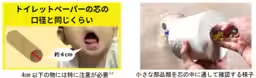
4. Be Mindful of Small Objects: Be aware that children under three are prone to swallowing small items. Keep your living space free from items that could easily become choking hazards, such as small toy parts and everyday objects like bottle caps.
Learning from Past Incidents
NITE provides a valuable resource called "NITE SAFE-Lite", which allows caregivers and parents to search for accident reports and recalls related to specific toy products. By checking this database, parents can gain insights into potential risks associated with specific toys.
Moreover, the importance of prevention cannot be emphasized enough. NITE's safety campaign encourages parents to regularly engage in safety checks, ensuring toys and household products are safe for their children. This vigilance becomes even more critical during the festive season when families visit and new toys are often introduced.
Conclusion
Protecting young children from accidents caused by household products and toys is a shared responsibility. By being proactive, vigilant, and informed, parents can create a safe environment for exploration and growth. This winter, let’s prioritize the safety of our little ones by implementing essential precautions, ensuring the home remains a nurturing space free from hazards.





Topics Health)
【About Using Articles】
You can freely use the title and article content by linking to the page where the article is posted.
※ Images cannot be used.
【About Links】
Links are free to use.