



Innovative Farming Solar Energy Initiative Using Perovskite Technology in Japan
A Landmark Initiative in Solar Energy and Agriculture
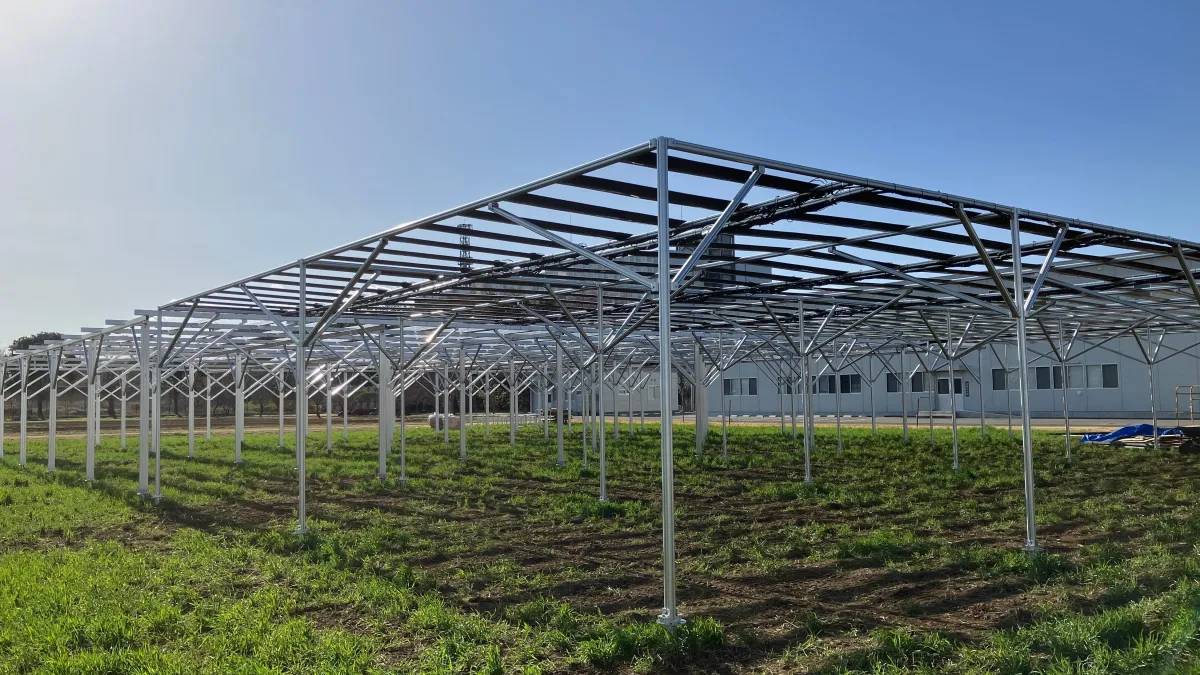
In a pioneering effort towards sustainable energy and agriculture, a collaboration among five entities, including Sekisui Solar Film Co., TERRA, Chiba University, Chiba Bank, and Himawari Green Energy, has commenced a project in Japan utilizing film-type perovskite solar cells in rice paddies. This collaboration, which highlights practical application avenues for solar technology, aims to install these unique solar power systems at Chiba University’s Kashiwa-no-ha Campus by March 2026.
Background
As global efforts intensify towards achieving carbon neutrality by 2050, the expansion of renewable energy sources has become a critical priority. Solar energy is recognized as a vital component in this transition. However, Japan faces challenges due to its limited flat land suitable for traditional silicon-based solar panels. In contrast, agricultural lands present a vast potential for renewable energy generation, opening avenues for agrivoltaics—the concurrent use of land for both agriculture and solar power generation.
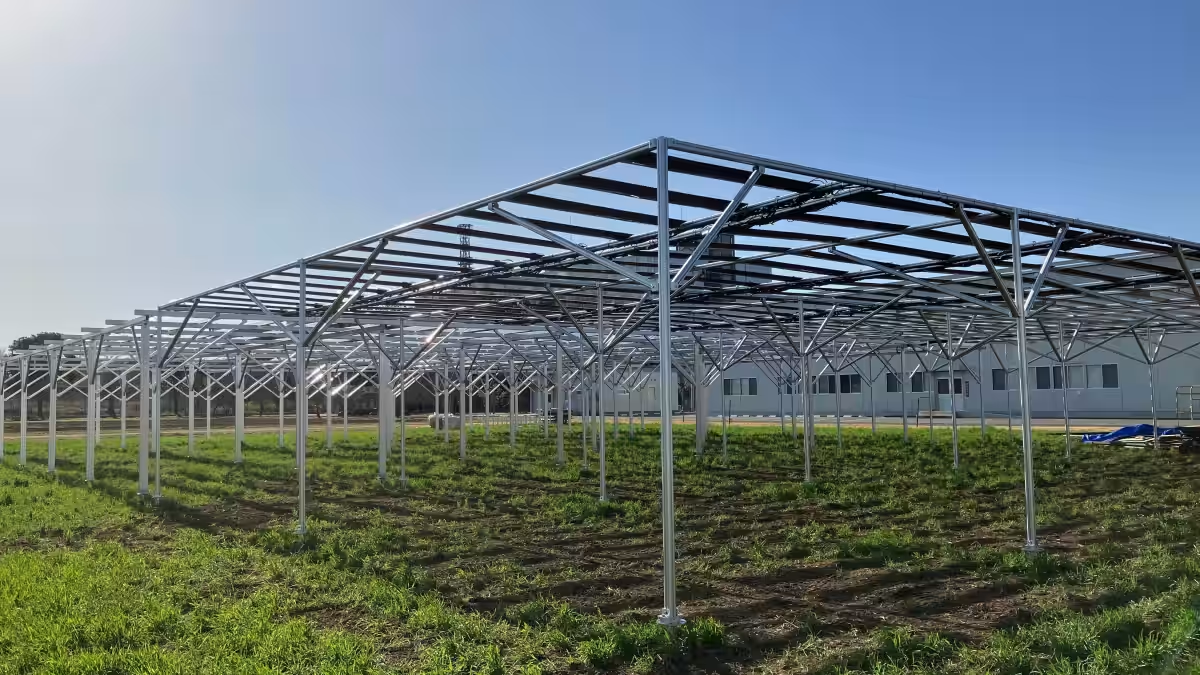
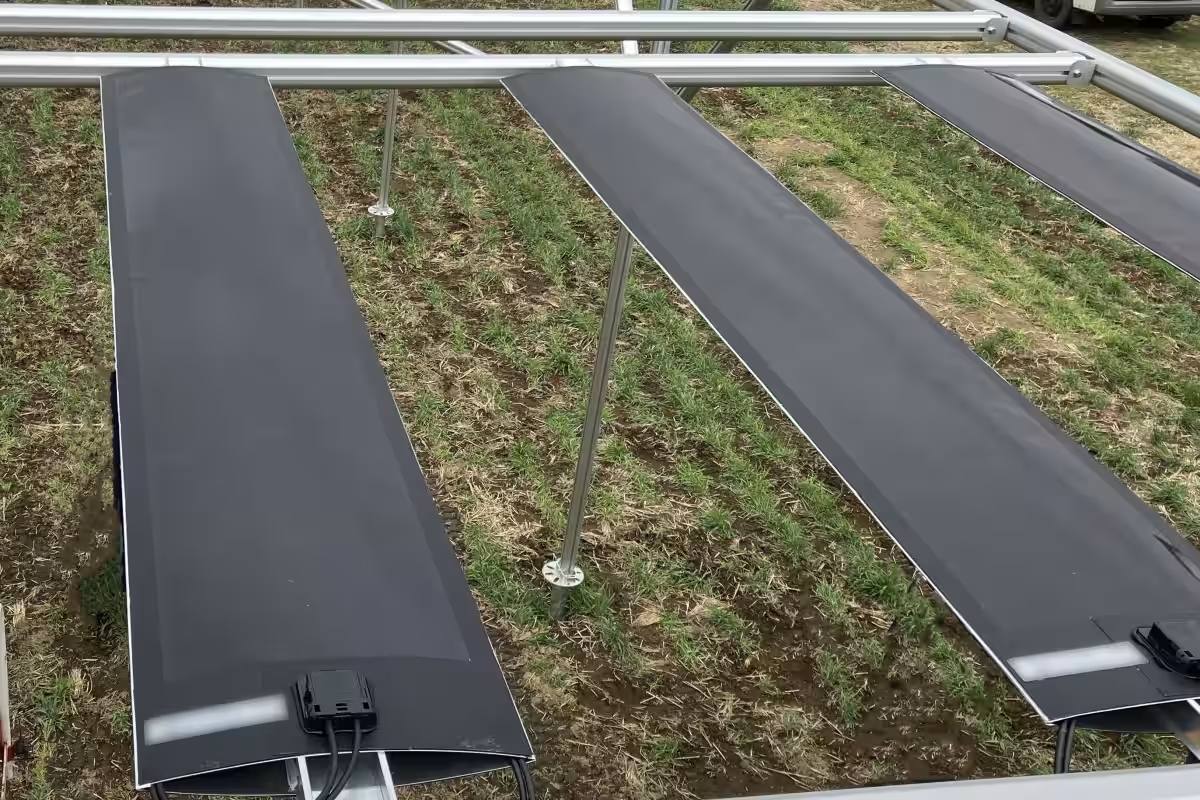
Since August 2024, Sekisui Chemical, the parent company of Sekisui Solar Film, along with TERRA, has been conducting tests on installing lens-type modules utilizing film-type perovskite solar cells in Sosa City, Chiba Prefecture. The new collaboration is set to further explore the ability of these solar cells to perform effectively within rice fields, with aims to gather valuable data on energy generation and the impact of these installations on rice growth conditions.
Collaboration Framework
1. Location: Conducted on the Kashiwa-no-ha campus of Chiba University in Kashiwa City, Chiba
2. Duration: Starting in March 2026, the project will run for three years
3. Focus Areas:
- Evaluation of the performance of lens-type modules installed in rice paddies
- Examination of the implications on agricultural practices and crop yield quality
- Assessment of the effects on greenhouse gas emissions, particularly methane
4. Operational Details:
- The renewable energy generated from the installed perovskite solar cells is expected to be acquired through an onsite power purchase agreement with Chiba University and TERRA.
- Chiba University Connect will act as the facilitator for collaboration among the involved parties.
Roles of Participants
- - Sekisui Solar Film: Responsible for providing the innovative solar cells and determining installation specifications.
- - TERRA Corp: Managing the construction, operation, and maintenance of the solar power generating facilities used for the tests.
- - Chiba University: Offering the farmland for testing and assessing the impact on agricultural practices.
- - Chiba Bank: Providing financial support for the project and evaluating the viability of integrating perovskite solar cells into agricultural financial models.
- - Himawari Green Energy: Aiding in assessing the agricultural models using these cells and promoting them among local government and businesses in Chiba Prefecture.
Future Perspectives
Through this collaborative effort, the five entities are dedicated to resolving challenges associated with the implementation of film-type perovskite solar cells on agricultural lands, effectively promoting local renewable energy consumption. Sekisui Chemical and Sekisui Solar Film aim to contribute to a decarbonized society by expanding the use of perovskite technology. TERRA envisions that the practical application of agrivoltaic perovskite solar module technology will accelerate sustainable solar energy solutions across Japan, particularly with consideration for ecological impacts.
Chiba University is committed to advancing scientific evidence that tackles global warming and agricultural heat challenges while pursuing its RE100 goal, aiming for complete reliance on renewable energy by 2040. This initiative will serve as a crucial step towards that strategic aim. Both Chiba Bank and Himawari Green Energy are keen to ensure that this endeavor aids in realizing a sustainable carbon-neutral future for Chiba Prefecture.
In conclusion, this ambitious project signifies an essential stride towards integrating renewable energy with agricultural practices, potentially transforming the landscape of energy production in Japan while playing a vital role in the journey towards a sustainable future.
Topics Environment)
【About Using Articles】
You can freely use the title and article content by linking to the page where the article is posted.
※ Images cannot be used.
【About Links】
Links are free to use.