



The Modern Snack Dilemma: Managing Guilt and Indulgence in Snacking
The Modern Snack Dilemma: Managing Guilt and Indulgence in Snacking
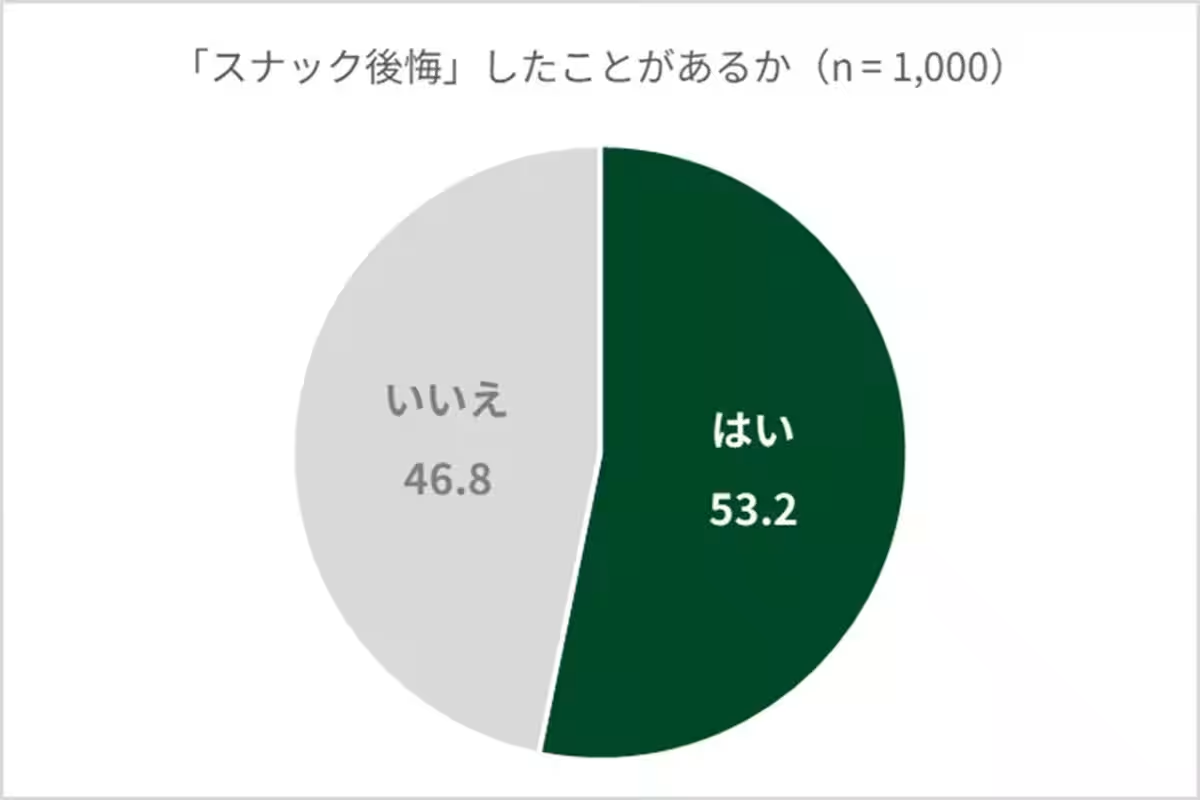
In a world where snacking has become a common pastime, recent research by ZENB JAPAN, a company based in Aichi, Japan, sheds light on the psychological complexities associated with snacking. A survey involving 1,000 individuals aged between 10 and 50 years revealed that over half (53%) of respondents experienced significant regret after indulging in snack foods. Notably, this phenomenon is more pronounced among women, with rates exceeding 60%, particularly in the 30-40 age demographic.
The Snack Regret Phenomenon
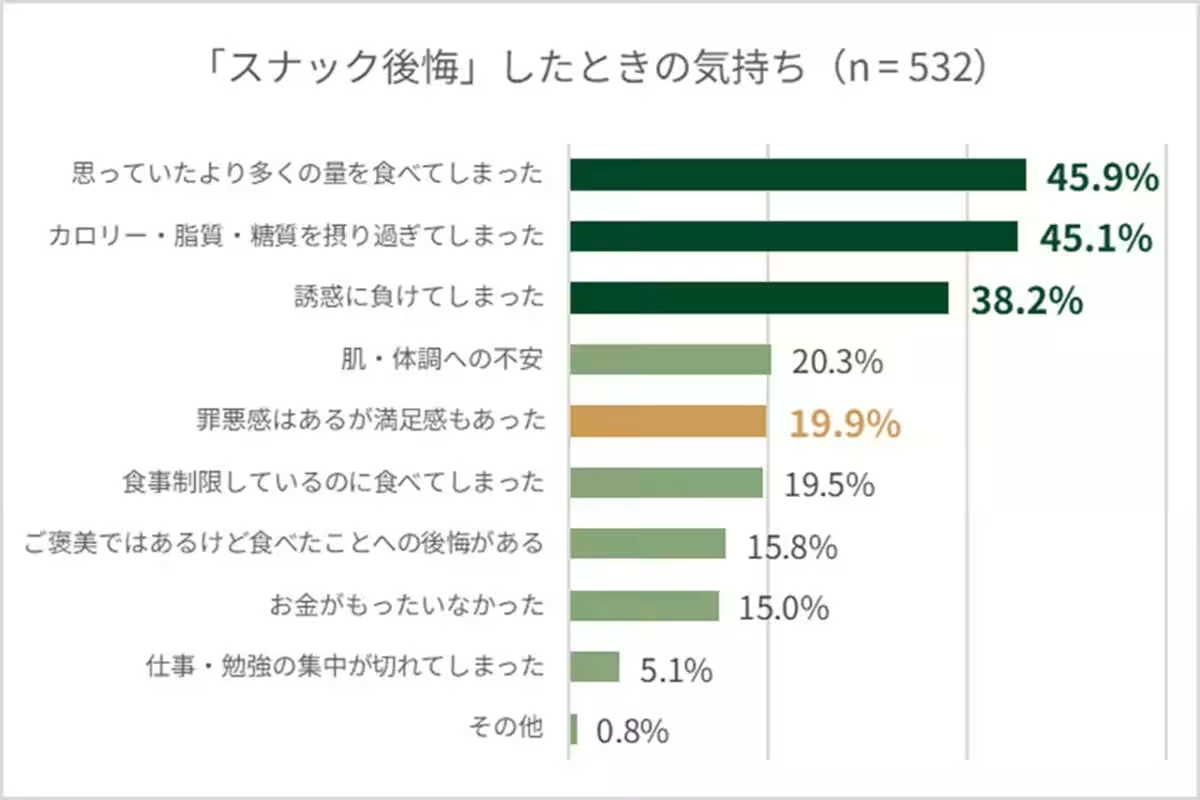
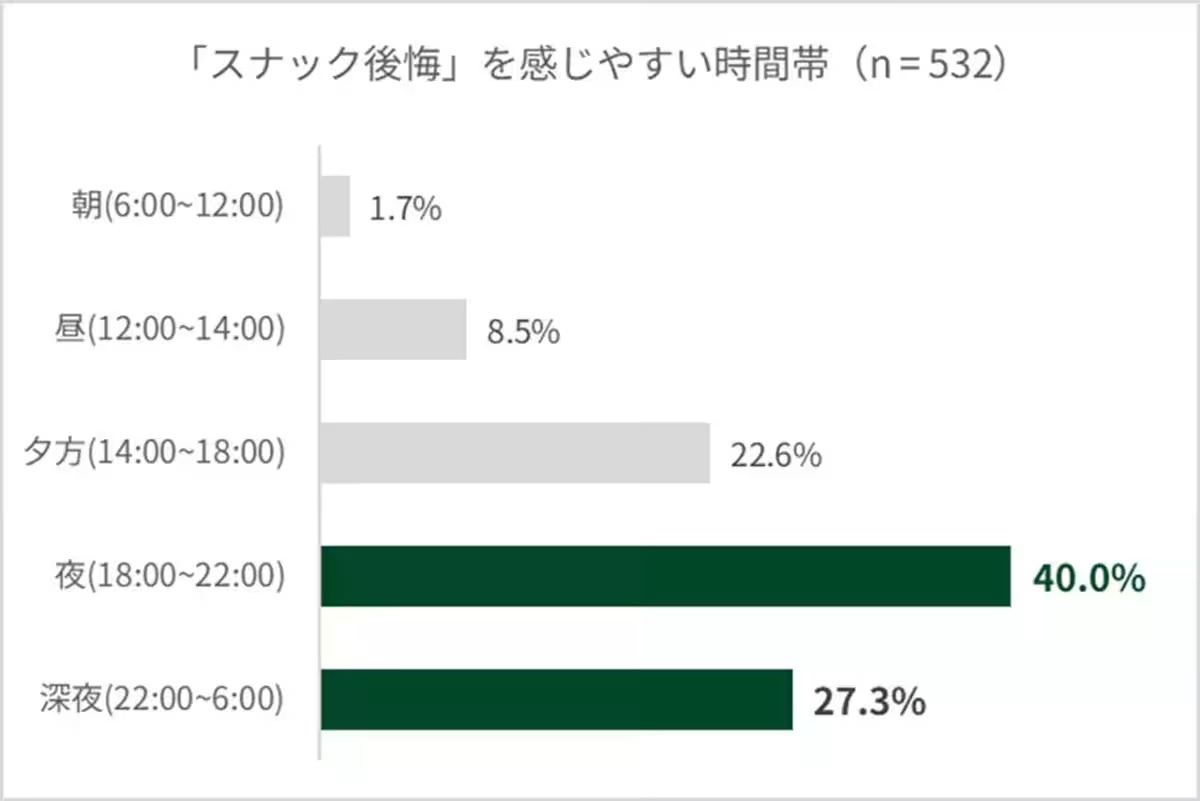
The survey results indicate a peak period for 'snack regret' occurring during the late-night hours, specifically between 6 PM and 6 AM. The most commonly reported reasons for this regret included consuming larger quantities than intended (45.9%), excessive intake of calories and fats (45.1%), succumbing to temptation (38.2%), and concerns about skin or health (20.3%). Interestingly, nearly 20% expressed feeling guilty yet satisfied, illustrating the ongoing conflict between craving deliciousness and maintaining health consciousness.
Analysis of Snack Choices
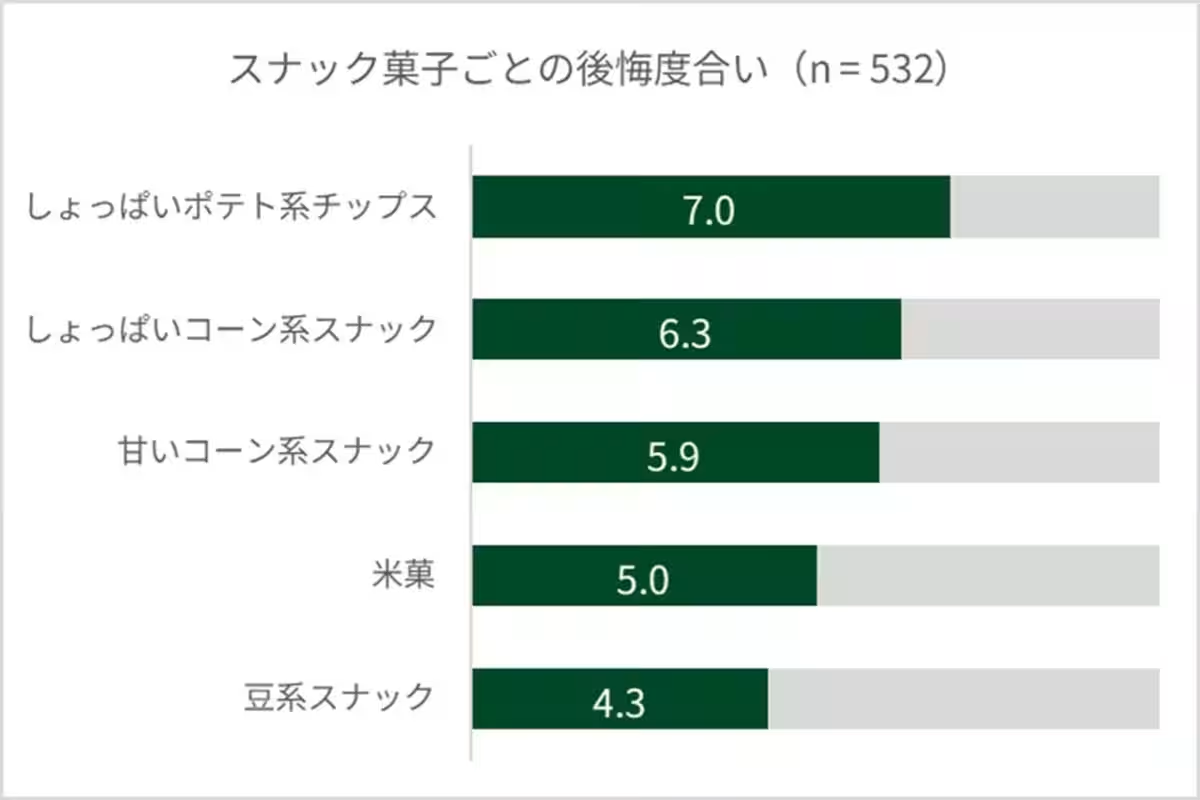
When evaluating the level of regret associated with various snack choices, salty potato chips topped the list with a regret score of 7.0 on a scale of 10. In contrast, rice snacks and legumes fared better with lower regret averages of 5.1 and 4.7, respectively. This suggests that the type of snack consumed plays a significant role in the emotional aftermath of indulgence. The craving for salty snacks often clashes with a desire for a healthier lifestyle, leading to dissatisfaction after consumption.
Nighttime Temptations
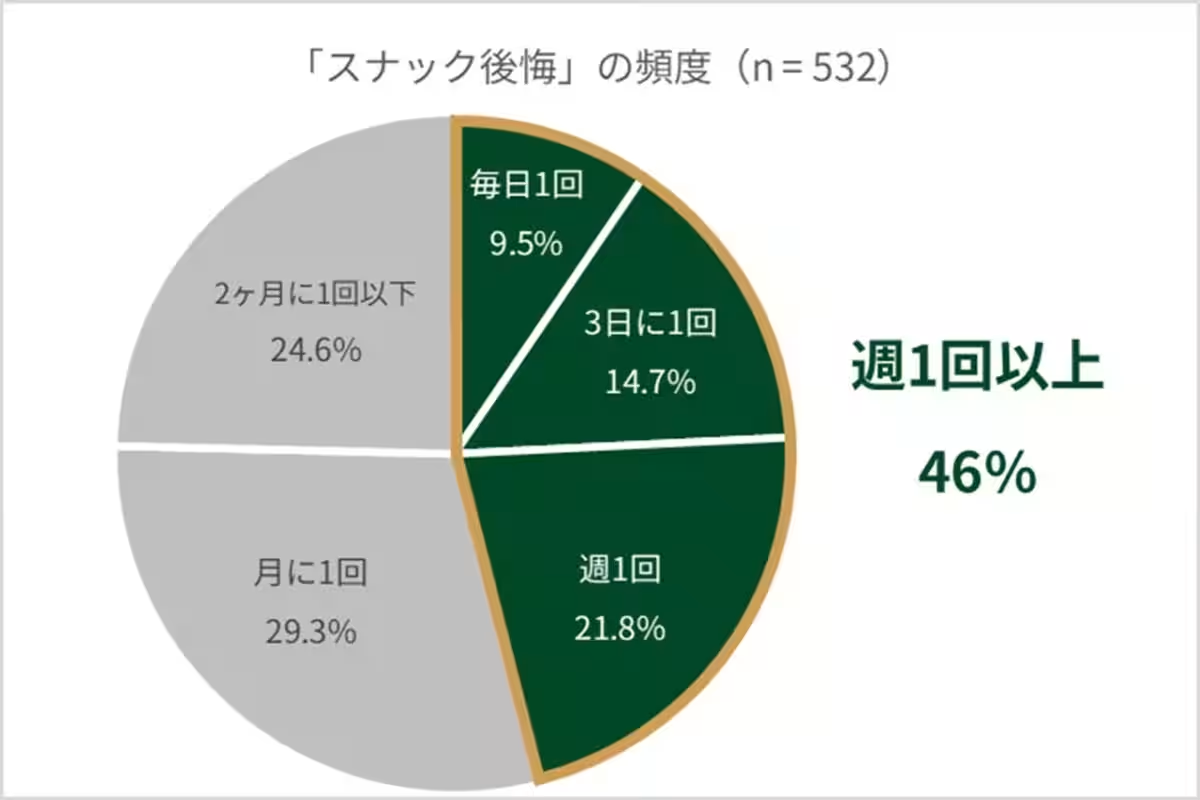
It seems that snack regret has solidified into people’s lives, with approximately 46% of participants admitting to encountering this feeling at least once a week. This routine aligns closely with evenings, where individuals often give in to their cravings in a moment of relaxation following the demands of the day. The survey captures a routine brimming with guilt as individuals struggle to control their late-night munching habits, resulting in repeated regrets.
How People Cope with Snack Regret
Respondents shared various strategies to mitigate their snack-related guilt. Popular approaches included compensating with healthier food choices during their next meal, burning off the extra calories through exercise, or adopting a carefree attitude towards their snacking habits. Some even suggested selecting individually packaged snacks to limit portion sizes, highlighting an conscious effort to control their unhealthy impulses.
Introducing ZENB HAPPEA
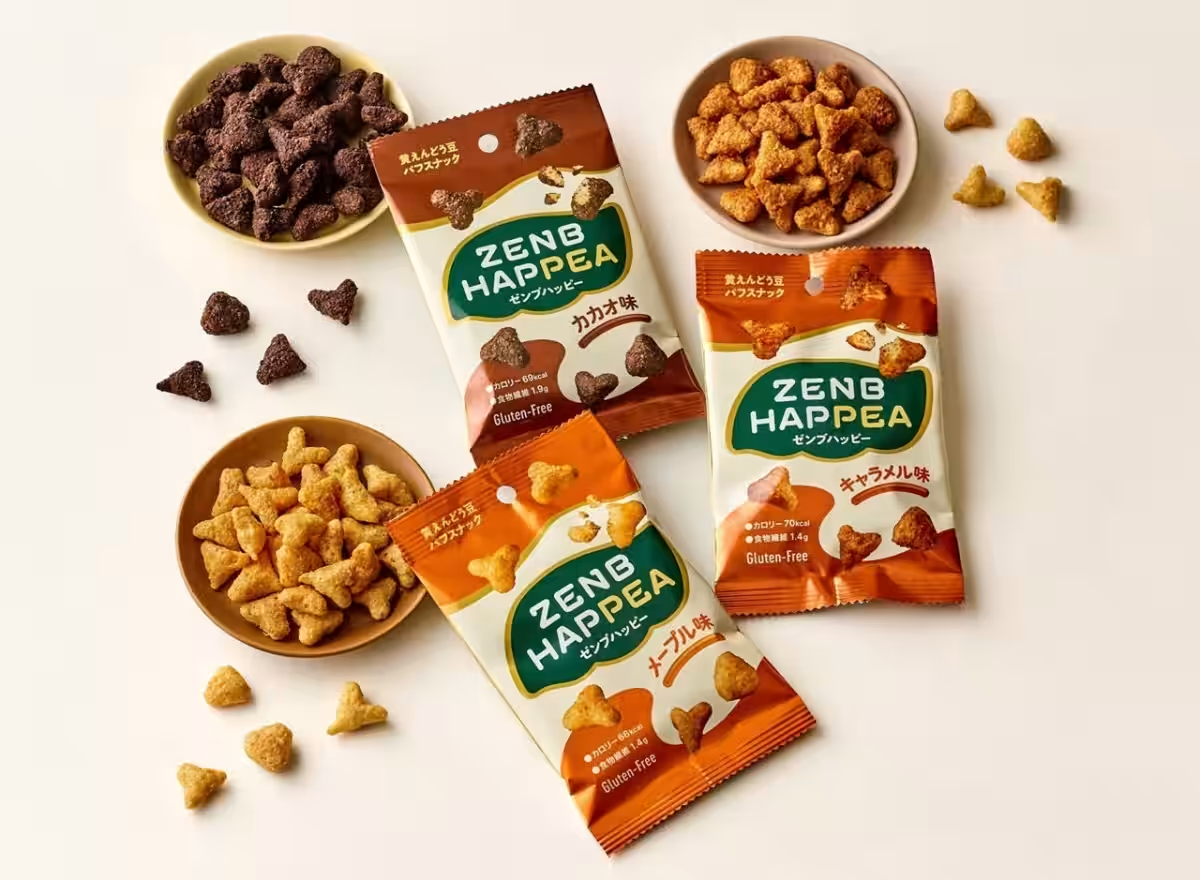
In light of these insights, ZENB JAPAN has introduced their new product, ZENB HAPPEA, a healthy snack that aims to eliminate guilt while providing a satisfying crunch. Made from yellow split peas and free from gluten, sugar, dairy, and eggs, these snacks serve as a nutritious alternative. With fewer than 70 calories per bag and reduced fat content by 45% compared to regular snacks, ZENB HAPPEA offers not only taste but also dietary benefits, including fiber, iron, and protein.
This new snack line recognizes the balance that modern consumers seek, satisfying cravings without compromising their health goals. Available in flavors such as cacao, maple, and caramel, ZENB HAPPEA is designed to complement snacking occasions—be it a moment of relaxation at home or a quick treat for children.
Conclusion
The survey conducted by ZENB JAPAN reflects broader themes in contemporary eating habits, where the joy of indulgence often collides with the consciousness of health. As people continue to indulge in snacks, the ease of accessibility, especially during night hours, magnifies the potential for guilt. Yet, with innovative products like ZENB HAPPEA, there is hope for a healthier relationship with snacking—one where satisfaction and wellness can coexist without regret.
Topics Consumer Products & Retail)
【About Using Articles】
You can freely use the title and article content by linking to the page where the article is posted.
※ Images cannot be used.
【About Links】
Links are free to use.