



Expectations Rise for Digital Shift in Municipal Subsidies: Survey of Generational Needs
Rising Expectations for Digital Transformation in Municipal Subsidies
Introduction
In a recent survey conducted by DIGITALIO, a subsidiary of CARTA HOLDINGS, insights into the digital transformation (DX) processes in municipalities were revealed. The survey aimed to uncover how residents across different age groups perceive the digital shift, particularly concerning subsidies and aid. With a sample size of 720 individuals aged between 20 and 70, the findings shed light on real resident needs in receiving governmental subsidies and the potential for a robust digital transition.
Background of the Survey
As various municipalities in Japan push for the DX of subsidy and aid schemes, the primary goal is not just the efficiency of operations but also the enhancement of resident services. With rising costs and increased support for families, the demand for fast and convenient subsidy systems has escalated. Still, concerns remain regarding whether these systems genuinely meet residents' needs and ensure that older adults are not left behind in the digital process.
Survey Findings
Major Pain Points in Administrative Procedures
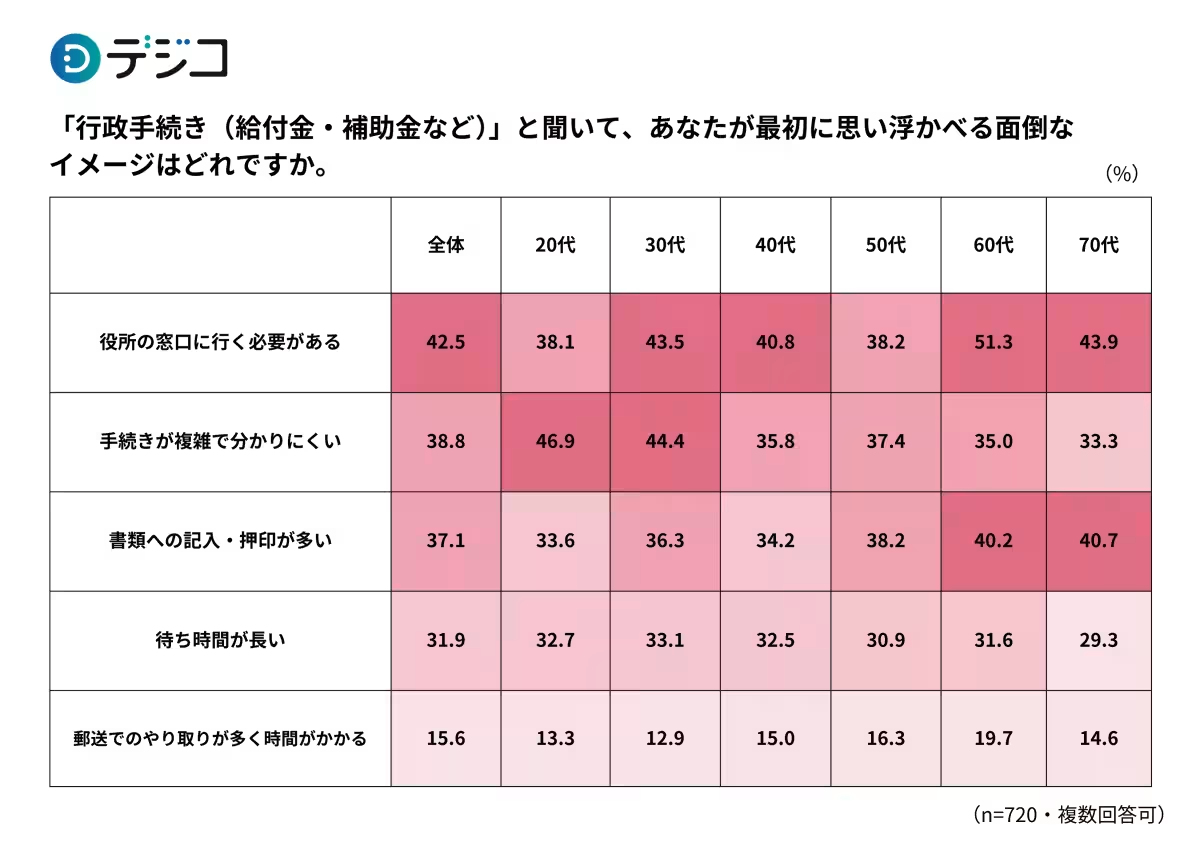
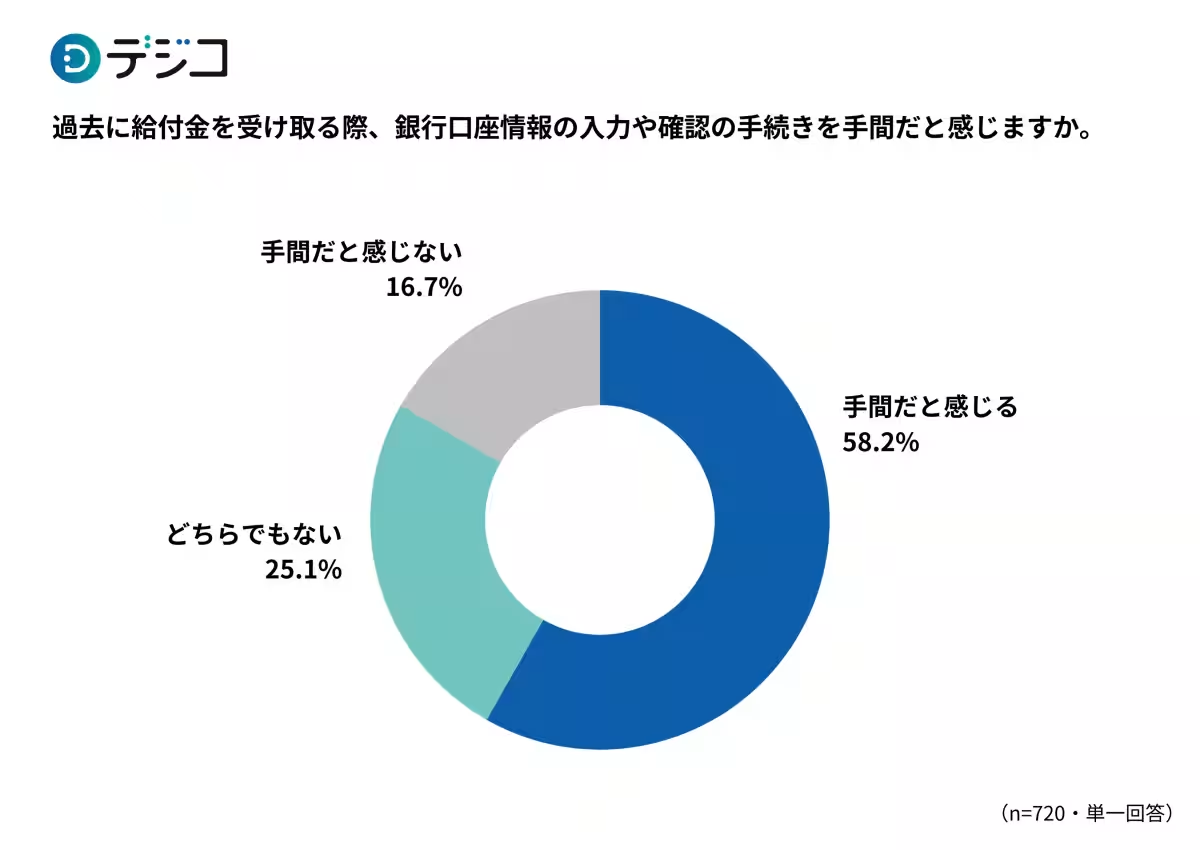
According to the survey, the leading complaint (42.5%) regarding administrative procedures was the necessity to visit government offices in person. This feeling was even more pronounced among older individuals, highlighting a significant barrier for seniors. Additionally, around 60% of respondents reported finding it cumbersome to input or verify their bank account information when receiving subsidies, signaling a need for less complicated digital solutions.
Frustrations with Subsidy Processes
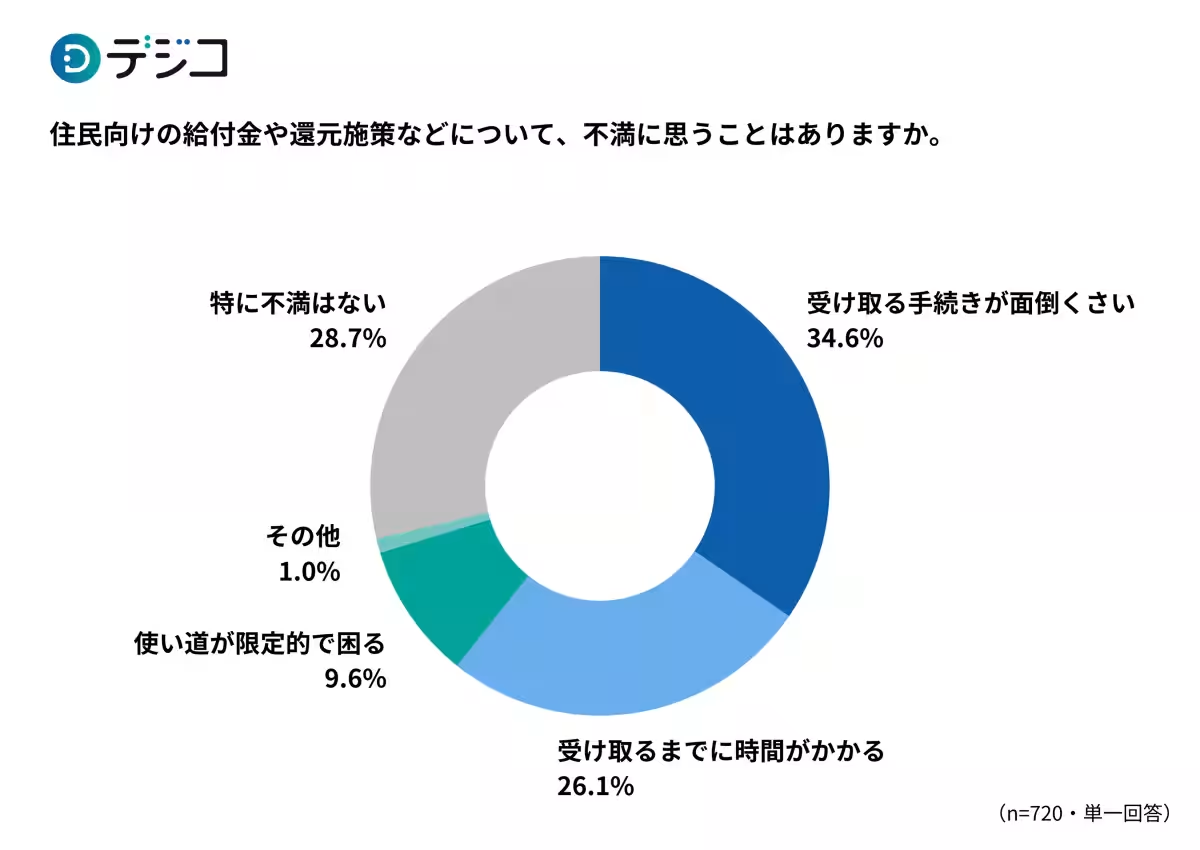
When asked about frustrations with subsidy procedures, 34.6% of respondents mentioned that the process was too cumbersome, while 26.1% felt that the time taken to receive benefits was excessive. This indicates a strong desire for both convenience and speed in the disbursement of subsidies.
Prioritizing Speed and Convenience
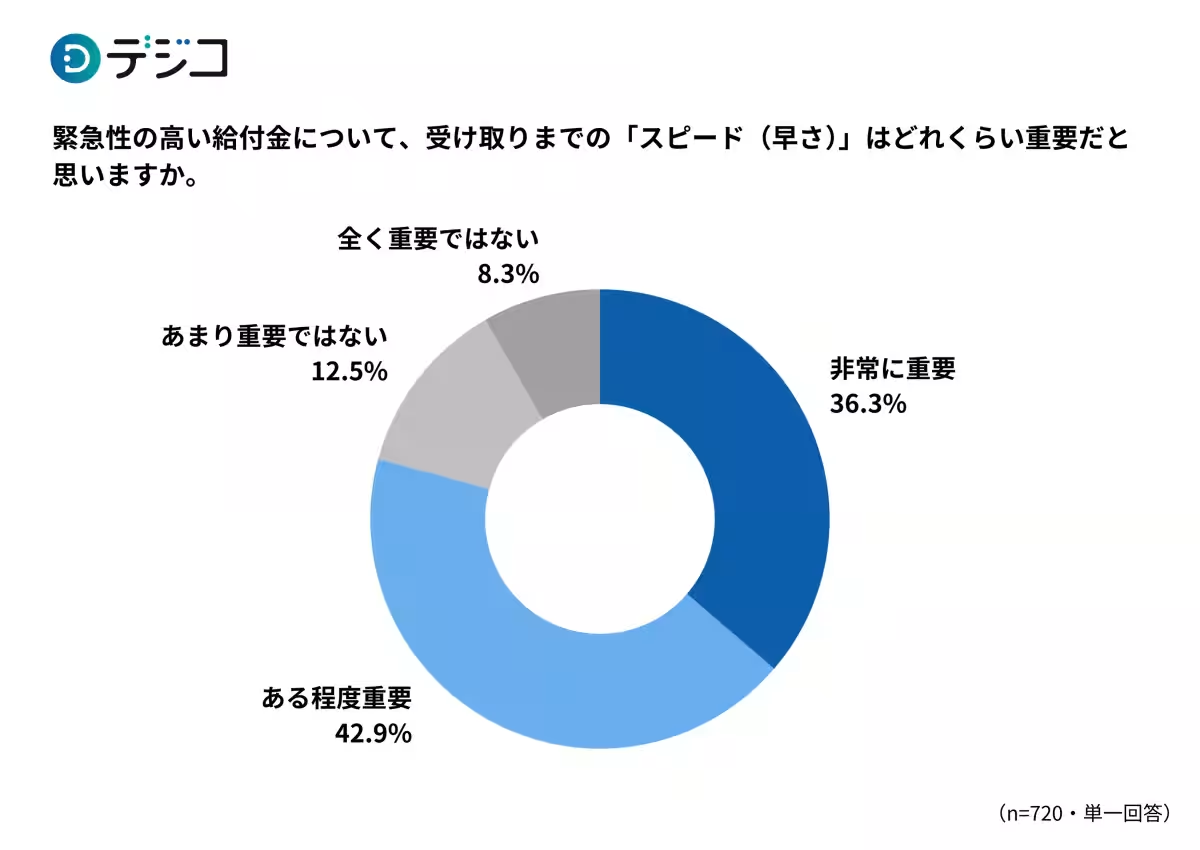
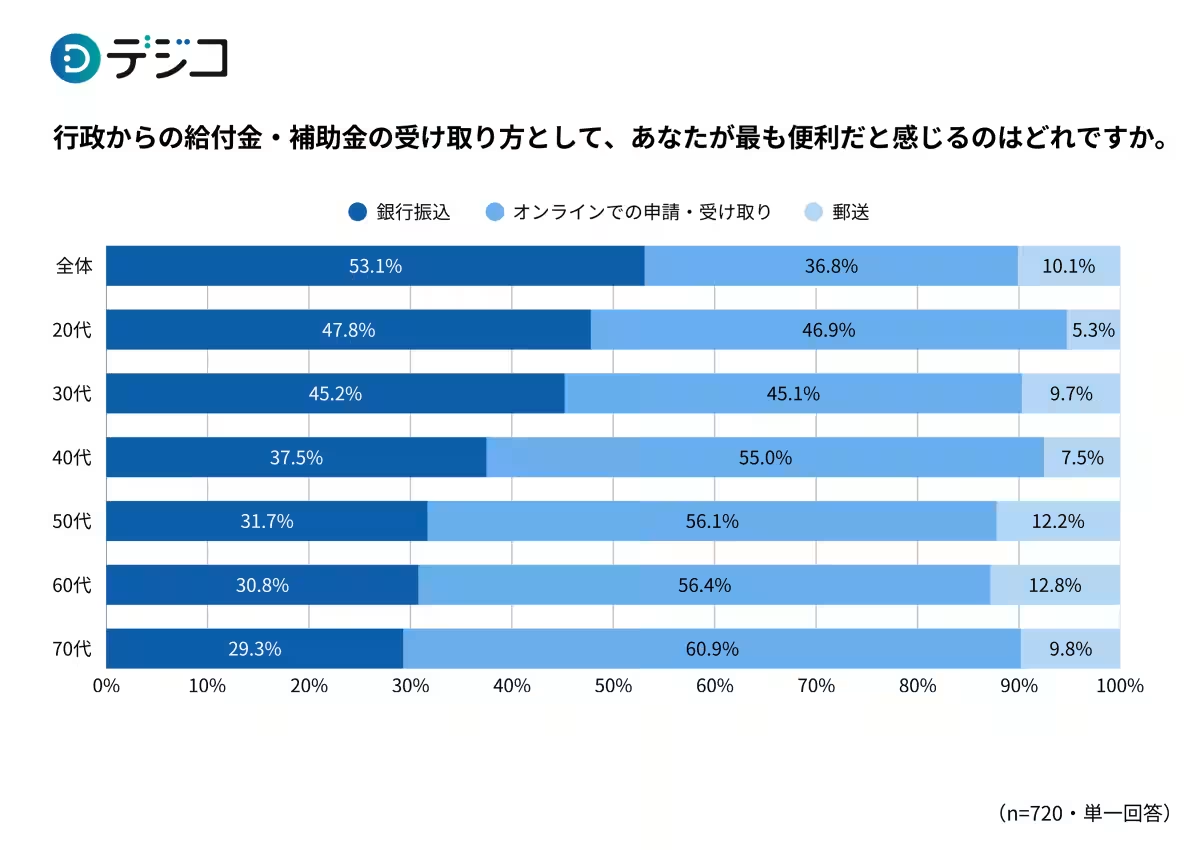
The survey overwhelmingly showed that approximately 79.2% of respondents considered the speed of receiving emergency subsidies vital. Moreover, when asked about the preferred methods for receiving financial aid, more than half favored bank transfers (53.1%), closely followed by online applications (36.8%). Younger individuals (in their 20s and 30s) displayed a significant tendency to favor online processes, emphasizing the shift towards digital solutions.
Readiness for Digital Solutions
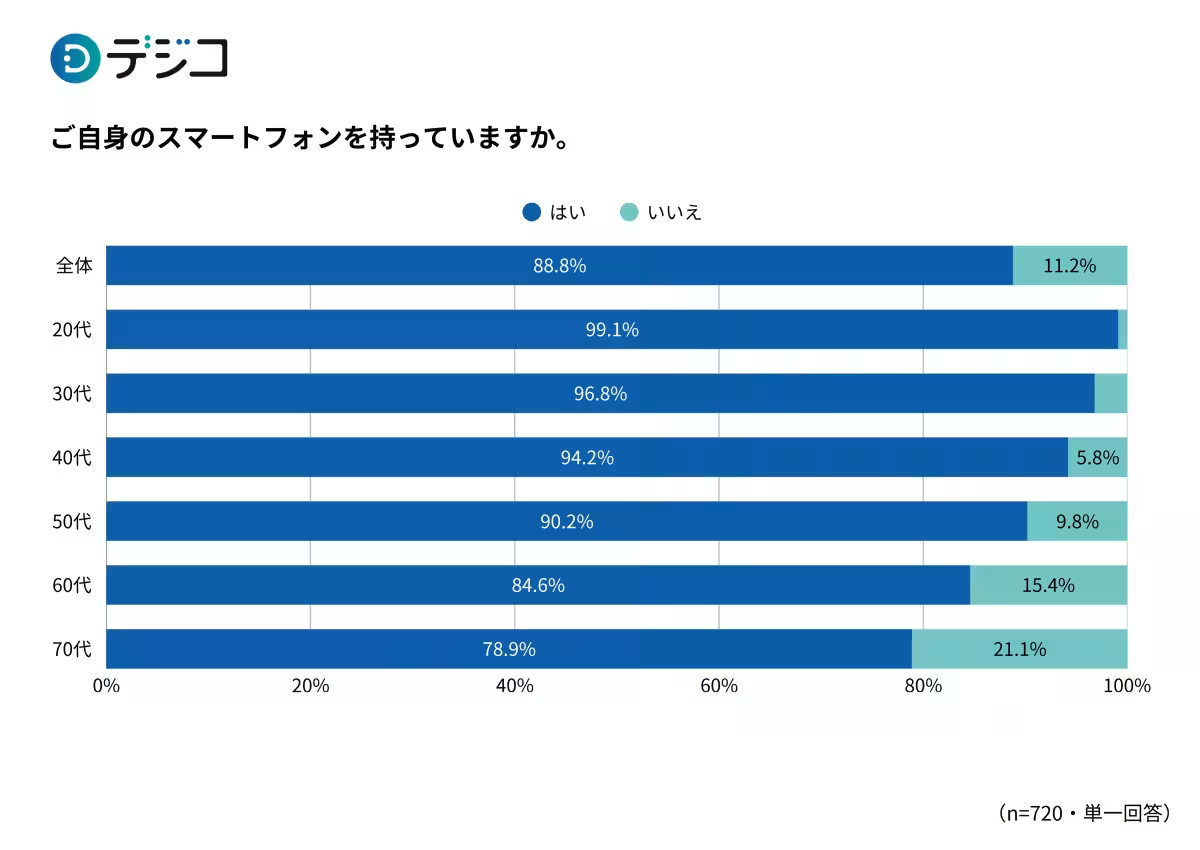
The overall smartphone ownership rate among respondents stood at 88.8%, illustrating that digital tools for receiving subsidies are widely accessible, including among those aged 70 and above. This counters the traditional notion that older adults are less tech-savvy, thus opening new avenues for digital engagement in public services.
Generation-Specific Concerns with Digital Aid
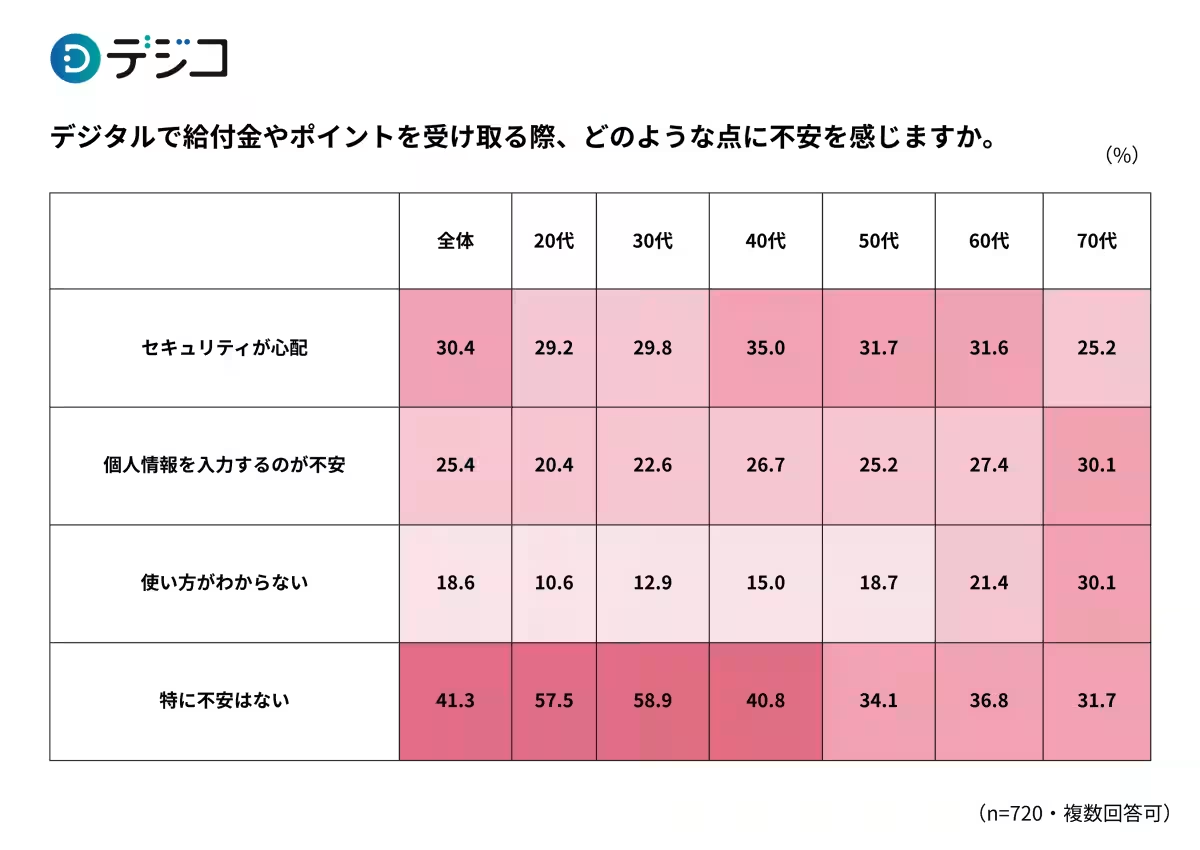
While 41.3% of the entire group expressed that they had no significant concerns regarding receiving digital subsidies, younger individuals reported even less anxiety, with nearly 60% feeling comfortable with digital options. In contrast, approximately 30% of the respondents aged 70 and above expressed worries about understanding how to use these platforms and fears over entering personal data.
Support Needs Highlighted
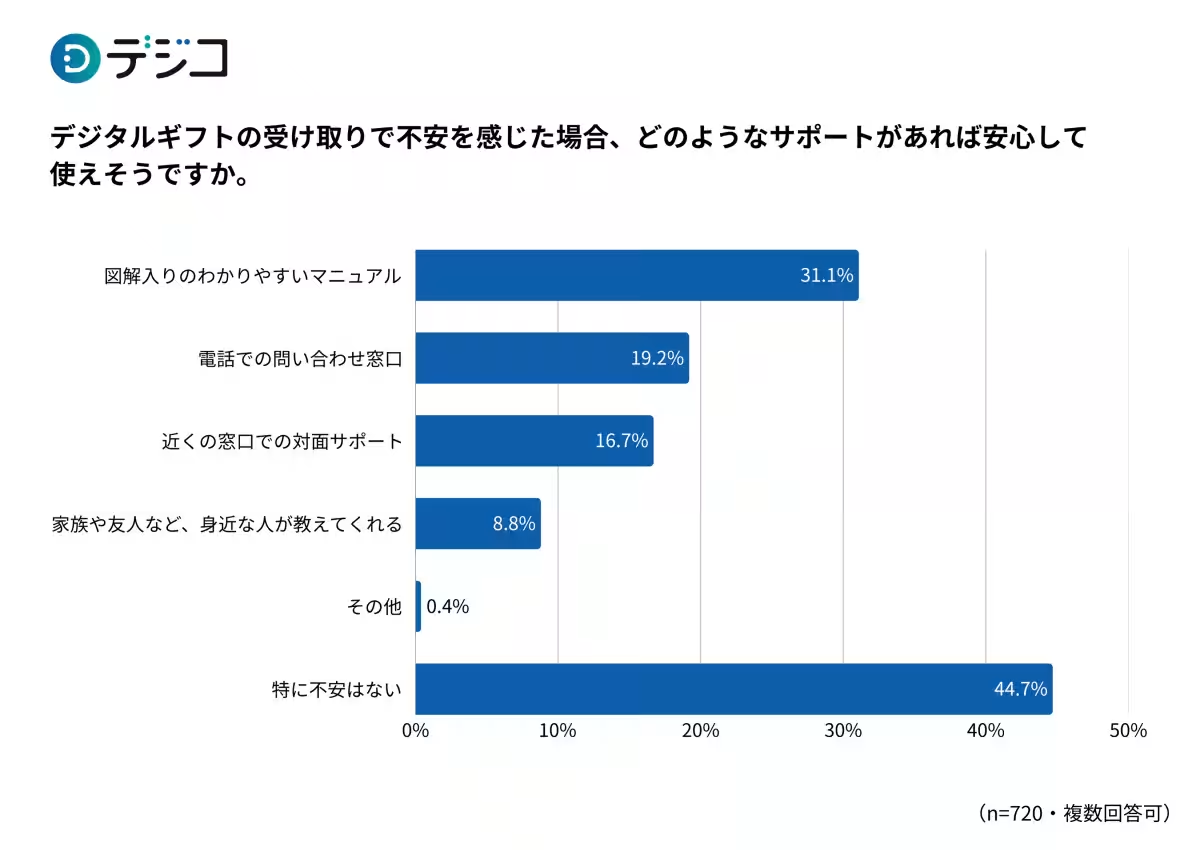
Support needs for digital subsidies included requests for clear, illustrated manuals (31.1%) and telephone support lines (19.2%). This reflects a strong preference for a hybrid support system that can assist residents in bridging the gap between traditional and digital procedures.
Conclusion
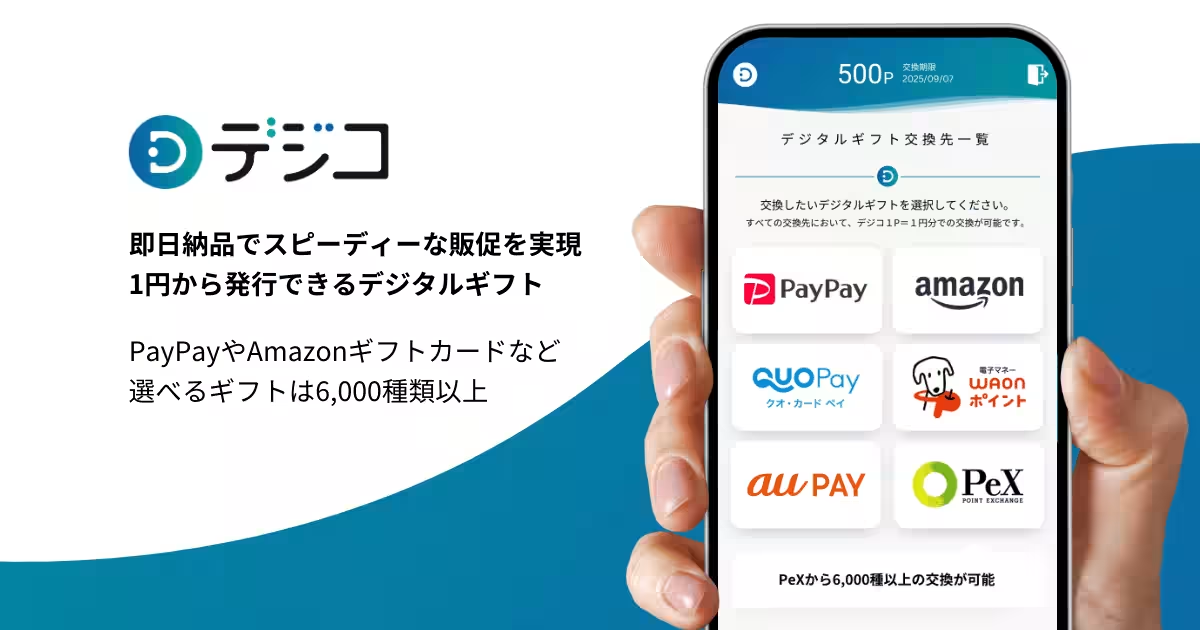
The survey demonstrated that residents, particularly seniors, seek a more streamlined approach to receiving subsidies—quicker processes and reduced physical requirements are paramount. Simultaneously, the high smartphone usage rates among all age groups suggest that the infrastructure for digital disbursement is already in place. Solutions such as DIGITALIO's digital gift service can address these pain points by offering subsidies without requiring bank details, enhancing both residents' experience and administrative efficiency. For successful implementation, a combination of traditional support mechanisms with modern digital tools is essential, ensuring that all residents can benefit from these advancements.
Methodology
The survey utilized a web-based questionnaire aimed at males and females aged 20 to 70. Conducted on October 15, 2025, it yielded 720 valid responses, forming a comprehensive view of perspectives towards municipal digital transformation.
About DIGITALIO
DIGITALIO offers various digital services geared towards societal improvement, specializing in media, retail DX, and healthcare. The company is committed to addressing societal challenges through innovative products while fostering inclusive access for all generations.
Topics Consumer Products & Retail)
【About Using Articles】
You can freely use the title and article content by linking to the page where the article is posted.
※ Images cannot be used.
【About Links】
Links are free to use.