



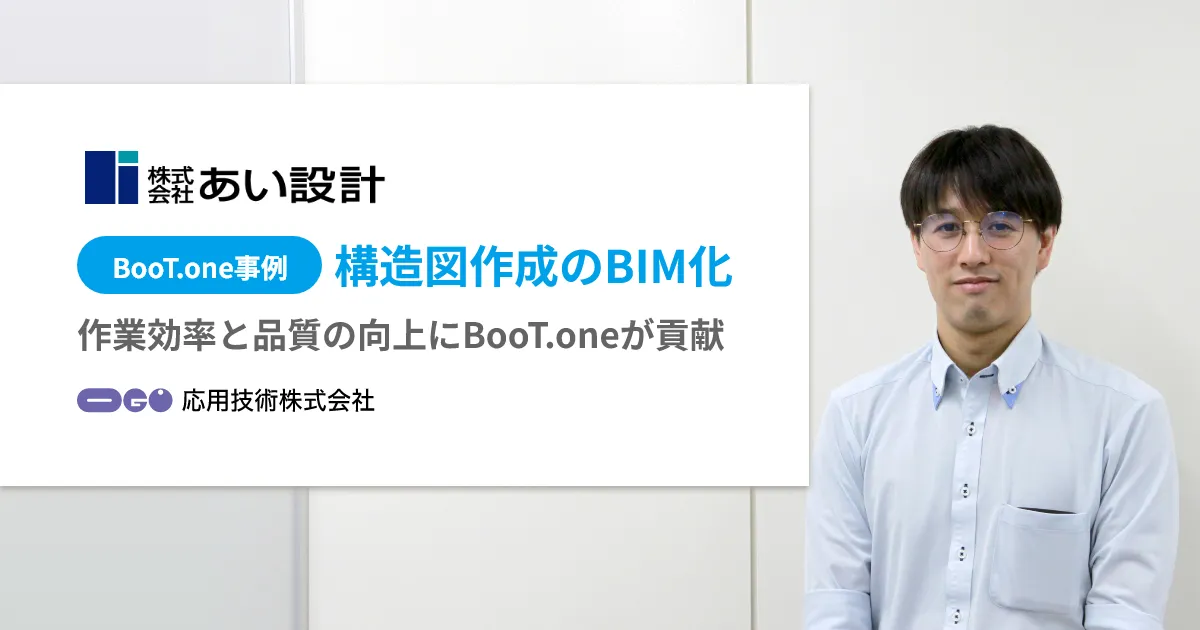
Enhancing Structural Design with BIM: A Case Study by Ai Design and Aoyama Technology
Revolutionizing Structural Design with BIM
In the ever-evolving landscape of architectural design, Building Information Modeling (BIM) has emerged as a game-changer, driving efficiency and accuracy in construction practices. A recent case study by Aoyama Technology sheds light on how Ai Design, a comprehensive design firm with a strong background in structural engineering, achieved remarkable success in integrating BIM technology into their workflow, particularly in their Kanazawa branch.
The Challenge: Streamlining Complex Tasks
Ai Design specializes in large-scale projects that often involve repetitive tasks and a high risk of human error. The challenge was to find a solution that could streamline the process of creating structural drawings while maximizing design quality. To address these issues, Ai Design adopted BooT.one, an add-in tool designed to enhance Autodesk Revit’s efficiency.
Achieving 100% BIM Integration
The case study illustrates the process undertaken by Ai Design’s Kanazawa branch to realize a complete BIM integration for their structural drawings. The primary focus was on enhancing productivity and elevating the quality of their design output. One standout feature of BooT.one was its ability to place horizontal braces—1,500 in total—at the click of a button. This task, which previously took over an hour to complete manually for a large roof area of approximately 10,000 square meters, was executed in mere seconds, achieving substantial labor savings.
Quality Improvement through Information Synchronization
Another crucial aspect highlighted in the case study is the linkage between the structural calculation model and the BIM model. By synchronizing these two sources of information, Ai Design was able to eliminate common pitfalls such as overlooked modifications and reworks, which could occur during the communication with CAD operators. The time saved from these redundancies was redirected towards validating and refining design quality, thereby elevating overall project standards.
Implementing User-Centric Features
To further enhance usability, BooT.one incorporates a 'Request Board' feature, where users can submit suggestions for improvements directly. Feedback from Ai Design was instrumental in implementing new functions that addressed their specific needs, showcasing a strong commitment to user-driven development. This approach not only cultivates a collaborative atmosphere but also ensures that the tool evolves in accordance with the demands of its users.
Enhancing Communication through a Common Language
One of the notable achievements of utilizing BIM within Ai Design was the establishment of a common language among all stakeholders involved in the project. The BIM model served as a bridge connecting architects, equipment engineers, and construction contractors, facilitating smoother communication and reducing instances of interference and miscommunication.
Conclusion: BooT.one’s Impact on Ai Design
The case study demonstrates that BooT.one significantly contributed to Ai Design’s shift towards a fully integrated BIM approach for structural drawings. By fostering higher efficiency and improved quality, BooT.one is revolutionizing the way structural designs are conceived and executed.
About Aoyama Technology
Founded in 1984 and headquartered in Osaka, Aoyama Technology is dedicated to providing solutions that leverage manufacturing support, BIM/CIM, and GIS technologies. The company has grown into an innovation powerhouse, assisting clients in transforming their challenges into valuable solutions. With a focus on BIM, Aoyama Technology develops and sells the BIM software BooT.one, offering comprehensive support from implementation to utilization through consulting, training, and system development, solidifying its position in the market as a leader in BIM technology deployment.
Topics Consumer Technology)
【About Using Articles】
You can freely use the title and article content by linking to the page where the article is posted.
※ Images cannot be used.
【About Links】
Links are free to use.