



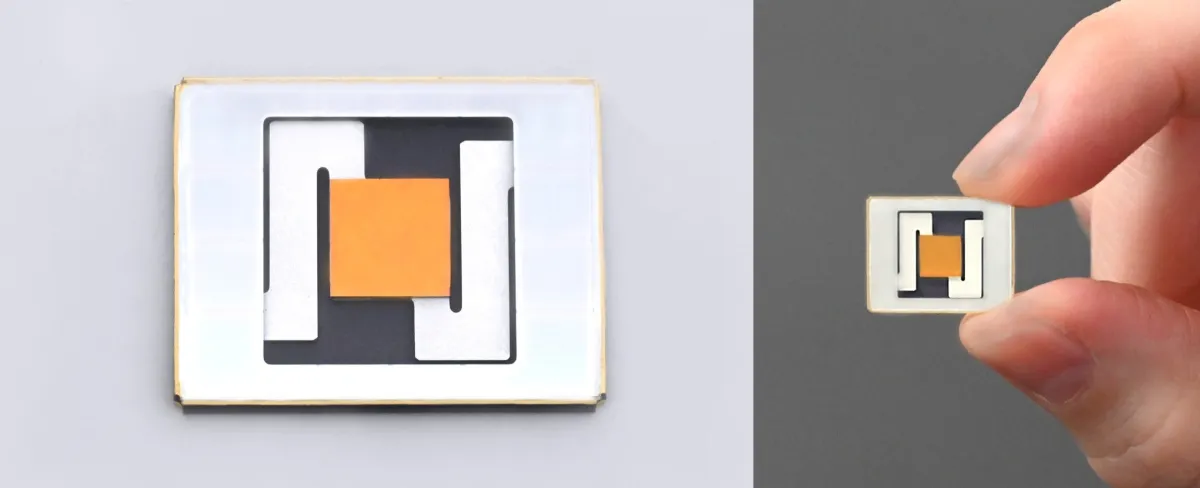
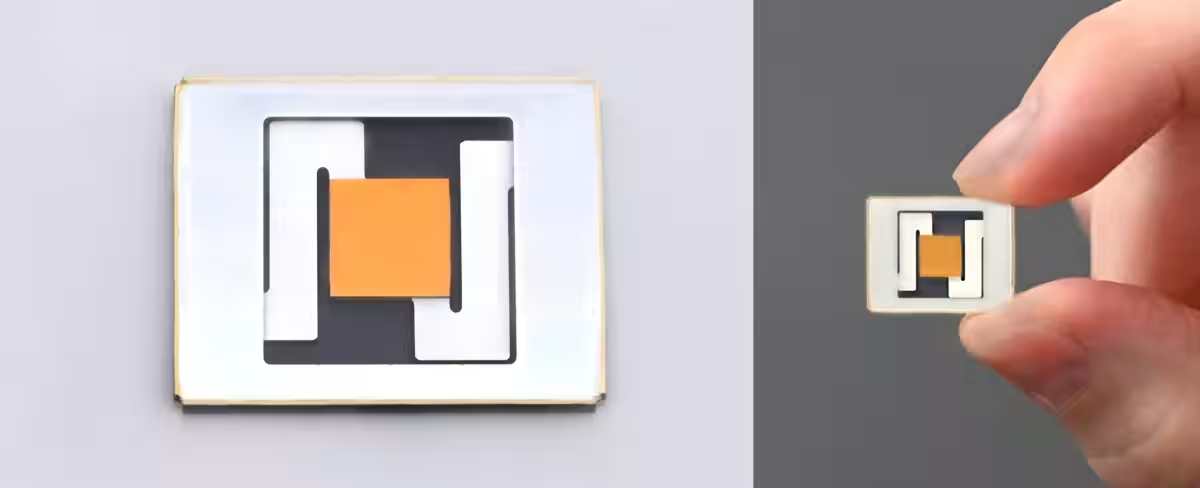
Revolutionary Next-Gen Infrared Light Source Development Achieved by Tamron
Tamron Unveils Revolutionary Infrared Light Source
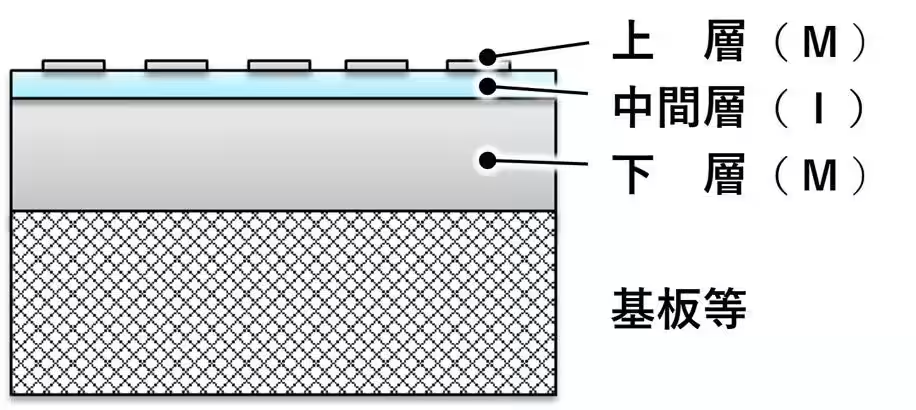
The optical equipment leader, Tamron Co., has announced a groundbreaking advancement in the development of a chip-based near-infrared light source utilizing MIM (Metal-Insulator-Metal) structure. In collaboration with Professor Junichi Takahara from Osaka University, Tamron claims this to be the world's first successful practical implementation of a heat-resistant chip-type near-infrared light source, set to revolutionize numerous industries.
The Technology Behind the Innovation
Tamron's innovative MIM structure allows for the efficient emission of essential wavelengths without unnecessary energy loss tied to traditional light sources, which often emit superfluous wavelengths leading to power wastage and unwanted heating. Traditionally, infrared analyzers were bulky and difficult to move, making them less suited for modern applications. However, this new light source, which is both compact and lightweight, is a significant departure from conventional designs.
One of the primary challenges in developing this technology was achieving high radiation intensity while preventing thermal degradation. Tamron's solution lies in leveraging years of experience in thermal processing and management from their glass-molded lens production. This innovative approach successfully mitigates thermal effects, enabling the creation of a next-gen light source with unprecedented resilience to high temperatures.
Applications Across Multiple Industries
Near-infrared light is becoming increasingly important in various fields such as healthcare, agriculture, and infrastructure inspection due to its non-destructive analysis capabilities. The new chip light source can be integrated into portable non-destructive testing equipment, enhancing its accessibility for real-time measurements. Applications include measuring skin conditions and blood flow in the beauty and healthcare sectors, as well as determining levels of water, sugar, and fat in food, and monitoring structural degradation in buildings and other infrastructures.
Tamron aims to support a wide range of analytical needs across diverse industries, promoting a significant step forward in near-infrared technology.
Upcoming Forum Presentation
The details of this new technology will be presented at the Infrared Array Sensor Forum 2026 on July 3, taking place at Ritsumeikan University's Ibaraki campus in Osaka Prefecture. Attendees will have the chance to see the technology in action and discuss its implications with Tamron representatives. Furthermore, commercial samples of the light source are expected to be available from the fall of 2026, with more information to follow through future press releases.
As Tamron continues to innovate and develop integrated optical systems that incorporate advanced sensing technology along with AI and image processing, their long-term vision remains clear: "to connect and measure, fostering health between humans and nature". The company is also committed to global environmental efforts, ensuring that all their operations consider sustainability.
Performance and Specifications
- - Driving Method: DC power supply with constant current control.
- - Operation Currents and Temperatures:
- 0.65 A: 600°C
- 1.0 A: 700°C
- 1.6 A: 800°C
- - Operating Temperature Range: 400°C to 800°C
- - Device Surface Temperature: Ranges between 50°C (cooled) and 85°C (uncooled) at localized heating
- - Heat Resistance: The device can withstand up to 250°C.
- - Power Consumption: Approximately 1.5W at 500°C with an expected lifespan exceeding 1,000 hours when in continuous operation.
Conclusion
The future of near-infrared analysis is bright thanks to Tamron's revolutionary innovations. Continuing to push boundaries in optical technology, Tamron is not only set to transform industries but also play a critical role in enhancing the efficacy of non-destructive testing methods across various sectors.
Topics Consumer Technology)
【About Using Articles】
You can freely use the title and article content by linking to the page where the article is posted.
※ Images cannot be used.
【About Links】
Links are free to use.