



New Research Reveals Disconnect in Employee Evaluation and Recognition in the Workplace
Understanding the Gap in Employee Evaluation and Recognition
Recently, Recruit Management Solutions conducted a comprehensive study focusing on the relationship between workplace motivation and employee evaluation, particularly investigating the dynamics of appreciation and acknowledgment in professional settings. This analysis aims to foster improvements in retention strategies and workplace culture.
Key Findings of the Research
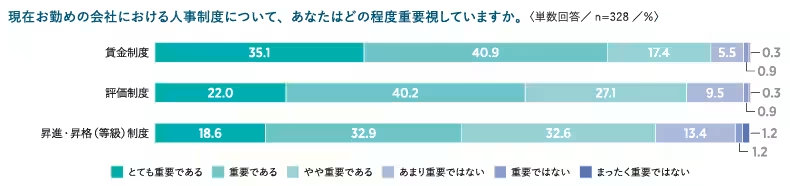
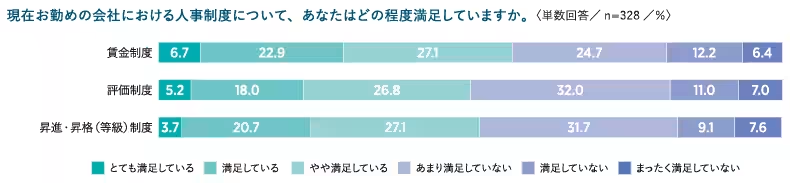
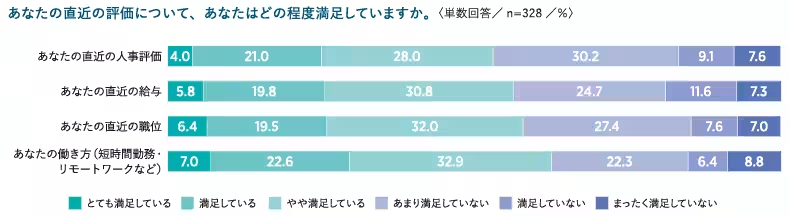
1. Expectation vs. Reality: A striking gap exists between how crucial employees consider evaluation systems and their actual satisfaction with them. More than 62% of participants view evaluation as important, but only about 23% express satisfaction with the current system, suggesting nearly a threefold discrepancy between expectation and reality.
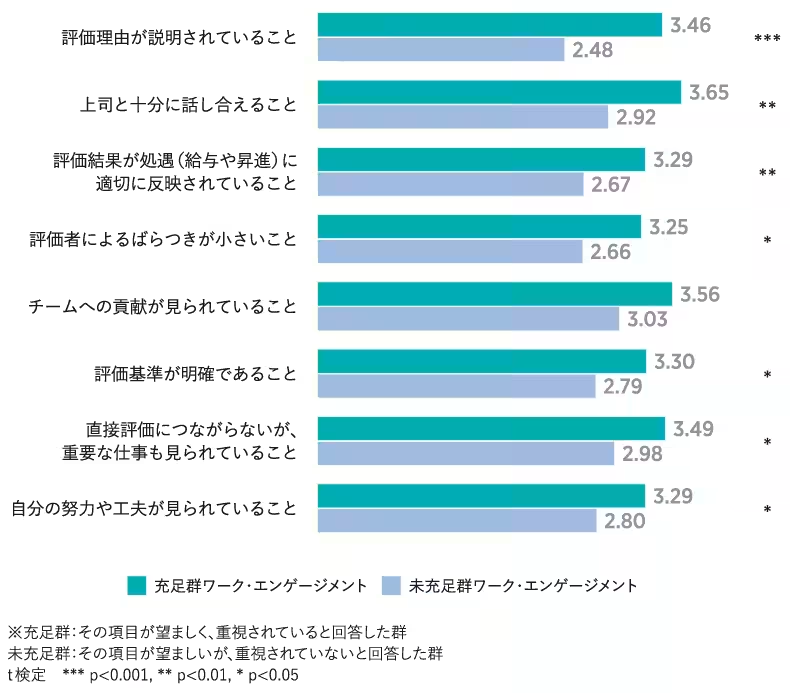
2. Impact of Clarity in Evaluations: The study revealed that employees who receive well-articulated reasons for their evaluations exhibit significantly higher levels of work engagement compared to those who do not.
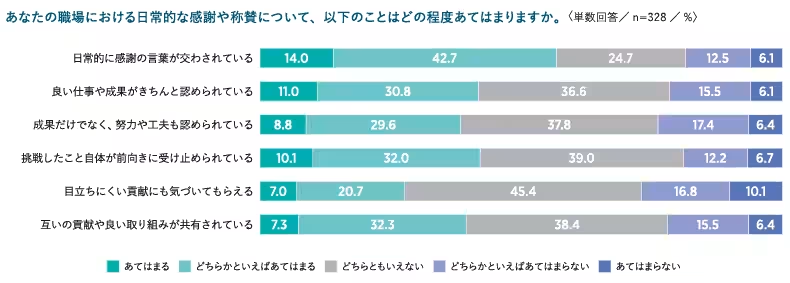
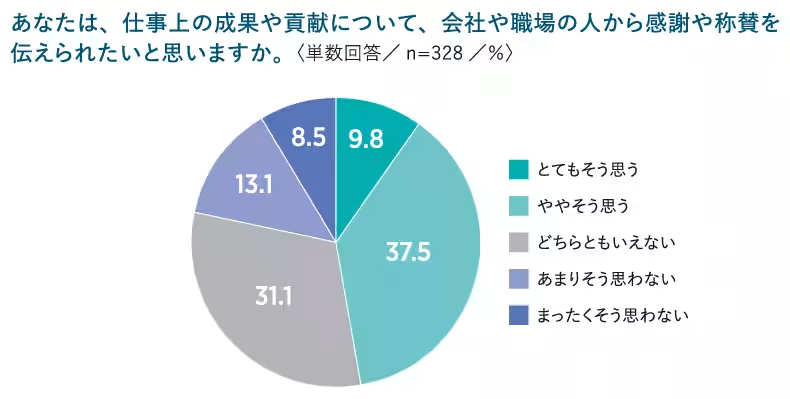
3. Recognition vs. Acknowledgment: While approximately 57% of respondents reported regular expressions of gratitude at work, only 42% felt their significant contributions were properly recognized, with less than 30% noting that subtle contributions were acknowledged.
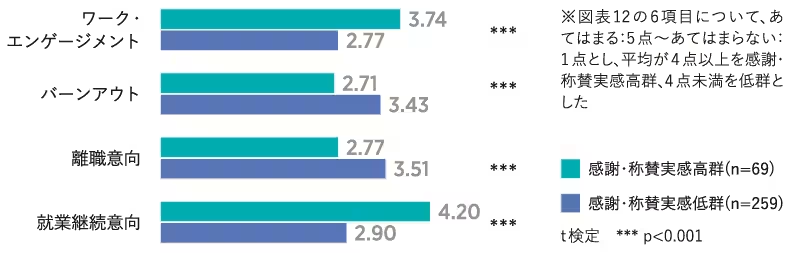
4. Correlation Between Recognition and Retention: Workplaces where employees feel appreciated show a notable increase in retention intentions—averaging 1.3 points higher in engagement scores compared to environments lacking recognition.
In summary, transforming not just the evaluation systems but also fostering a culture of appreciation is essential to enhance motivation and employee retention.
Executive Summary
The study revealed several additional insights about employee motivation linked to evaluation processes:
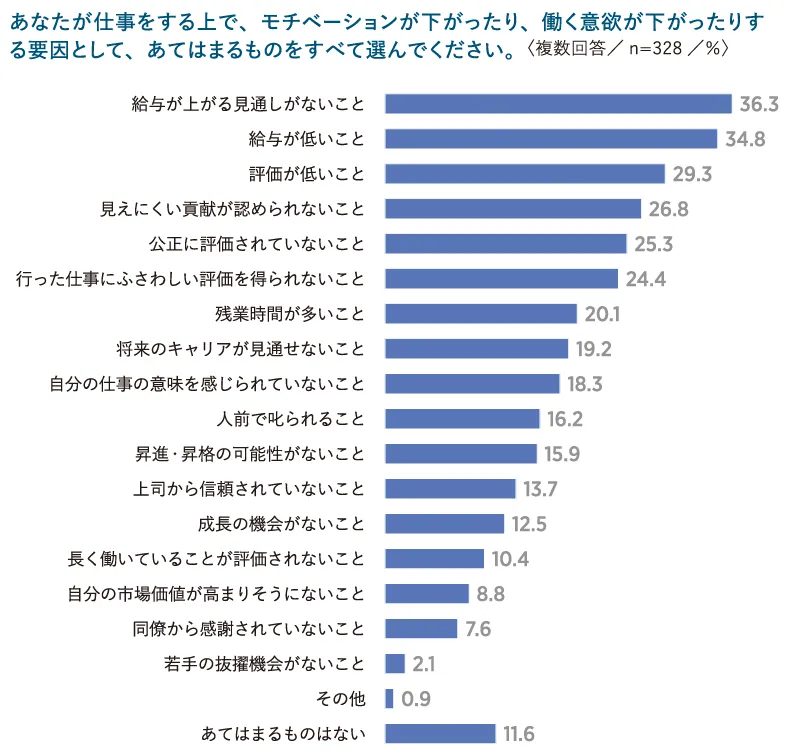
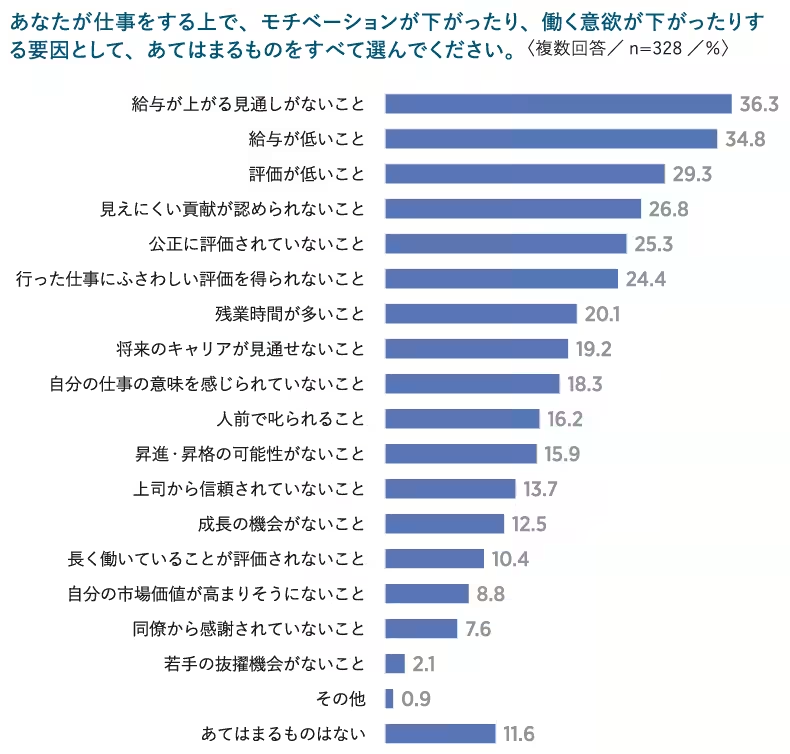
- - Approximately 30% of people mentioned that low evaluations or the lack of acknowledgment for their contributions impacts their motivation, indicating that perceptions of evaluation are critical alongside salary considerations.
- - Respondents valued various elements of the evaluation system, with over 62% deeming it important, while only 23% rated their satisfaction positively. This indicates that significant improvements are necessary in how evaluations are both communicated and executed.
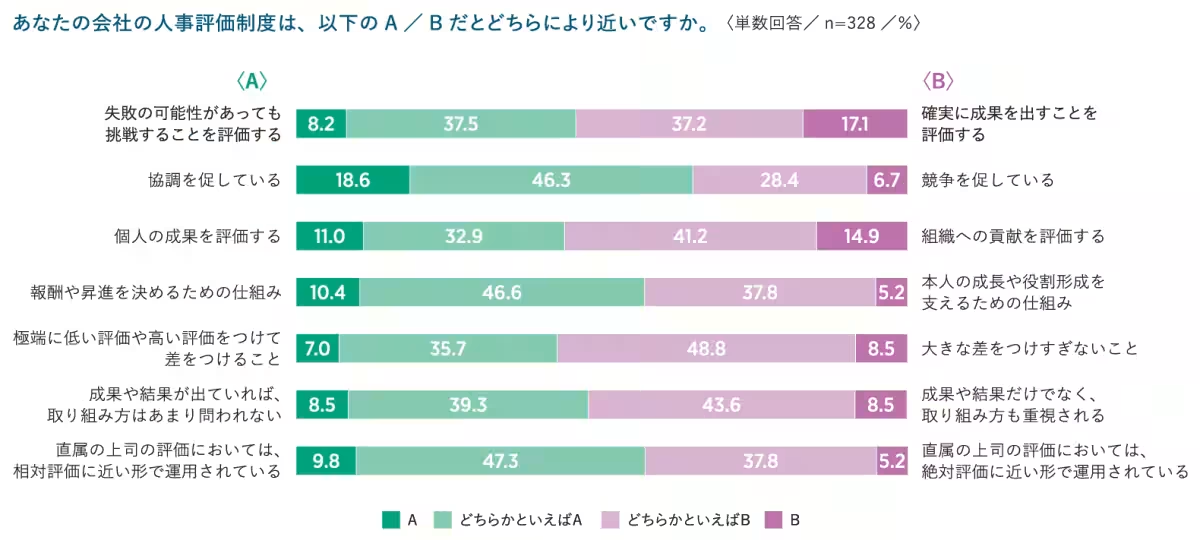
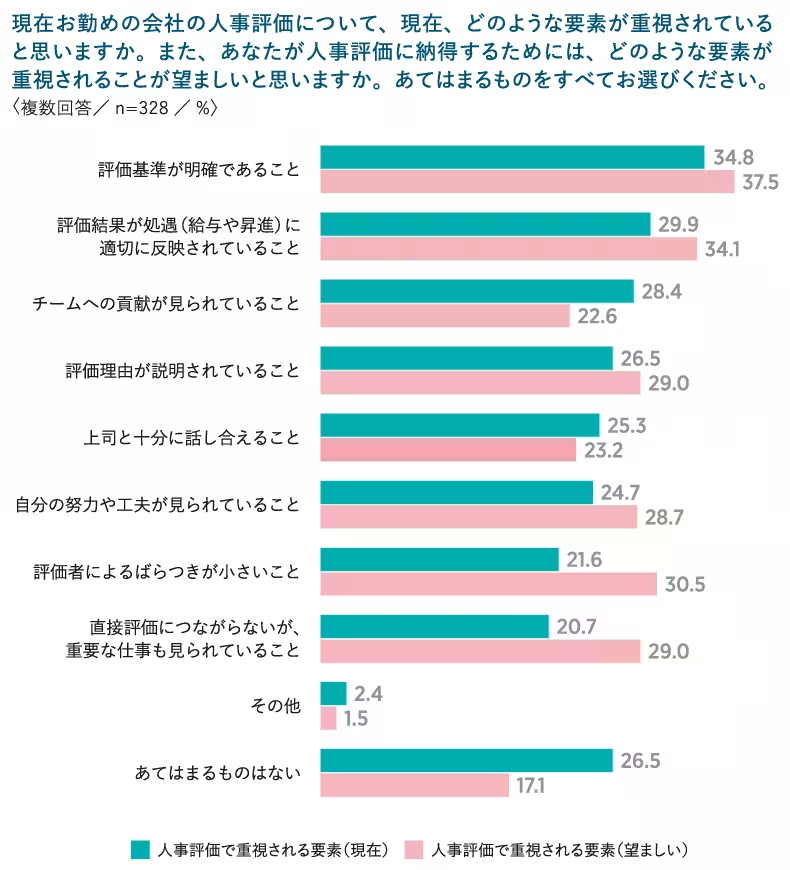
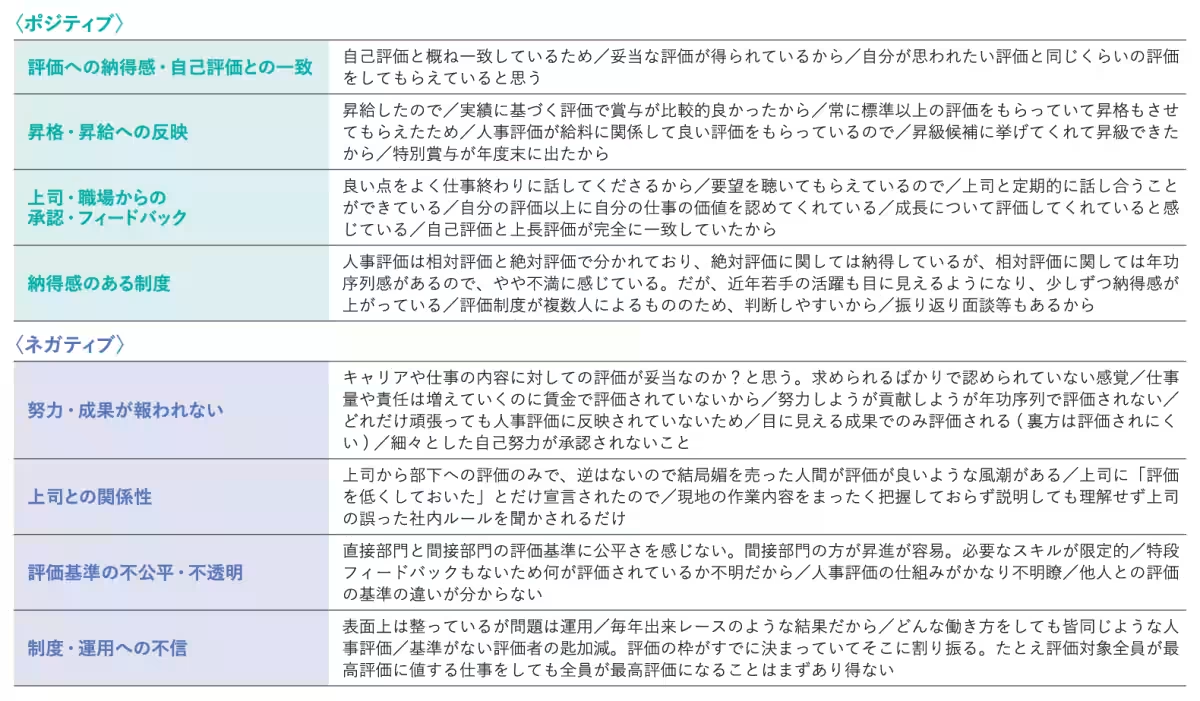
- - There is a strong desire among employees for reduced variability in evaluations and greater focus on recognizing less visible contributions, which many feel are currently overlooked.
Insights from the Research Team
Koujin Kume, Researcher at the Organizational Behavior Research Institute, Recruit Management Solutions:
In examining the relationship between motivation and evaluation systems, we also analyzed the informal acknowledgment cultures prevalent in workplaces. Each company's evaluation system varies widely, underscoring the need for human resource professionals to continuously re-evaluate their frameworks to improve employee engagement. Recognizing and adequately rewarding daily contributions is key.
Detailed Analysis
The study also unveiled additional layers of complexity in employee evaluations:
- - Low evaluations and recognition of hard-to-see contributions were cited as motivational factors by nearly 30% of respondents. This sheds light on how critical employees view acknowledgment within their roles.
- - The study noted that while many employees recognize the significance of evaluation systems (62.2% deeming them important), the satisfaction with these systems remains disappointingly low (23.2% satisfied).
Impact of Clear Evaluation Criteria
In the context of evaluation standards, many participants highlighted the necessity for consistency among evaluators and the clear identification of contributions beyond visible results—these are increasingly demanded aspects of effective evaluation frameworks.
Engagement Linked to Expectations
Interestingly, respondents who felt their expectations regarding evaluation clarity and reasoning were met displayed significantly higher work engagement levels. This suggests a direct correlation between understanding evaluation criteria and employee engagement.
Majority Feel Recognized but Limited Acknowledgment
Despite nearly 57% reporting regular expressions of thanks amongst colleagues, only a fraction (27.7%) felt their less visible contributions were acknowledged, prompting a closer look at existing recognition structures in workplaces across industries.
The Importance of a Culture of Appreciation
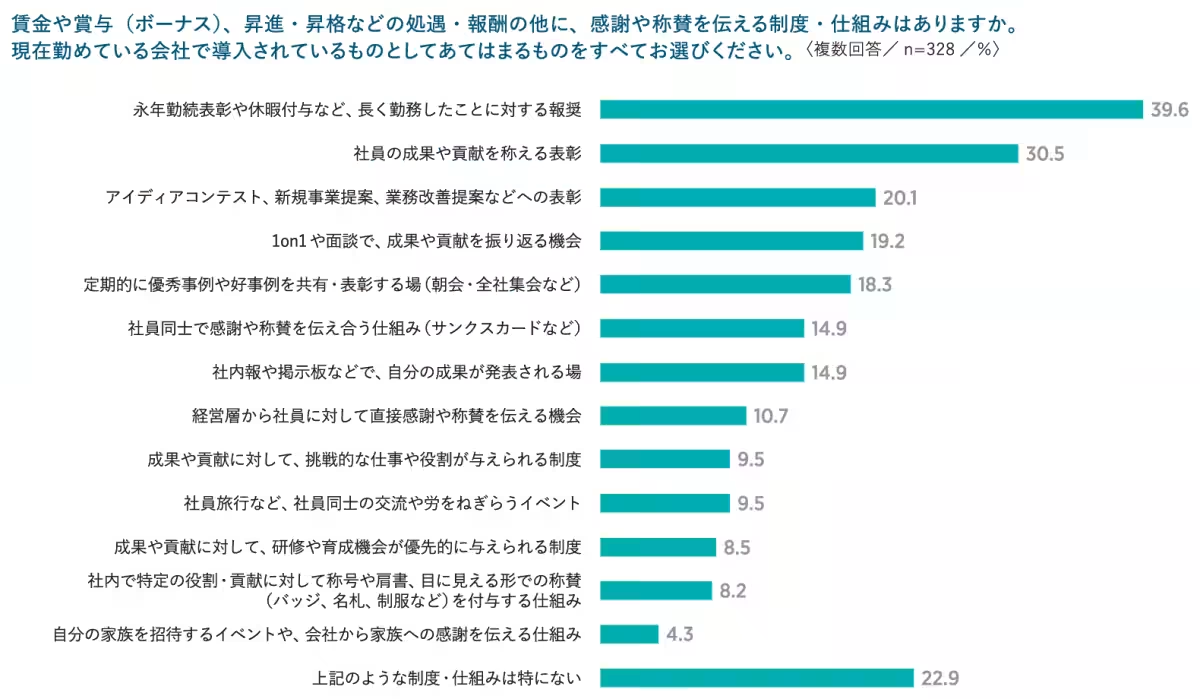
Fostering a work environment that regularly communicates appreciation can help mitigate burnout and encourage employee retention. With gratitude being a facilitator of motivation, the current systems—largely recognition-based during milestone events—should evolve towards permeating daily achievements.
In essence, creating pathways for recognition can significantly impact workplace dynamics, improving not only individual contributions but overall employee morale and organizational efficiency.
Research Methodology
Objective: This study aimed to investigate factors contributing to workplace motivation and satisfaction in employee evaluations.
- - Participants: Full-time employees working in companies with over 300 employees participating in an internet survey from May 15-17, 2026.
- - Scope of Inquiry: Areas explored included perceptions of motivation deterioration, evaluation satisfaction levels, and the frequency and structure of workplace gratitude and recognition.
Recruit Management Solutions, committed to empowering organizations through effective human resource solutions, remains a leading consultant firm in Japan since its inception in 1963, dedicated to addressing diverse workplace challenges.

Topics People & Culture)
【About Using Articles】
You can freely use the title and article content by linking to the page where the article is posted.
※ Images cannot be used.
【About Links】
Links are free to use.