



The Rise of Male Aesthetic Medicine: A Survey on Midlife Men Embracing Self-Improvement
Introduction
In a groundbreaking survey conducted by SBC Medical Group Holdings, insights into the evolving perceptions of beauty among men aged 40 to 60 have come to light. No longer relegated to the realm of women alone, aesthetic medical treatments are becoming a central feature of self-care for these midlife men. This article delves into the driving factors behind this shift, highlighting a significant transformation in how men view their appearances and health.
Survey Insights
Conducted between June 10 and June 12, 2025, the survey focused on 1,002 men in the midlife and pre-senior age brackets who had undergone aesthetic procedures. Respondents shared their motivations for pursuing treatments, their desired outcomes, and the perceptions that have changed over the last decade regarding beauty.
Changing Perceptions of Beauty
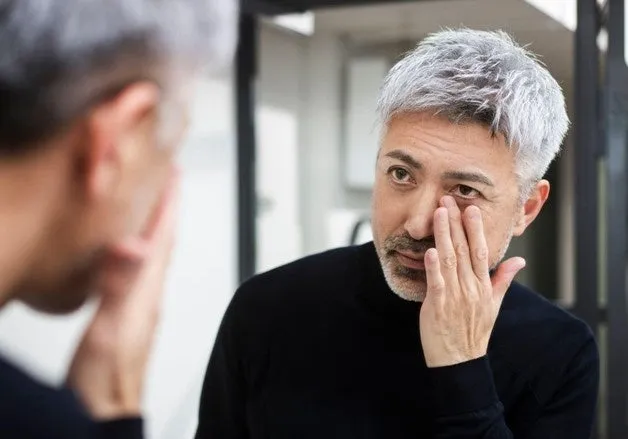
Historically, society viewed aesthetic medicine as exclusively feminine, yet this mindset is rapidly changing. The survey indicated that men are increasingly taking charge of their appearances, confronting age-related issues such as sagging skin, thinning eyebrows, and other signs of aging.
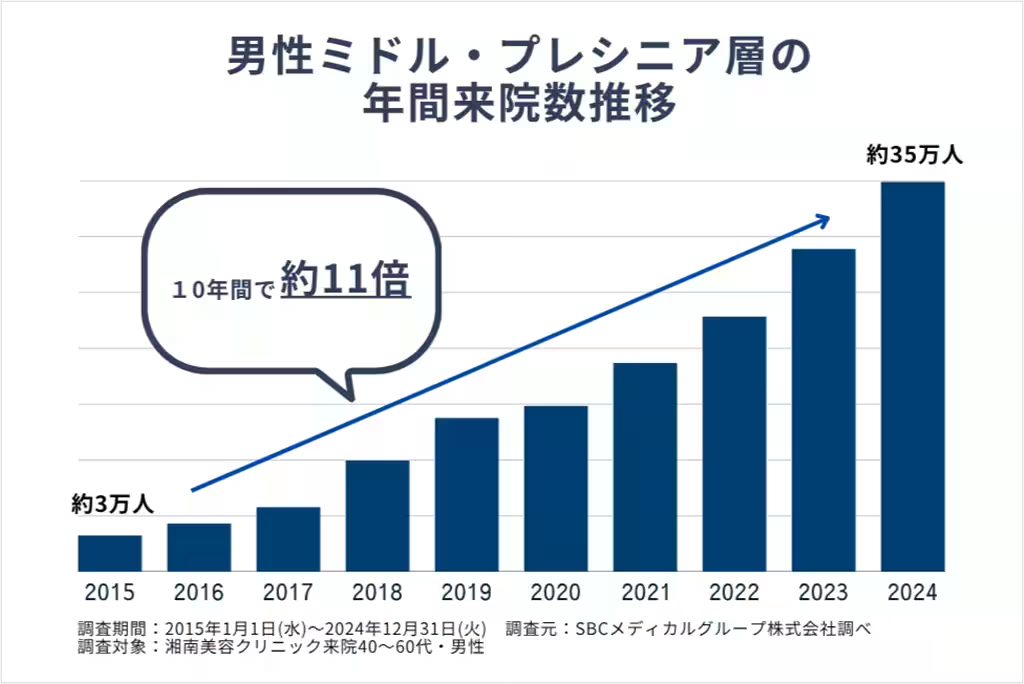
At Shonan Beauty Clinic, the number of male patients from this demographic has surged nearly elevenfold over the past decade. Treatments range from non-invasive options like hair removal and skin care to surgical procedures such as facelifts and eyelid surgery. The trend underlines a growing consciousness around 'self-investment' among working-age men, particularly as awareness of the lasting impact of first impressions in professional settings rises.
Treating Appearance as a Priority
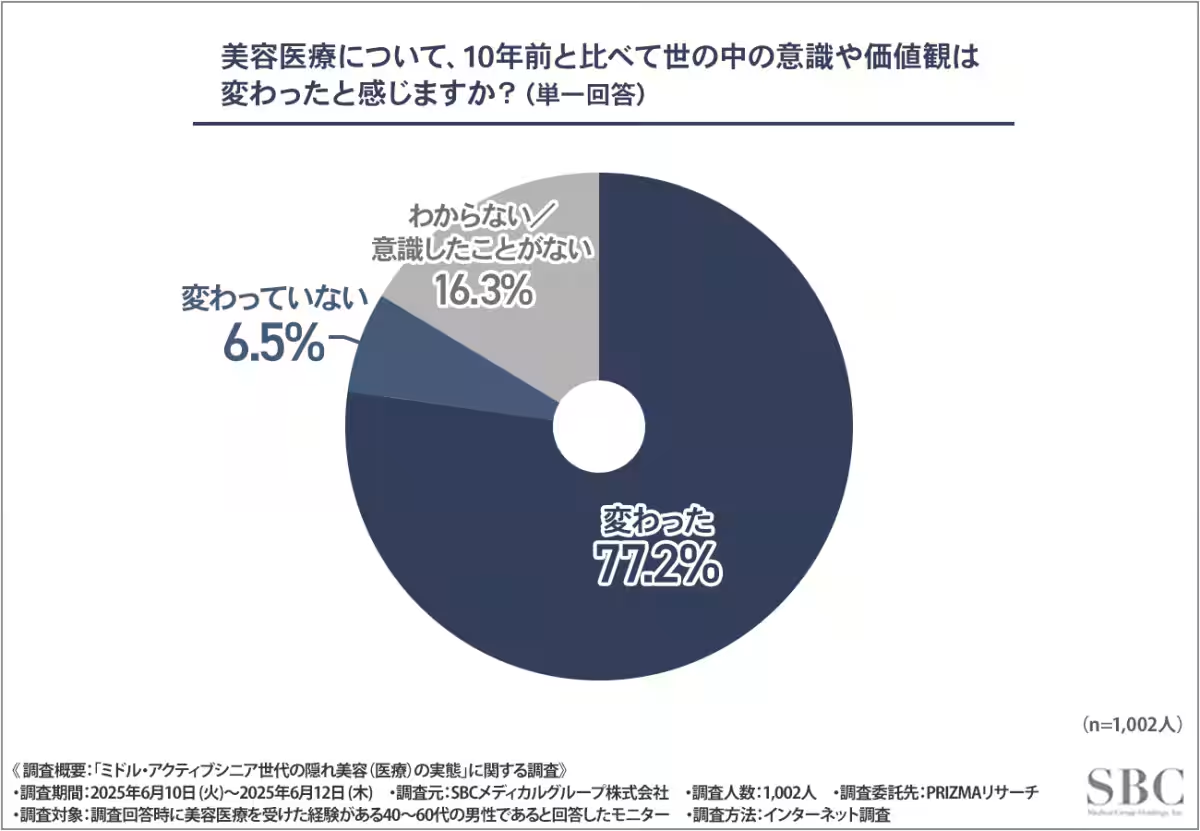
A staggering 77.2% of respondents noted an overall change in societal attitudes toward aesthetic medical treatments, which have transitioned from being seen as an unusual choice to becoming a common part of self-care. Many men reported engaging in aesthetic treatments to improve not just their physical appearance but also their self-esteem and presence in social and professional environments.
Awareness around the importance of personal grooming in business situations has also risen significantly, indicating that clean, polished, and attractive appearances are now essential elements of professional branding. The representation of aesthetic treatments through social media also plays a crucial role in normalizing these practices among men.
Motivations and Concerns
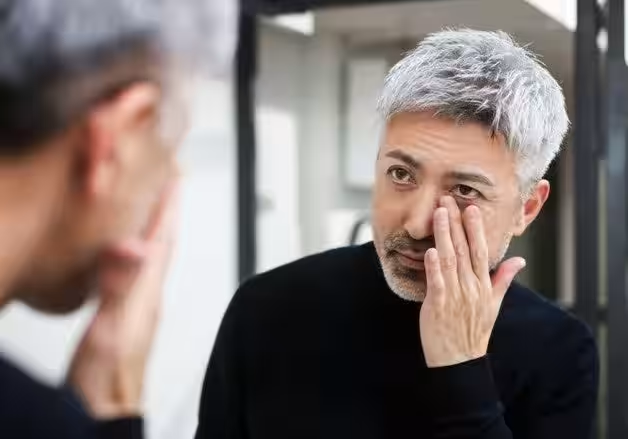
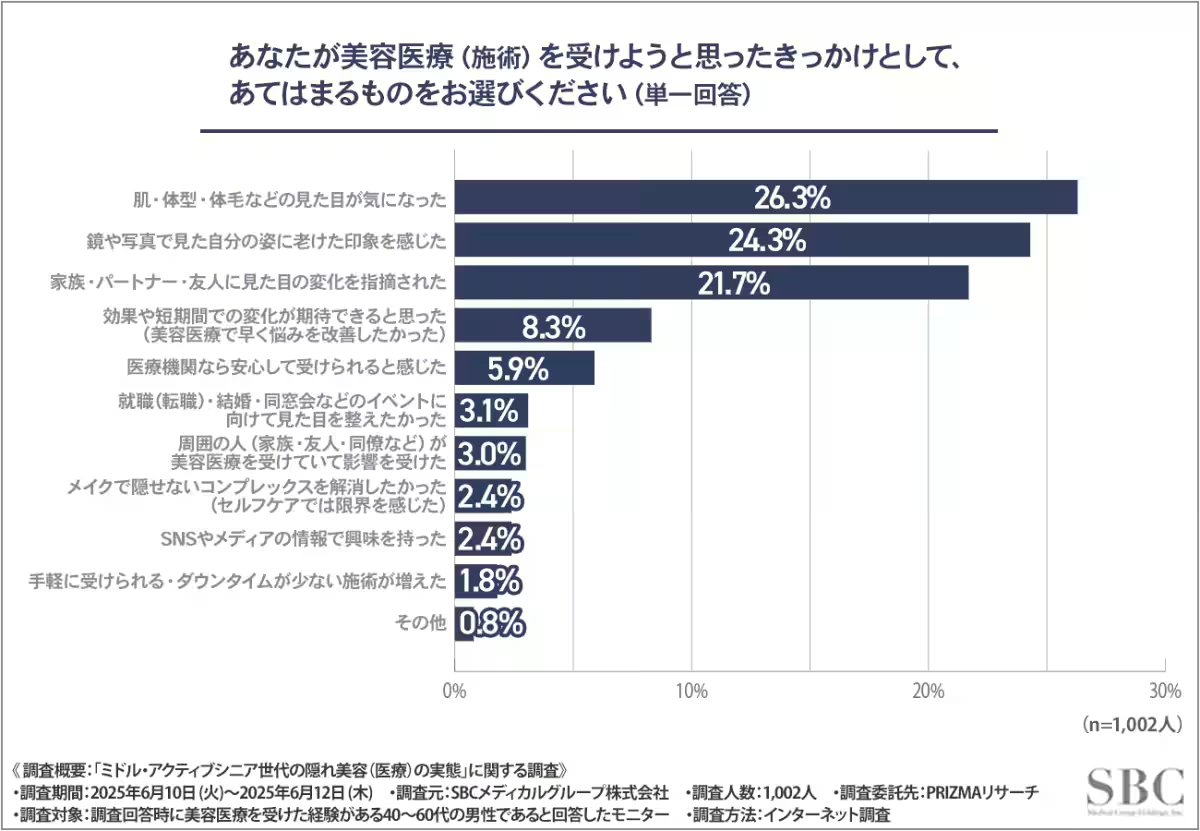
When asked about their motivations for pursuing aesthetic treatments, the majority indicated personal self-awareness as a primary driver. Fifty percent of respondents stated that their decision was spurred by noticing changes in their own appearances when looking in mirrors or photographs. Other motivations included concerns about specific areas such as skin flaws or body hair, indicating that more men are addressing their aesthetics with a proactive mindset aimed at improving their confidence.
Interestingly, external suggestions from family or friends played a minor role, showcasing a cultural shift towards prioritizing personal feelings over public perception. Many men are beginning to see aesthetic procedures as personal rather than societal obligations.
Popular Treatments
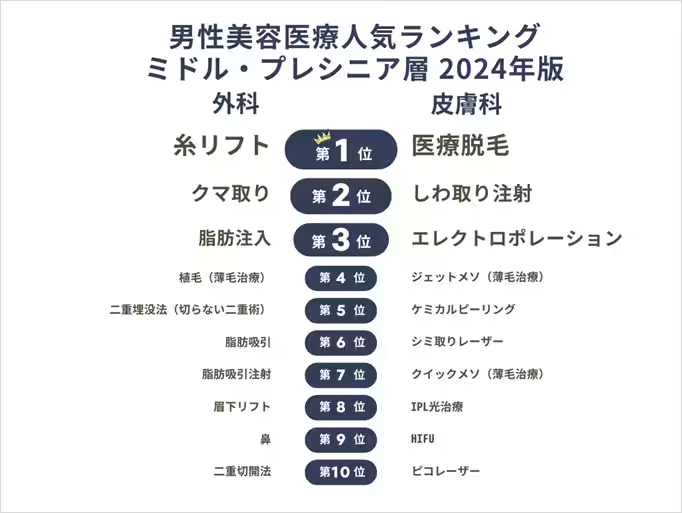
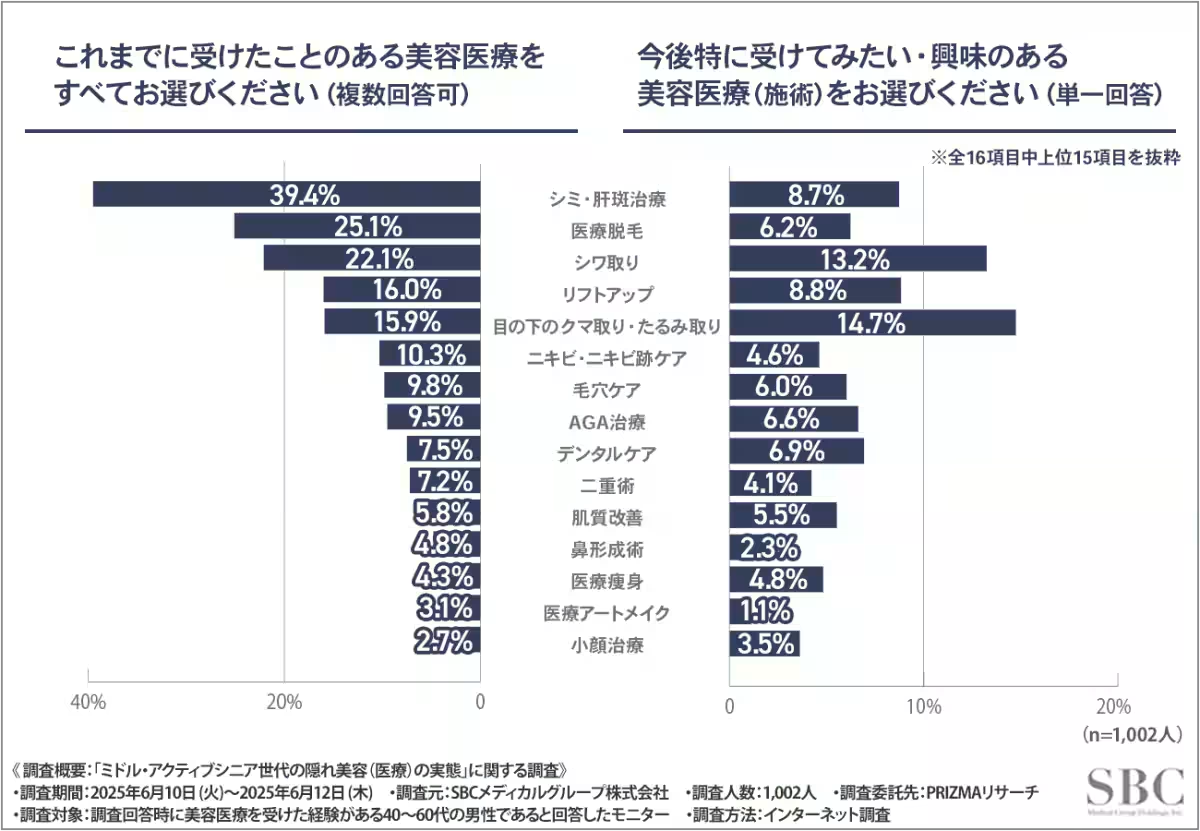
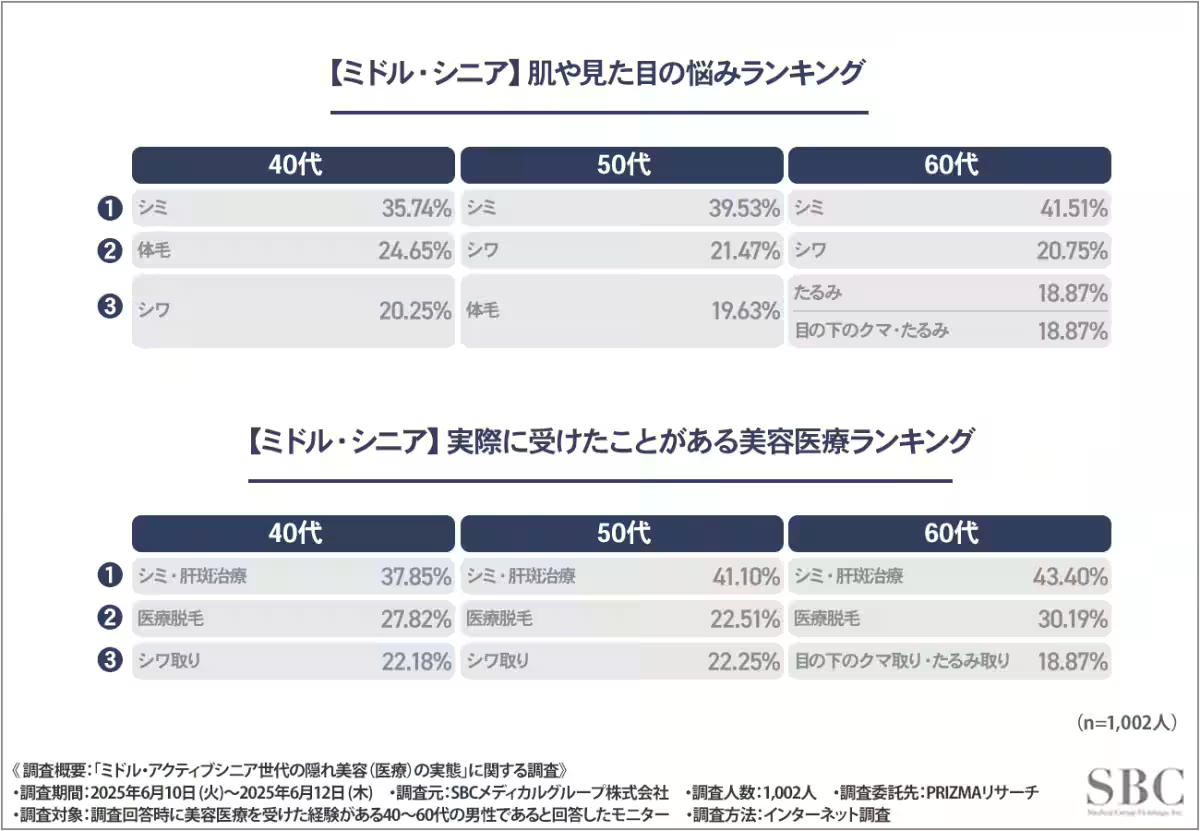
The data shows an intense focus on skin treatments, particularly around issues like spots and complexion. The most common concern across all age segments was pigmentation, with many opting for treatments such as laser therapy. Notably, younger midlife respondents (those in their 40s) showed a particular interest in medical hair removal, while males in their 60s gravitated towards under-eye treatments to address puffiness.
The continued interest in anti-wrinkle treatments such as Botox solidifies the notion that men value ongoing maintenance of youthfulness and freshness in appearance. This trend reflects a continued desire among middle-aged males for both natural appearances and effective rejuvenation strategies.
Diverse Expectations
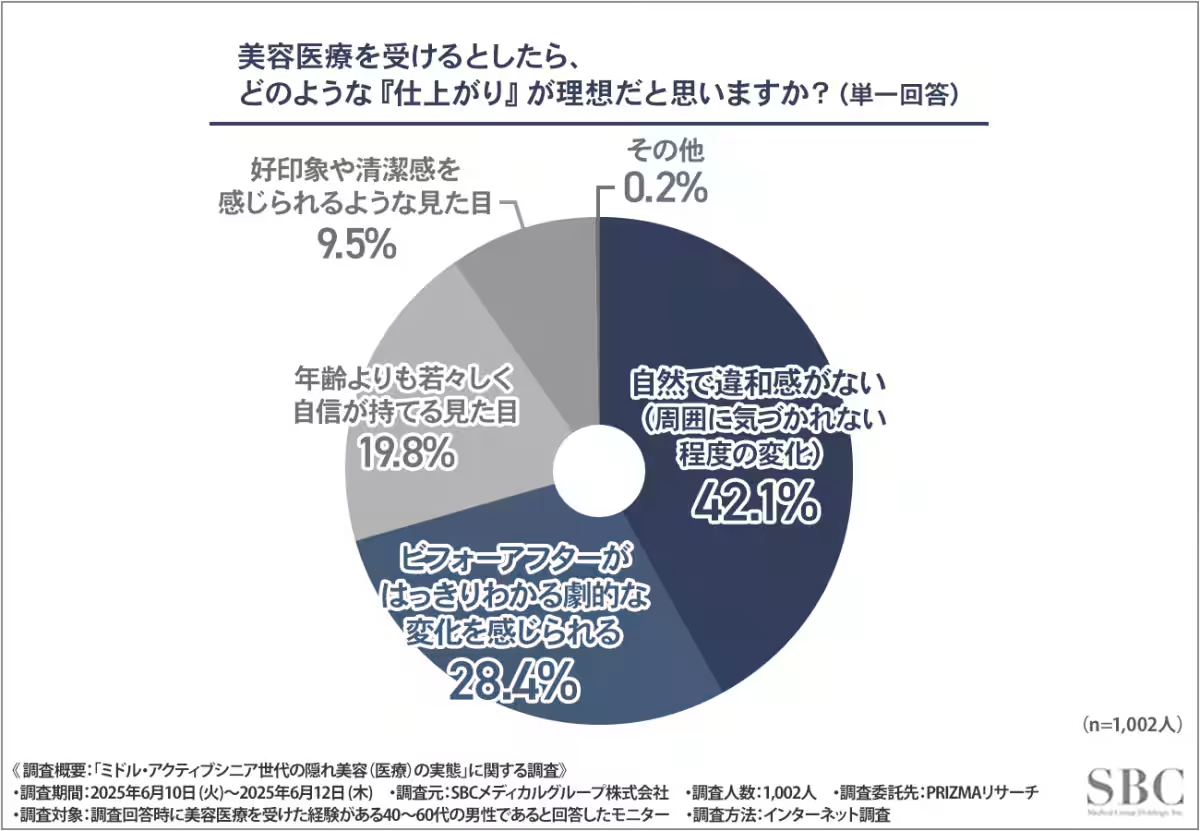
Amid these developments, men have begun to express varied desires regarding the 'results' of their treatments. Approximately 42.1% of respondents indicated a preference for 'natural results' as opposed to seeking overt changes. However, a significant minority (28.4%) still desires dramatic transformations, suggesting a nuanced landscape where providers must cater to a range of aesthetic aspirations.
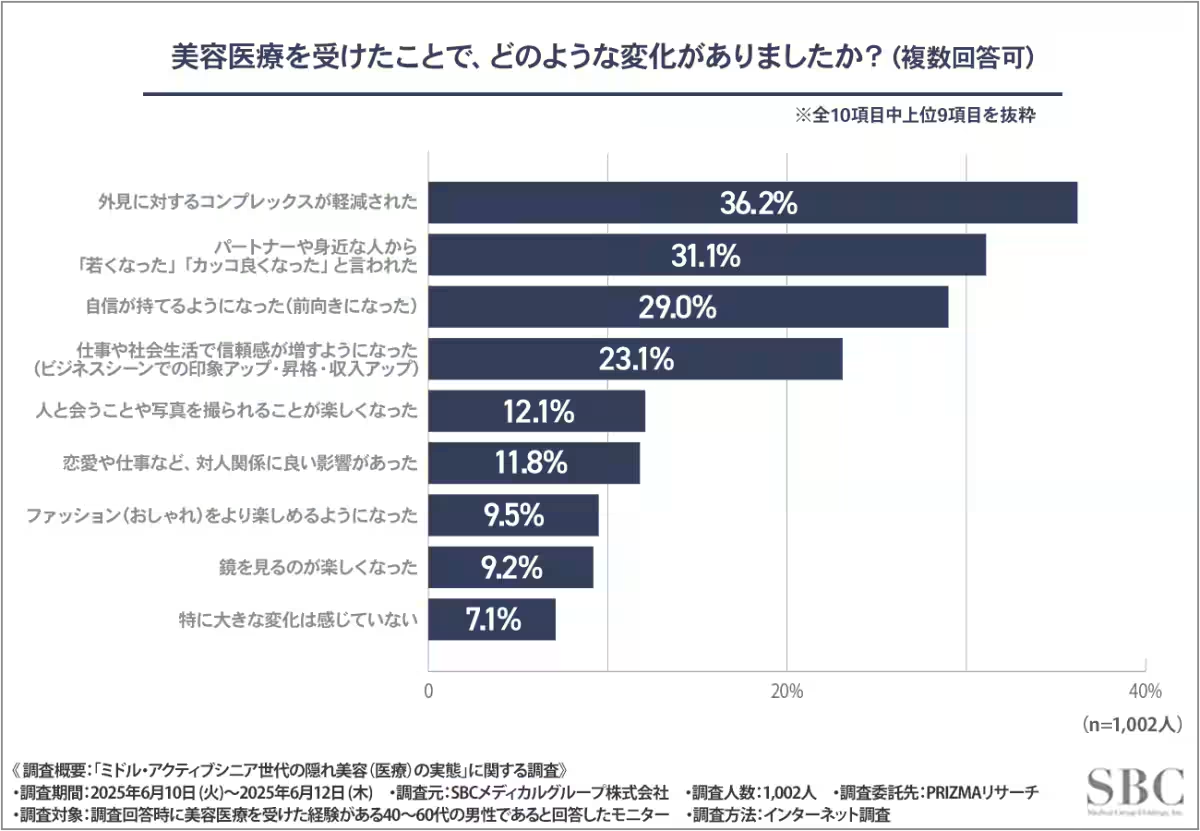
Furthermore, many respondents noted that treatments improved perceptions among their peers, positively affecting their self-esteem and social interactions. As such, aesthetic treatments are becoming perceived as essential tools in enhancing personal and professional relationships.
Conclusion: A New Norm
The dramatic growth in male cosmetic procedures signifies a substantial shift in both self-image and societal acceptance of male beauty treatments. As this landscape continues to evolve, it underscores that aesthetic medicine is not simply a means of gaining a youthful appearance but rather a valuable component of a broader self-care regime that includes a healthy perspective on aging and self-improvement.
It is clear that men’s beauty is no longer perceived as secondary; rather, it is carving out its niche in self-care, establishing itself as a fundamental aspect of modern masculinity. With ongoing advancements in the field and a continued commitment to evolving perceptions of beauty, the future of male aesthetic medicine appears bright and promising.
- ---
Shonan Beauty Clinic,
SBC Medical Group Holdings.
Website: SBC Medical Group
Topics Consumer Products & Retail)
【About Using Articles】
You can freely use the title and article content by linking to the page where the article is posted.
※ Images cannot be used.
【About Links】
Links are free to use.