



Survey Reveals Summer Festivities Lead to Mismanagement of Blisters from Sandals
Survey on Blisters from Summer Festivals
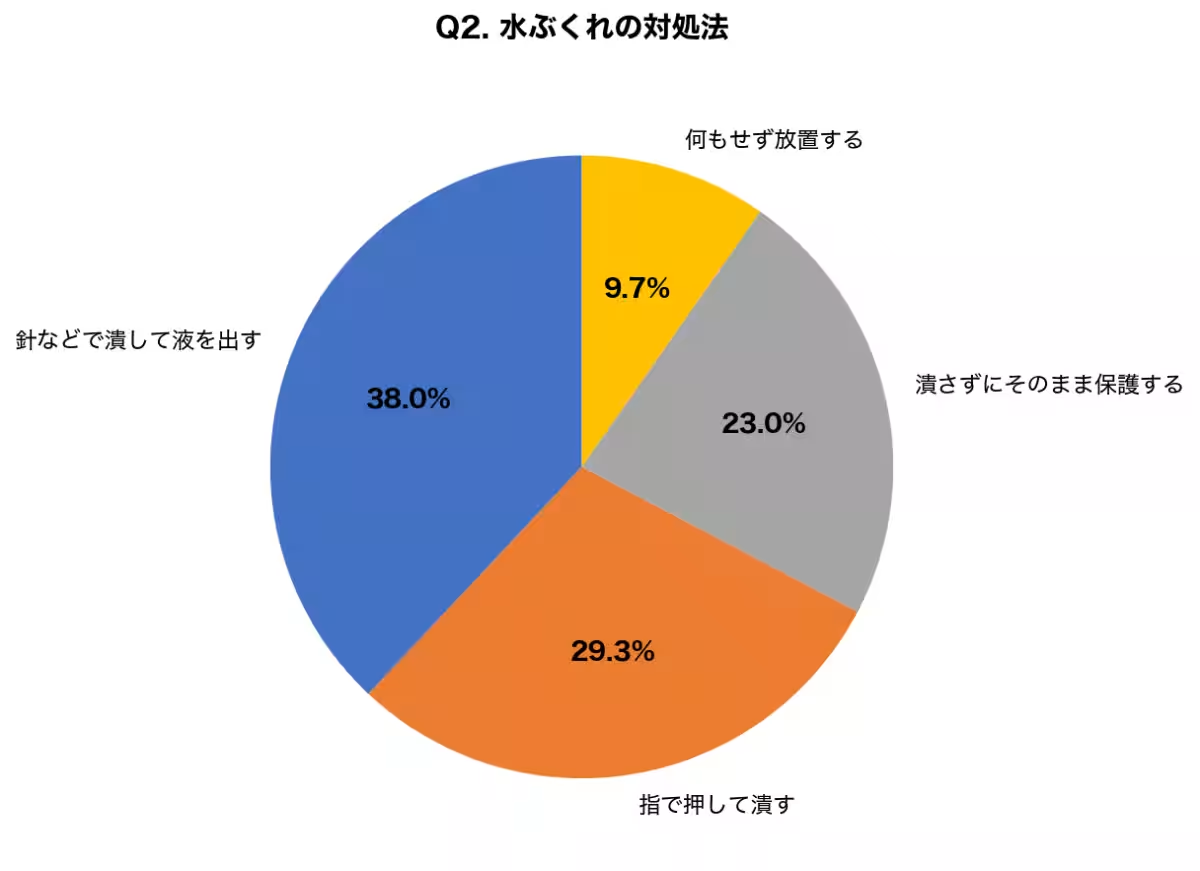
As summer festival season approaches, many individuals rejoice at the opportunity to wear traditional attire and sandals. However, recent data reveals that the excitement may come with its own set of problems – blisters. A study conducted by IC Clinic has uncovered that a staggering 67.3% of people pop their blisters instead of following recommended treatment protocols, leaving them vulnerable to infections and prolonged pain.
Key Findings
The survey, conducted among adults aged 20 to 50 who had experienced blisters from sandals or geta in the last three years, brings several alarming facts to light:
- - Popping Blisters: A significant 67.3% of participants indicated they would opt to pop a blister, while only 23.0% knew the correct course of action – to leave it intact for protection.
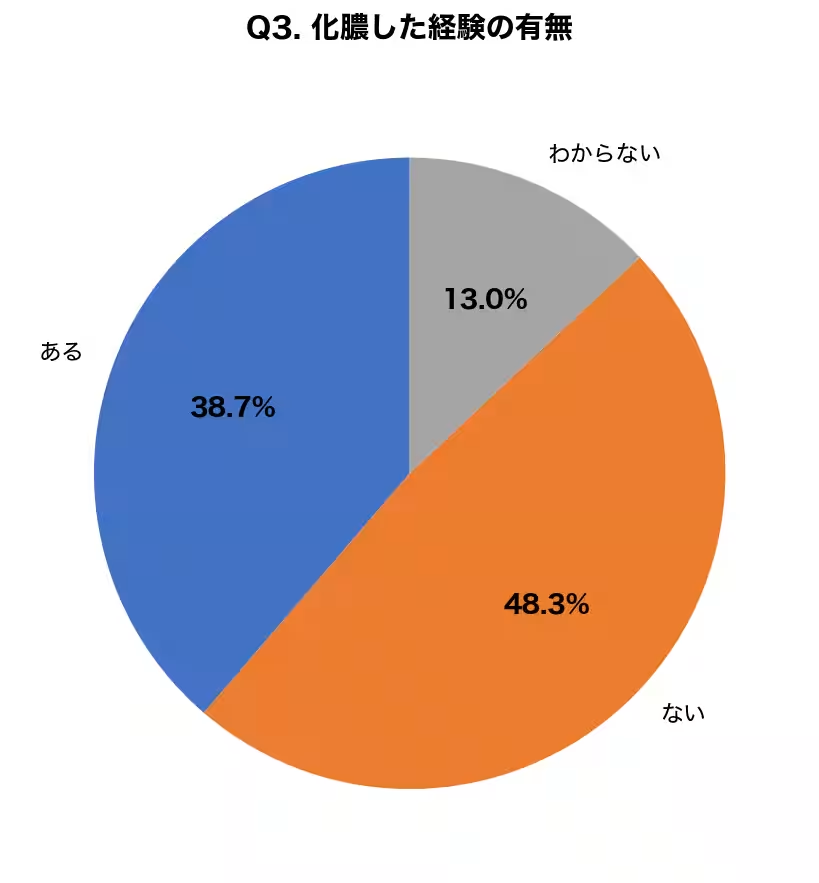
- - Infection Rates: Nearly 38.7% have encountered infections from blisters, reflecting the dangers of self-treatment.
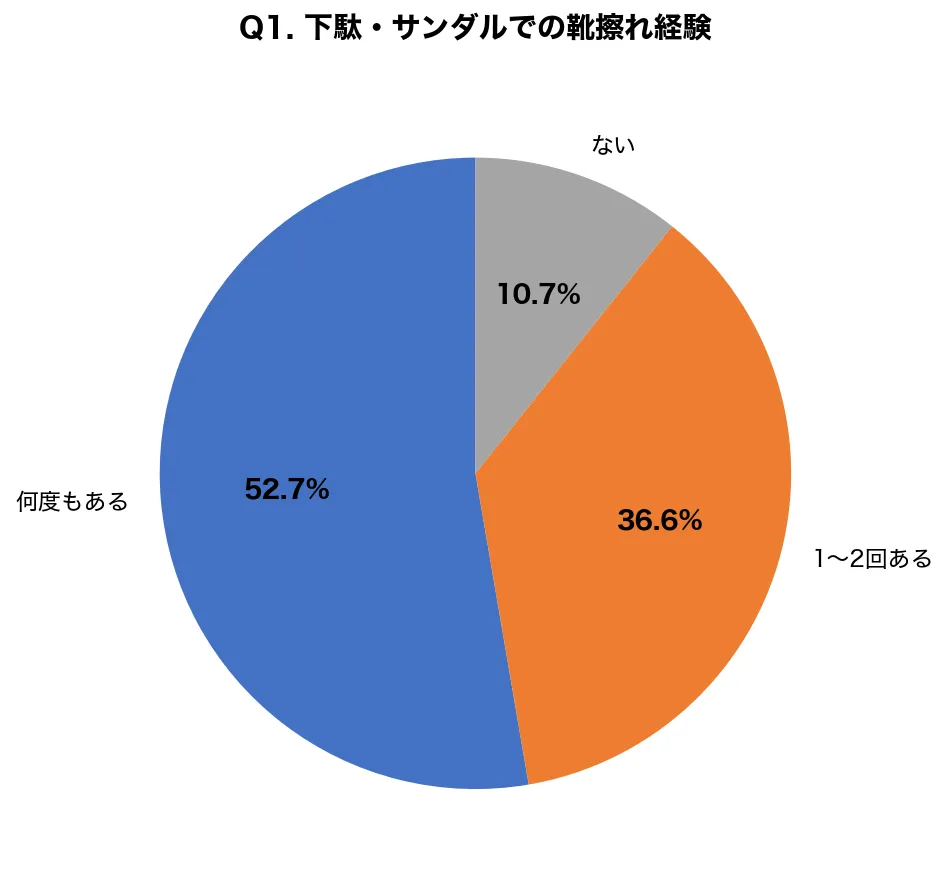
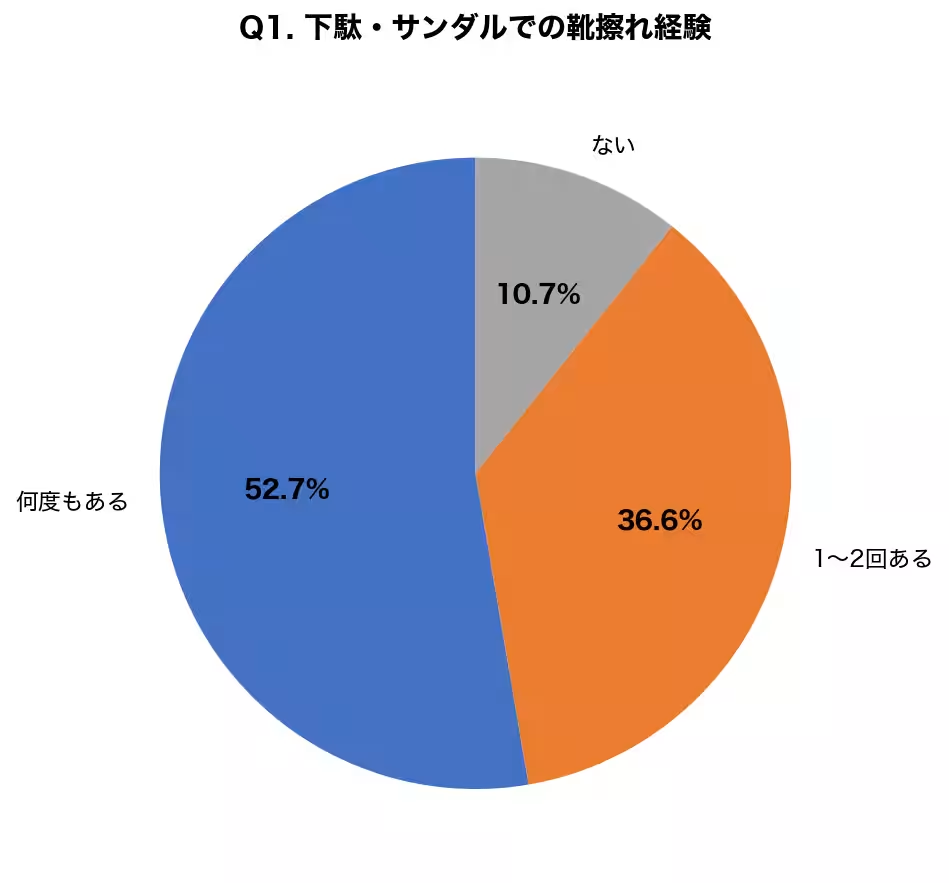
- - Prevalence of Blisters: Around 89.3% reported having blister issues with geta or sandals, underscoring the commonality of this problem during the summer festival season.
Background on Blisters
Blisters are fluid-filled pockets that form between the outer and inner layers of the skin, typically due to friction. They act as a natural barrier to protect healing skin underneath. Popping them, however, interrupts this protective layer and can lead to bacterial infections if not managed properly.
Secondary Infections
Conversely, secondary infections can occur when bacteria infect the area around a ruptured blister, leading to conditions such as cellulitis, which may require medical intervention. The risk rises particularly in the summer when heat and humidity create a perfect breeding ground for bacteria.
Expert Advice: Dr. Kota Takakuwa from IC Clinic, which operates multiple facilities across Tokyo, states, "The blister membrane serves as a natural bandage; it is essential to keep it intact. If a blister breaks, it should be cleaned gently under running water and covered with a sterile dressing. If redness, swelling, or pus develops, seek medical attention immediately."
Comparative Analysis of Blister Treatments
| Treatment Option | Infection Risk | Healing Duration | Pain Level | Risk of Scarring |
|---|---|---|---|---|
| ---- | ---- | --- | -- | ---- |
| Popping the Blister (Incorrect) | High | Longer (7-14 days) | Severe | High |
| Leaving the Blister Intact (Correct) | Low | Shorter (3-7 days) | Reduced | Low |
The Importance of Prevention
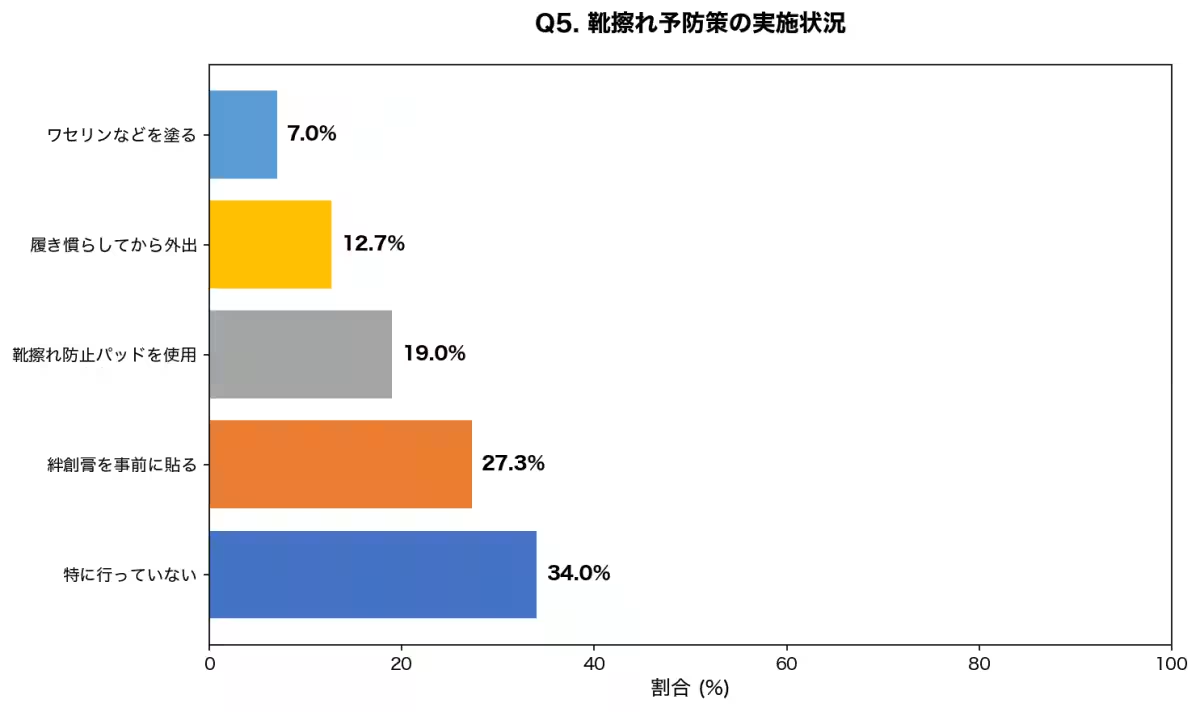
Ironically, while many do not consider blister management, a substantial 34.0% admitted to taking no preventive measures against blisters. For those who did, sticking plaster or gel pads were the most common solutions.
Conclusion and Recommendations
The study emphasizes the urgent need for education on the proper management of blisters during summer festivities. Here are several recommendations:
1. Never pop a blister; it serves as natural protection.
2. Keep the area clean and protected with sterile dressings.
3. If a blister does break, wash it thoroughly and cover it.
4. Seek medical attention for spreading redness, swelling, or discomfort.
5. When wearing new sandals or geta, adapt by wearing them for shorter periods to break them in gradually.
With festivals just around the corner, let’s ensure we embrace the celebrations while safeguarding our health and enjoying the festivities fully.
Topics Health)

【About Using Articles】
You can freely use the title and article content by linking to the page where the article is posted.
※ Images cannot be used.
【About Links】
Links are free to use.