



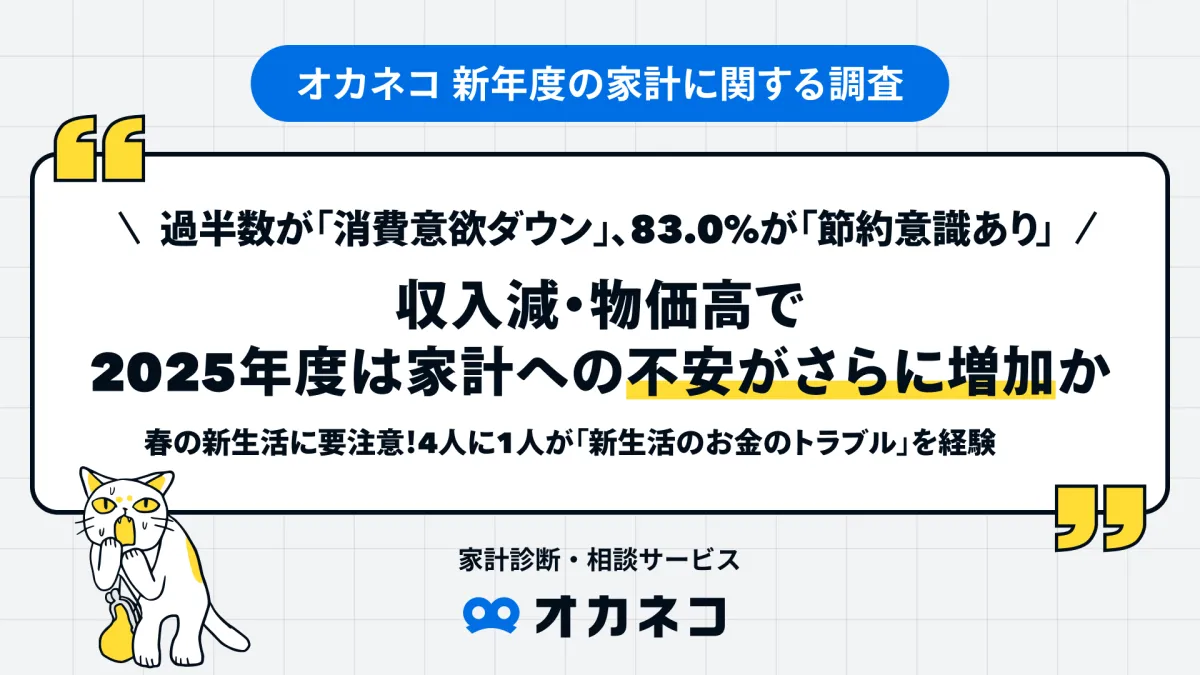
Consumer Spending Consciousness Declines Amid Economic Pressures: A Study on Household Finances
Declining Consumer Confidence and Rising Financial Caution in Japan
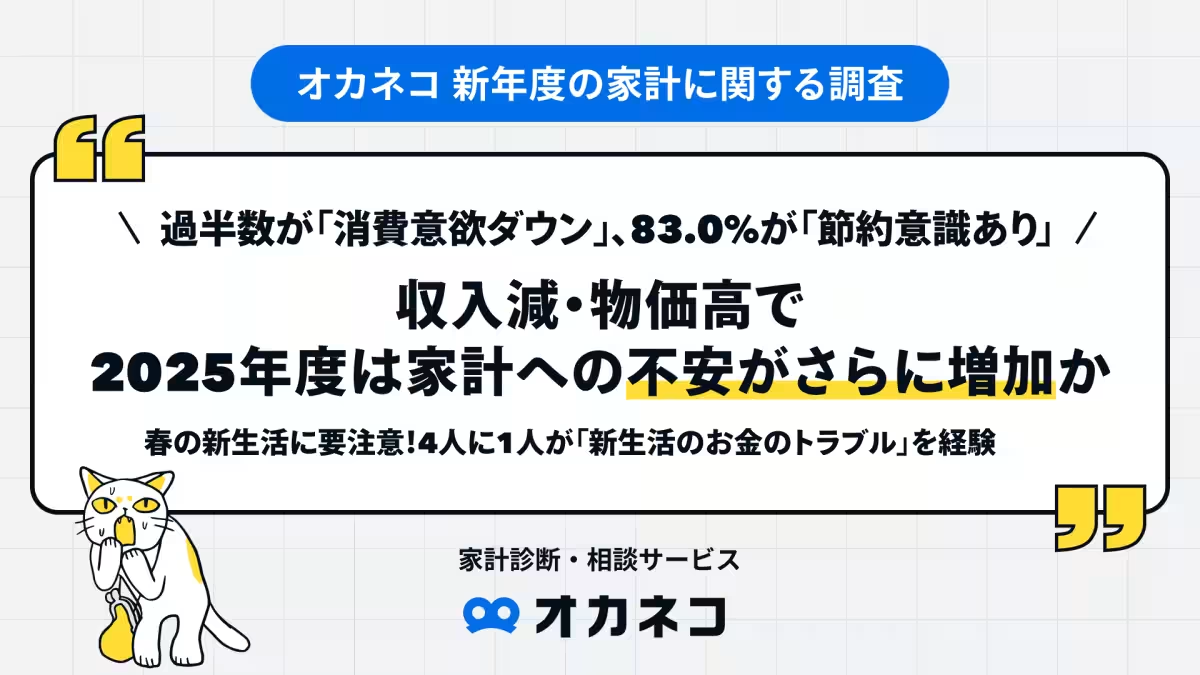
A recent study conducted by 400F, a leading household finance consultation service in Japan known as 'OkaneCo', highlights significant shifts in consumer sentiment as the nation gears up for the new fiscal year. The survey, assessing the financial outlook of 383 users, reveals a growing trend of financial caution and a decline in spending willingness, forecasted to further exacerbate by 2025 due to rising inflation and decreasing incomes.
Key Findings
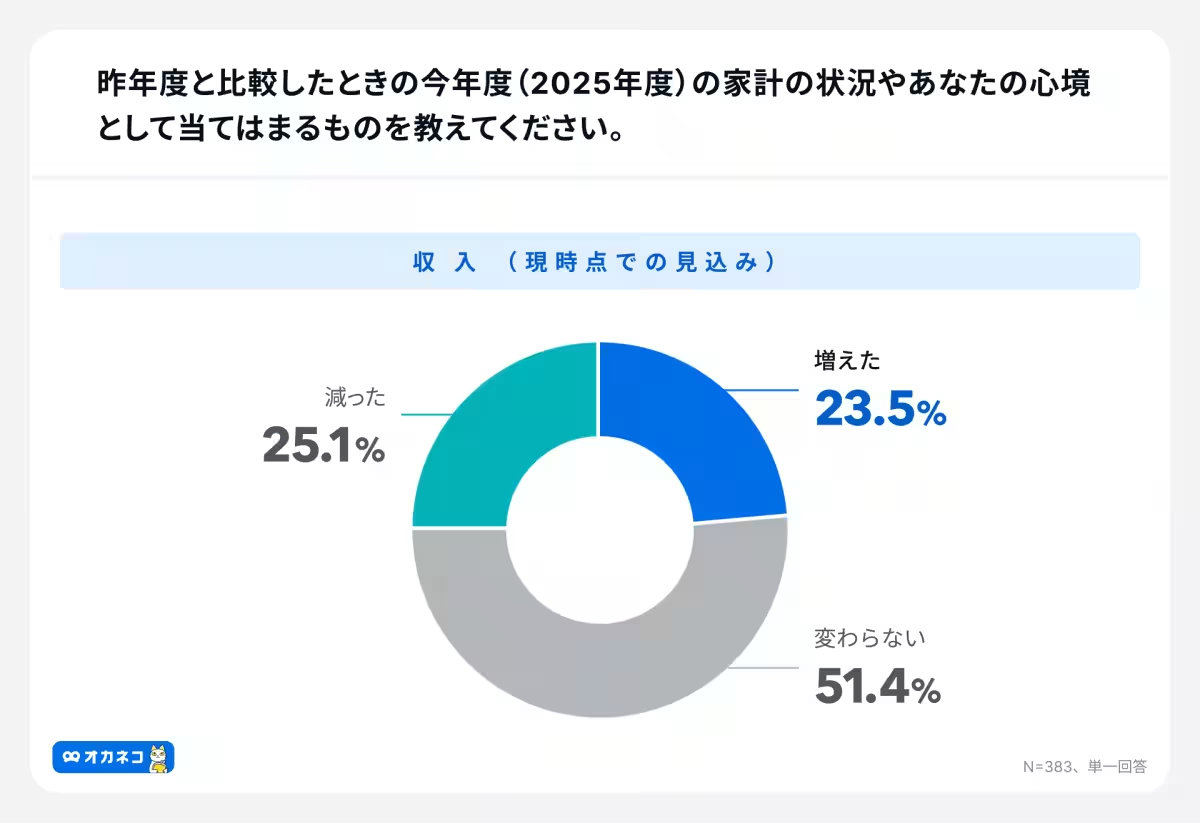
The survey results present a worrying picture: over a quarter of respondents indicated a reduction in their income compared to the previous year, with 25.1% reporting a decline, while only 23.5% noted an increase. This slight imbalance underscores the increasing concerns over household finances, as economic pressures continue to mount.
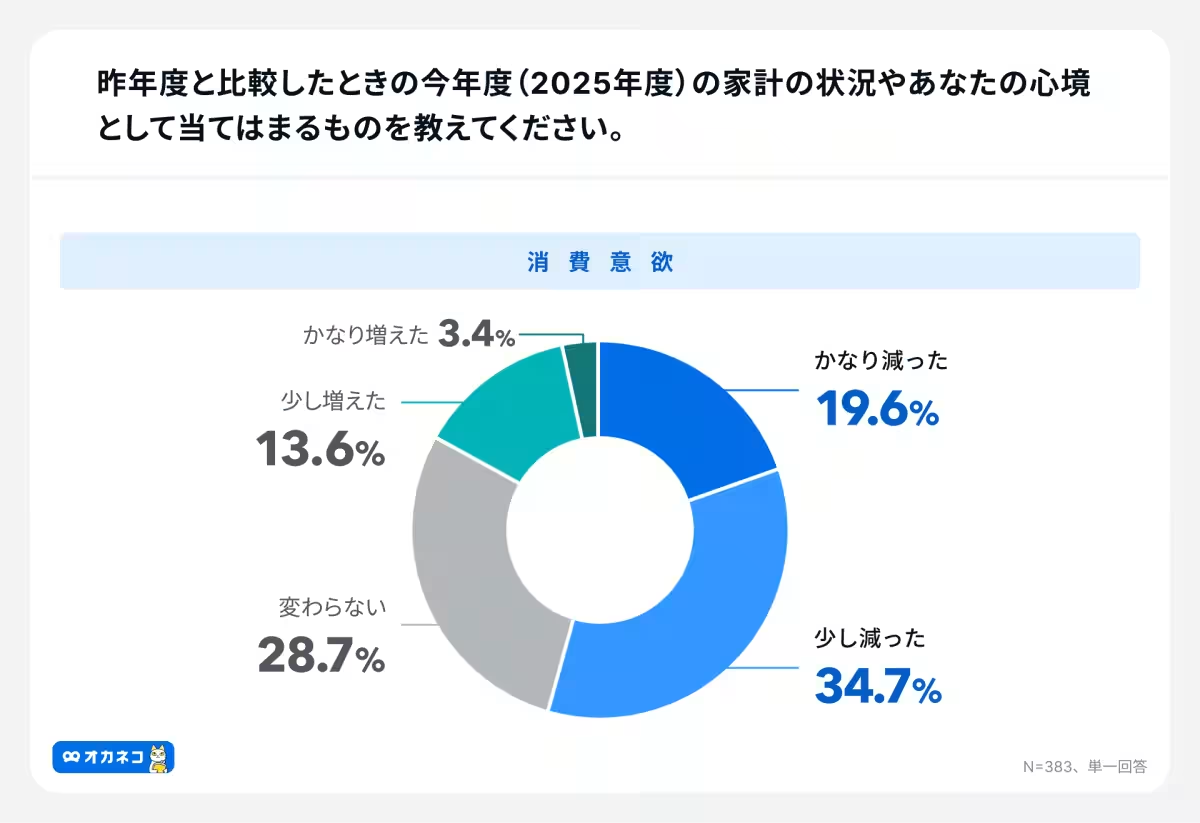
In terms of consumer spending, more than half of the participants (54.3%) cited a decrease in their willingness to spend. Specifically, 19.6% described their spending urge as 'considerably reduced', and 34.7% indicated 'slightly reduced'. In stark contrast, only 17.0% reported an increased inclination to spend, highlighting a clear consumer retreat in financial engagement.
Cautious Spending Behavior
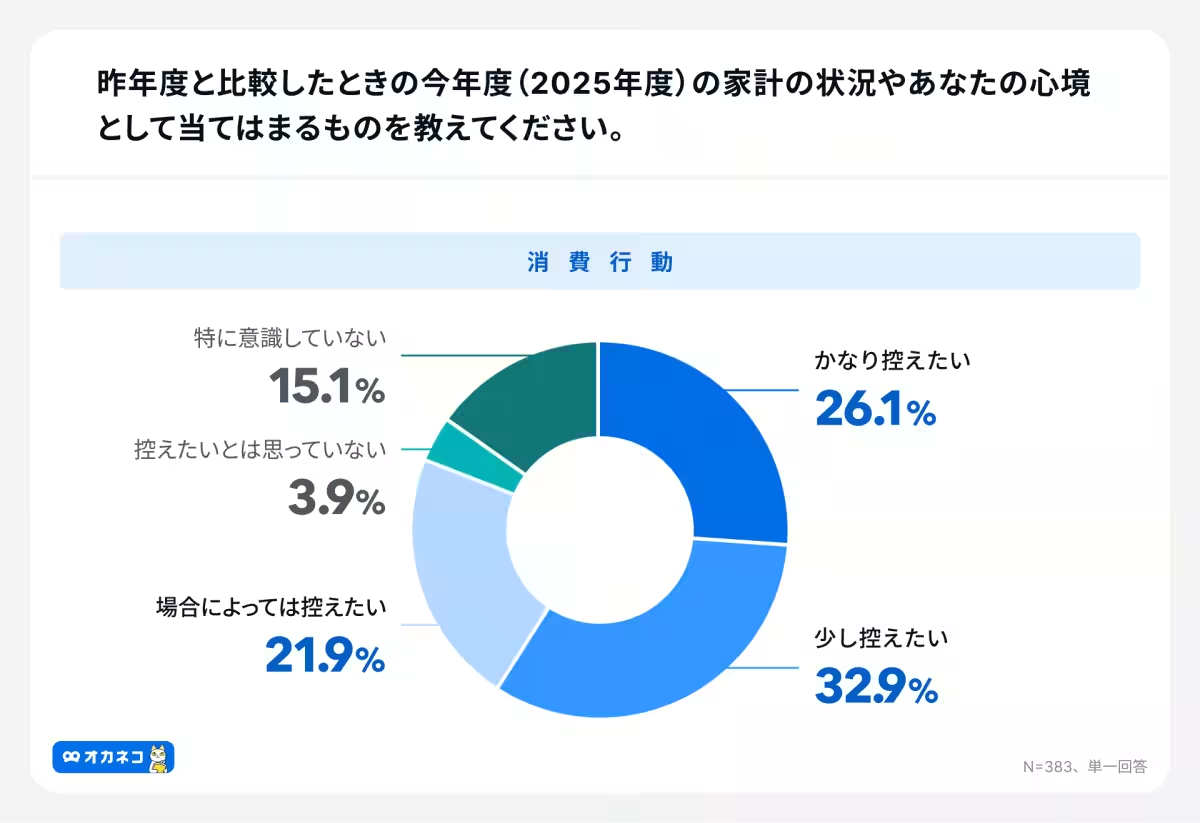
When probed about their consumption behavior, the results reflected an overarching trend of restraint. A total of 59.0% of respondents expressed a desire to limit their spending, with 26.1% aiming to 'significantly cut back', and 32.9% willing to 'slightly scale back' their expenditures. This cautious behavior is likely a direct response to mounting economic challenges and heightened inflation.
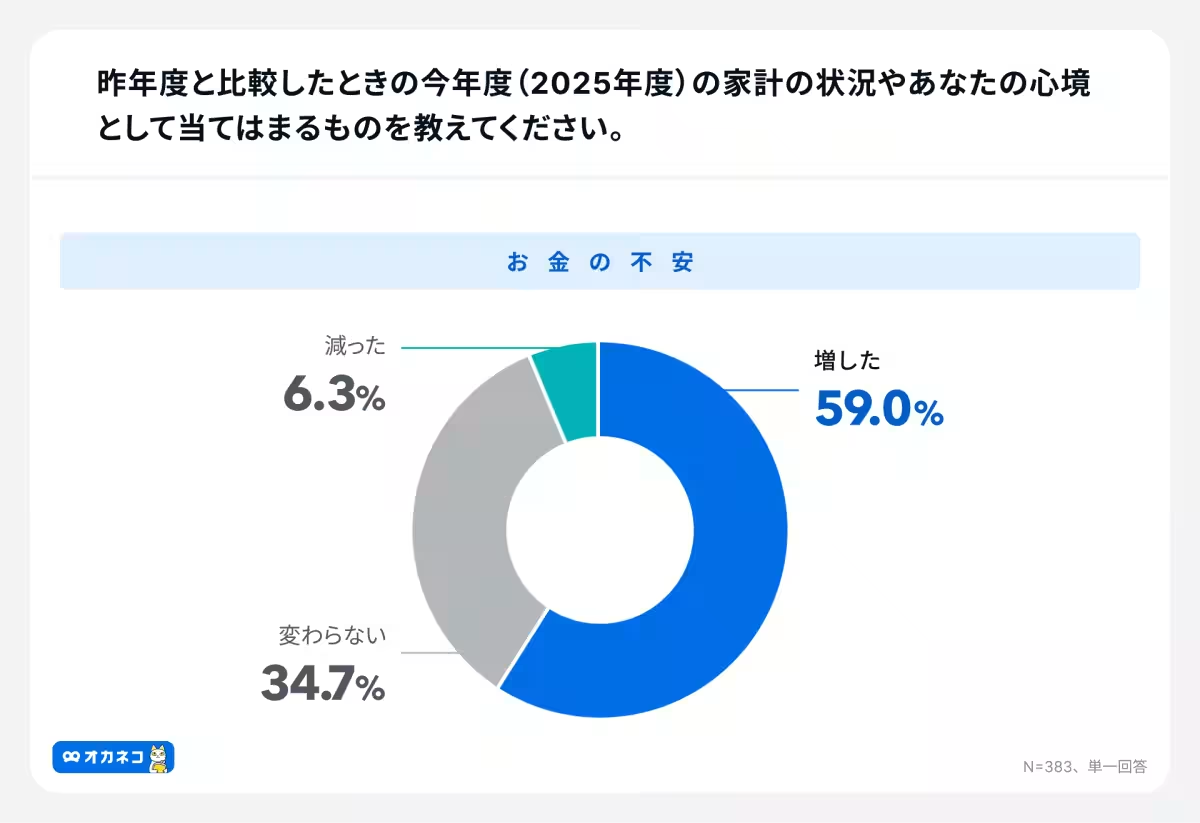
The survey also touched on the palpable anxiety surrounding finances, with 59.0% of respondents stating that their financial concerns have increased over the previous year. In sharp contrast, only 6.3% felt a decrease in financial anxieties, revealing a significant disconnect between economic realities and consumer confidence.
Focus on Savings
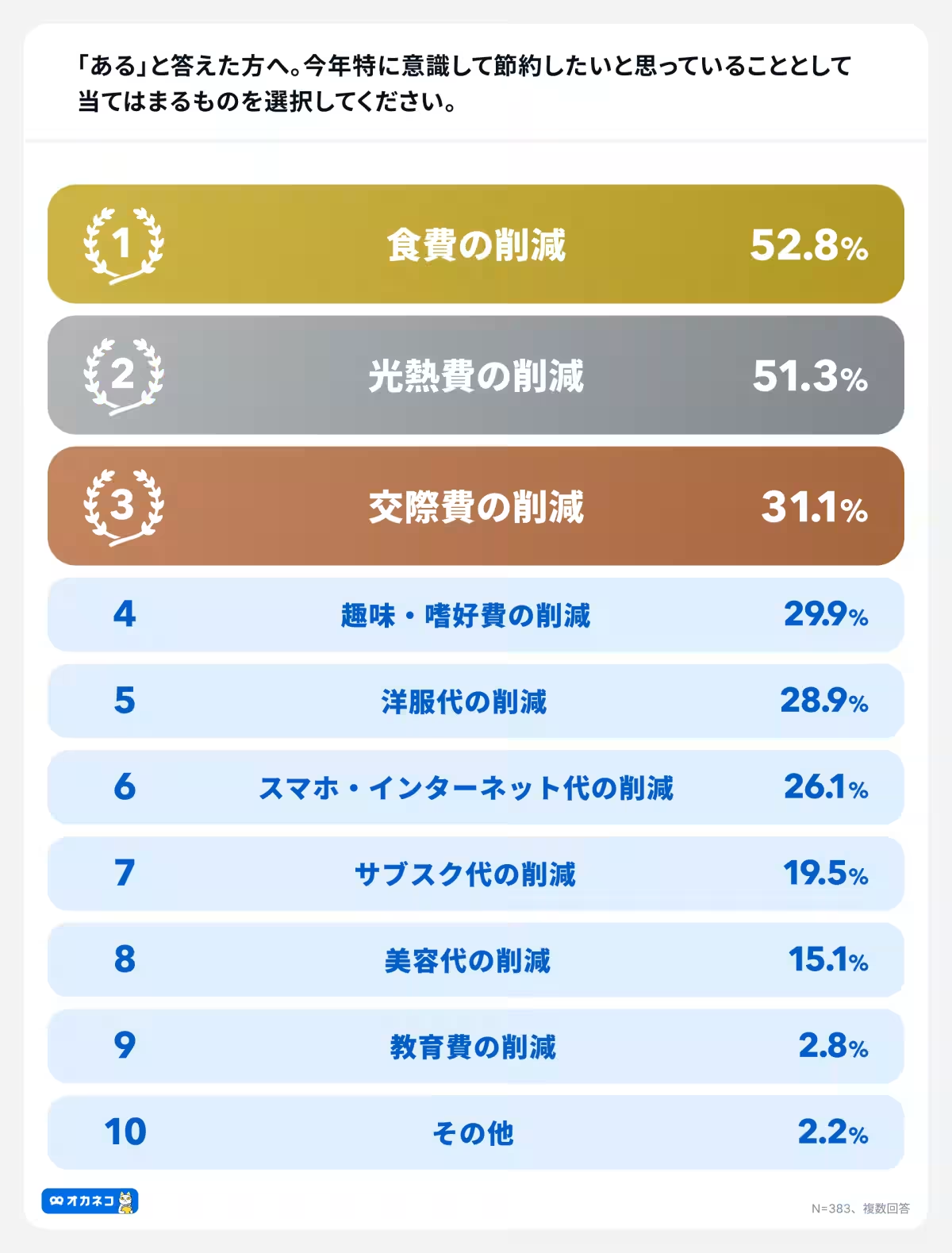
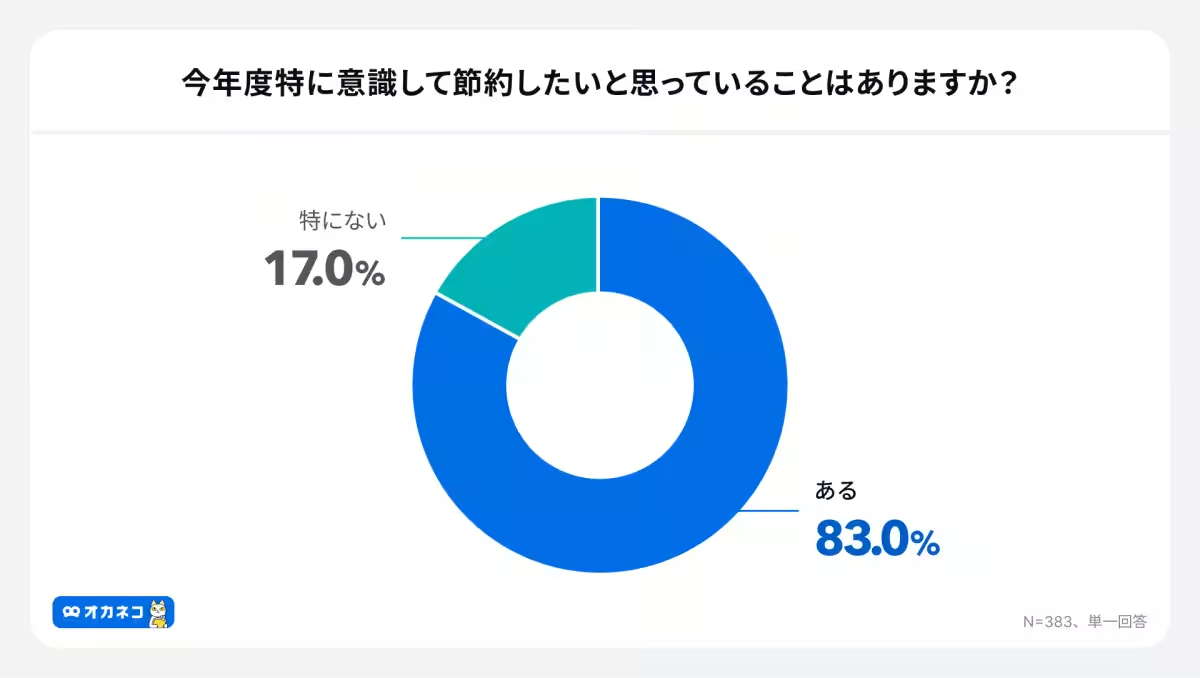
With the looming economic pressures, an impressive 83.0% of respondents articulated their commitment to saving, indicating a substantial rise in frugality. The data outlines the top three areas where consumers wish to cut costs: food expenses (52.8%), utility bills (51.3%), and social activities (31.1%). This information clearly illustrates a shift towards prioritizing essential living costs, indicating a fundamental alteration in lifestyle choices as households navigate financial uncertainty.
New Life Challenges
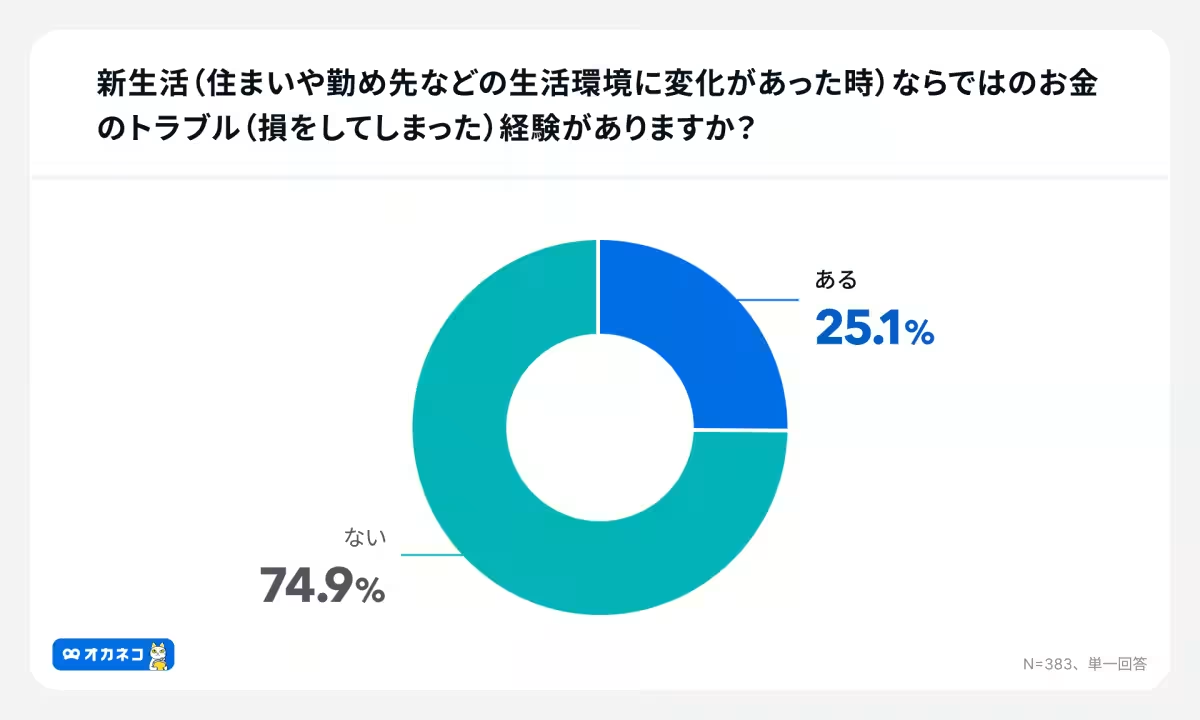
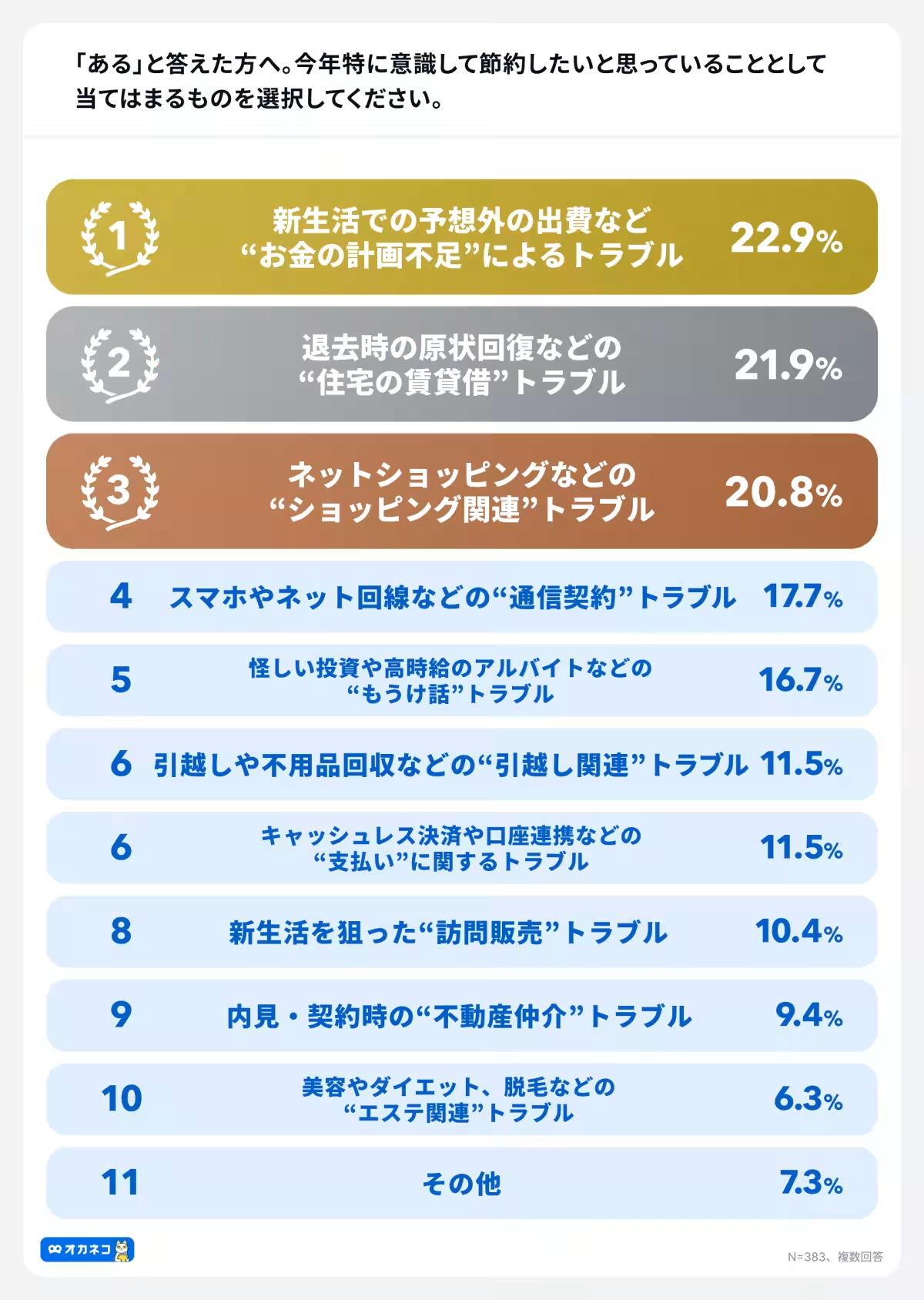
Among the survey participants, it was also noted that 25.1% have experienced financial troubles unique to life transitions, such as moving to a new home or changing jobs. The leading cause of these monetary issues was reported as unexpected expenses related to new living situations (22.9%), followed by disputes concerning rental agreements upon leaving a residence (21.9%), and complications arising from online shopping (20.8%).
These experiences highlight the significance of strategic financial planning and management, particularly during transitional life phases.
Conclusion
The findings from the 'OkaneCo New Year Household Finances Survey' paint a pivotal picture of consumer sentiment as we approach the next fiscal year. A concurrent decline in income and consumer spending, coupled with a pronounced focus on savings, is expected to reshape household financial strategies in the months to come.
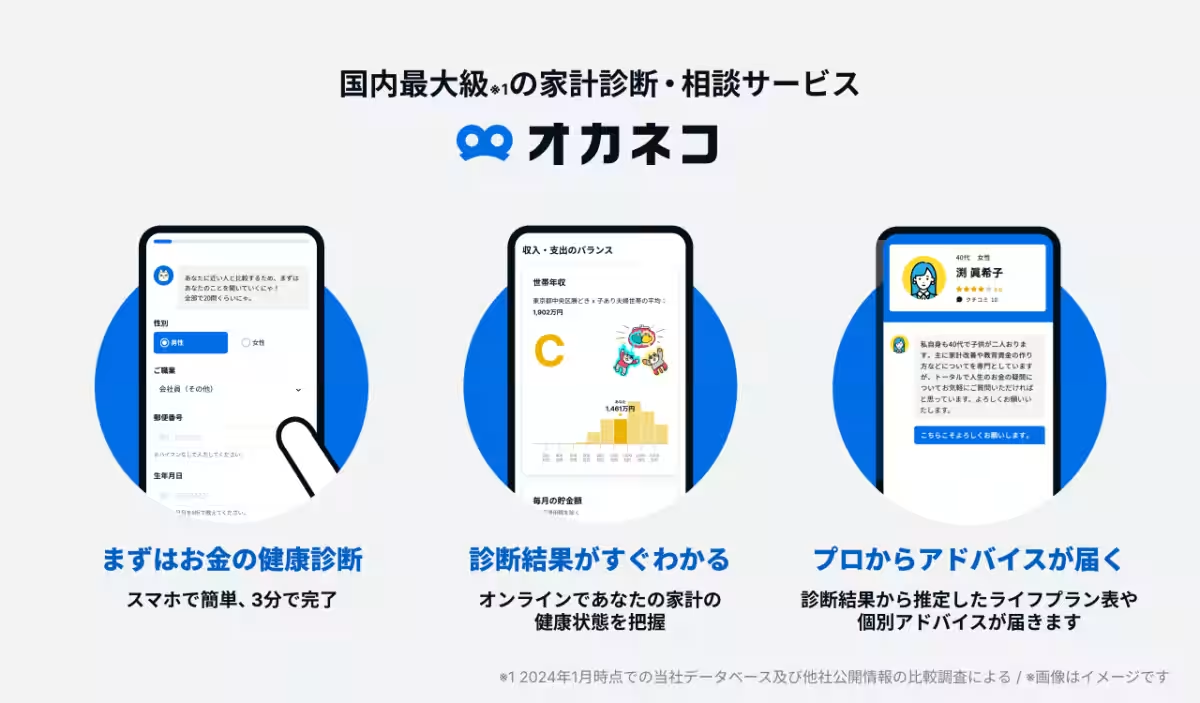
400F's service, 'OkaneCo', aims to support households in enhancing their financial literacy and improving their fiscal well-being through personalized consultations. Given the ongoing economic challenges, these resources are crucial for helping families establish a secure financial footing.
As the landscape of personal finance becomes increasingly precarious, our mission remains to facilitate meeting and resolving monetary issues for all individuals, ultimately fostering an environment of trust and ease around financial consultations.

Topics Consumer Products & Retail)

【About Using Articles】
You can freely use the title and article content by linking to the page where the article is posted.
※ Images cannot be used.
【About Links】
Links are free to use.